



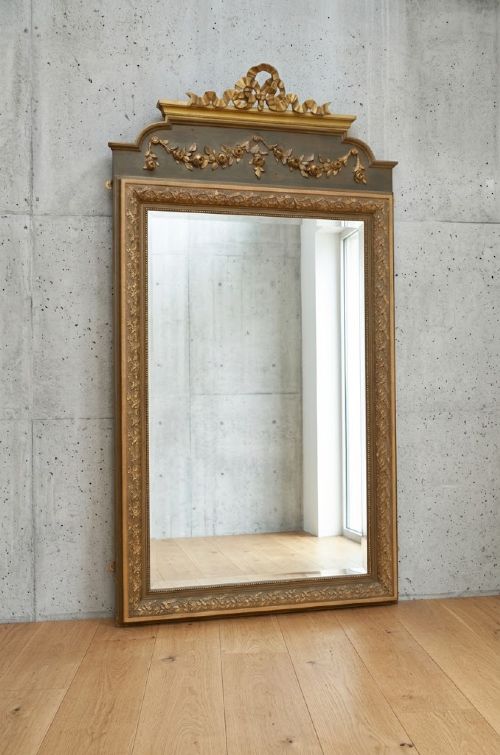
Antique Gilded Frame Painting
These antique gilded frame painting examples bring period portraits and pastoral landscapes straight to your wall with genuine nineteenth-century presence.
Antique Gilded Frame Painting
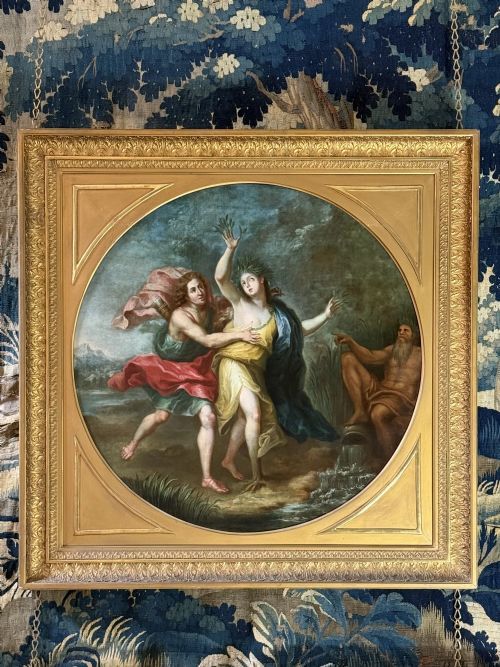
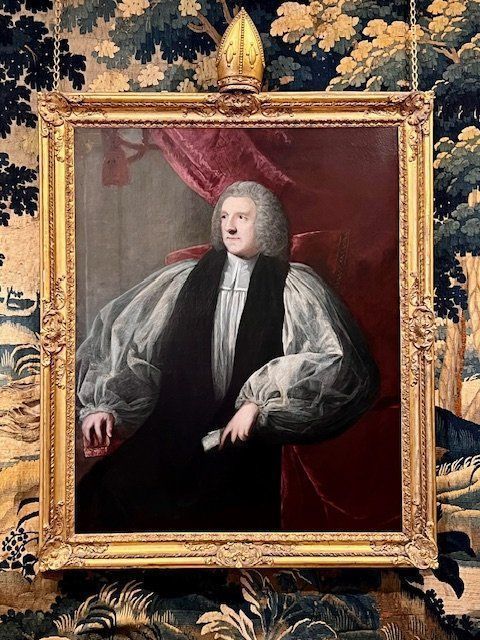
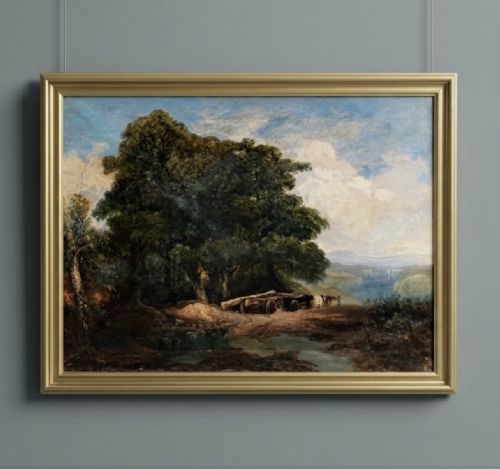
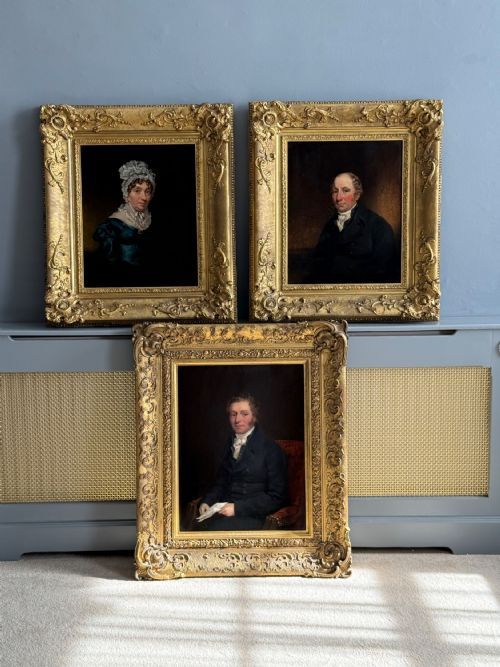
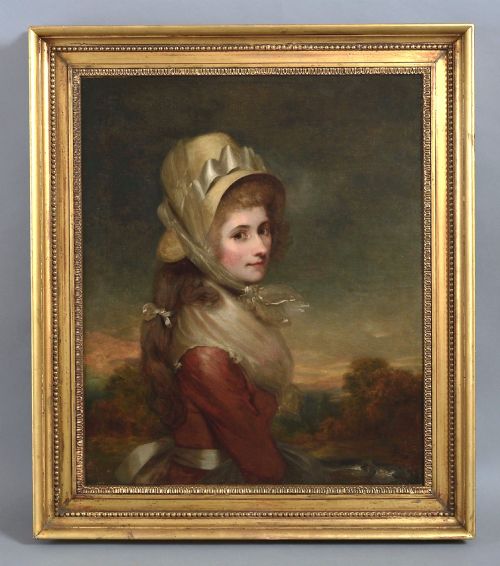
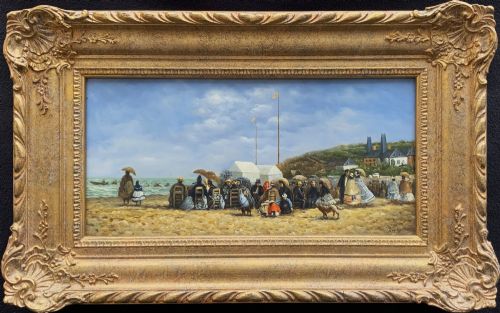
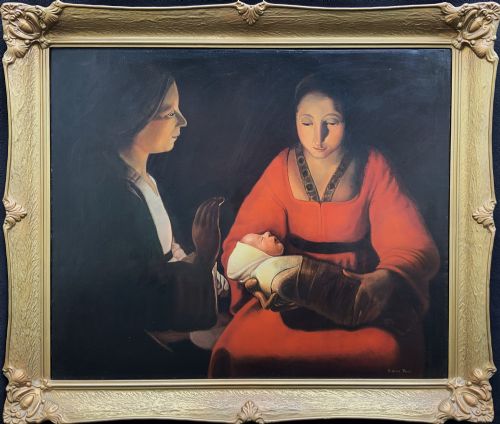
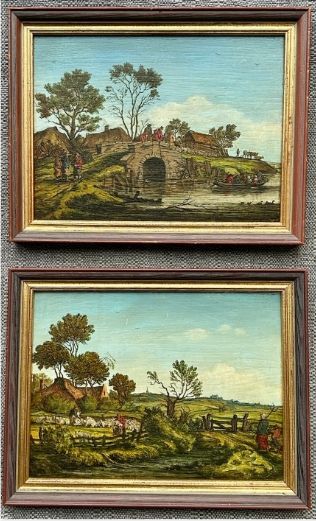
The selection on this page leans heavily towards Victorian and nineteenth-century works, alongside eighteenth-century portraiture. Buyers find pieces depicting seated ladies, young maidens, and harvest fields framed in gold leaf and gilt wood.
Regional diversity shapes the selection, ranging from British portraiture and Irish subjects to German School mountain scenes and Florentine frames. Each painting carries the distinct aesthetic of its period, whether created in eighteen-sixty or eighteen-ninety.
Materials and Construction
Makers built these frames using solid wood as a foundational base, applying layers of gesso and plaster to create deep relief mouldings and intricate carved details. Gold leaf or fine gilding was then laid over the prepared surfaces to achieve a luminous metallic finish.
The artworks themselves consist of oil on canvas, painted by artists who utilised traditional pigment layering and brushwork techniques. These canvases were then stretched and secured within the custom-built gilded surrounds to complete the piece.
Listings feature oil on canvas paintings housed in gesso, wood, and gilded frames across the Victorian and eighteenth-century periods.
Assessing Quality and Execution
Quality in these works rests upon the finesse of the artist's brushwork and the depth of the carving on the surround. Finer frames exhibit hand-carved wooden details and crisp gesso work rather than simpler moulded plaster.
The distinction between standard decorative pieces and finer works also lies in the provenance and attribution of the canvas. Named artists and documented studio circles elevate the stature of an oil painting significantly.
Walter Williams·George Turner·Pierre Mignard·François Jouvenet·Sir Godfrey Kneller·John Closterman
The Antique Gilded Frame Painting Glossary
- Gesso
- A plaster-like mixture applied to wooden frame bases to create a smooth surface for gilding. This material allows artisans to carve intricate decorative patterns before applying gold leaf.
- Gilt Wood
- Wood that has been coated with a thin layer of gold leaf or gilt powder. It provides the characteristic metallic sheen seen on period frames.
- Oil on Canvas
- A painting medium utilising pigments bound with drying oils applied to woven fabric stretched over a wooden frame. This method was standard for portraits and landscapes across the eighteenth and nineteenth centuries.
- Gold Leaf
- Extremely thin sheets of beaten gold used to cover frame mouldings. It creates a durable, non-tarnishing surface that catches the light in domestic interiors.
- Florentine Frame
- An elaborate style of Italian frame featuring ornate carved details and deep profiles. These frames are frequently associated with nineteenth-century imports and classical art displays.
Antique Gilded Frame Painting: Frequently Asked Questions
How do I date an antique gilded frame?
Dating relies on examining the construction methods of the wooden moulding and the composition of the underlying gesso layers. Earlier frames often feature hand-carving directly into wood, whilst later nineteenth-century examples frequently utilise moulded plaster.
The style of the oil painting contained within also provides a reliable indicator of age. Costume details in portraits and the subject matter of landscapes help narrow down the period.
Were frames and paintings originally paired together?
Many paintings have remained in their original frames since creation, particularly bespoke works commissioned for specific patrons. The fit and aesthetic harmony between canvas and surround usually indicate a contemporary pairing.
Over the centuries, however, some canvases were remounted into new frames that matched the prevailing taste of a later era. Both original combinations and period-appropriate pairings appear frequently in collections.
How should I clean a gilded wood frame?
Dusting should be performed gently using a soft, dry brush to prevent disturbing fragile sections of gesso and gold leaf. Moisture and modern chemical cleaners must be avoided entirely as they strip away historical gilding.
Professional conservators should handle any deep cleaning or structural repairs to the plaster and wooden elements. Preserving the original surface patina maintains the historical integrity of the piece.
What subjects are most common in these paintings?
Portraiture dominates the earlier centuries, depicting notable figures, ladies, and children in formal poses. These works reflect the social standing and patronage of the period in which they were painted.
By the nineteenth century, landscape subjects gained popularity among artists and buyers alike. Scenes featuring harvest fields, country lanes, and mountain views brought pastoral charm into Victorian homes.