


Antique Gilded Frame Art
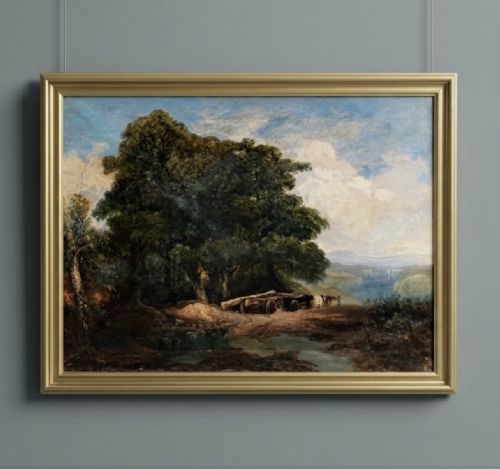
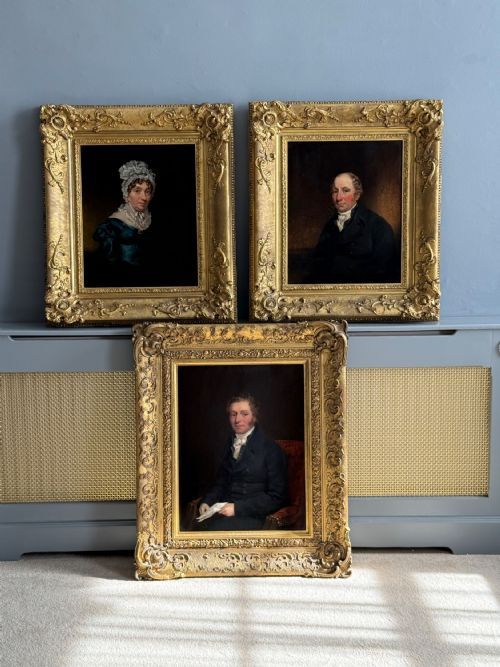
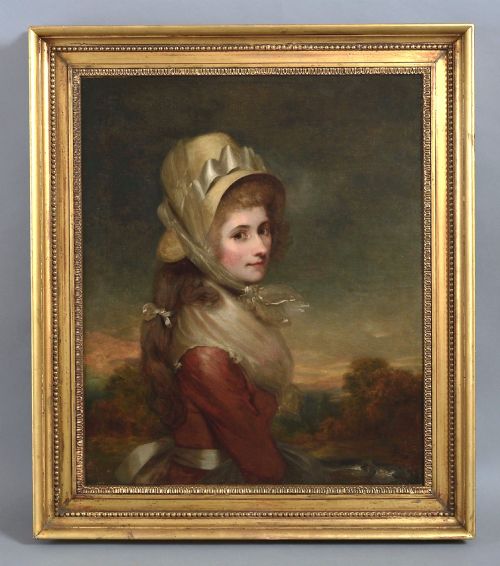
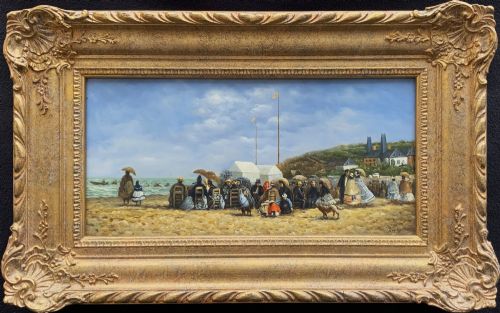
Antique gilded frame art brings together centuries of painted portraiture, classical landscapes, and delicate works on paper enclosed within ornate metallic mouldings.
Antique Gilded Frame Art
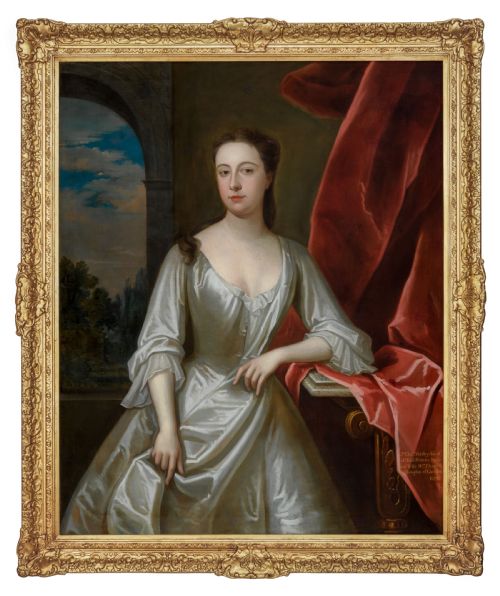
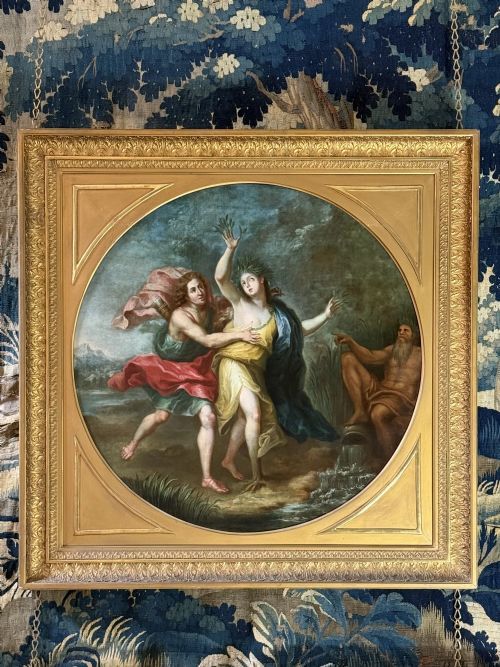
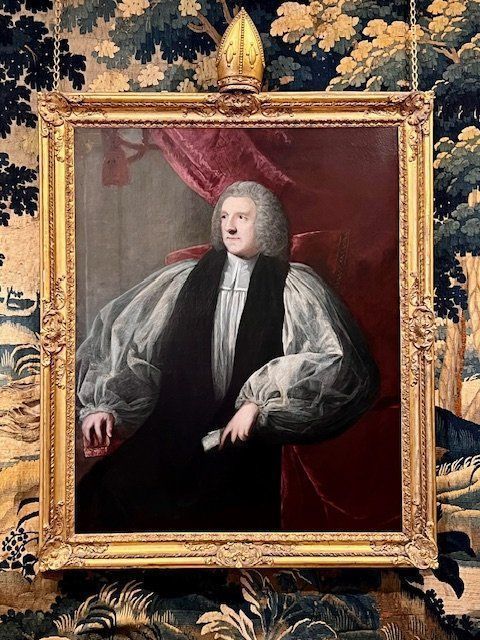
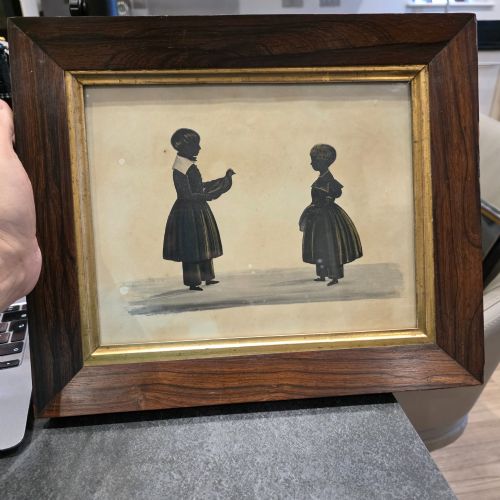
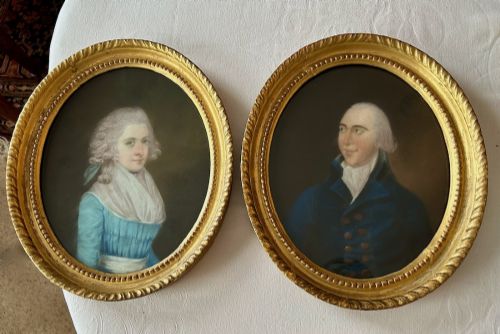
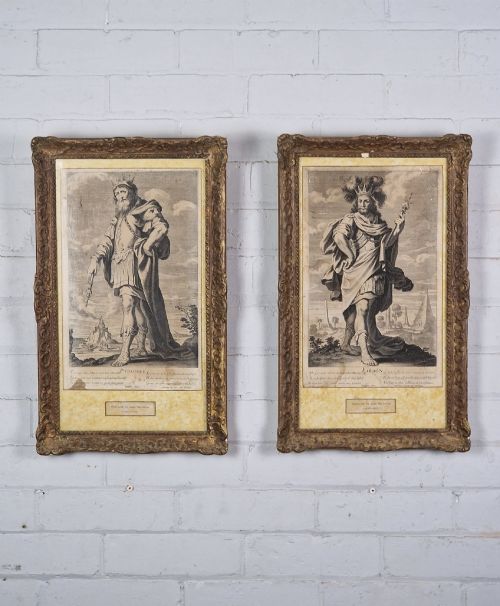
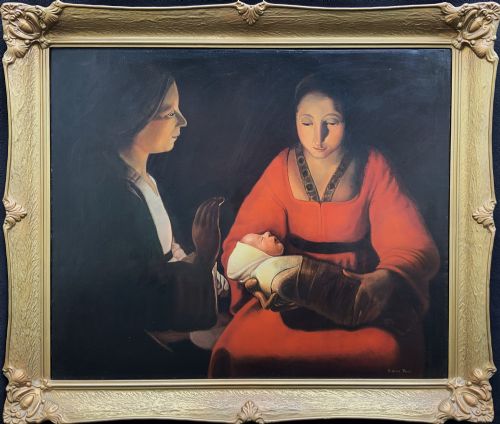
When browsing antique gilded frame art, buyers encounter a diverse range of historic visual media spanning several centuries of European production. The selection predominantly comprises oil paintings on canvas and wood panel, alongside pastels, watercolours, silhouette portraits, and early engravings.
Originating from periods such as the seventeenth, eighteenth, and nineteenth centuries, these works frequently capture formal portraiture, pastoral scenes, and mythological subjects. Pieces from the Regency, Victorian, and Edwardian eras sit alongside mid-twentieth-century interpretations and copies after older masters, all united by their distinctive metallic surrounds.
The enclosure itself forms an integral component of the object, often possessing as much historical and decorative significance as the artwork contained within. Buyers select these pieces to introduce period character, traditional craftsmanship, and rich reflective warmth to interior spaces.
Materials and construction
The physical objects rely on a foundation of organic substrates, with artists utilising oil paint on woven canvas, wooden boards, and prepared panels. Works on paper, including pastels, mezzotints, and watercolours, utilise delicate supports that require protective glass glazing.
The surrounding mouldings are typically fashioned from wood, giltwood, or polychrome plaster, shaped into elaborate profiles that define the aesthetic of the period. Artisans applied gold leaf by hand over prepared gesso grounds, burnishing the metallic surfaces to achieve a luminous finish.
Antique Gilded Frame Art Retail Price Guide 2026
Typical asking prices for gilded frame art among the pieces listed under this phrase on Sellingantiques today, from the lower quarter to the upper quarter. They describe what is for sale here now, not the wider market.
Listings feature works spanning the seventeenth century through to the mid-twentieth century, utilising oil paint, pastel, watercolour, and gold leaf.
Factors of distinction
The standard of execution in the painted surface dictates the visual impact of the work, distinguishing master studio output from routine provincial production. Nuanced handling of light, anatomical precision, and expressive brushwork separate superior portraits and landscapes from simpler decorative renderings.
The integrity and originality of the surrounding moulding heavily influence the standing of the piece. Hand-carved wooden profiles bearing genuine period gold leaf display depth and crispness of ornament that machine-milled substitutes or later replacements cannot replicate.
Sir Godfrey Kneller·Sir Joshua Reynolds·Richard Sebastian Bond·Joseph Clover·Sir Peter Lely·Anthony Van Dyck
The Antique Gilded Frame Art Glossary
- Giltwood
- Wood that has been coated with a thin layer of gold leaf or gold powder. This material provides the characteristic reflective brilliance seen on traditional ornate borders.
- Mezzotint
- A printmaking process of the intaglio family where the plate is roughened to achieve rich tones and subtle gradations of light and shade. It was frequently employed for reproducing famous portraits.
- Pastel
- A dry painting medium consisting of powdered pigment and a binder, worked onto paper or vellum. It yields velvety textures and vibrant colours that require glazing for protection.
- Panel
- A rigid support for painting, commonly made of wood such as oak or mahogany. Artists utilised these before stretched canvas became the dominant medium.
- Provenance
- The documented history of ownership of an artwork, establishing its authenticity and tracing its passage through time.
Antique Gilded Frame Art: Frequently Asked Questions
How do I date an antique frame?
Dating relies on examining the construction methods of the wooden substrate, the composition of the gesso preparation layers, and the style of the carved ornamentation. Different historic periods favoured distinct profile depths and decorative motifs such as acanthus leaves or bead-and-reel patterns.
Closer inspection of the corner joints and the type of gold leaf application further clarifies the era of manufacture. Comparing the framing style to the period of the artwork helps determine whether the two elements are original to one another.
Are oil paintings on panel older than canvas?
Wooden panels represent an older support medium, frequently encountered in seventeenth-century works and earlier traditions. Canvas gradually gained preference among artists as stretched fabrics allowed for larger compositions and easier transport.
Both supports continued to be utilised side by side in later centuries depending on the artist's preference and regional traditions. Examining the reverse of the artwork reveals the underlying material structure.
How should I care for antique gilt frames?
Gilded surfaces require gentle handling to preserve the delicate metallic leaf and underlying gesso. Dusting should be performed softly with a dry, non-abrasive cloth or a clean artist's brush, avoiding all chemical cleaners and moisture.
Maintaining stable environmental conditions away from direct sunlight and excessive humidity prevents the wood from warping and the gesso from cracking. Professional conservation is recommended for any structural repairs or cleaning of darkened surfaces.
What is a passage portrait?
A passage portrait refers to a historic depiction, often created after an established master work, serving to record a significant likeness or royal image. These pieces reflect the traditional practice of replicating admired compositions for broader appreciation or collection.
Such works demonstrate the enduring influence of prominent portraitists across subsequent generations of painters. They provide insight into the circulation of visual culture in earlier centuries.