




Antique German China Plates
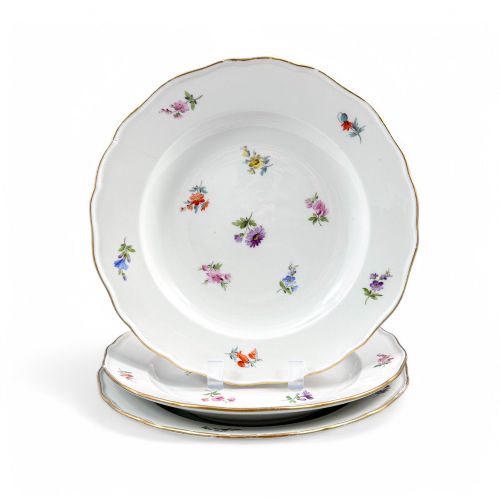
These antique German china plates are hard-paste porcelain service pieces decorated with hand-painted enamels and gold leaf.
Antique German China Plates
Antique german china plates encompass cabinet plates, decorative dishes, saucers and bowls originating from central European workshops. Buyers seeking antique german china plates typically encounter nineteenth-century production alongside pieces dated around nineteen-twenty, eighteen-fifty and the Georgian era. These ceramic items arrive in forms ranging from simple saucers to elaborate cabinet plates intended for display rather than dining.
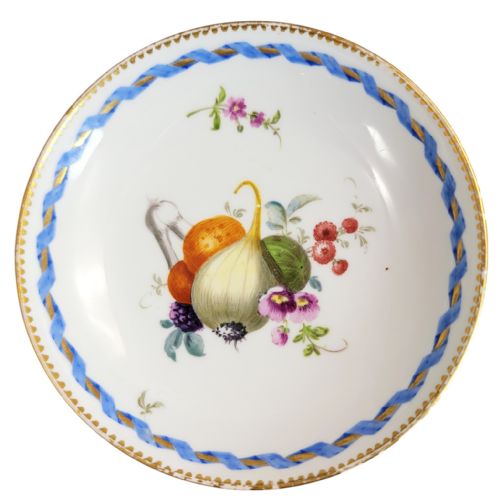
The decorative styles span rococo revival, neoclassical, eighteenth-century Meissen adaptations and general german porcelain designs. Subjects include hand-painted birds, floral bouquets such as Saxon bouquets, Streublumen decoration and scenes after Boucher. Pieces frequently exhibit blue ribbon borders, gilt flowers and distinct patterns like the Kakiemon Gelber Löwe design.
How they were made
The manufacture relies primarily on hard-paste porcelain fired at high temperatures to achieve a dense, durable body. Artisans then applied detailed enamel painting by hand, often incorporating delicate floral motifs or figural scenes. Gilding with gold leaf and burnished gilt completed the surface decoration, creating contrasting metallic highlights against the white ceramic ground.
Antique German China Plates Retail Price Guide 2026
Typical asking prices for german china plates among the pieces listed under this phrase on Sellingantiques today, from the lower quarter to the upper quarter. They describe what is for sale here now, not the wider market.
Yellow lions prowl across German porcelain plates via the Kakiemon Gelber Löwe pattern.
What varies in quality
Quality rests heavily on the precision of the hand-painted brushwork and the complexity of the subject matter, such as intricate bird studies or figural compositions. The application of gold leaf and the crispness of moulded rococo revival or neoclassical borders distinguish finer cabinet plates from simpler utility wares. Markings and factory attribution also influence the standing of each piece within the wider field of german ceramics.
Meissen·Paul Müller Selb·R.Wehsner·Helena Wolfsohn·Dresden
The Antique German China Plates Glossary
- Hard-paste porcelain
- A dense, vitrified ceramic composed of kaolin and petuntse, fired at high temperatures. This material provides the robust, translucent body characteristic of fine European tablewares.
- Streublumen
- A decorative motif featuring scattered small floral sprays across the white porcelain surface. This pattern gained popularity on eighteenth and nineteenth-century domestic wares.
- Gilding
- The application of gold leaf or powdered gold onto the ceramic body to accentuate rims and borders. Skilled craftsmen often burnished this layer to create a reflective finish.
- Kakiemon
- A Japanese porcelain enamel style imitated by European factories, featuring distinct asymmetric designs and palettes. The Gelber Löwe pattern exemplifies this cross-cultural borrowing in early german porcelain.
- Cabinet plate
- A decorative ceramic plate intended for display in a cabinet or on a wall rather than for practical dining use. These pieces usually display superior artistic execution.
Antique German China Plates: Frequently Asked Questions
What are antique german china plates made from?
These items are constructed from hard-paste porcelain, a durable ceramic material fired at high temperatures to create a smooth, translucent body. Artisans finished the surface using enamel paints and gold leaf for decorative detail.
Surfaces often feature hand-painted floral bouquets, birds or classical scenes enhanced by gilt borders and intricate moulded details.
How do I display antique cabinet plates?
Cabinet plates and decorative dishes are designed for visual appreciation rather than daily service use. You can mount them securely on walls using coated wire hangers or display them upright on plate stands inside glass cabinets.
Keep them away from direct sunlight to protect the integrity of the hand-painted enamel and gold leaf decoration over time.
How do I identify Meissen porcelain?
Meissen pieces frequently feature hand-painted motifs like Streublumen flowers, birds or Kakiemon patterns in the style of earlier centuries. They date across the nineteenth century and the Georgian period.
Look closely at the delicacy of the brushwork and the presence of gilt accents to understand the artistic quality of the individual dish.
What is the difference between a saucer and a cabinet plate?
Saucers were originally produced as functional components of tea or coffee services, featuring simpler forms and concentrated borders. Cabinet plates are larger decorative items created specifically for display.
Cabinet plates often showcase more ambitious artistic subjects, such as figural scenes after Boucher or complex floral arrangements.