




White Porcelain Display Plates
White porcelain display plates encompass centuries of ceramic artistry, from delicate eighteenth-century European tablewares to bold nineteenth-century Japanese chargers.
White Porcelain Display Plates
White porcelain display plates span numerous decorative forms, including cabinet plates, chargers, and platters designed primarily for visual appreciation rather than daily dining. These pieces arrive from various periods ranging from the seventeenth century through to the early twentieth century.
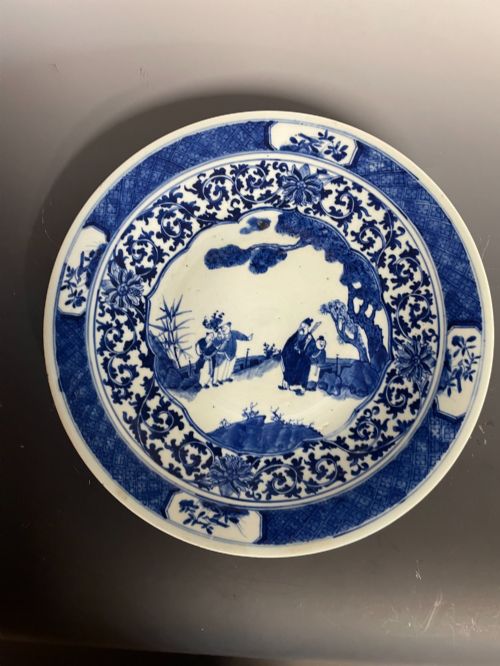
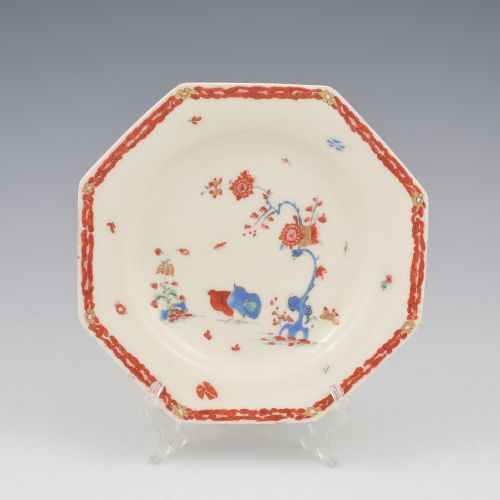
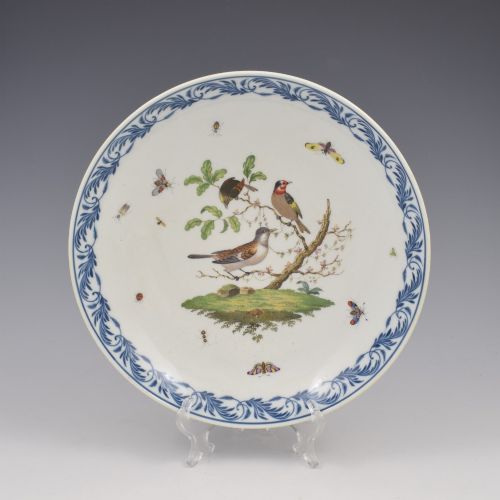
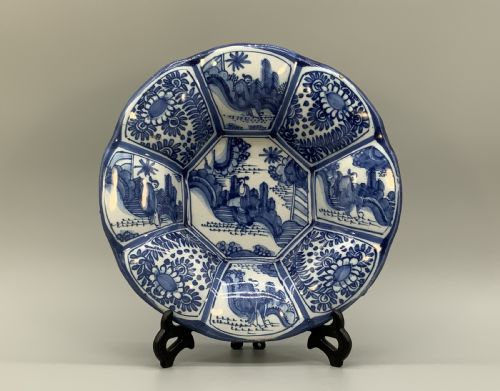
The selection on this page demonstrates strong representation from Japanese Arita Imari wares, Chinese Qing dynasty productions, and European factories such as Meissen, Sevres, and Minton. Forms vary from octagonal and lobed shapes to expansive chargers and fan-shaped dishes.
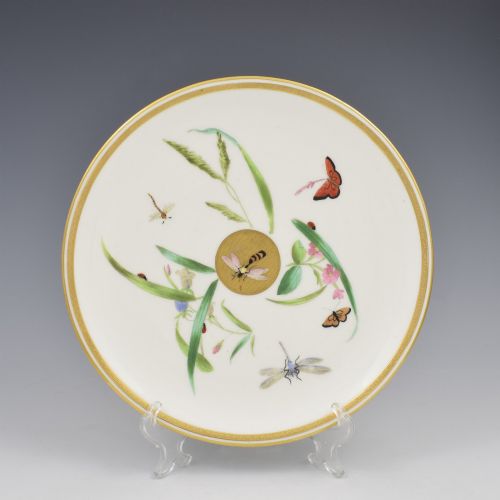
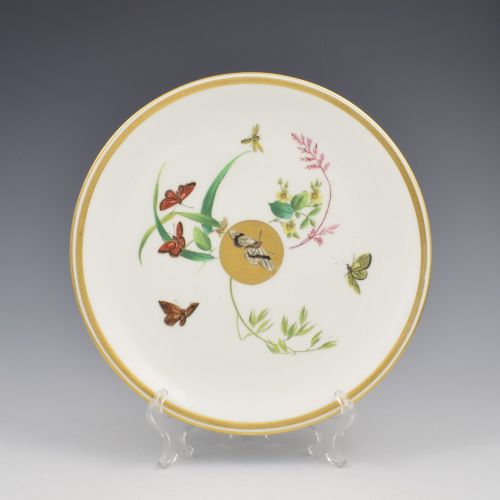
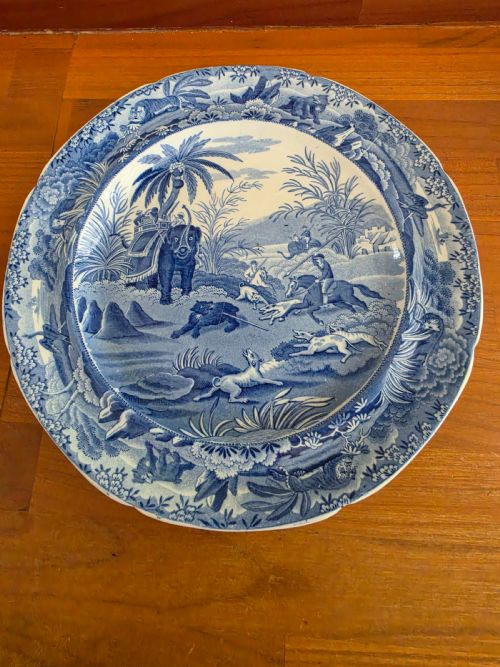
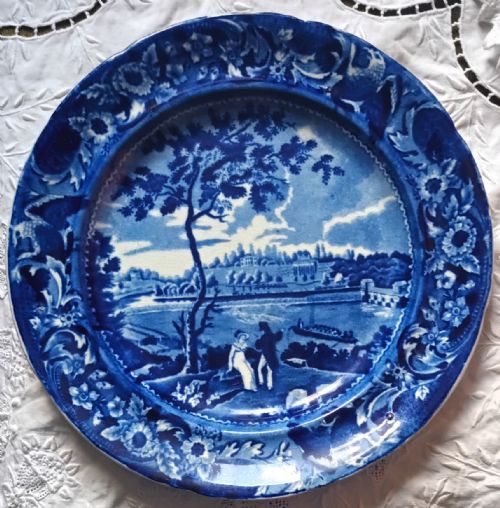
Buyers encounter items bearing cobalt underglaze decoration, intricate enamel painting, and gilt highlights. Many examples reflect specific historical movements like the Aesthetic Period or Dutch Baroque styles.
How they were made
Makers utilised hard-paste porcelain combined with glaze to create a durable, smooth white body suitable for intricate painting. Cobalt underglaze was applied before firing to achieve deep blue tones beneath the glossy surface.
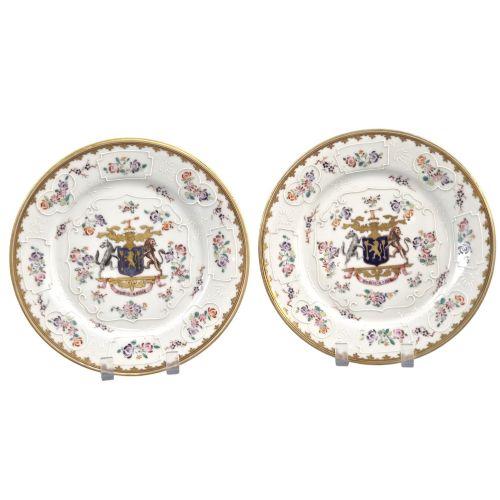
Enamel colours and gold leaf or gilt detailing were added over the glaze in subsequent low-temperature firings. Skilled artisans painted pictorial scenes, floral motifs, and armorial crests by hand directly onto the porcelain.
Listings feature hard-paste porcelain alongside cobalt glaze, enamel, and gold leaf across multiple centuries.
What varies in quality
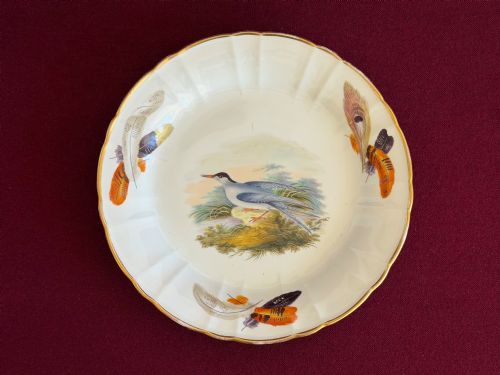
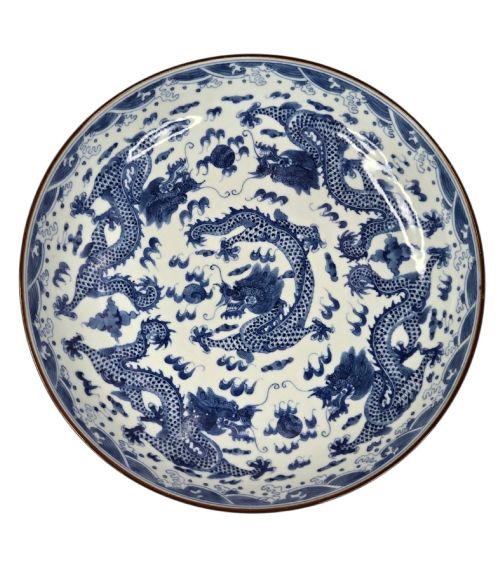
Painting precision separates standard decorative wares from exceptional collector pieces, observable in the crispness of brushwork on avian subjects, floral borders, and dragon motifs. Hand-painted detail demonstrates the artisan's individual control compared to simpler transfer-printed designs.
The sophistication of the porcelain body and the preservation of overglaze enamel and gold leaf define the upper tiers of the market. Balanced proportions in shaped dishes, reticulated borders, and well-executed cobalt glazes indicate superior production standards.
Wedgwood Bone China·Barr Flight And Barr·Helena Wolfsohn
The White Porcelain Display Plates Glossary
- Charger
- A large decorative plate or platter intended for display rather than service. These pieces frequently measure significantly wider than standard dining plates.
- Imari
- A style of Japanese porcelain featuring a distinct palette of cobalt blue, iron red, and gold. Artisans produced these wares primarily in Arita for both domestic use and export.
- Cobalt Underglaze
- A blue pigment applied to ceramic pieces before glazing and firing. This technique protects the pigment beneath a glassy surface, resulting in lasting colour stability.
- Reticulated
- Decorated with an openwork lattice or pierced pattern. Ceramicists cut these geometric or floral cutouts into the rim before the final glaze firing.
- Kakiemon
- An asymmetric style of Japanese enamel decoration on porcelain. The palette typically employs soft tones of red, yellow, blue, and turquoise.
White Porcelain Display Plates: Frequently Asked Questions
How do I display heavy chargers safely?
Heavy chargers require sturdy wall-mounting brackets designed specifically for ceramic plates or stable plate stands with adequate depth. Ensure the weight is distributed evenly across the base and rim.
Avoid hanging pieces in areas subject to vibration or direct sunlight to protect the glaze and enamel over time.
Can I use these plates for food?
Antique display pieces are generally unsuited for modern dining due to the delicate nature of historic glazes and overglaze enamels. Lead content in older glazes also makes them impractical for serving food.
Keep these items strictly for visual enjoyment in cabinets or on walls.
How do I identify Japanese Imari?
Japanese Imari typically displays a combination of underglaze cobalt blue and iron red, frequently accented with gold leaf. The motifs often incorporate floral arrangements and scrolling foliage.
Production centres around Arita, yielding robust porcelain bodies intended largely for export markets.
What is a cabinet plate?
A cabinet plate is an ornamental ceramic piece created for display in a glass-fronted cabinet or on a shelf. These items often feature elaborate hand-painted scenes or gilded borders.
Maker marks on the reverse frequently indicate prestigious European or Asian factories.