







Floral Decorative Display Plates
Floral decorative display plates are ornamental ceramics created to adorn walls and cabinets with botanical motifs.
Floral Decorative Display Plates
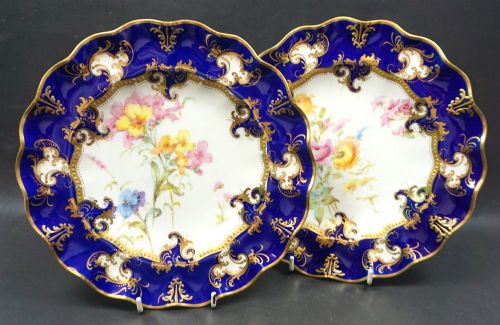
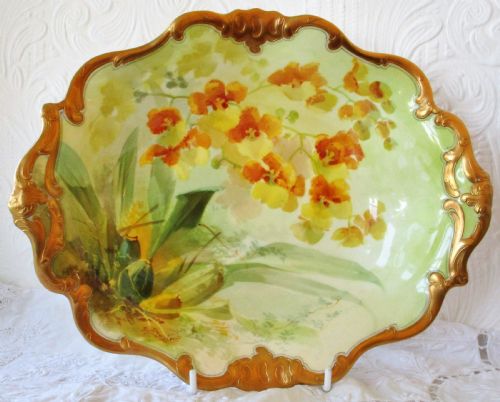
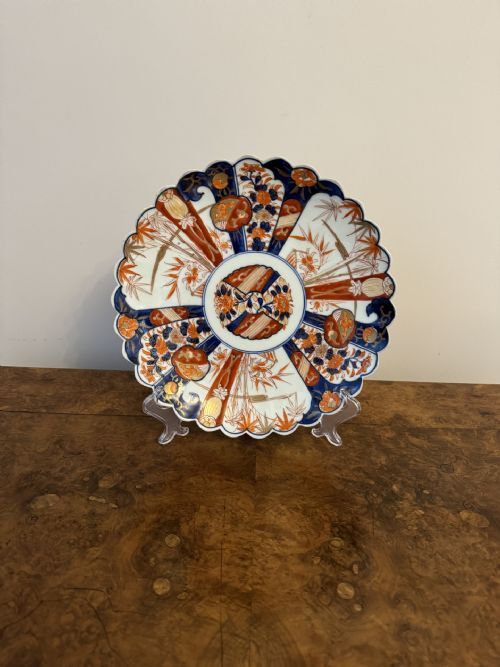
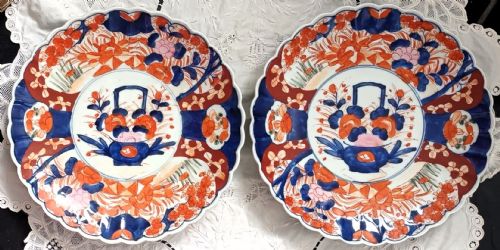
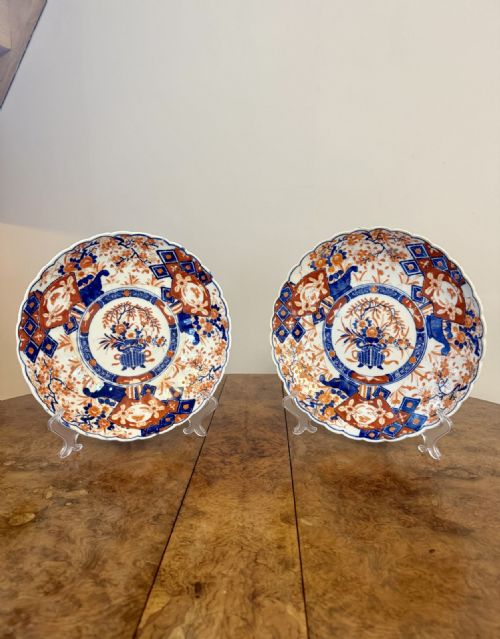
Floral decorative display plates comprise a varied selection of porcelain, ceramic, and stoneware chargers, cabinet plates, and dishes produced across multiple centuries. When exploring floral decorative display plates, the most frequent encounters on this page involve Japanese Imari wares from the late nineteenth and early twentieth centuries, alongside English and continental European porcelain. These objects range from standard cabinet dishes to large chargers measuring over forty centimetres across.
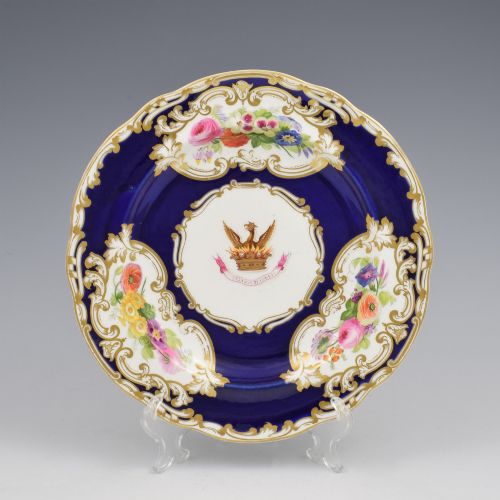
The material evidence spans from eighteenth-century Chinese export and Dutch Delft pieces to Edwardian English porcelain and silver-plated chargers. Makers and factories from Britain, France, China, and Japan utilised traditional forms to present hand-painted floral, bird, and botanical designs intended solely for display rather than dining use. Scalloped edges, deep wells, and rich cobalt underglaze decoration recur frequently throughout the available inventory.
How they were made
The pieces rely primarily on porcelain, ceramic, and stoneware bodies formed by hand or moulded, then fired at high temperatures. Cobalt underglaze provides the foundational blue pigment in many Asian and European examples, applied prior to the final glazing process.
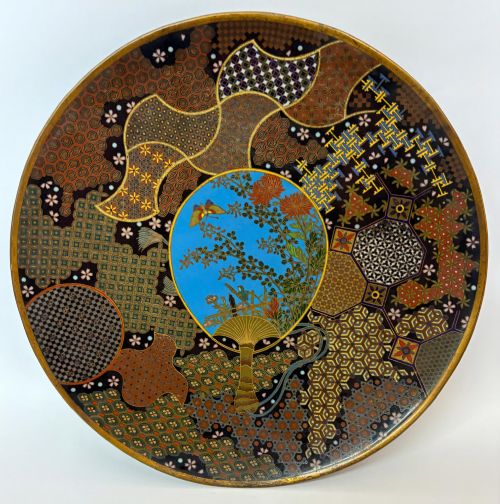
Overglaze enamels, gilding, gold leaf, and copper wire work in cloisonne are added in subsequent low-temperature firings to build up the complex floral and botanical surface patterns. Artisans applied hand-painted details using fine brushes, sealing the pigments beneath a transparent protective glaze.
Japanese Imari and Meiji period ceramics form a significant portion of the available floral decorative display plates.
What varies in quality
Quality rests upon the precision and complexity of the hand-painted brushwork, the vibrancy of the enamels, and the crispness of the gilt details. Superior examples display dense, well-balanced compositions where botanical motifs, birds, or auspicious symbols integrate harmoniously across the plate surface.
The weight, throwing consistency, and clarity of the porcelain or ceramic body also separate standard production wares from masterworks. Finer pieces demonstrate careful control during the kiln firing, resulting in unblemished glazes and sharp delineation in multi-layered patterns.
Royal Crown Derby·Royal Doulton·Copeland·John Ridgway·Pucher Deroche
The Floral Decorative Display Plates Glossary
- Charger
- A large decorative plate or dish, typically exceeding thirty centimetres in diameter, designed for display on a wall or sideboard rather than for table service.
- Imari
- A style of Japanese porcelain featuring a distinctive palette of underglaze cobalt blue, iron red, and gilt highlights, widely exported to Europe from the seventeenth century onward.
- Cloisonne
- A metalwork technique where fine wires form raised compartments on a base, which are then filled with coloured enamel paste and fired.
- Underglaze
- A method of decorating pottery where pigments are applied directly to the unfired or biscuit ceramic body before the transparent glaze layer is applied.
- Cabinet plate
- A smaller decorative ceramic plate made specifically for display within a glass-fronted cabinet or on a specialist stand.
Floral Decorative Display Plates: Frequently Asked Questions
Were these plates used for dining?
These pieces served primarily as ornamental items for display in cabinets or mounted upon walls. Their delicate enamels and gold leaf meant they remained protected from the wear of daily dining.
Larger chargers and cabinet plates were produced specifically to showcase the artistic skill of the pottery or workshop. Their primary purpose was aesthetic enrichment within domestic interiors.
How do I hang a heavy charger?
Large chargers require robust, adjustable spring-loaded brass wall hangers that distribute the weight evenly around the rim. The wall fixture must anchor securely into solid masonry or a stud.
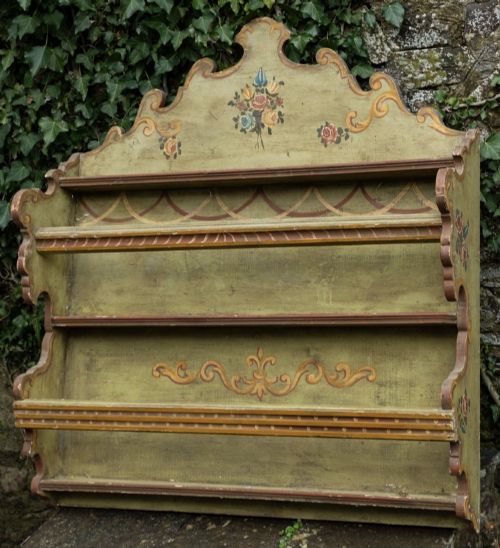
Displaying pieces on heavy wooden plate rails or within dedicated display cabinets offers a secure alternative to wall mounting. Ensuring the plate rests firmly prevents accidental slips.
How should I clean antique display plates?
Dusting gently with a soft, dry ostrich feather duster prevents the accumulation of surface debris without risking the glaze. Moisture should be avoided entirely on pieces with exposed or delicate gilding.
Water and chemical solvents can damage fragile overglaze enamels and old repairs. Professional conservation advice is recommended if deeper cleaning becomes necessary.