

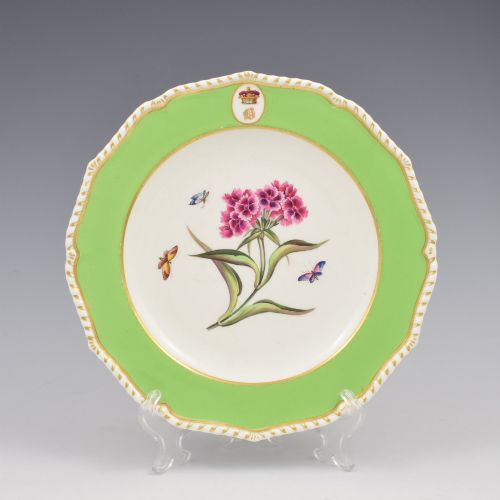
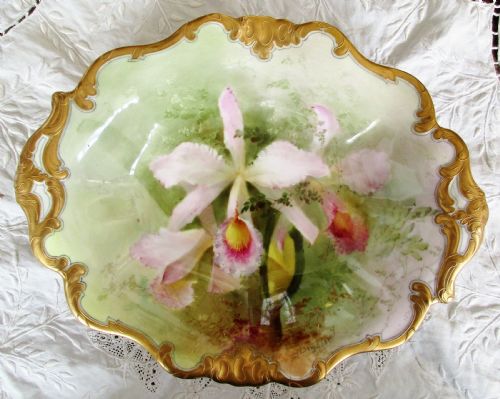

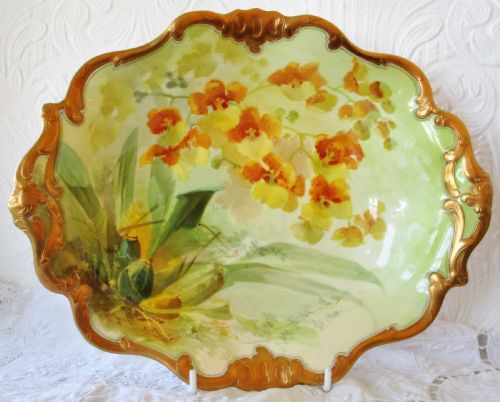


Botanical Porcelain Cabinet Plate
A botanical porcelain cabinet plate brings hand-painted flora and fauna into display rooms, formed through centuries of European ceramic tradition.
Botanical Porcelain Cabinet Plate
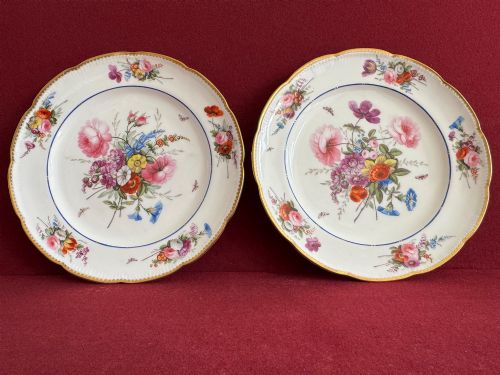
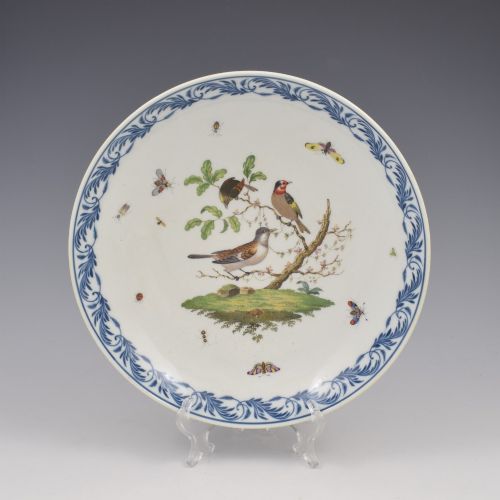
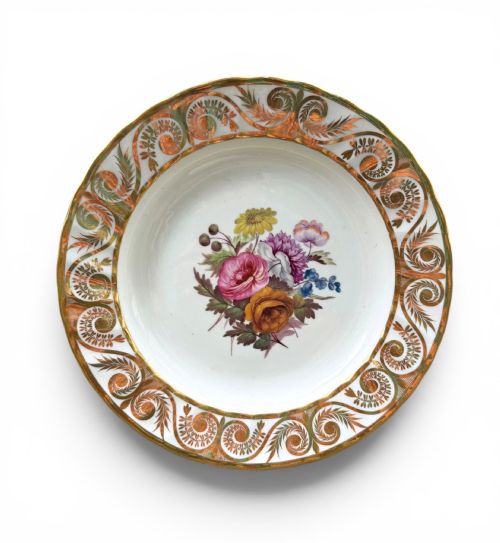
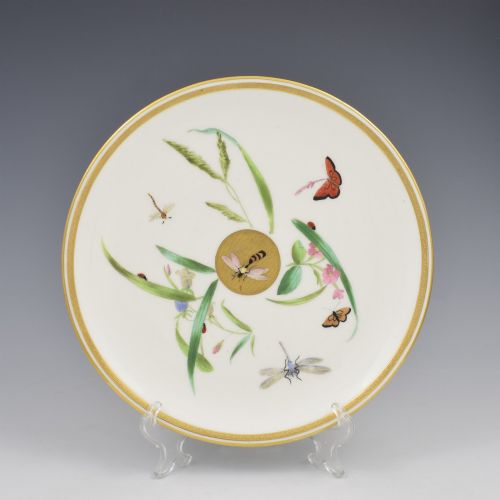
A botanical porcelain cabinet plate is designed primarily for display rather than dining, frequently featuring detailed botanical, ornithological, or armorial subjects.
The selections available span multiple periods including the 18th century, Regency, and Victorian eras, alongside Edwardian and later 20th-century examples.
Forms include cabinet plates, dessert plates, decorative dishes, and serving dishes originating from English, German, French, and Russian factories.
Materials and Techniques
Pieces utilise porcelain, bone china, and hard-paste porcelain as bodies, shaped into plates, bowls, and dishes.
Decoration relies upon overglaze enamel painting combined with gold leaf, gilding, and enamel to render subjects such as flowers, birds, and armorials.
Botanical Porcelain Cabinet Plate Retail Price Guide 2026
Typical asking prices for botanical porcelain cabinet plate among the pieces listed under this phrase on Sellingantiques today, from the lower quarter to the upper quarter. They describe what is for sale here now, not the wider market.
The listings encompass porcelain, bone china, and hard-paste porcelain across 18th century, Regency, Victorian, and Edwardian periods.
Evaluating Quality
Distinctions in quality rest on the precision of the hand-painted brushwork, particularly in botanical and ornithological rendering, alongside the crispness of moulded porcelain bodies.
The application and preservation of gilding and overglaze enamel separate standard production from superior cabinet pieces.
Wedgwood·Meissen·Derby·Minton·Royal Doulton·Bloor Derby·Barr Flight and Barr·Furstenberg·Sevres·Coalport·Royal Worcester·Kornilov Brothers·Chelsea Derby·James Giles·Chamberlain Worcester·Nantgarw·Fukagawa·New Hall·Rockingham·Royal Crown Derby
The Botanical Porcelain Cabinet Plate Glossary
- Cabinet plate
- A decorative ceramic plate intended for display in a cabinet or on a wall rather than for practical table service. These pieces frequently showcase elaborate painted motifs.
- Overglaze enamel
- A technique where coloured pigments are applied over a fired and glazed porcelain surface and fixed by a subsequent low-temperature firing. This method allows for brilliant palette variations.
- Hard-paste porcelain
- A true ceramic composition of kaolin and petuntse fired at high temperatures to produce a dense, vitrified body. It forms the foundation for many European factory productions.
- Armorial
- A decorative design incorporating a family coat of arms or heraldic crest. These were frequently commissioned for wealthy households.
Botanical Porcelain Cabinet Plate: Frequently Asked Questions
What is a botanical porcelain cabinet plate?
A botanical porcelain cabinet plate is a decorative ceramic dish painted with flowers, plants, or birds, intended for display in a cabinet or on a wall.
Such plates were produced by major European and English factories across the eighteenth, nineteenth, and early twentieth centuries.
How were cabinet plates used?
Cabinet plates were collected by wealthy patrons to showcase artistic skill, botanical interest, and social status within domestic interiors.
Unlike everyday tableware, they remained in display cabinets or mounted on walls to protect delicate painted surfaces and gilding.
How do I identify the period of a plate?
Period identification relies upon factory marks, paste composition, and stylistic cues such as Regency armorials, Rococo scrolls, or Aesthetic movement motifs.
Matching the listed materials, such as bone china or hard-paste porcelain, alongside recorded factory dates helps narrow the timeline.
How should I live with antique porcelain?
Antique porcelain cabinet plates require stable display environments away from direct sunlight to preserve delicate overglaze enamels and gold leaf.
Wall mounting requires specialist hangers designed to support porcelain securely without putting stress on the rim.