
Antique French Tapestry
These pieces of antique french tapestry bring centuries of woven artistry and historic seating into domestic spaces.
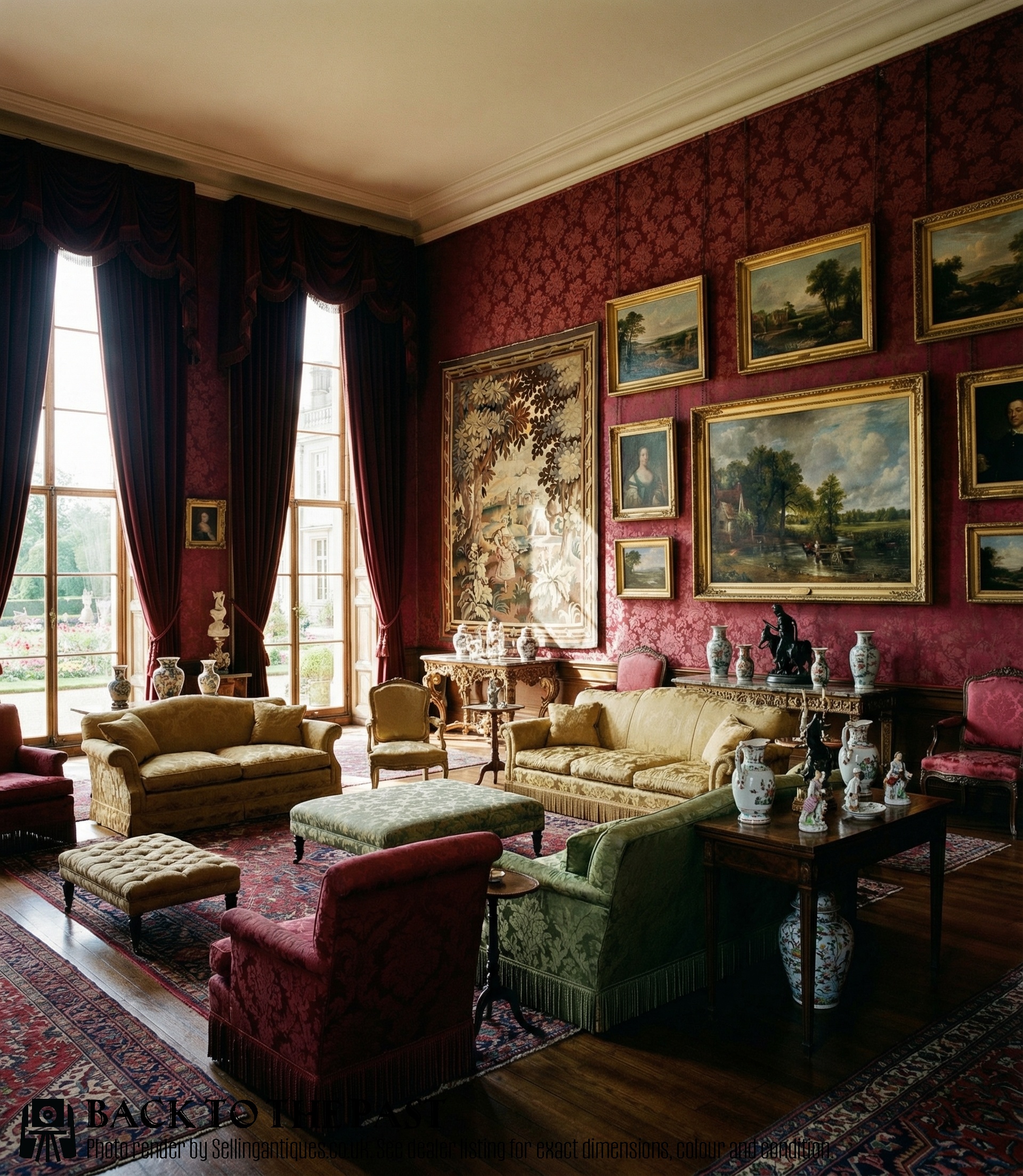
Antique French Tapestry
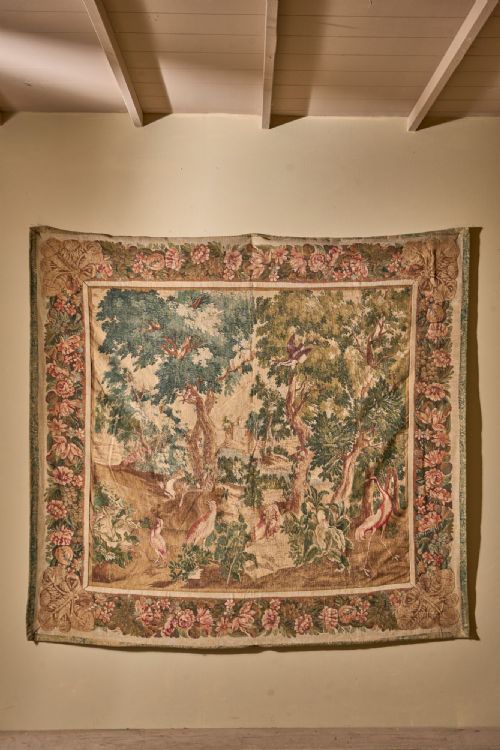
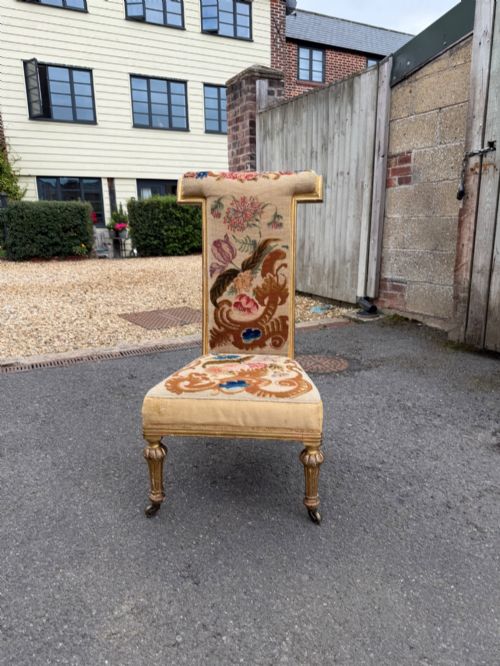
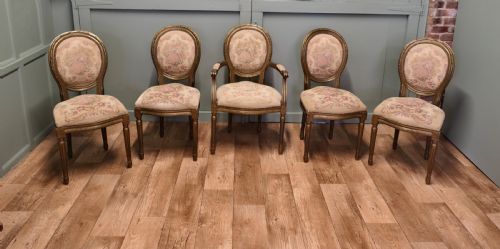
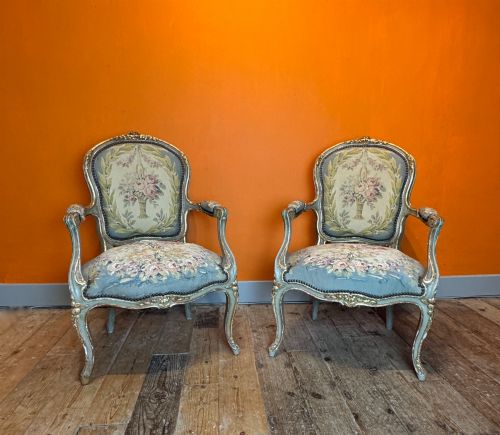
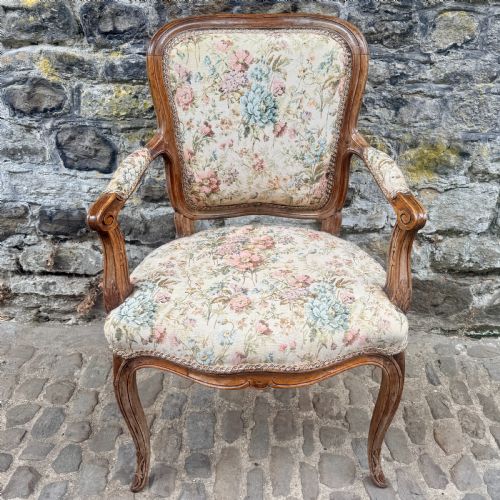
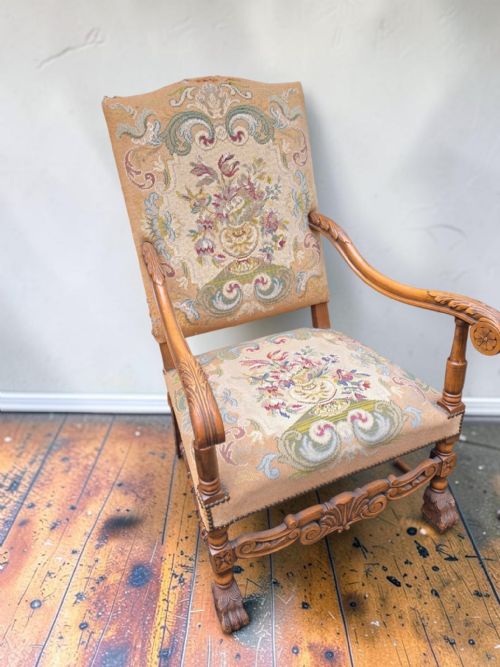
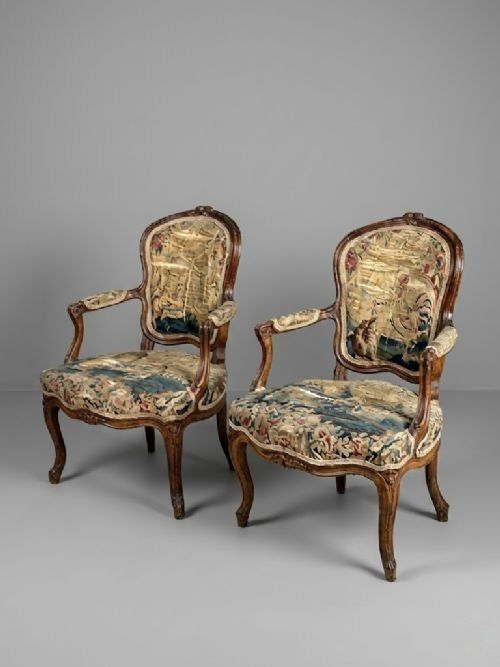
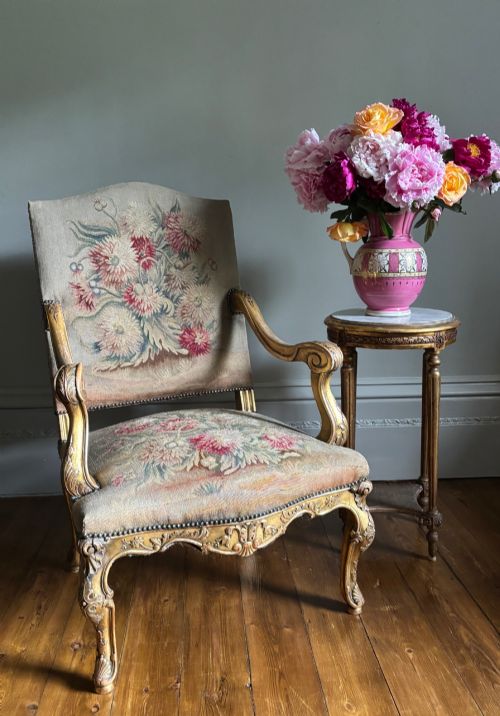
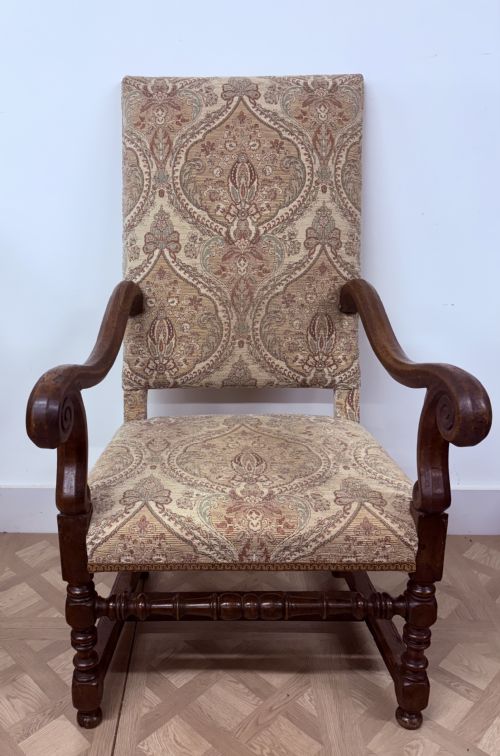
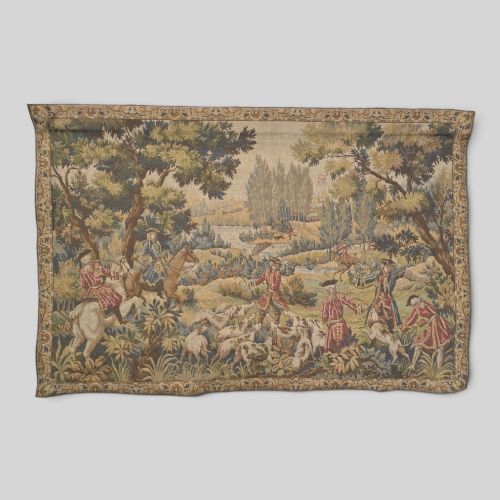
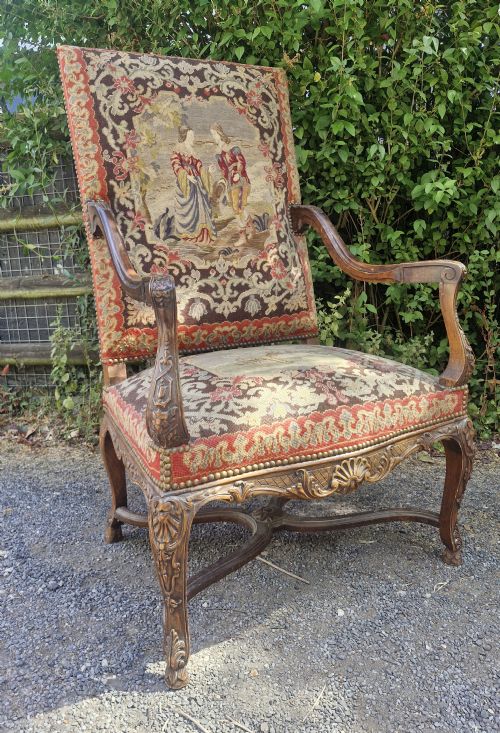
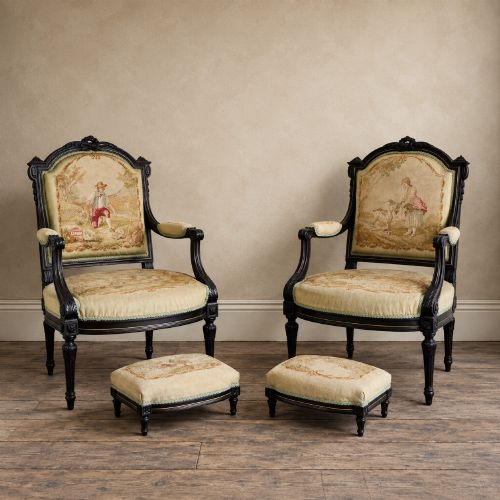
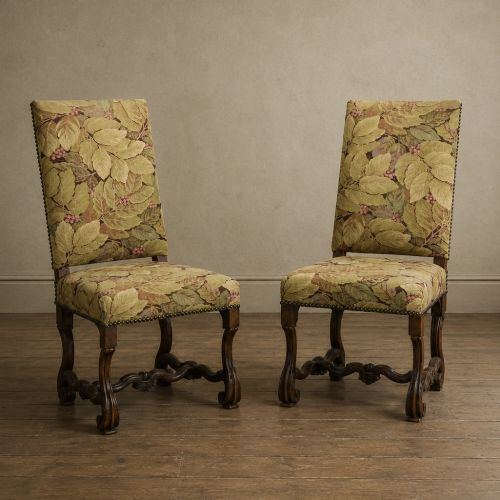
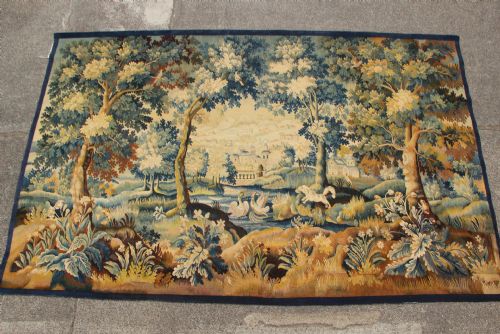
An antique french tapestry search reveals two distinct categories: large wall-hanging textiles and textile-upholstered seating such as armchairs, fauteuils, and footstools. Wall panels range from pastoral verdure scenes featuring foliage and birds to figurative biblical or courtly romances. Seating pieces pair these woven coverings with frames carved from walnut, beech, or giltwood.
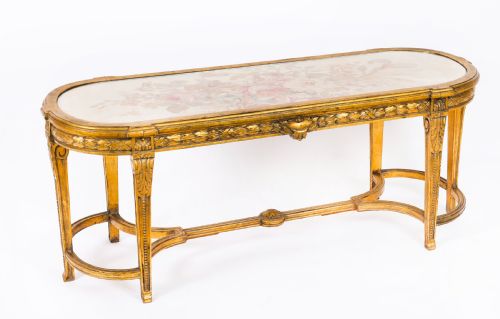
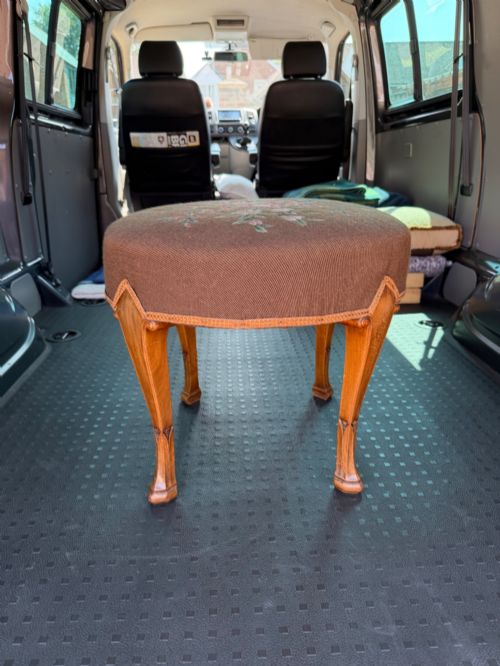
The selection spans several centuries, drawing heavily from seventeenth and eighteenth-century designs alongside nineteenth-century revivals. Buyers frequently encounter nineteenth-century interpretations of earlier Louis styles, alongside seventeenth-century verdure fragments and eighteenth-century Aubusson weaves. Forms vary from expansive panoramic wall hangings down to small walnut footstools and low coffee tables.
Wall hangings include framed panels, friezes, and carpets intended for display across large interior surfaces. Furniture items incorporate needlework, petit point, and tapestry upholstery directly onto chairs, settees, and salon suites. Together, these items capture a tradition of textile craftsmanship that bridges decorative wall coverings and functional seating.
Materials and construction methods
Woven items rely primarily on wool and silk threads, frequently mounted to supportive linen backings for wall display or stretched over robust wooden frames. Artisans built seating frames from dense hardwoods like walnut, beech, and oak, often finishing them with giltwood, paint, or parcel-gilt detailing. Structural joinery and hand-carved ornamentation reflect the prevailing aesthetic of each period, from baroque curves to neoclassical symmetry.
Tapestry panels employ intricate hand-weaving techniques using dyed yarns to build pictorial depth, subtle shading, and botanical detail. Upholstered pieces integrate needlepoint and petit point directly into the seats and backs of armchairs, footstools, and settees. Materials such as brass tacks and original fabrics survive on many examples, anchoring the textile firmly to its wooden armature.
Antique French Tapestry Retail Price Guide 2026
Typical asking prices for french tapestry among the pieces listed under this phrase on Sellingantiques today, from the lower quarter to the upper quarter. They describe what is for sale here now, not the wider market.
Listings feature wall hangings and furniture spanning the seventeenth century through the nineteen-thirties.
Distinctions in quality
The sophistication of the woven imagery separates standard domestic furnishings from exceptional examples. Finer panels display complex pictorial narratives, nuanced colour palettes, and dense stitching, while simpler pieces rely on repetitive motifs. The artistic depth of a verdure landscape or a figurative scene dictates the visual weight of the textile.
On furniture, the harmony between the carved wooden frame and the textile covering defines the tier of the piece. Superior items feature integrated frames with hand-carved walnut or giltwood details that complement the age and style of the needlework upholstery. Original mounts, intact framing, and period-appropriate frames elevate the standing of both wall hangings and seating.
The Antique French Tapestry Glossary
- Aubusson
- A town in France renowned for producing hand-woven tapestries and carpets. Pieces originating from this tradition often feature pastoral or floral compositions.
- Verdure
- A style of tapestry depicting lush foliage, trees, plants, and frequently birds or animals. These landscape scenes dominate many historic wall hangings.
- Fauteuil
- An open-framed upholstered armchair with wooden arms, typical of French interior seating design from the seventeenth century onward. The wooden structure is often carved and gilded or painted.
- Petit point
- A fine, count-thread embroidery stitch executed on canvas. This technique allows for high detail and smooth tonal transitions in floral and figurative panels.
- Carton
- A full-scale preparatory design or painting created by an artist to guide the weaver. These painted patterns served as the blueprint for historic textile production.
Antique French Tapestry: Frequently Asked Questions
How do I hang a heavy tapestry?
Large wall hangings require even weight distribution across the upper border to prevent fabric distortion over time. Using a professional mounting specialist ensures the textile attaches safely to a concealed support bar.
For framed panels or smaller fragments mounted to linen, standard picture-hanging hardware suited to the weight of the frame provides a secure display. Avoid hanging textiles in direct sunlight to protect the dyed wool and silk threads from fading.
Can I use antique tapestry chairs daily?
Historic seating with original needlework requires gentle care due to the age of the wool and silk fibres. Light domestic use is suitable, provided sitters avoid heavy wear or strain on fragile vintage joints.
Placing chairs away from high-traffic zones preserves both the wooden frames and the delicate textile upholstery. Routine dusting with a soft brush helps maintain the condition of the woven surface without causing friction.
What is the difference between Aubusson and verdure?
Aubusson refers to the geographic origin and specific weaving tradition of workshops in central France. These works encompass a broad range of subjects, including architectural vistas, historical figures, and courtly romances.
Verdure describes a specific thematic focus centred on dense forest foliage and natural landscapes. While an Aubusson piece can feature a verdure scene, not all verdure tapestries originate from Aubusson workshops.
How do I identify the period of a tapestry?
Dating relies on examining the stylistic cues within the woven imagery, such as costume details, architectural backgrounds, and framing motifs. Seventeenth-century examples often display heavy verdure borders, while eighteenth-century pieces lean towards lighter pastoral compositions.
For upholstered furniture, the carved details of the wooden frame provide concurrent chronological markers. Comparing the style of the woodwork against known design periods helps confirm the era of the piece.