


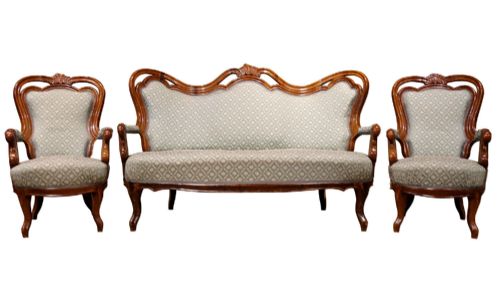
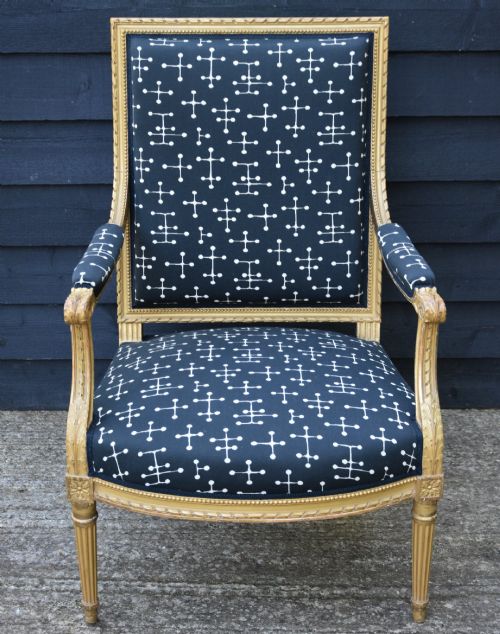
Antique French Style Chairs
Antique french style chairs bring classical elegance and elaborate carved woodwork into modern interiors through time-honoured seating designs.
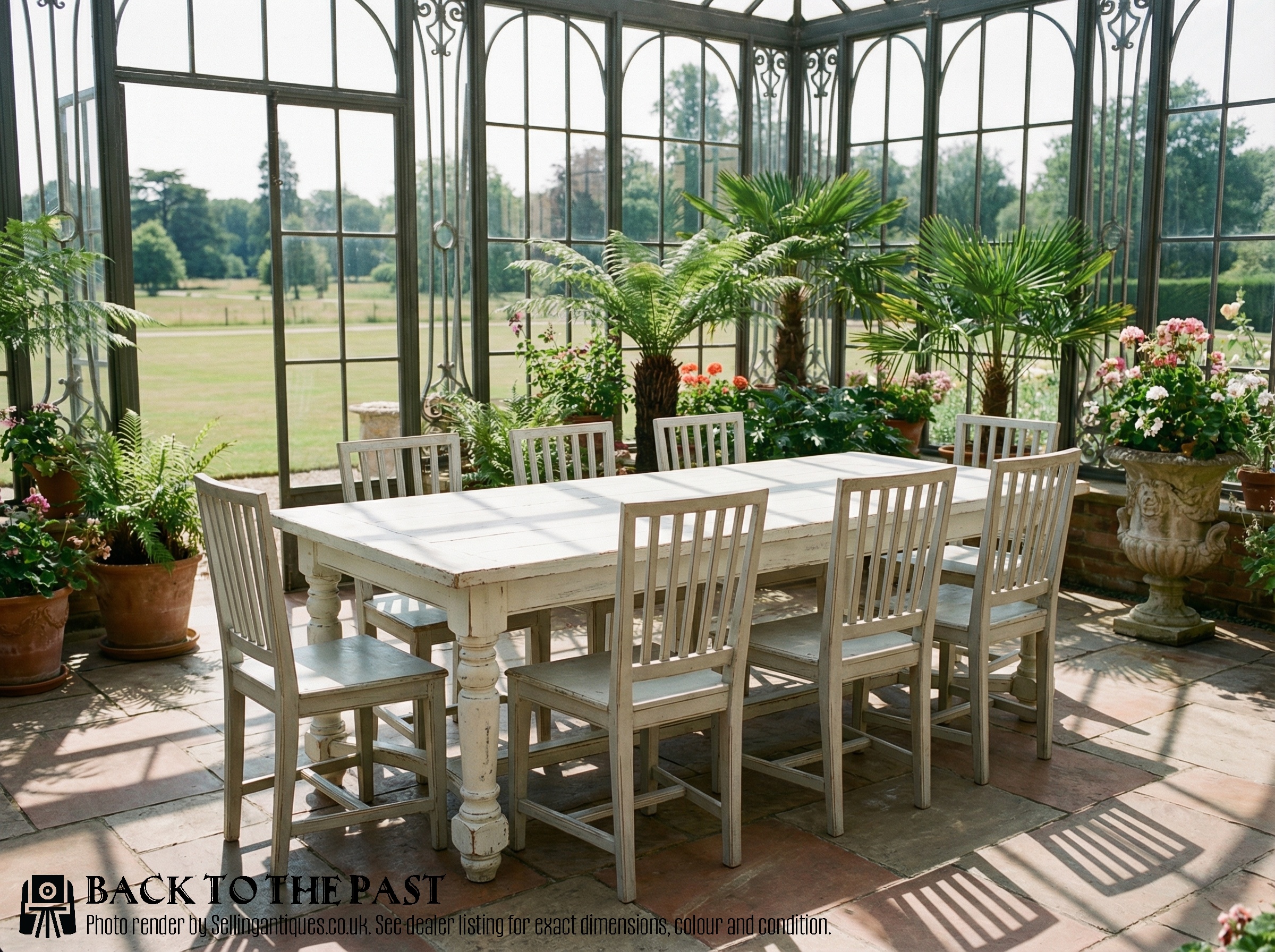
Antique French Style Chairs
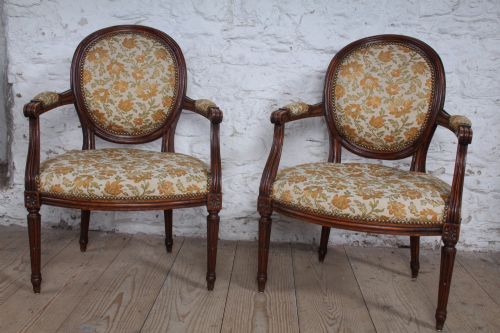
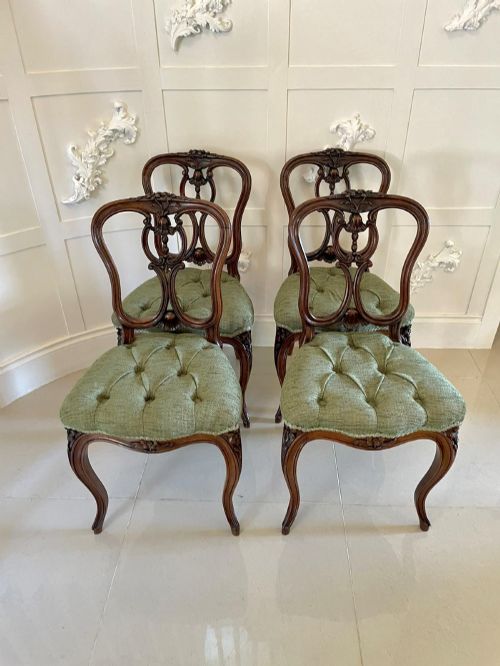
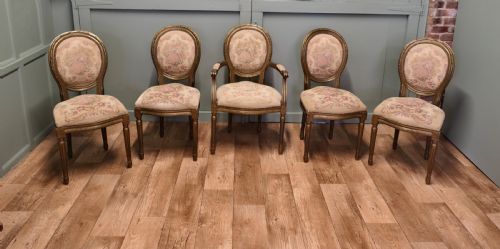
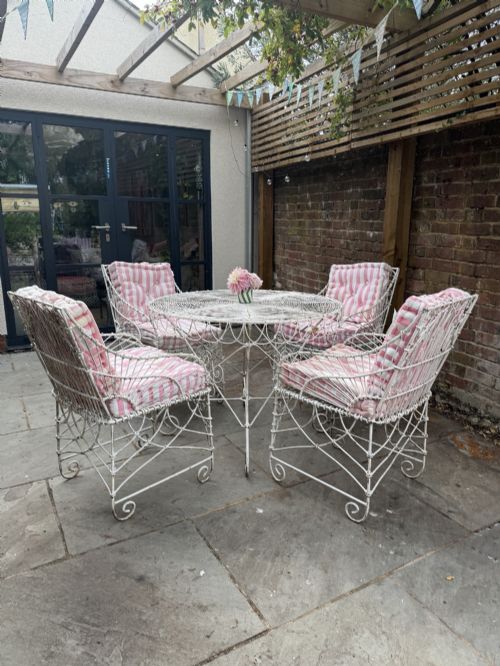
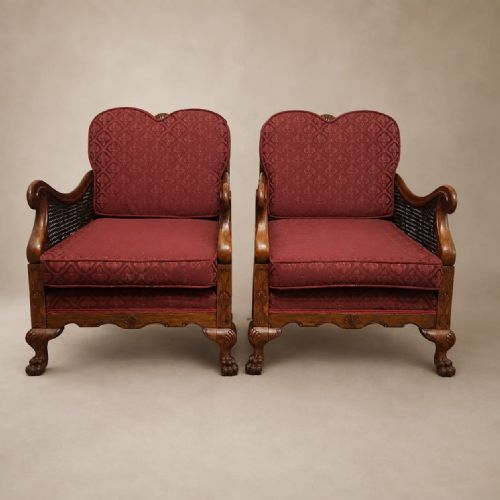
Antique french style chairs encompass a varied selection of seating, ranging from formal salon armchairs and side chairs to casual dining sets and chaise longues.
The pieces appearing on this page draw heavily from historical periods including the eighteenth and nineteenth centuries, alongside revival movements spanning into the twentieth century.
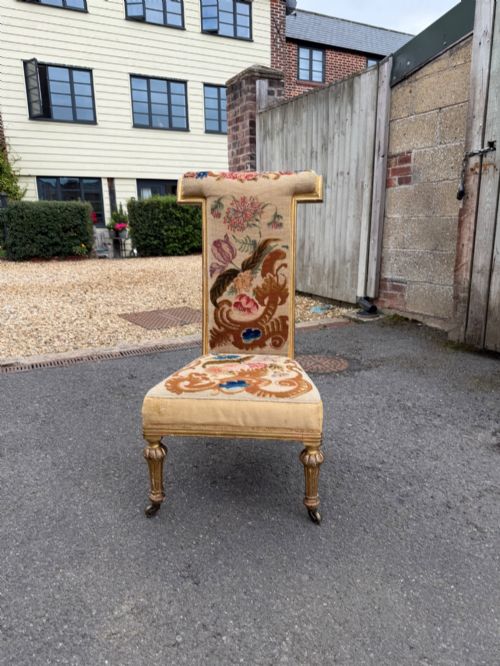
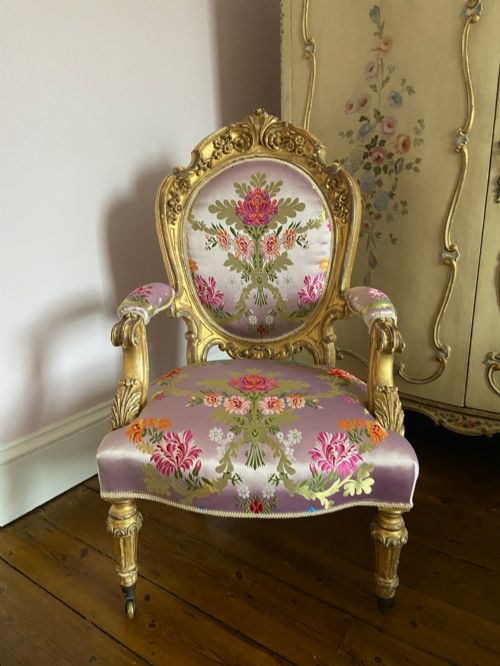
Buyers frequently encounter walnut or giltwood frames paired with traditional textiles, reflecting courtly aesthetics adapted for domestic use across generations.
Materials and construction methods
Craftsmen built these seating frames using hardwoods such as walnut, beech, oak, and mahogany, often shaping structural elements with detailed hand carvings.
Many examples incorporate applied gilding, painted finishes, or parcel gilt highlights upon the wooden framework to enhance decorative visual depth.
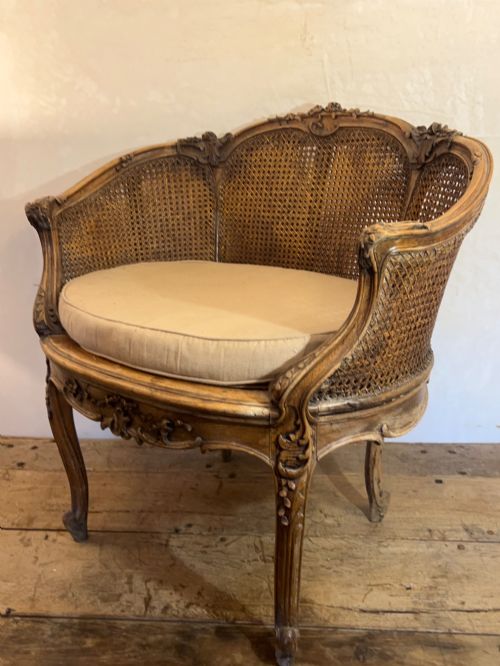
Upholstery techniques utilise traditional padding materials paired with fine textiles like silk, velvet, tapestry, and needlework, alongside woven rush or cane seating surfaces.
Antique French Style Chairs Retail Price Guide 2026
Typical asking prices for french style chairs among the pieces listed under this phrase on Sellingantiques today, from the lower quarter to the upper quarter. They describe what is for sale here now, not the wider market.
Listings feature seating forms from the eighteenth, nineteenth, and twentieth centuries, employing walnut, oak, beech, and mahogany.
Determining factors of quality
The refinement of the wood carving dictates much of the visual distinction, separating fluid, deeply sculpted floral motifs from stiffer, shallower interpretations.
Original surface treatments - such as untouched paint, patinated gilding, or early fabric coverings - contribute significantly to the integrity and historical value of an individual piece.
Jacob Desmalter·Thomas Chippendale·Codina
The Antique French Style Chairs Glossary
- Bergère
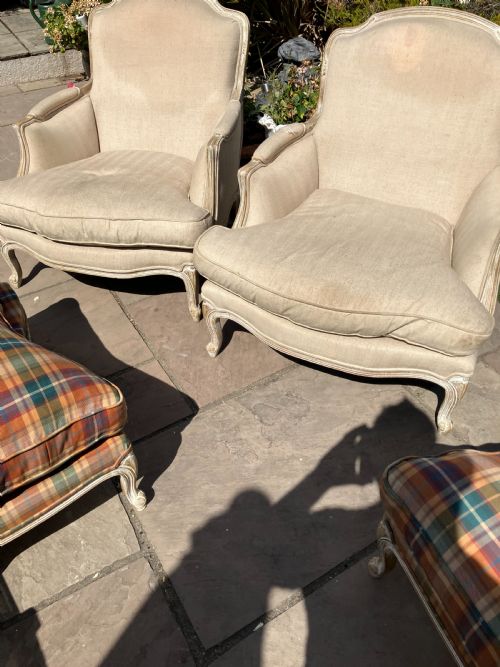
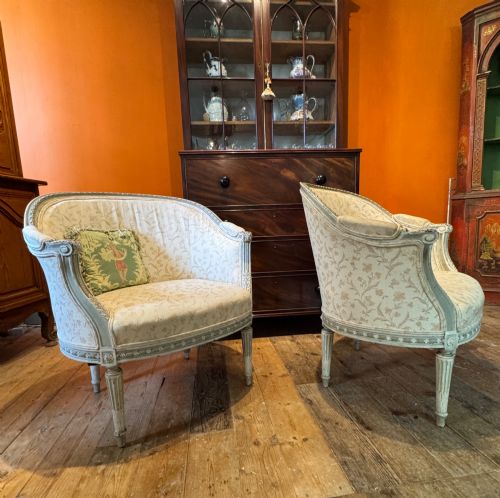
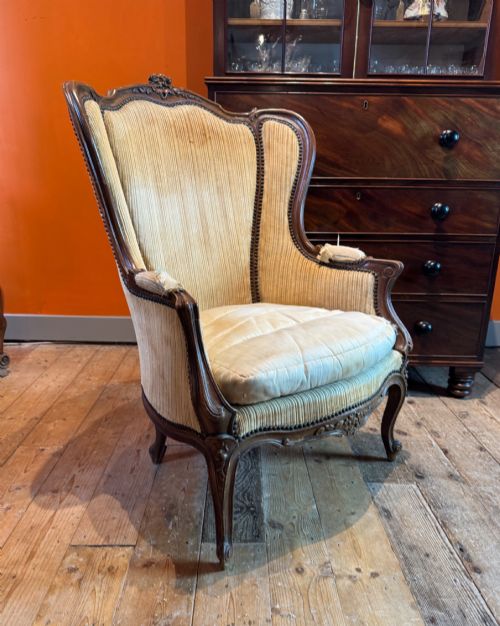
- A closed upholstered armchair featuring enclosed sides and a padded seat cushion. This form gained popularity during the eighteenth century.
- Fauteuil
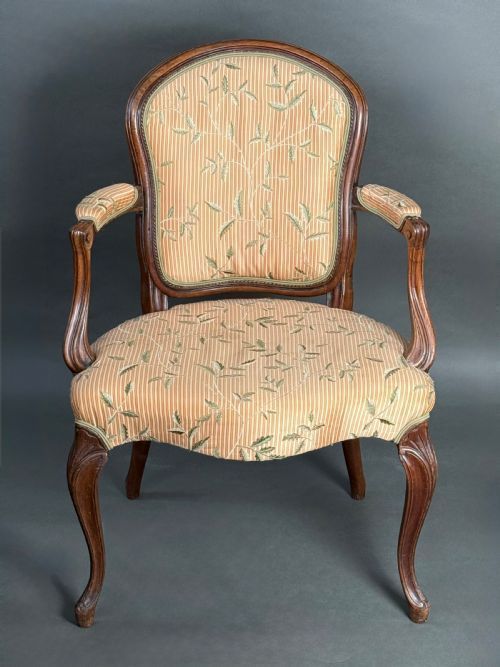
- An open-arm upholstered chair characterised by exposed wooden framing around the backrest and arm supports. These seats typically served formal salons.
- Cabriole leg
- A furniture leg featuring a double curve, bending outward at the knee and tapering inward toward the foot. This design appears frequently on eighteenth-century revival pieces.
- Giltwood
- Timber coated with a thin layer of gold leaf or gold paint over a prepared ground. This finish provided opulent brightness to ceremonial seating.
Antique French Style Chairs: Frequently Asked Questions
How do I identify a Louis XV style chair?
Louis XV style chairs feature characteristic asymmetrical flowing curves, cabriole legs, and delicate floral carvings. The overall silhouette avoids straight lines in favour of organic, sinuous contours.
Upholstery often extends over the wooden frame edges, and frames are frequently executed in walnut, beech, or giltwood.
What is the difference between a fauteuil and a bergere?
A fauteuil is an open-arm chair with exposed wooden sides between the armrest and the seat rail. This design allows for wearing wide court dresses comfortably.
A bergere is a closed-arm armchair featuring upholstered panels beneath the armrests, creating a more enclosed and restful seating experience.
Are these chairs suitable for daily dining use?
Many antique french style chairs, particularly ladder back rush seat kitchen dining chairs, were built for practical domestic dining. Their sturdy oak or cherry wood construction handles regular daily sitting.
Formal salon armchairs with delicate silk or tapestry upholstery, however, suit low-traffic display or occasional seating better.
How do I date an antique french style chair?
Dating relies on examining the wood species, joinery methods, tool marks, and stylistic indicators. Many pieces on this page originate from nineteenth-century revival periods rather than the original eighteenth-century reigns.
Accompanying upholstery fabrics and original paint surfaces also provide valuable chronological clues for the piece.