
19th Century Cane Chairs
These 19th century cane chairs combine woven seating with resilient frames, offering enduring structural lightness for modern interiors.
19th Century Cane Chairs
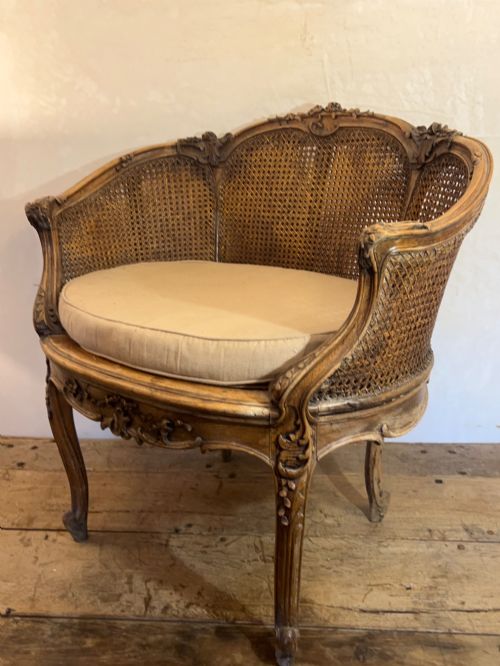
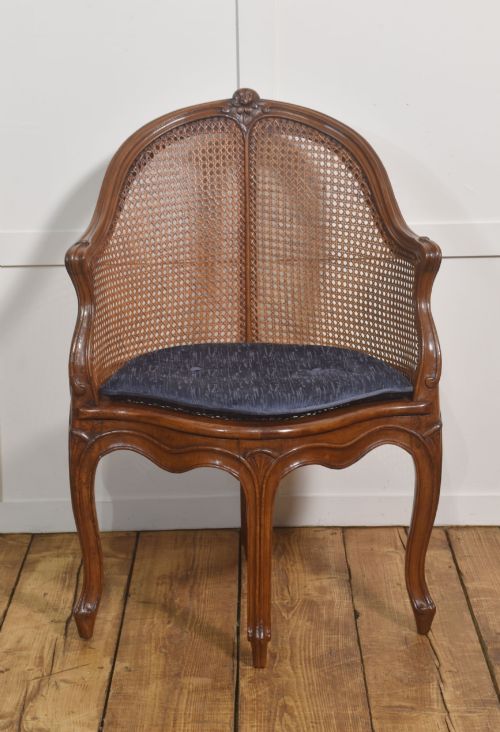
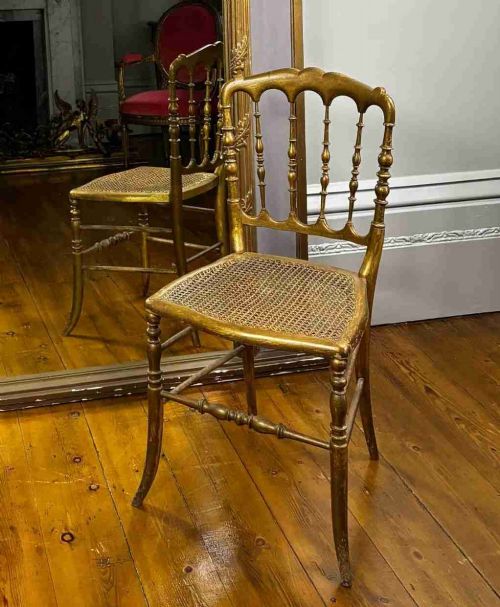
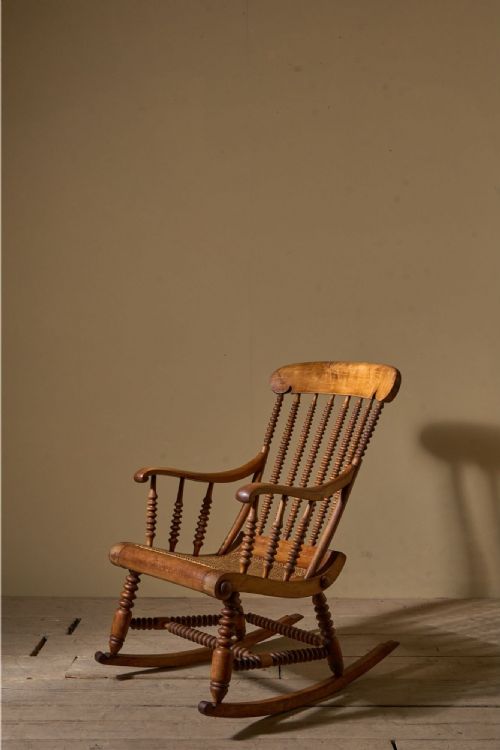
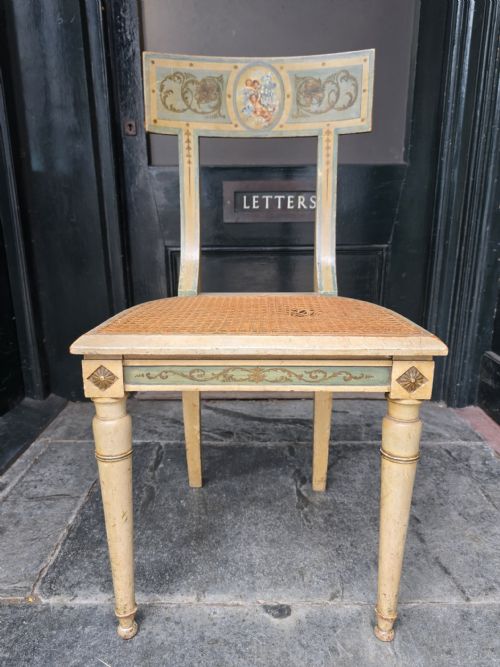
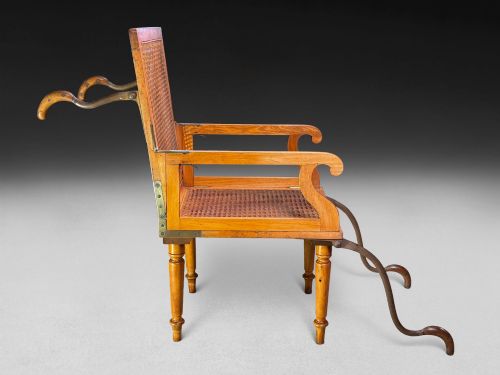
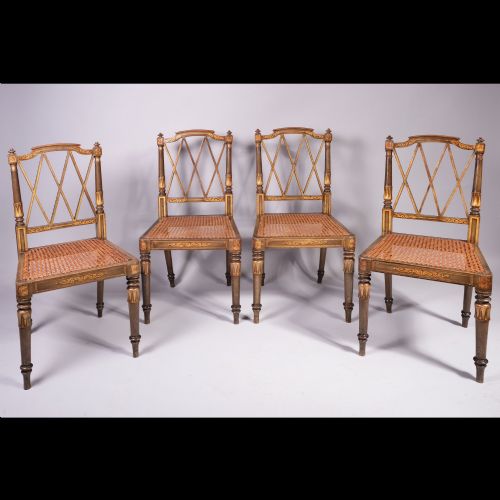
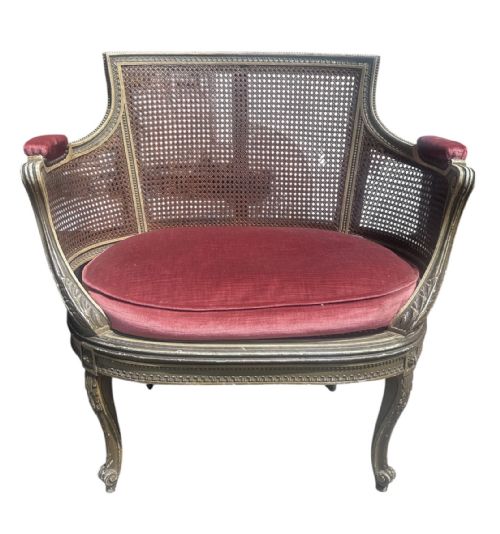
When searching for 19th century cane chairs, buyers encounter a diverse selection of seating ranging from compact salon pieces to substantial library armchairs. The pieces appearing in this collection span several distinct periods, most notably the Regency and Victorian eras, alongside French stylistic revivals. Forms vary considerably, encompassing dining chairs, rocking chairs, high chairs, and occasional bedroom chairs.
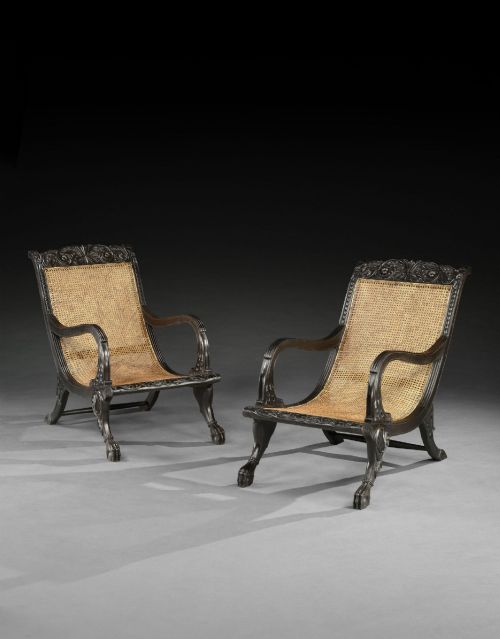
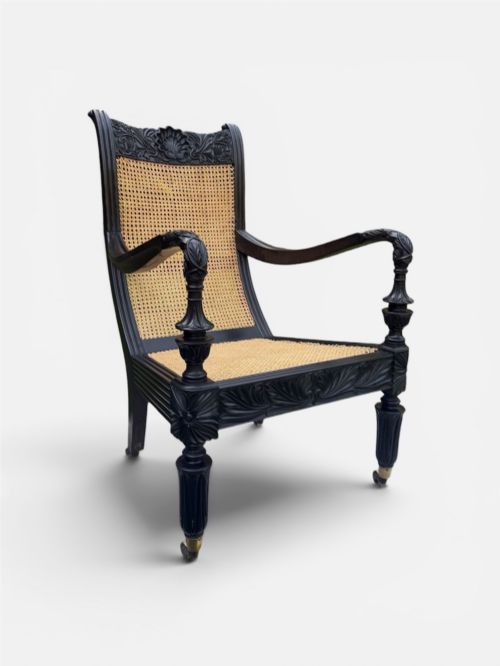
Armchairs and side chairs dominate the selection, frequently showcasing regional craftsmanship such as Anglo-Indian or Ceylonese production alongside domestic English and French manufacturing. Regional variations bring distinct timbers and carving styles into the category, expanding the choices beyond standard parlour furniture. Buyers routinely find single chairs as well as matched sets intended for formal dining or drawing room use.
Materials and construction
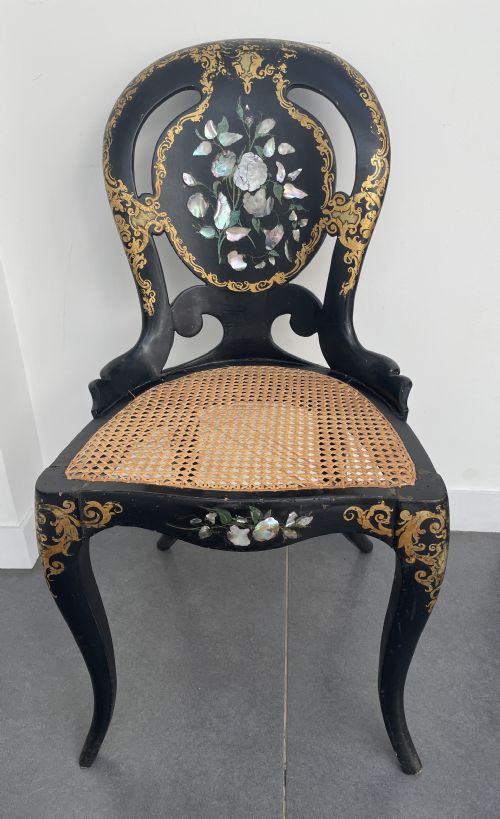
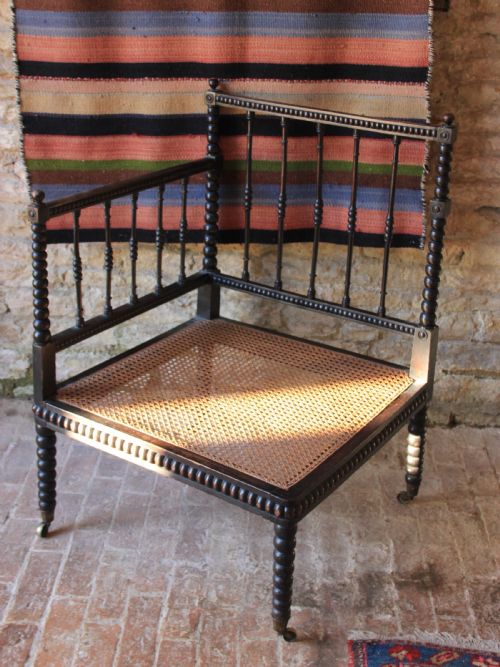
Makers constructed the frames of these chairs from a variety of hardwoods and exotic timbers including mahogany, walnut, rosewood, satinwood, and padouk, alongside painted or ebonised softwoods. Caning was woven by hand through pre-drilled holes bordering the seat frame, creating a flexible, breathable mesh surface capable of supporting weight without rigid upholstery. Alternative decorative treatments involve brass inlays, parcel gilding, mother-of-pearl accents, and elaborate turned woodwork such as bobbin moulding.
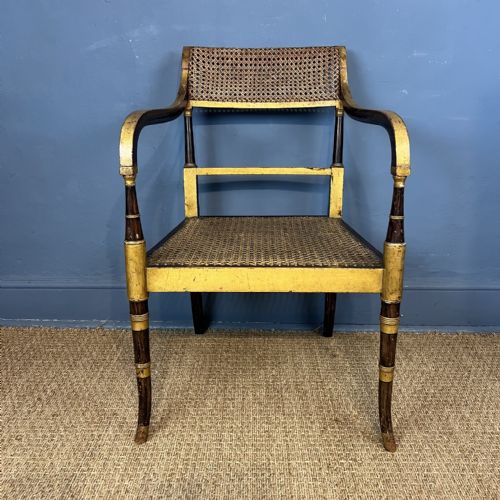
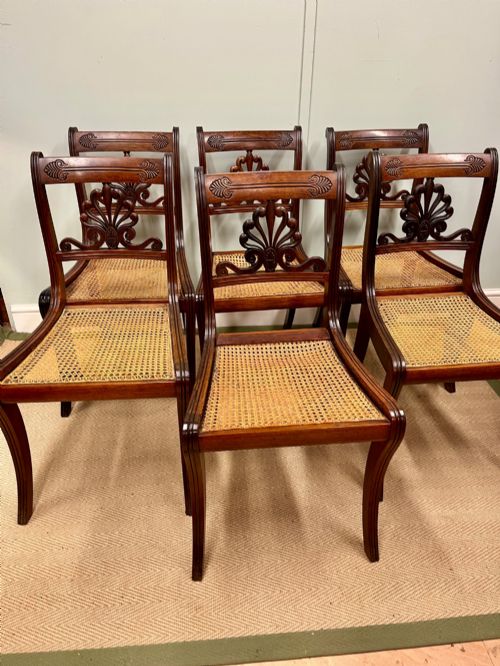
The integration of woven cane with solid timber frames required precise joinery to ensure the structural tension of the mesh did not warp the wood over decades of use. Workshops utilised specialised turning lathes for components like bamboo-effect turnings or sabre legs, while other pieces feature deep hand-carved ornamentation. Painted surfaces and faux finishes, such as simulated rosewood, demonstrate how makers sought alternative visual effects using more accessible base woods.
Musicians once required specialised parlour chairs designed with asymmetrical configurations to accommodate bulky nineteenth-century instruments.
Distinguishing quality
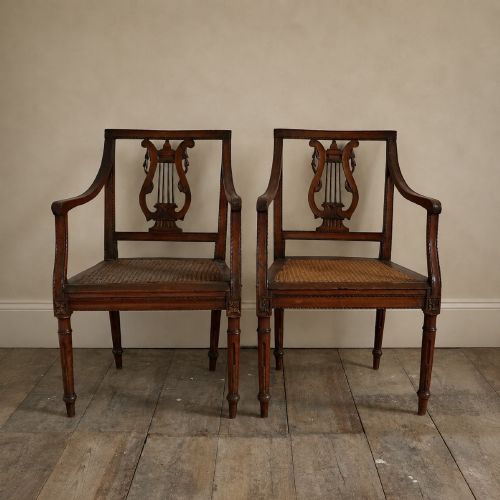
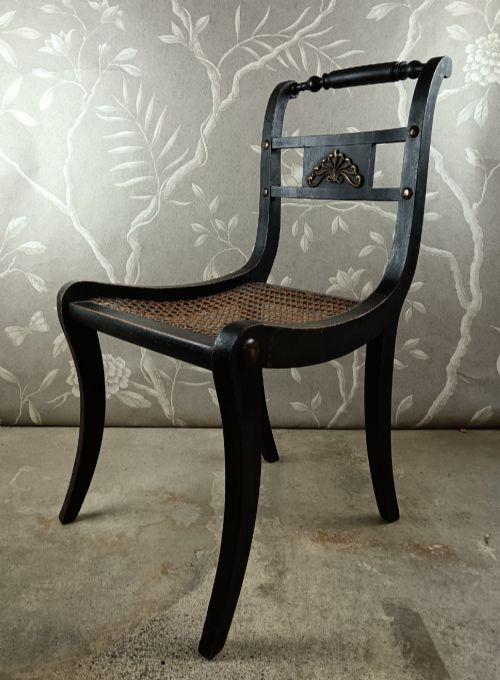
The caliber of these pieces rests primarily on the integrity of the timber framing, the precision of the hand-woven cane work, and the sophistication of any carved or gilded ornamentation. Master workshops employed dense, costly timbers like solid ebony or finely figured rosewood, whereas simpler utilitarian items utilised beech or mixed hardwoods with applied paint finishes. The crispness of carved details - such as the execution of lyre backs, sabre legs, or intricate regional foliage - separates standard production from exceptional library and salon seating.
Proportion and execution distinguish regional and period attribution, with pieces attributed to prominent makers exhibiting superior joinery and balanced design. The retention of original decorative elements, such as parcel gilding, brass mounts, or early painted surfaces, elevates the standing of a piece within the category. Conversely, replacement framework or poorly executed subsequent caning alters the visual and structural harmony established by the original maker.
Gillows
The 19th Century Cane Chairs Glossary
- Cane
- Woven material manufactured from the outer peel of rattan palms, utilised historically for flexible, resilient chair seats and backs. This light mesh distributes weight evenly across the frame.
- Bergere
- An enclosed upholstered or caned armchair featuring solid sides and a low seat, originating in France during the eighteenth century and revived throughout the nineteenth. These chairs often incorporate cane panels along both the back and the armrests.
- Ebonised
- Timber treated with a dark stain or finish to imitate expensive ebony wood. This technique gained significant popularity during the nineteenth century for formal dining and drawing room seating.
- Sabre leg
- A concave, outwardly curving chair leg tapering toward the foot, characteristic of the Regency period. This profile draws direct inspiration from ancient Greek klismos furniture.
- Padouk
- A heavy, durable tropical hardwood displaying a reddish-brown hue, frequently encountered in Anglo-Indian furniture production. Cabinetmakers valued this timber for its resistance to environmental shifts and detailed carving capabilities.
19th Century Cane Chairs: Frequently Asked Questions
How do I care for antique cane?
Antique cane requires gentle cleaning with a damp cloth and occasional light conditioning to prevent the natural rattan fibres from drying out and becoming brittle. Keeping these chairs away from direct heat sources and harsh sunlight preserves the moisture balance within the woven material.
Weight distribution matters greatly with vintage woven seating, so avoiding kneeling or placing concentrated pressure on the mesh prevents premature snapping. Using custom squab cushions distributes weight more evenly and protects the historic weave from daily friction.
Are these chairs suitable for daily dining?
Many nineteenth century cane chairs were constructed specifically for dining rooms or libraries and remain fully capable of regular daily use. Robust frames made from solid mahogany or rosewood offer the structural strength required for routine seating.
Delighter salon chairs, giltwood pieces, or delicate bedroom variants suit lighter occasional use rather than heavy family dining. Assessing the underlying frame stability and the tightness of the cane mesh helps determine the appropriate setting for each individual piece.
How can I tell a Regency chair apart from a Victorian one?
Regency pieces often display classical influences with clean lines, sabre legs, simulated rosewood finishes, and parcel gilding reminiscent of ancient Greek and Roman designs. These chairs generally emphasise architectural restraint and linear harmony in their framing.
Victorian examples frequently introduce heavier carving, richer upholstery integration, darker ebonised surfaces, or eclectic revival styles like Jacobean and Louis XV influences. The turnings tend to be more complex, and decorative flourishes such as mother-of-pearl inlay or elaborate bobbin work become prominent.
What is an Anglo-Indian cane chair?
Anglo-Indian chairs represent furniture produced in the Indian subcontinent during the nineteenth century, combining European Regency or Victorian forms with local craftsmanship. These pieces frequently utilise dense regional timbers such as padouk and solid ebony.
The carving on these chairs is often exceptionally deep and intricate, reflecting traditional local woodcarving skills applied to Western chair patterns. They offer a distinct aesthetic that bridges British interior tastes with tropical manufacturing traditions.