

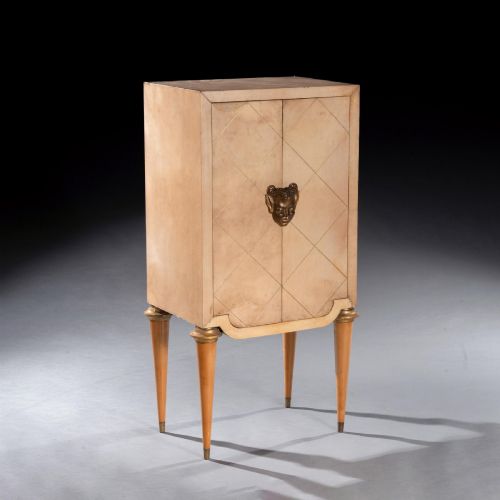
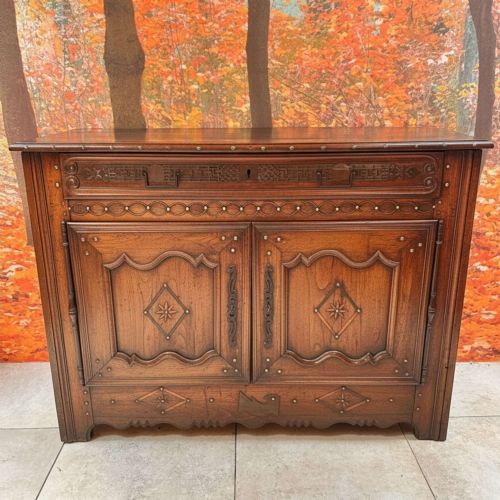
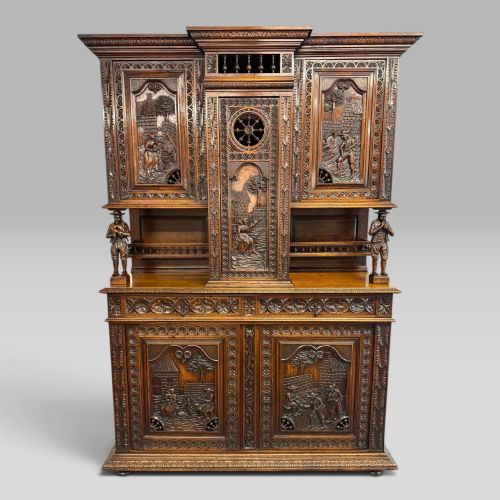
Antique French Storage Cabinet
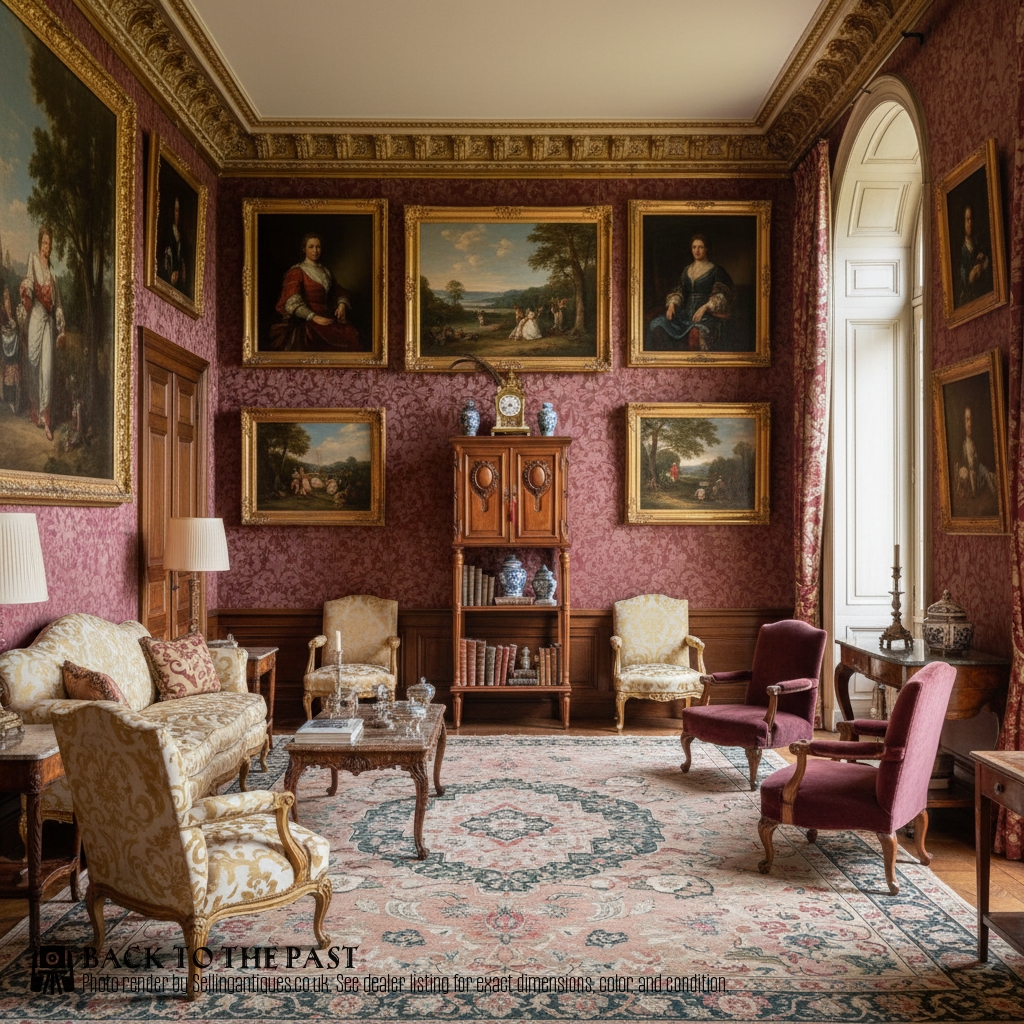
An antique french storage cabinet brings practical continental utility and decorative grace to a room.
Antique French Storage Cabinet
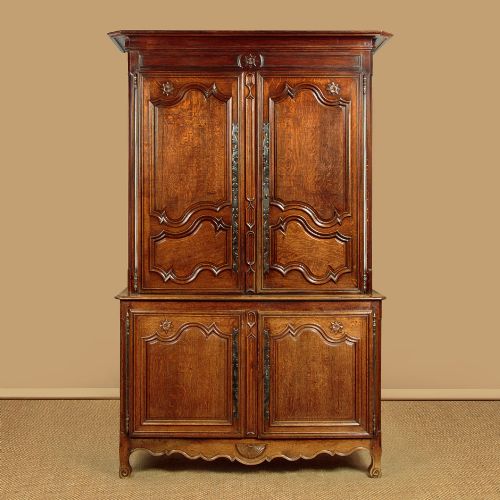
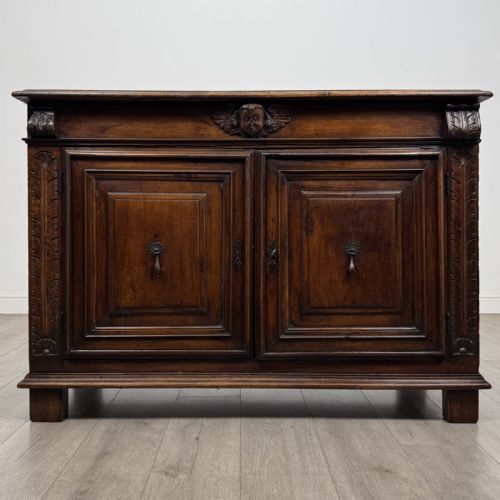
An antique french storage cabinet encompasses a wide variety of practical timber furniture designed to house household items, clothing, and documents across centuries of continental domestic life.
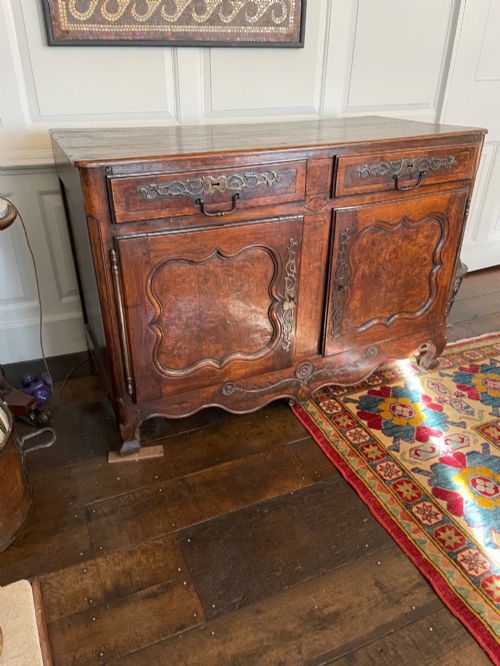
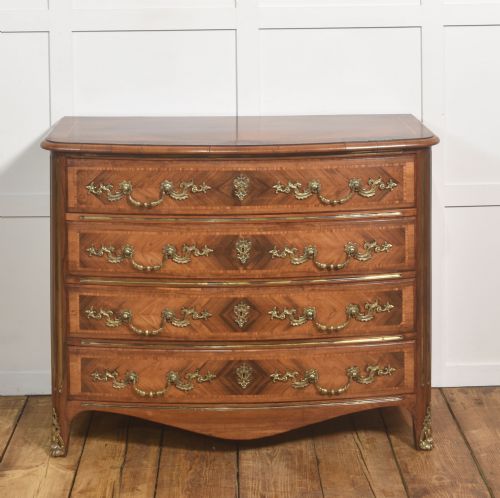
The pieces on this page are most frequently found as commodes, cupboards, armoires, and side cabinets originating from provincial workshops and urban cabinet makers alike.
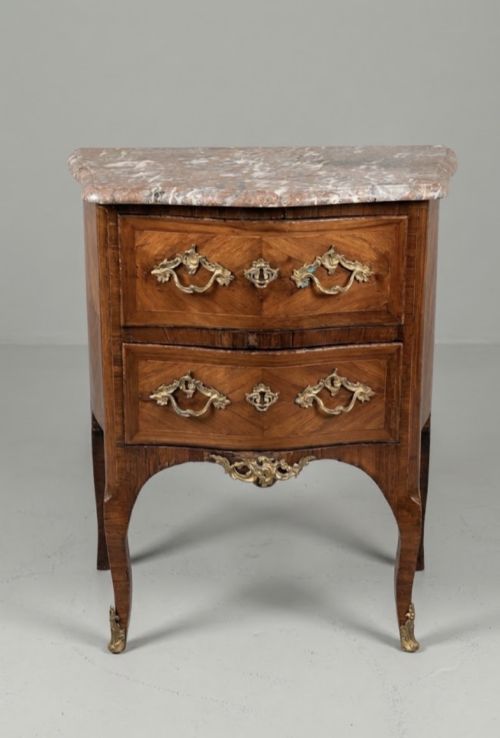
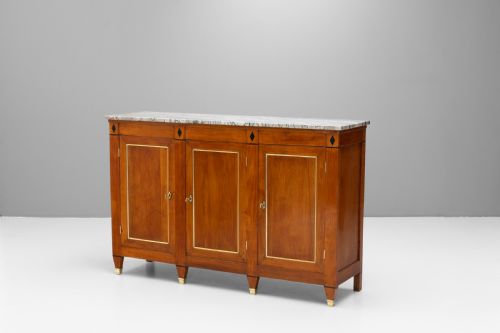
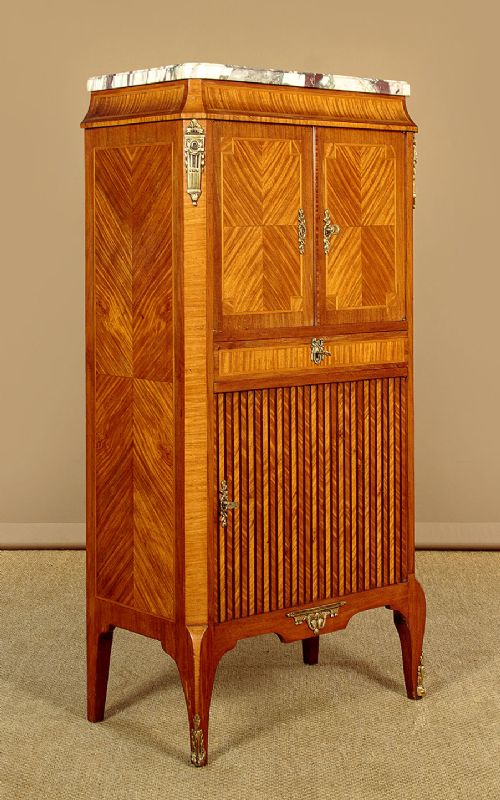
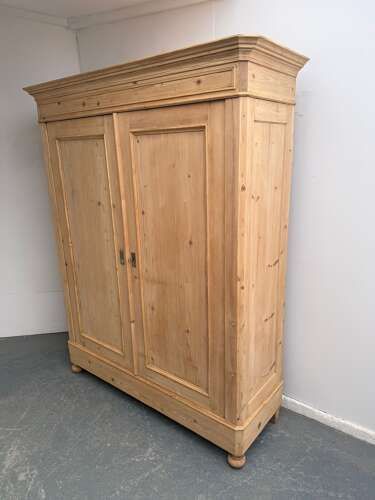
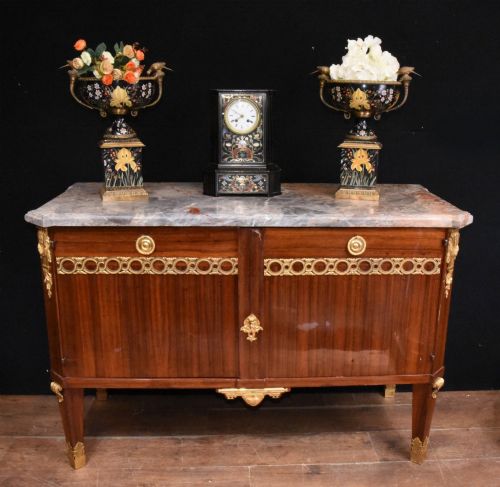
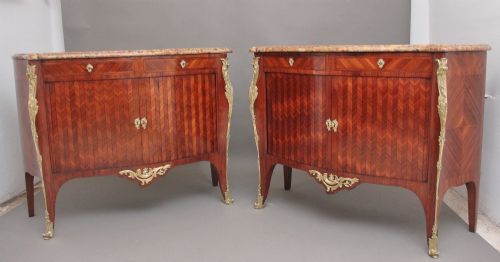
Makers utilised native and exotic timbers to construct everything from simple pine housekeeper cupboards to elaborate marquetry serpentine chests fitted with marble surfaces.
How they were made
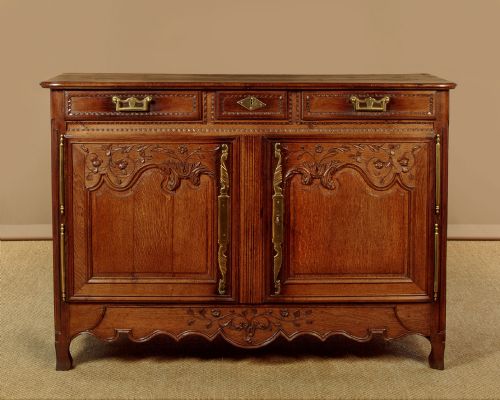
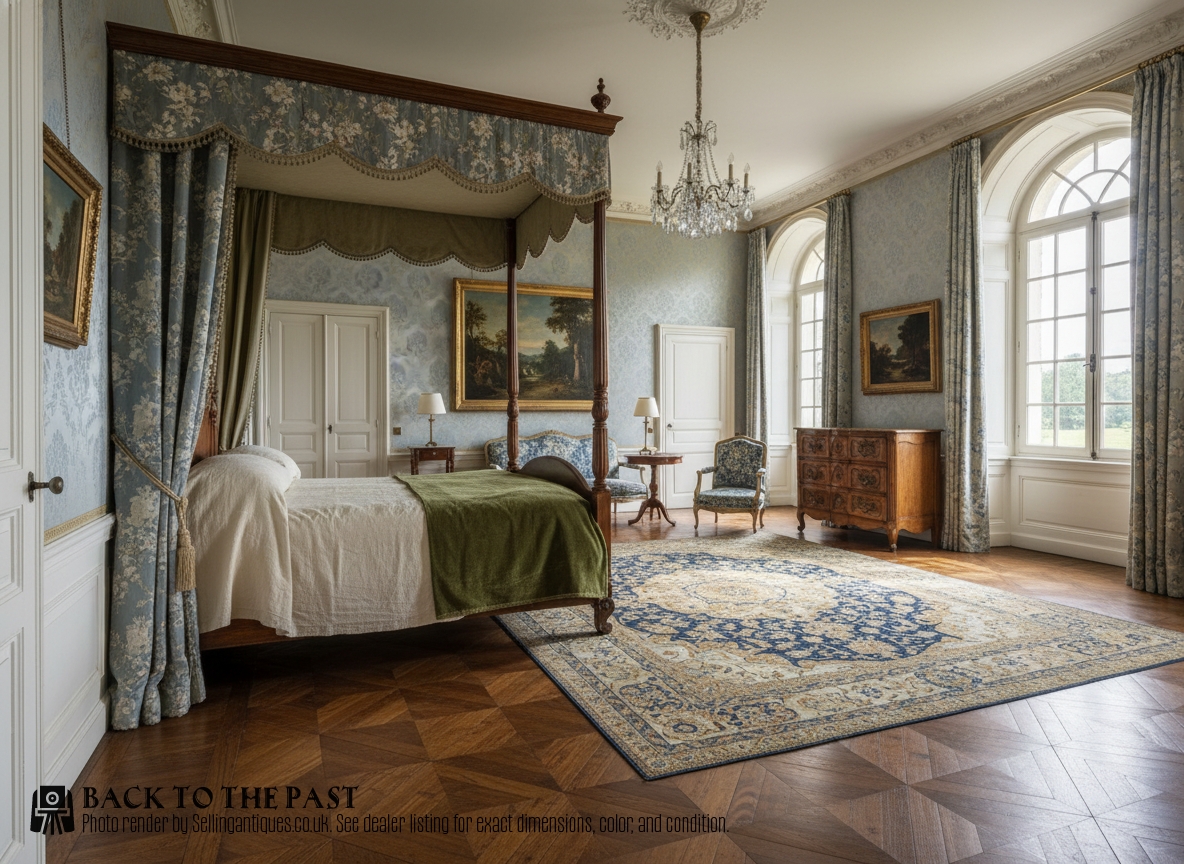
Cabinet makers constructed the primary carcases of solid oak, walnut, pine, cherrywood, and mahogany, often employing dovetailed joints and panelled doors to ensure structural stability.
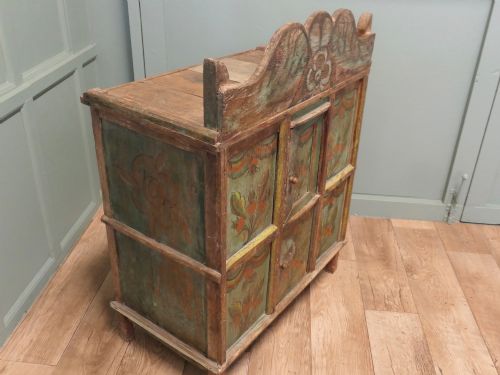
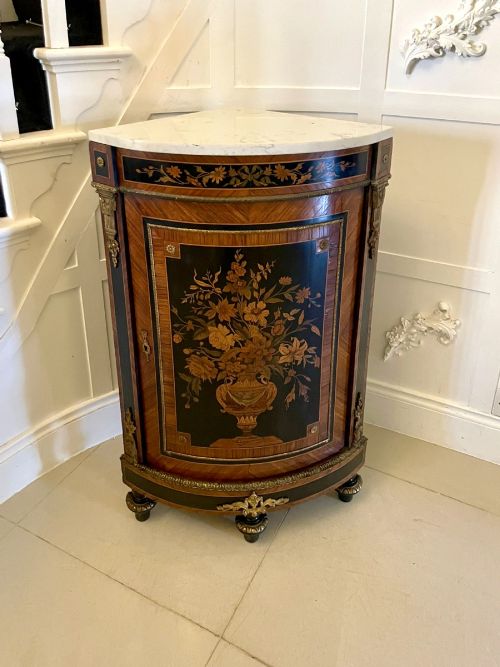
Surface decoration frequently involved intricate floral marquetry, painted finishes, and polished veneers, complemented by cast brass and ormolu mounts on finer examples.
Antique French Storage Cabinet Retail Price Guide 2026
Typical asking prices for french storage cabinet among the pieces listed under this phrase on Sellingantiques today, from the lower quarter to the upper quarter. They describe what is for sale here now, not the wider market.
Materials recorded across the inventory include walnut, oak, pine, mahogany, cherrywood, marble, brass, and cast-iron.
What varies in quality
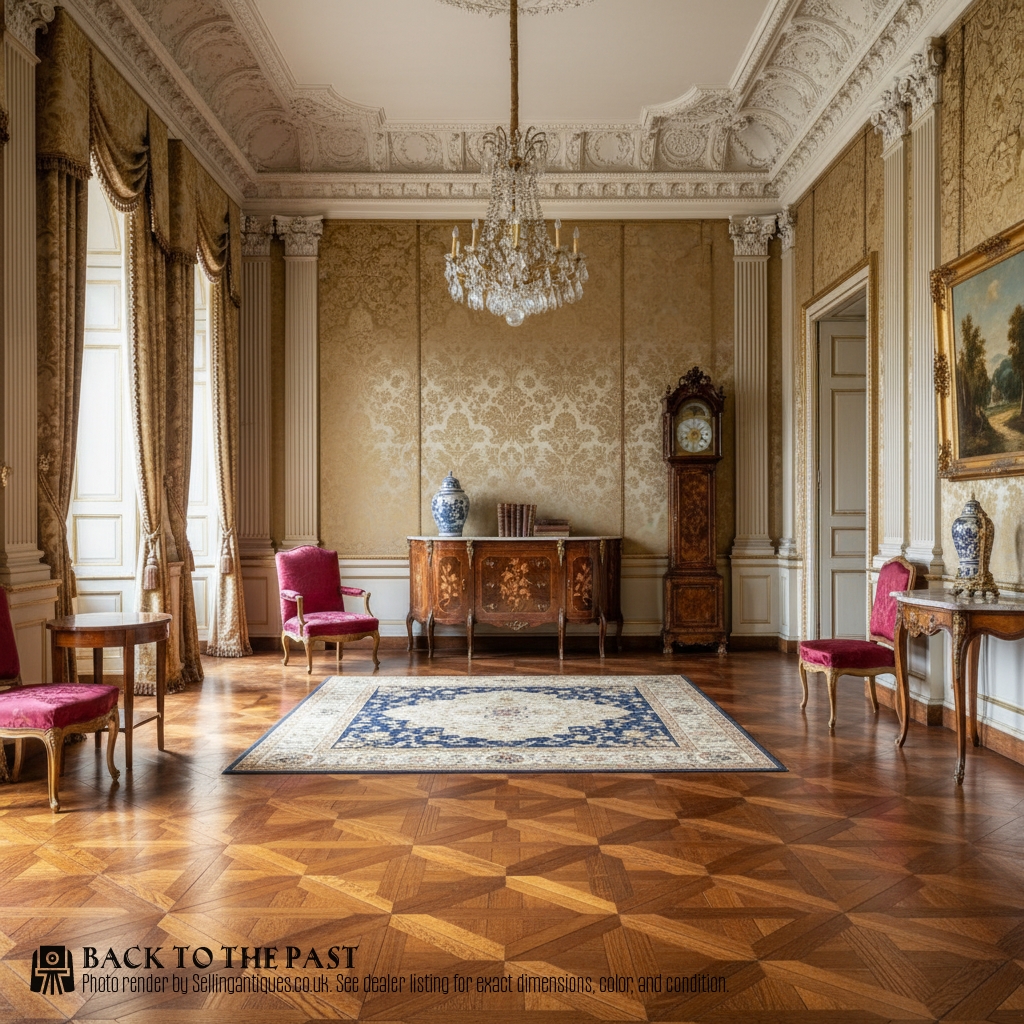
The standard of timber selection and the precision of the joinery set finer commissions apart from utilitarian country pieces, particularly in the handling of curved serpentine fronts and tambour mechanisms.
The refinement of decorative elements such as hand-carved details, marquetry patterns, and the weight of cast ormolu mounts signal the original tier of production.
Maison Gagneau·Galle
The Antique French Storage Cabinet Glossary
- Commode
- A low chest of drawers or cabinet, often fitted with a marble top and associated with French domestic interiors of the eighteenth and nineteenth centuries.
- Enfilade
- A long sideboard or buffet designed for formal dining rooms, featuring multiple doors for extensive storage.
- Marquetry
- The art of applying decorative veneer pieces in wood and other materials to form intricate patterns and pictures on a carcase.
- Ormolu
- Gilded bronze mounts and decorative trimmings applied to the corners, feet, and aprons of high-status cabinets.
- Tambour
- A flexible sliding shutter formed from narrow vertical strips of wood glued to a canvas backing, allowing access to narrow filing or drinks cabinets.
Antique French Storage Cabinet: Frequently Asked Questions
How do I identify a Louis XV style cabinet?
Louis XV style pieces are characterised by sweeping serpentine fronts, cabriole legs, and asymmetrical floral or rocaille carved ornamentation. These cabinets often feature rich walnut or marquetry veneers topped with shaped marble.
They reflect the lighter, more curved aesthetic that succeeded the heavier rectilinear designs of earlier reigns.
Were marble tops original to these cabinets?
Marble tops were commonly specified for commodes, bedside tables, and corner cabinets to provide a durable and luxurious working surface. They are typically fitted directly to the timber carcase with simple rebate joints.
Grey, white, and rouge marble slabs are frequently encountered on nineteenth-century French pieces.
What is a confiturier?
A confiturier, or jam cupboard, is a small provincial French storage cabinet traditionally used to store jars of fruit preserves and household provisions. They usually feature a single door enclosing internal shelves.
These compact cupboards are typically rendered in painted pine or regional fruitwoods.
How do I care for antique French wood finishes?
Maintain polished timber surfaces by applying natural beeswax sparingly and buffing with a soft cloth to nourish the grain. Avoid placing cabinets near direct heat sources or strong sunlight to prevent veneer lifting and timber shrinkage.
Marble tops require simple wiping with a damp cloth and neutral soap to avoid staining from acidic liquids.