

Antique French Screen
When you search for an antique french screen, you enter a diverse category ranging from small hearth guards to large folding room dividers.
Antique French Screen
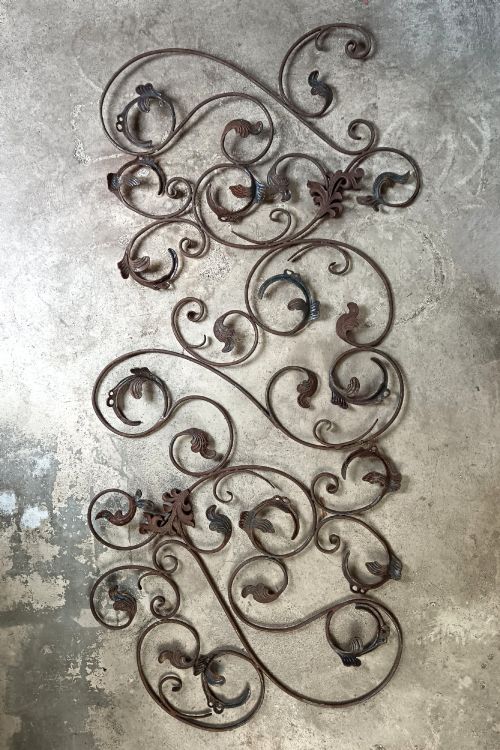
The term antique french screen covers a broad family of objects spanning fire screens, multi-fold room dividers, vanity panels, and architectural architectural elements. The listings include low brass hearth guards and tall folding timber frames intended to divide interior spaces.
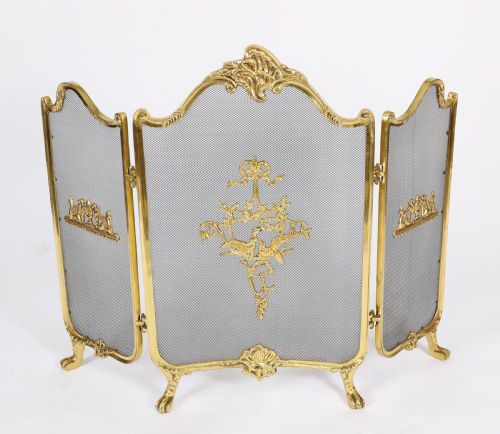
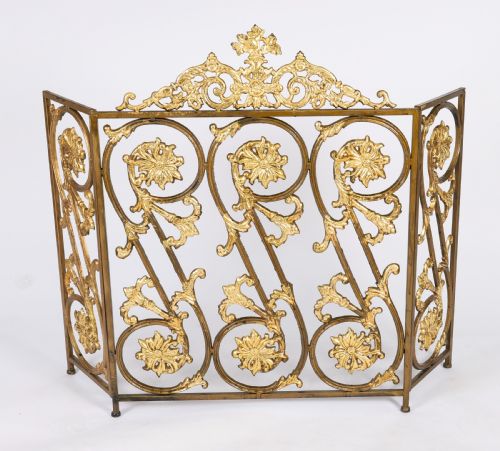
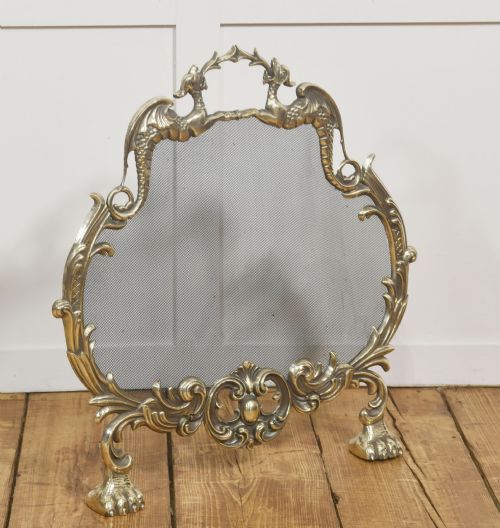
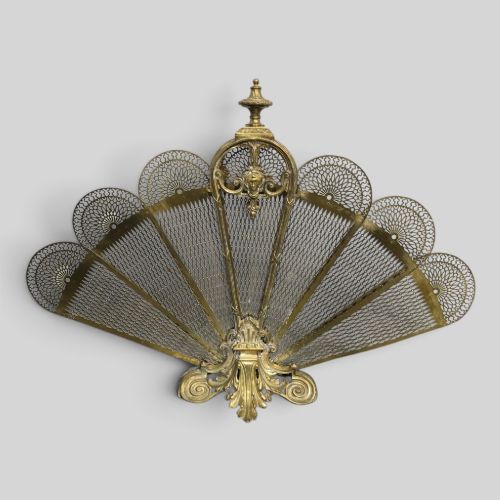
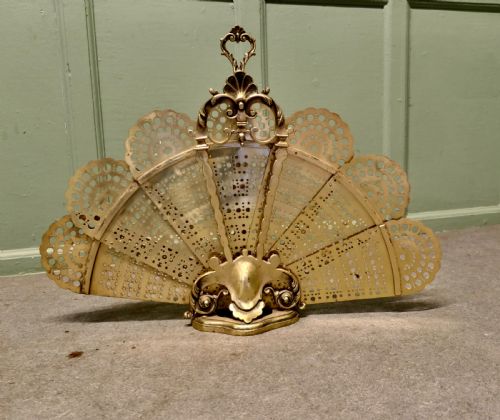
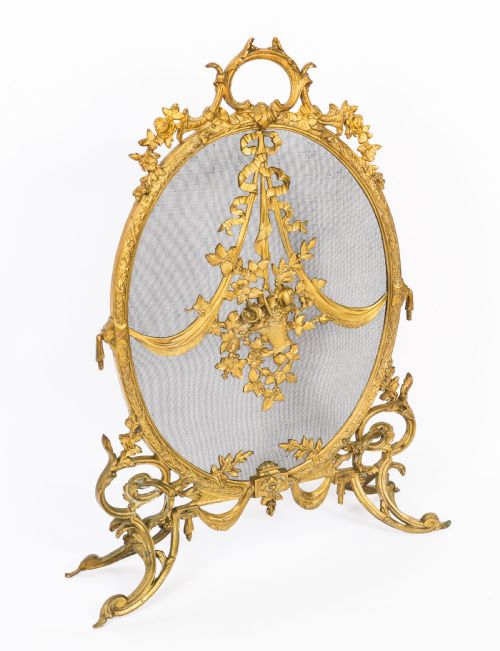
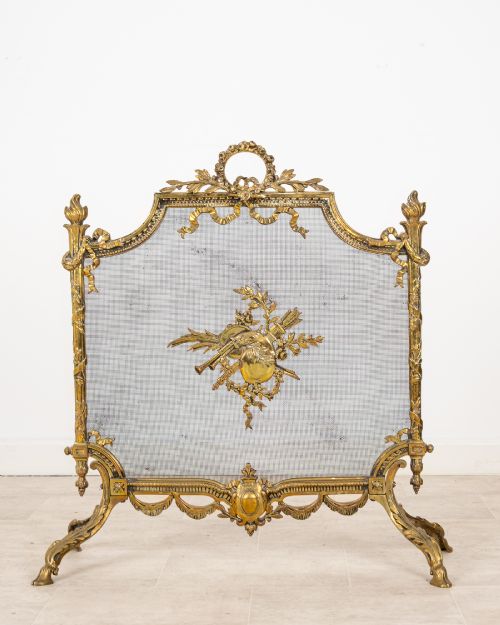
Fire screens appear frequently, taking the form of solid metal panels, folding brass peacock fans, or wire mesh guards designed to manage hearth sparks. These functional items often display elaborate metalwork matching the prominent design revivals of the nineteenth century.
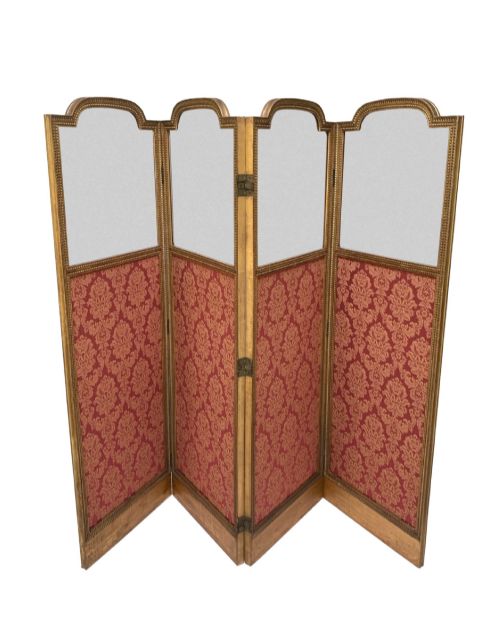
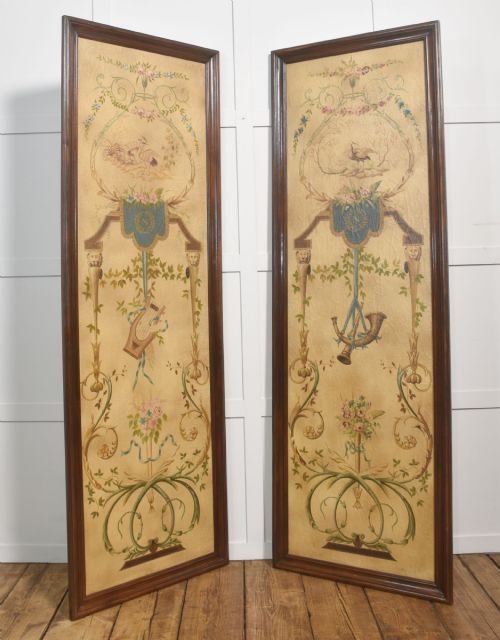
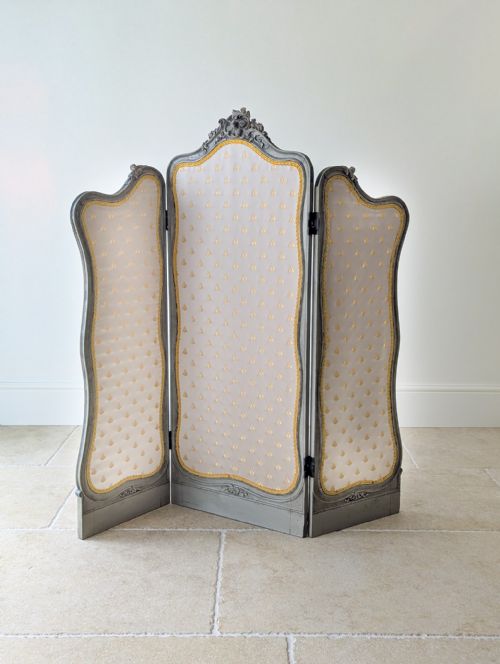
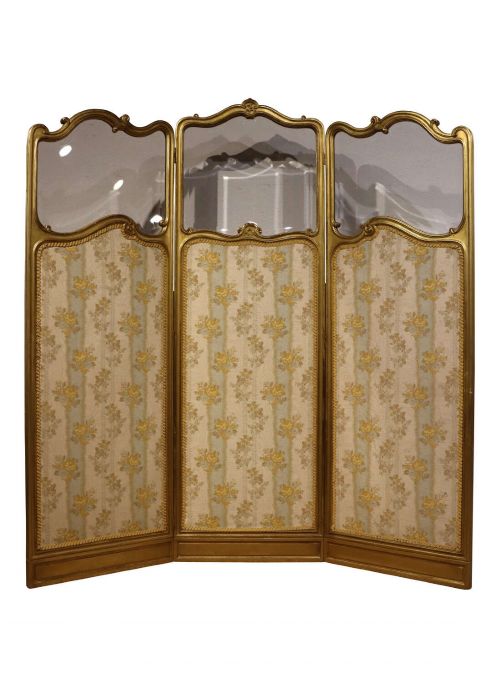
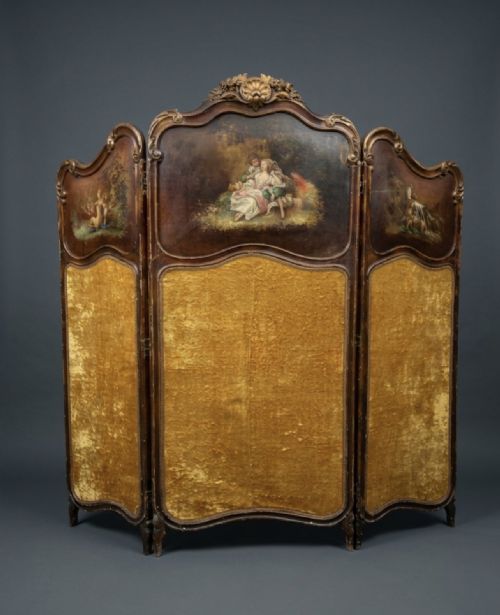
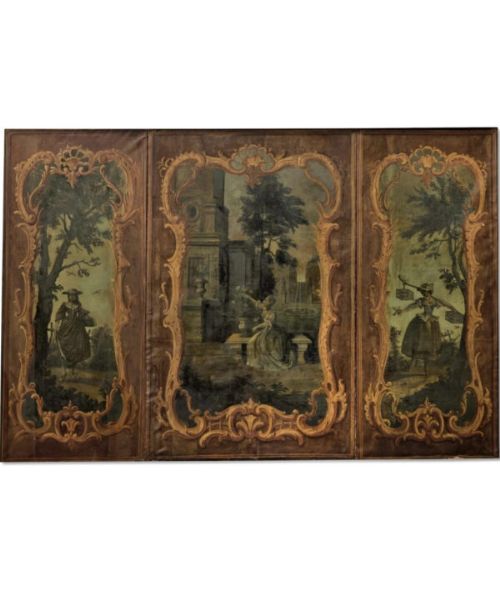
Multi-fold room dividers provide another major category, utilising wooden frames of walnut or giltwood combined with painted panels, canvas, leather, or glass. These larger furnishings partition rooms while introducing classical ornamentation and pastoral scenes to an interior.
Materials and construction
Cast and pierced brass, gilt bronze, and ormolu form the primary metallic elements of many fire screens, offering durable frames for intricate scrollwork and flaming torch motifs. Smiths shaped and polished these metals to catch hearth light, frequently incorporating wire mesh or pivoting fan blades.
Timber frames utilise walnut, mahogany, and carved giltwood to support multi-fold panels and dressing screens. Joiners constructed these folding structures to hold integrated canvas, leather, bevelled glass, or hand-painted panels depicting floral arrangements and pastoral scenes.
Listings demonstrate that nineteenth-century French screens frequently utilise brass, gilt bronze, and carved giltwood across Rococo Revival and Louis XVI styles.
Quality variations
The distinction between standard utility items and high-end examples rests upon the depth of hand-carving and the precision of metal casting. Finer pieces feature heavily chased ormolu mounts, deeply carved giltwood frames, and individually painted artistic panels rather than printed textiles.
Structural complexity also dictates execution quality, separating simple single-panel frames from elaborate triple-fold or four-fold room dividers with integrated bevelled glass and silk inserts. Maker attribution, seen in documented pieces by skilled creators, further elevates the tier of an individual screen.
Paul Sormani·Jean Corot·Raymond Subes
The Antique French Screen Glossary
- Ormolu
- Gilded bronze or brass applied to furniture and decorative hardware. This technique provides a rich metallic finish characteristic of revivalist decorative arts.
- Peacock fan
- A folding hearth screen composed of pivoting metal blades that spread outward. This design expands to block heat and collapses when the fire dims.
- Giltwood
- Timber coated with a thin layer of gold leaf or gesso. It appears widely on nineteenth-century frames and decorative mouldings.
- Modesty screen
- A small decorative panel historically used to shield individuals from intense fireplace heat. These items often feature painted scenes or needlepoint inserts.
- Triptych
- A three-panel artwork or folding screen configured with a central section flanked by two wings. This format frequently displays oil paintings or integrated canvas panels.
Antique French Screen: Frequently Asked Questions
How were fire screens used?
Fire screens served primarily to shield individuals sitting near a hearth from the intense radiant heat of an open fire. They also acted as a functional barrier against stray sparks and flying embers.
During warmer months when fireplaces remained unlit, decorative screens filled the empty hearth opening to provide visual interest in the room.
What is the difference between a fire screen and a room divider?
Fire screens are typically smaller, single-panel guards or folding fans designed specifically for placement directly in front of a fireplace hearth. They utilise heat-resistant materials like brass, copper, and iron.
Room dividers are much taller multi-fold structures built from wood frames and filled with canvas, leather, glass, or painted panels to partition larger spaces.
How do I date an antique screen?
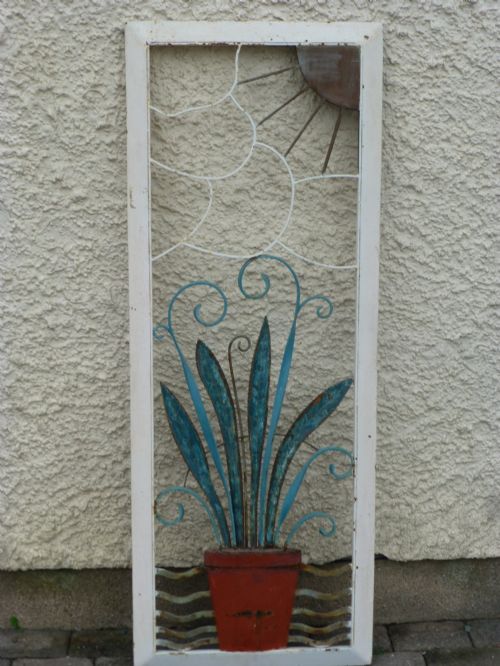
Dating relies on identifying period design styles such as Rococo Revival, Louis XVI, Empire, Art Nouveau, and Art Deco within the decorative motifs. Material choices and construction methods also indicate the manufacturing era, ranging from mid-nineteenth-century gilt bronze to early twentieth-century reclaimed iron.
Specific hardware types, joinery techniques, and painted subject matter further help narrow down the approximate decade of production.
How do I care for antique painted panels?
Painted screens require protection from direct sunlight to prevent fading of the pigments on canvas, leather, or wood. Dust the surfaces gently with a soft, dry cloth without applying chemical cleaning agents.
Maintain stable indoor humidity levels to keep wooden frames from warping and to prevent delicate paint layers from cracking or flaking over time.