







Vintage Room Divider
A vintage room divider creates privacy and divides large spaces using traditional folding panels.
Vintage Room Divider
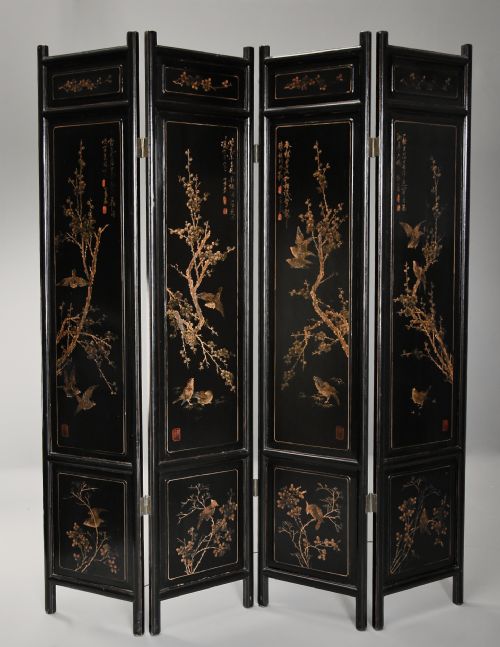
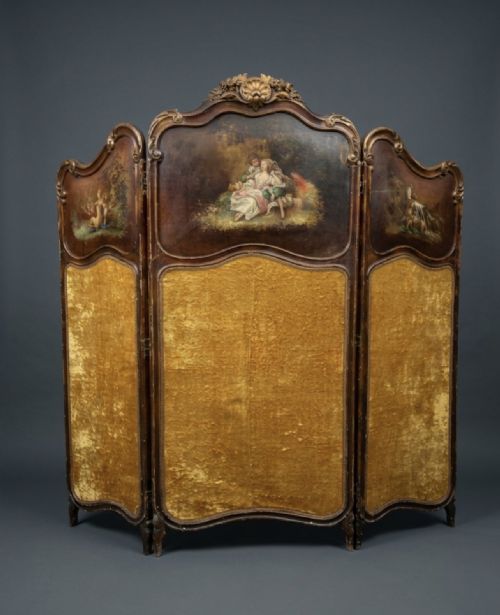
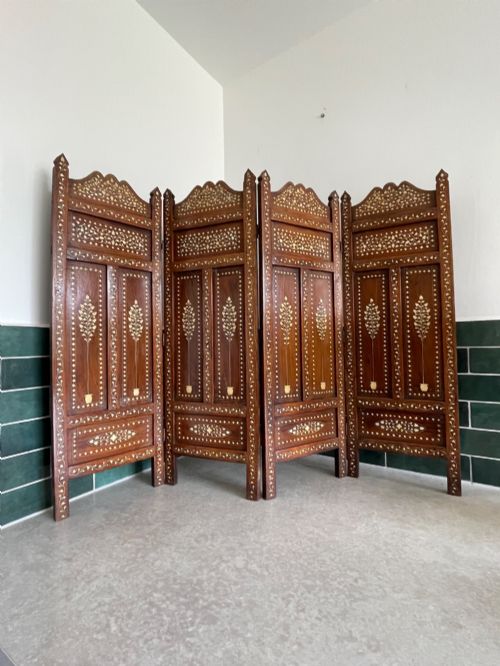
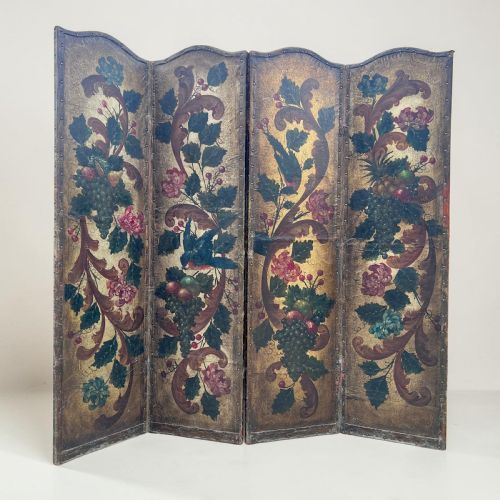
A vintage room divider serves to partition open interior spaces and shape distinct zones within a room. Buyers search for these pieces to introduce architectural interest or privacy without permanent building work.
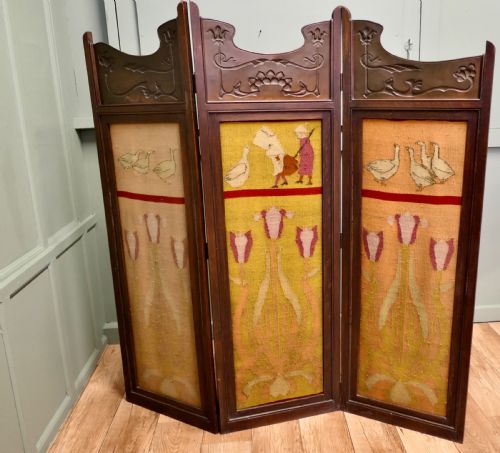
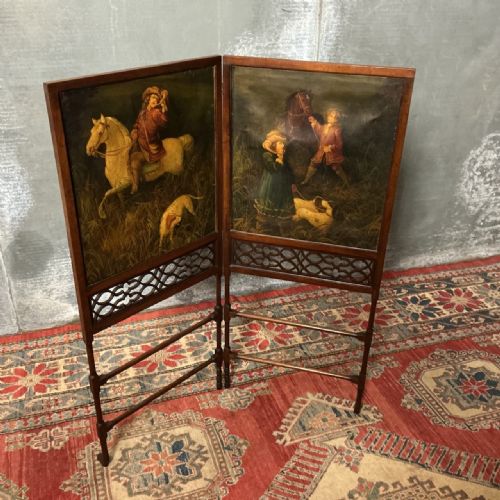
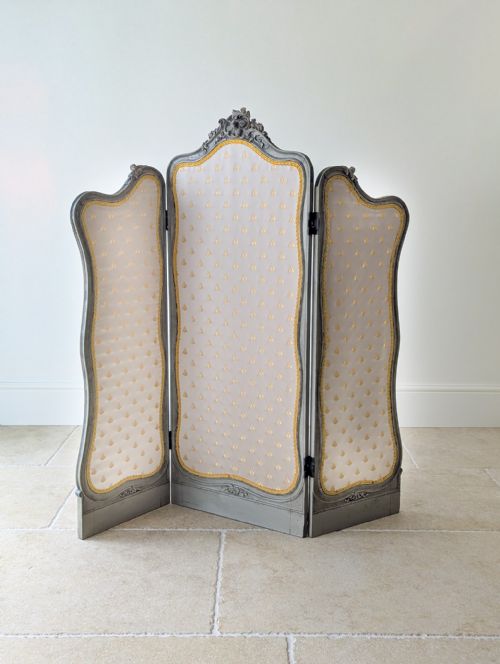
The selections encountered here typically take the form of multi-fold folding screens spanning three, four, or more hinged leaves. These examples range from compact table versions to tall privacy screens designed for domestic interiors.
Origins stretch across diverse styles including Chinoiserie, Edwardian inlaid mahogany, Art Nouveau copper and oak, and French painted designs. The inventory reflects periods from the Victorian era through the early twentieth century, alongside earlier centuries.
Evaluating craftsmanship
Quality rests in the integrity of the joinery and the durability of the hinges connecting the folding leaves. Heavier hardwood frames and substantial brass hardware distinguish sturdier builds from lighter decorative pieces.
The refinement of the surface art distinguishes finer examples, whether through detailed hand-painting, intricate wood carving, or well-preserved lacquer work. Original hand-painted leather or silk panels demonstrate superior artistic execution compared to standard printed substitutes.
Proportion and scale dictate utility, where taller and wider multi-panel configurations offer greater structural presence. Complete matching sets and intact original fabric or glass elements elevate the integrity of the piece.
Some Victorian screens feature elaborate scrap work collages, turning discarded paper cut-outs into permanent domestic art.
The Vintage Room Divider Glossary
- Chinoiserie
- European decorative style reflecting Chinese artistic traditions, often featuring lacquered surfaces and gilt motifs.
- Fretwork
- Ornamental perforated or cut-out woodwork patterns, frequently seen in Indian and Asian screens.
- Modesty screen
- A low folding screen originally designed to shield a person from draughts or conceal private dressing activities.
- Hardstone-mounted
- The application of polished stones like jade or quartz onto a lacquered surface to create raised pictorial designs.
- Scrap work
- A Victorian craft technique involving the arrangement and application of paper cut-outs onto a backing surface.
Vintage Room Divider: Frequently Asked Questions
How do I use a room divider in a small flat?
A folding screen creates functional zones within a single open space without blocking light permanently.
Position the panels to shield a bed from view or to form a quiet corner for reading.
Are these screens heavy to move?
Weight depends entirely on the materials used in the frame and panels.
Solid hardwood or lacquered screens with glass are considerably heavier than fabric or light timber versions.
Can I use a screen as a permanent wall?
These pieces function best as movable partitions rather than fixed structural walls.
They stand freely on hinges and fold away easily when you want to open up the room again.
How do I care for antique lacquer panels?
Dust surfaces gently with a soft, dry cloth to prevent scratching the delicate finish.
Keep the panels away from direct sunlight and moisture to protect the paint and lacquer from cracking.