



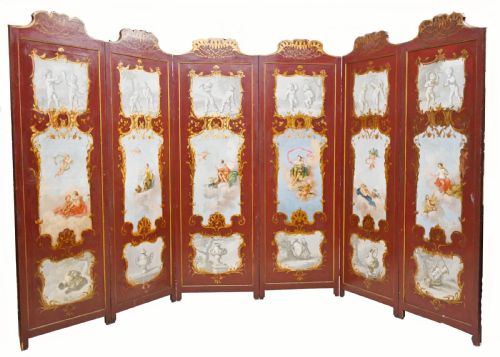

French Style Folding Screen
A french style folding screen offers practical division with decorative flair, bringing classical European elegance into a room.
French Style Folding Screen
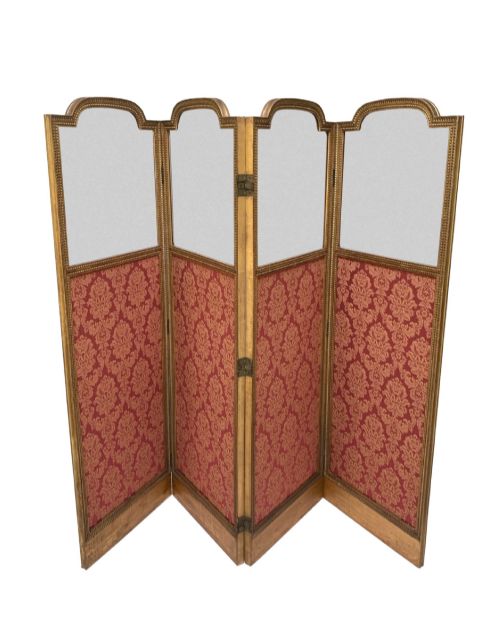
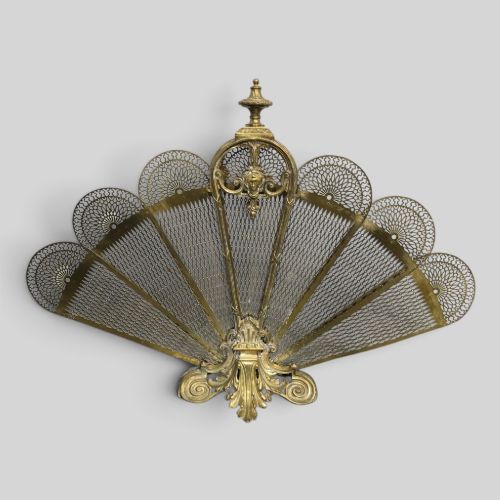
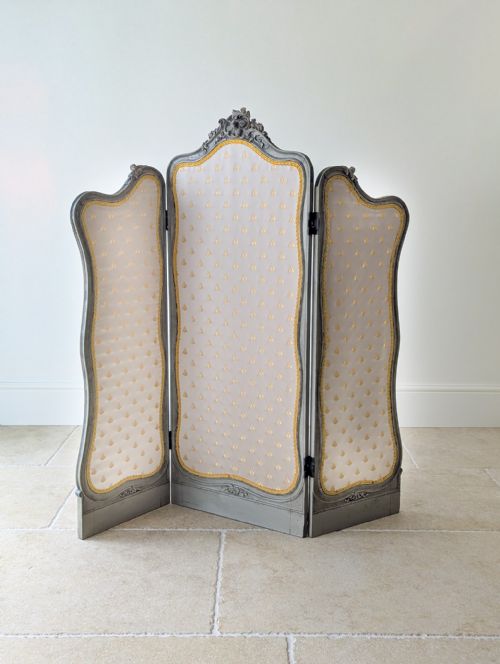
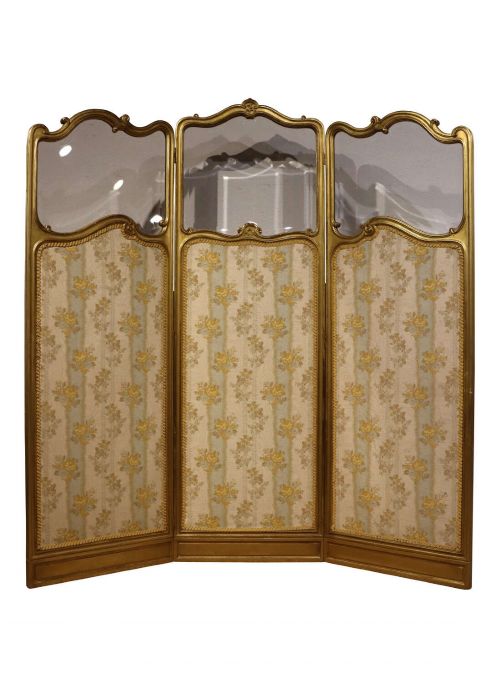
A french style folding screen comprises multiple hinged panels designed to divide a room or adorn a fireplace, appearing primarily in multi-fold configurations. These pieces emerge from periods spanning the mid nineteenth century through the Edwardian era, incorporating historic design revivals.
Buyers encounter freestanding room dividers and smaller fire screens, often configured in three or four folds. The selection showcases ornate frames and decorative panels that serve both functional and aesthetic purposes within domestic interiors.
Originating from continental European traditions, these screens reflect classical styling such as French Rococo Revival, Louis XVI, and Napoleon III aesthetics. Each piece demonstrates the enduring appeal of elaborate woodwork and decorative painted surfaces.
How they were made
Maker workshops utilised solid timbers such as walnut and carved giltwood to construct sturdy multi-fold frames. Artisans applied intricate carving and gilding techniques to achieve the opulent finishes characteristic of French revival furniture.
Panels incorporated diverse materials including painted canvas, fabric, and bevelled glass. Hand-painted pastoral scenes and Chinoiserie motifs decorated the surfaces, requiring skilled brushwork by period artisans.
Peacocks occasionally make an appearance, strutting across decorative fire screens as if supervising the hearth.
What varies in quality
The refinement of the carving distinguishes finer examples, where crisp detail in the giltwood frame reflects superior craftsmanship. Simpler constructions rely on basic painted wood without the depth of traditional relief carving.
Panel inserts dictate much of the visual merit, ranging from plain fabric to elaborate hand-painted pastoral scenes or bevelled glass panes. Intricate artistry and well-preserved textiles elevate a piece above standard utilitarian room dividers.
The French Style Folding Screen Glossary
- Giltwood
- Wood that has been treated with gold leaf or a gold-coloured finish. This technique enhances the decorative appeal of period frames.
- Bevelled glass
- Glass panes with edges cut and polished at an angle. This treatment catches the light and adds a refined decorative touch.
- Chinoiserie
- European artistic interpretation of Chinese and East Asian artistic traditions. It frequently appears on painted room divider panels.
- Fire screen
- A low ornamental screen placed in front of a fireplace when not in use. It protects the room from excess heat and hides the hearth.
French Style Folding Screen: Frequently Asked Questions
What is a french style folding screen?
A french style folding screen is a hinged multi-panel partition designed to divide interior spaces or shield a hearth. These pieces incorporate decorative elements inspired by historical French design traditions.
They function as both movable walls and artistic focal points within a room. The construction typically involves wooden frames supporting painted panels, fabric, or glass.
How were these screens used historically?
Historically, these screens created private areas within large rooms and blocked draughts from doors and windows. Smaller versions served as fire screens to manage hearth heat.
Domestic spaces utilised them to reconfigure room layouts flexibly. Their decorative surfaces also contributed to the overall interior aesthetic.
What materials are typical for these pieces?
Common materials include giltwood, walnut, and painted wood for the structural frames. Panels frequently feature canvas, fabric, or glass.
Artisans embellished these surfaces with hand-painted scenes or gilded details. The combination of wood and delicate panel inserts defines their traditional construction.
How do I care for antique screens?
Care involves dusting wooden frames gently and avoiding direct sunlight to protect painted surfaces and fabrics. Maintaining stable room humidity prevents the wood from warping.
Handling the hinges carefully during repositioning preserves the structural integrity of the folds. Regular gentle maintenance keeps the decorative panels intact.