

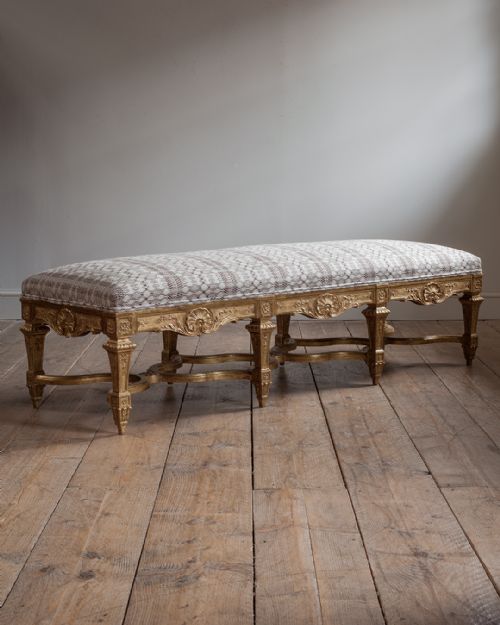
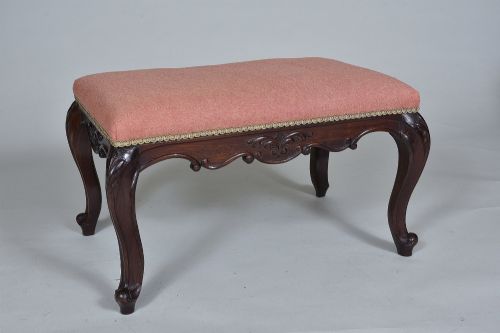
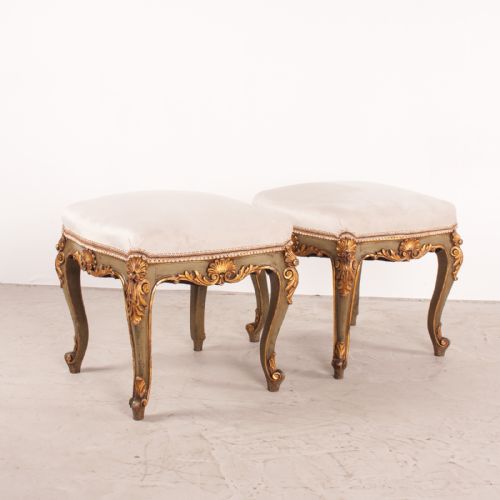
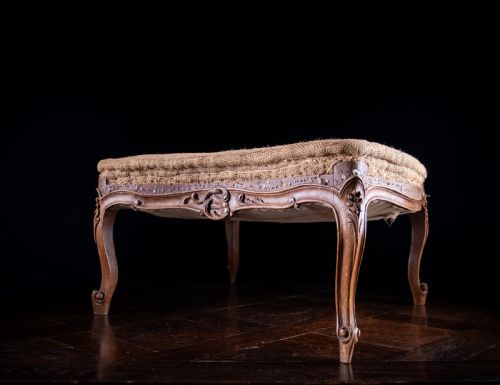
Antique French Ottoman
These antique french ottoman pieces are upholstered seating forms shaped by revival styles and nineteenth-century cabinet work.
Antique French Ottoman
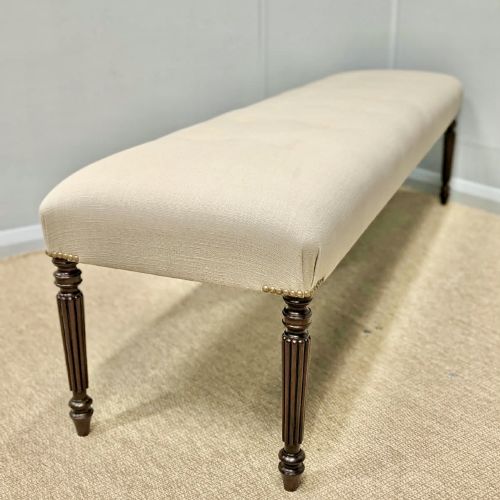
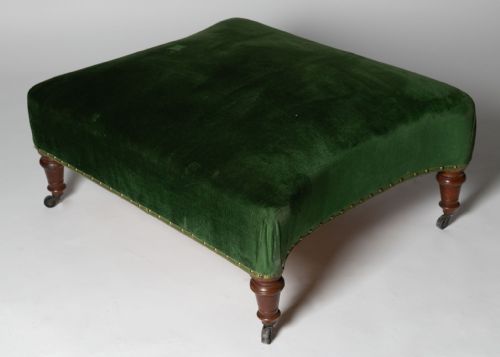
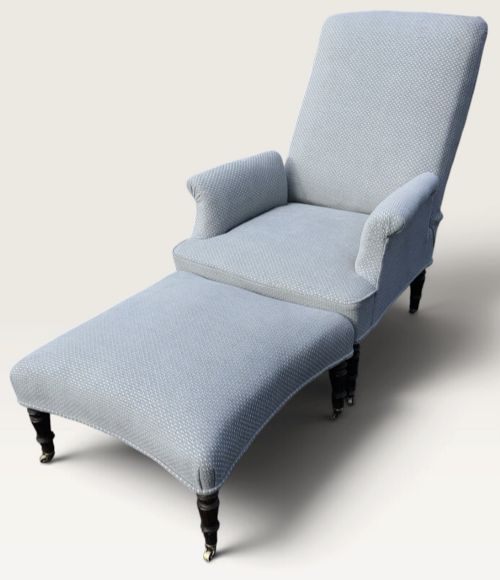
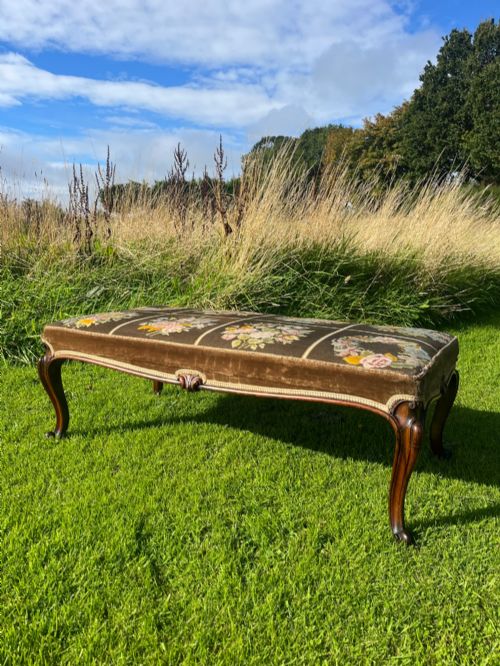
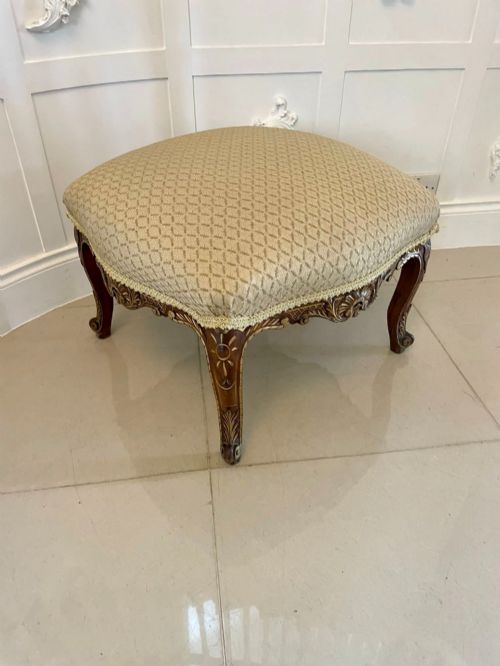
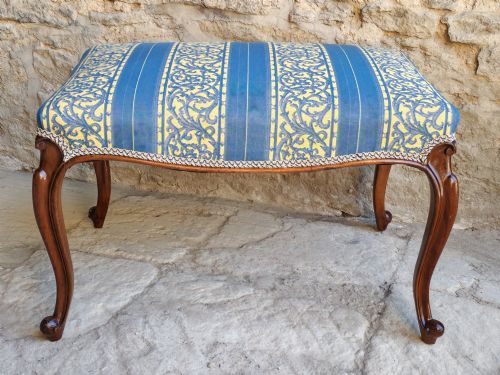
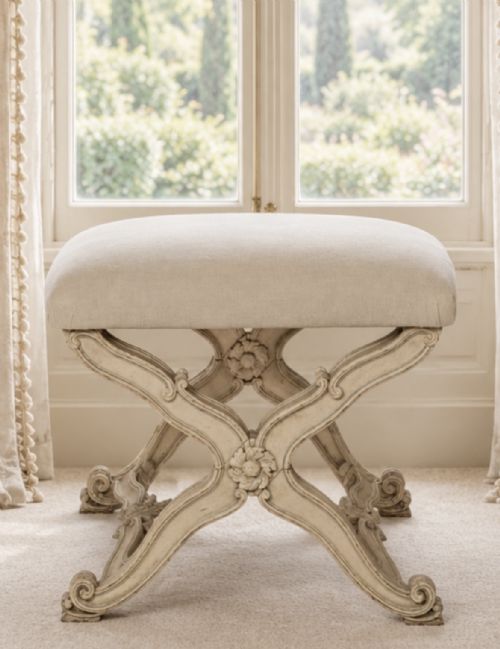
When buyers search for an antique french ottoman, they encounter stools, footstools, window seats, and daybeds spanning the nineteenth century into the early twentieth century. The selection contains pieces rendered in revival forms, notably Louis XV, Louis XIV, Rococo, and Neoclassical styles.
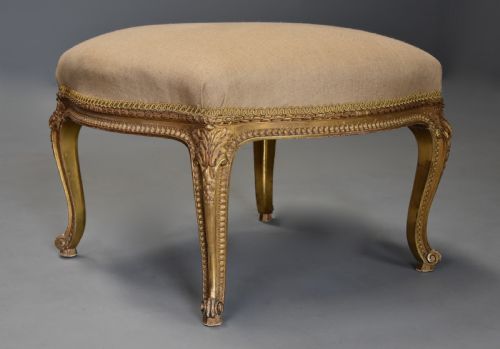
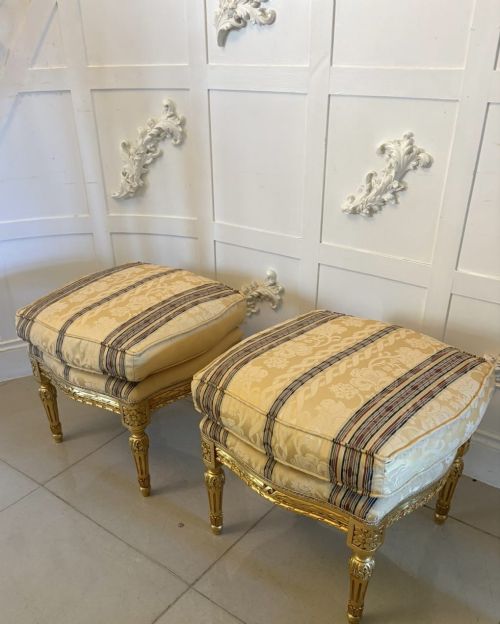
Most examples appearing in this category are stools and footstools framed in walnut, giltwood, mahogany, and painted wood. These seating forms range from small low footstools to large salon stools resting on cabriole legs.
How they were made
Frames are constructed from hardwoods including walnut, mahogany, beech, and cherrywood, alongside softwoods receiving paint, gilt, or ebonisation. Carvers shaped these timbers with elaborate detail, executing scrollwork, cabriole legs, and parcel-gilt highlights.
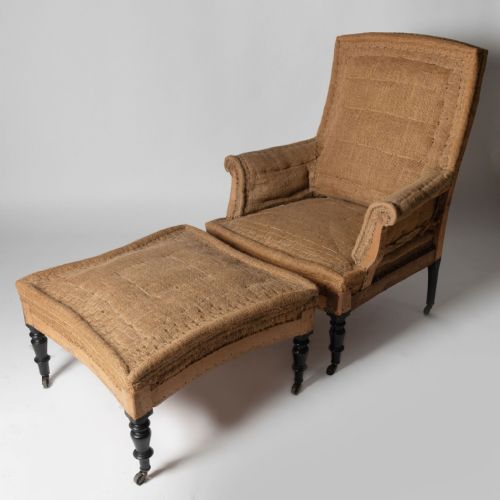
Upholstery relies on traditional textiles such as silk, velvet, needlework, and tapestries, often secured to webbing and stuffing. Some items survive with original fabric, whilst others retain cane panels or await recovering.
Antique French Ottoman Retail Price Guide 2026
Typical asking prices for french ottoman among the pieces listed under this phrase on Sellingantiques today, from the lower quarter to the upper quarter. They describe what is for sale here now, not the wider market.
Listings feature walnut, giltwood, and painted wood frames paired with silk, velvet, and needlework textiles.
What varies in quality
The refinement of the timber carving dictates much of the distinction between standard production and superior examples. Deeply undercut foliage and crisp mouldings on walnut and giltwood frames indicate skilled hand-workmanship.
The integrity of the structural joinery and the survival of original surface finishes, whether gilding, paint, or polish, determine the standing of each piece. Maker stamps, when present, elevate historical interest.
Loidrault Freres Paris
The Antique French Ottoman Glossary
- Cabriole leg
- A furniture leg that curves outward at the knee and tapers inward toward the foot, inspired by animal limbs. This form appears frequently on nineteenth-century walnut and giltwood stools.
- Giltwood
- Timber coated with gold leaf or powder over a prepared gesso ground. It provides a bright surface on revival salon seating.
- Rococo Revival
- A nineteenth-century design movement favouring asymmetrical scrollwork, C-scrolls, and naturalistic plant motifs. It heavily influences French and Victorian stool frames.
- Needlework
- Hand-stitched textile work utilised for upholstery on seat tops and footstools. It introduces coloured patterns to traditional frames.
- Window seat
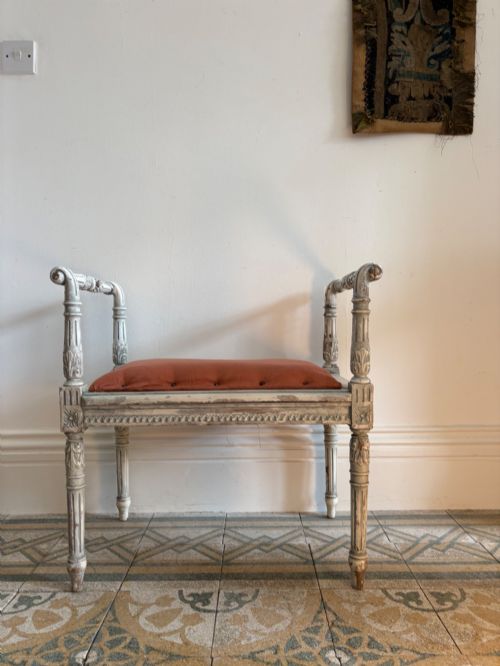
- An elongated stool designed to sit in a window recess. These pieces often feature upholstered seats and carved wooden rails.
Antique French Ottoman: Frequently Asked Questions
What is an antique french ottoman?
An antique french ottoman or stool is a low upholstered seating form dating from the nineteenth or early twentieth century. These pieces encompass footstools, window seats, and salon benches.
They reflect historical design movements including Louis XV and Rococo revivals. Makers utilised carved walnut, giltwood, and painted frames to create decorative furnishings for period interiors.
How were these stools used?
These pieces served multiple domestic functions within nineteenth-century drawing rooms and parlours. Smaller examples provided foot support for seated occupants.
Larger window seats and salon stools offered flexible seating options near windows or conversational groupings. Daybeds and long stools accommodated reclining.
How do I live with them?
Integrating these pieces into modern spaces involves placing them as occasional seating, dressing table stools, or coffee table alternatives. Their compact scale suits various rooms.
Care requires protecting fragile textiles and gilt surfaces from direct sunlight and moisture. Unupholstered frames can support new fabrics suited to interior schemes.
How do I tell periods apart?
Differentiating periods relies on examining stylistic cues and timber choices. Mid-nineteenth-century items often display heavy walnut carving and Rococo revival motifs.
Later pieces from around nineteen hundred introduce lighter painted finishes and Gustavian or Neoclassical interpretations. Structural details and joinery methods further clarify the date of manufacture.