
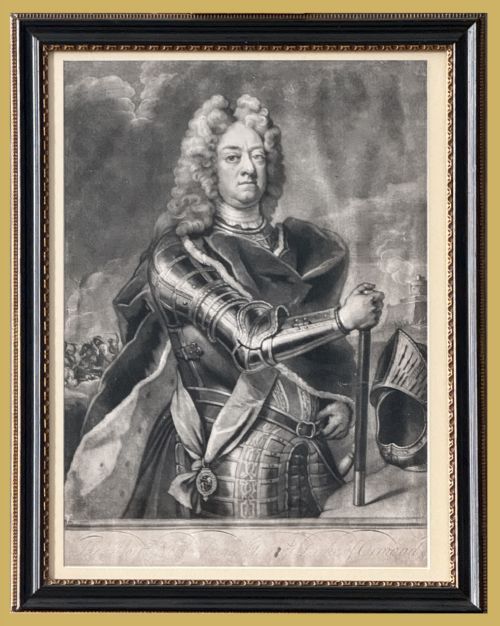
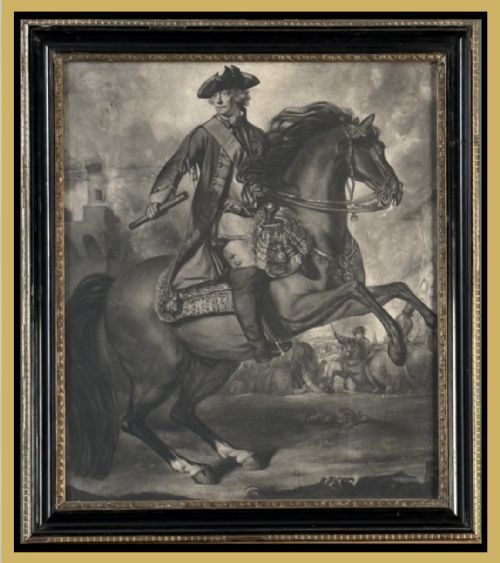
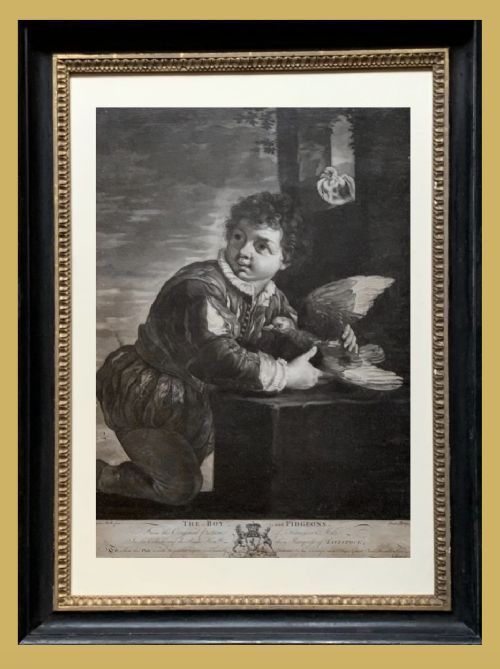
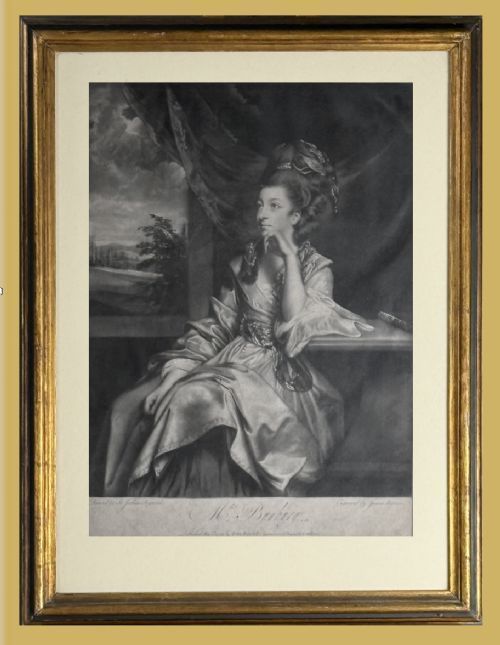
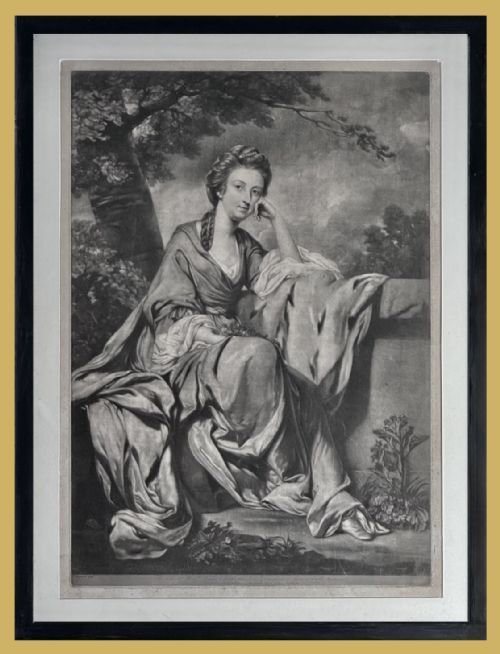


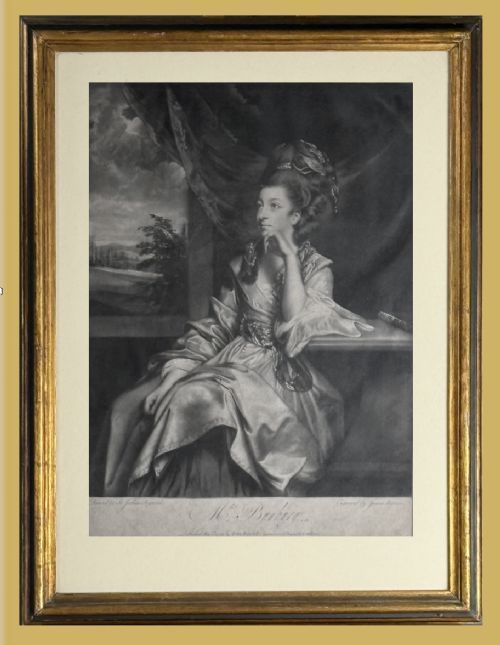
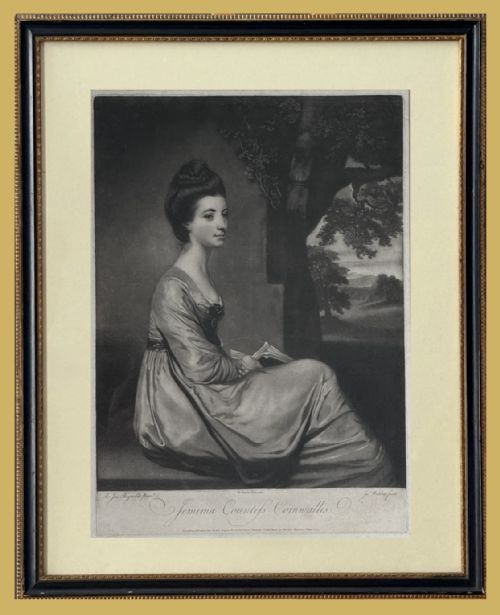
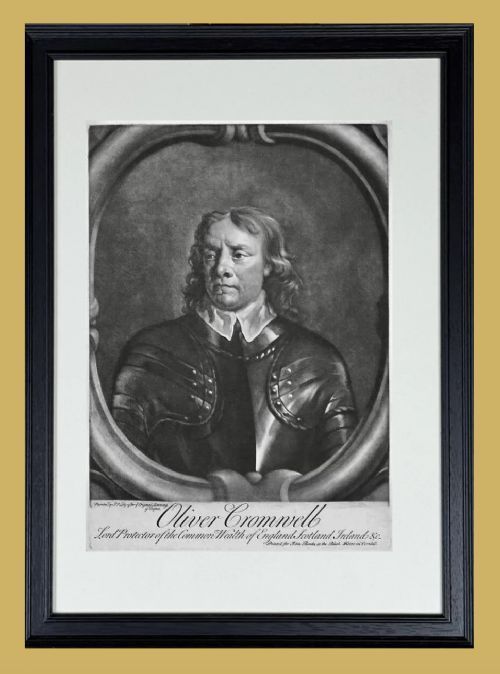
Antique Framed Mezzotint
An antique framed mezzotint brings rich tonal depth and historic portraiture to a wall through velvety shadows achieved by roughening the copper plate.
Antique Framed Mezzotint
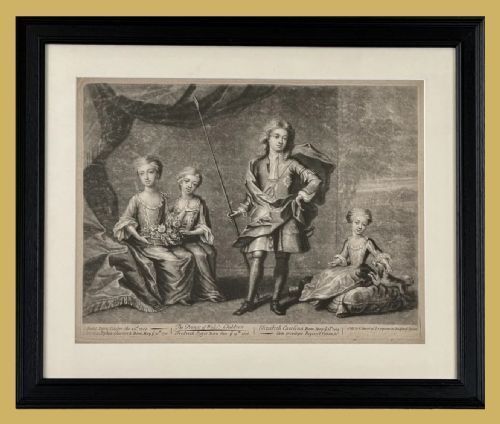
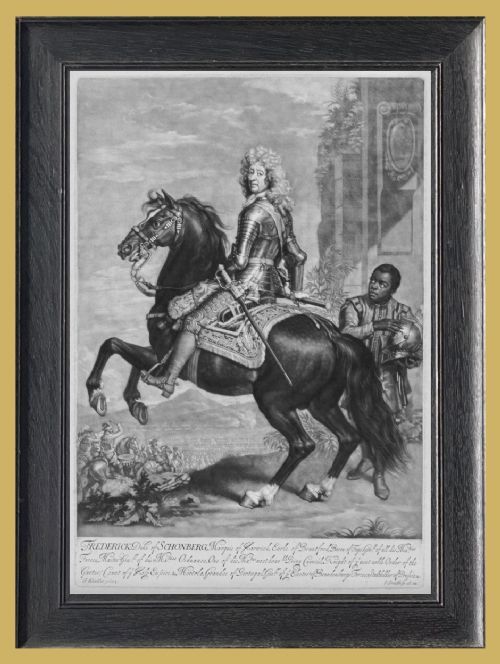
An antique framed mezzotint offers an intimate window into seventeenth, eighteenth and nineteenth century portraiture and narrative art. When searching for this phrase, collectors encounter prints housed in period timber mouldings, often featuring prominent historical figures, nobility and literary subjects after celebrated painters.
The medium relies on a tonal printing process rather than strict line work, producing velvety blacks and subtle gradations of light. Examples on this page span seventeenth century reigns through to the Edwardian era, reflecting shifting tastes in interior display and print publishing.
Subjects range from royal personages and statesmen to children and allegorical scenes. Surviving specimens frequently retain their original glass and timber frames, preserving the entire object as a unified artefact from the Georgian or Baroque periods.
Materials and construction methods
Makers prepared copper printing plates by rocking a curved, fine-toothed metal tool across the surface until it was evenly pitted. This textured burr held ink densely, allowing the printer to scrape and burnish highlights into the metal to create luminous mid-tones and shadows.
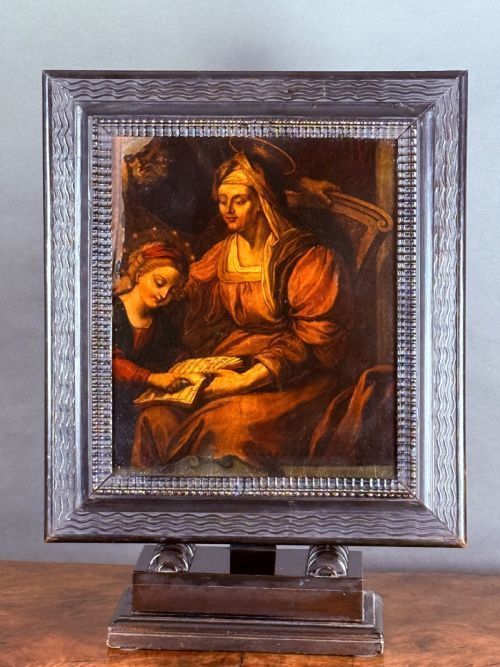
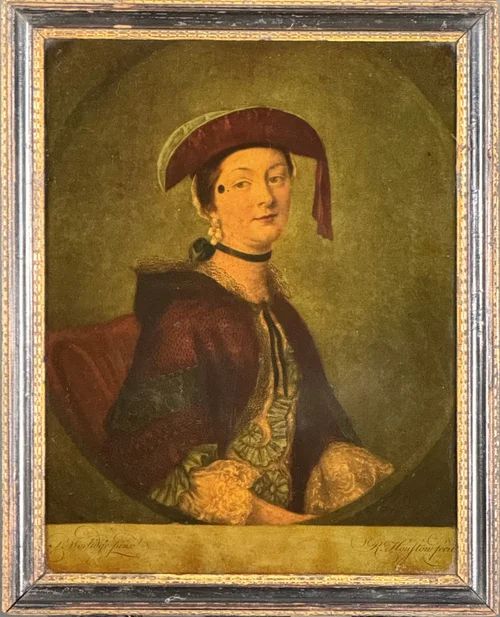
Prints were pulled onto dampened paper using printing ink and pigments, then framed behind glass within timber mouldings finished with gold leaf, gilt or plain wood. Certain specialised pieces involved reverse glass painting and printing techniques, where pigment was applied directly to the underside of the glass.
The listings span from seventeenth century Baroque works through to early twentieth century artist proofs on paper.
Factors influencing quality and desirability
The clarity and richness of the impression on the paper determine visual impact, as early pulls from a freshly worked copper plate yield deeper, velvety blacks than later impressions. The survival of the original contemporary frame, uncompromised glass and untouched backing boards adds significantly to the historical integrity of the piece.
The reputation of the original painter, the skill of the mezzotint engraver and the social prominence of the sitter all elevate the standing of the work. Condition plays a vital role, with well-preserved ink density and minimal staining separating superior examples from faded or heavily restored items.
John Simon·Edward Fisher·John Boydell·James Watson·John Smith·Charles Spooner·Valentine Green·Richard Purcell·Thomas Watson
The Antique Framed Mezzotint Glossary
- Mezzotint
- A printmaking process where a copper plate is roughened uniformly to hold ink, then scraped to produce tones and highlights. This technique allows for rich, shadowy gradations without relying on traditional etched lines.
- Burnishing
- The act of smoothing the roughened copper plate with a polished tool to lighten areas for the print. Master engravers used this to control the luminosity of skin and fabric.
- Reverse glass
- A technique where the image is applied directly to the reverse side of the glass panel. These pieces often combine painting and printing methods within a single glazed display.
- State
- The specific stage of a printed plate's development during its printing life. Early states lack later lettering or show alterations made by the engraver.
- Plate mark
- The indentation left in the paper by the edges of the copper plate during the printing press run. This physical depression confirms the authenticity of an original print.
Antique Framed Mezzotint: Frequently Asked Questions
How do I care for a framed antique mezzotint?
Keep the piece away from direct sunlight to prevent the paper from yellowing and the ink pigments from fading over time. Maintain stable indoor humidity levels to protect both the old timber frame and the fragile paper within.
Avoid hanging prints on damp exterior walls where moisture can cause foxing spots or mould growth behind the glass. Clean the exterior glass gently with a dry microfiber cloth rather than spraying liquid cleaner directly onto the frame.
What is the difference between an engraving and a mezzotint?
Standard line engravings rely on sharp burins to carve precise lines and cross-hatching into metal plates. Mezzotints work entirely in tones and masses of shadow by roughening the whole plate first and scraping the light areas away.
This fundamental difference gives mezzotints their characteristic velvety texture and painterly softness, mimicking oil paintings far more closely than linear prints do.
Are original frames important for these prints?
Original period frames contribute greatly to the historical context and visual harmony of an antique print. Mouldings from the seventeenth and eighteenth centuries show specific joinery and gilding techniques that match the era of the artwork.
While prints are occasionally reframed to suit modern interiors, retaining the period housing preserves the complete decorative object as it was historically displayed.
How can I tell who painted the original portrait?
Most antique mezzotints include traditional lettering along the lower margin of the sheet below the image. These inscriptions typically record the painter of the original work alongside the name of the engraver who translated it to copper.
Common attribution formulas use phrases like painted by or after followed by the artist's name, while the engraver is often listed with engraved by or simply the name preceded by fecit.