



Antique Footrest Stool
These antique footrest stool pieces range from compact fireside companions to grand dressing seats, built to support tired feet in period interiors.
Antique Footrest Stool
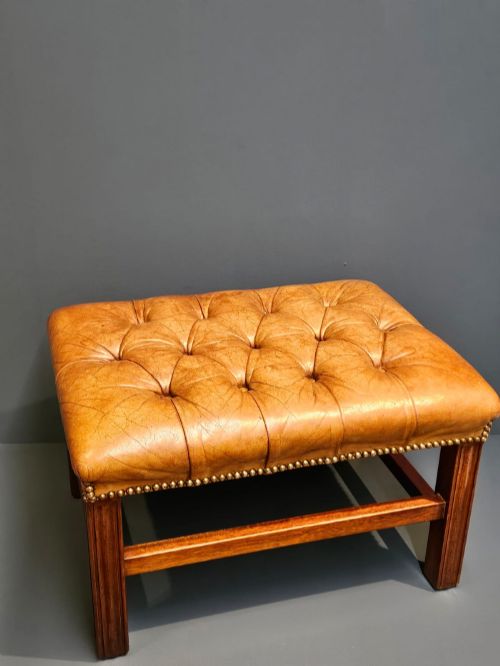
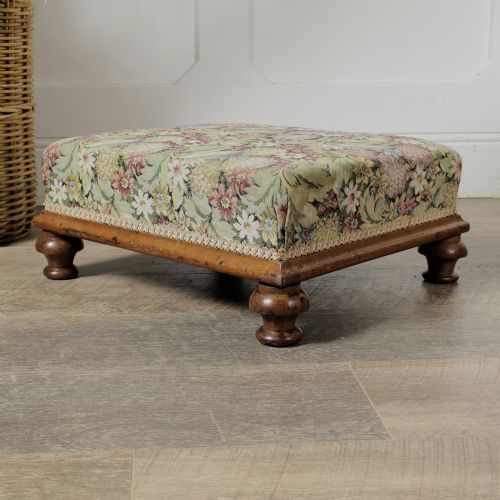
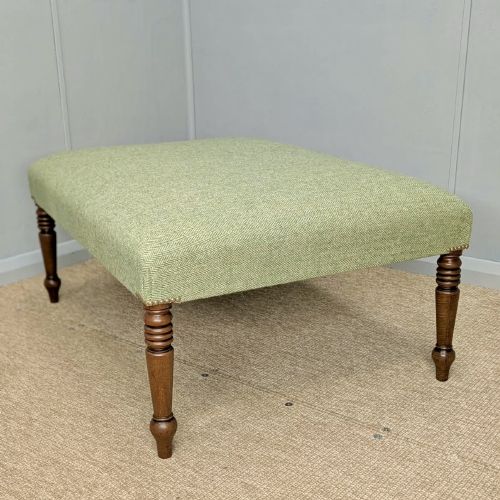
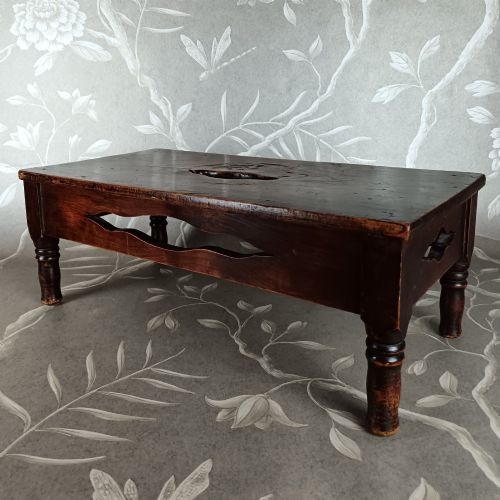
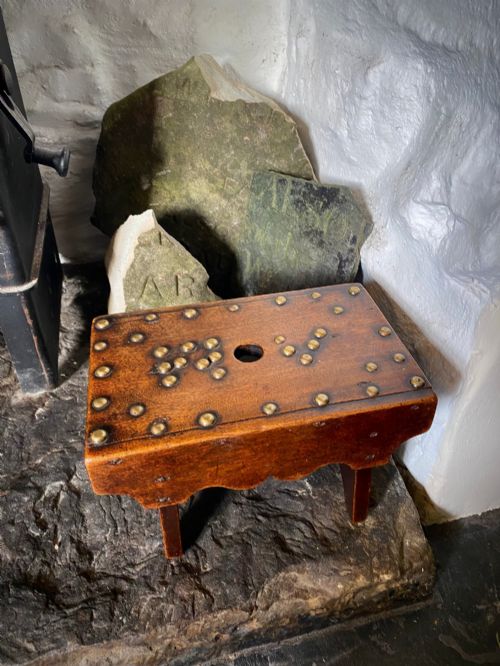
When you search for an antique footrest stool, you encounter low timber frames designed specifically to elevate the feet by the hearth or alongside a comfortable chair. The examples gathered here span from the robust proportions of the 19th Century and Victorian eras through to Edwardian pieces and early 20th-century creations.
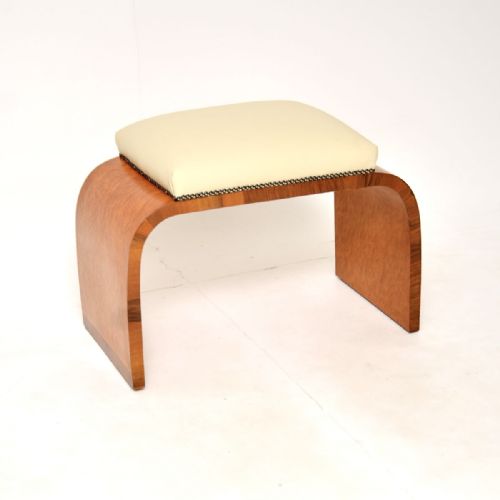
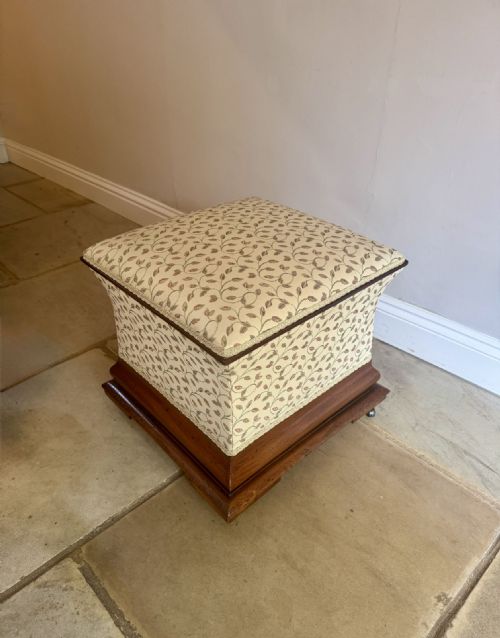
Most items you meet take the form of modest footstools, carriage stools, or dressing stools, though larger ottomans and benches also appear. They serve practical domestic functions, often sitting low to the ground on short legs or brass castors.
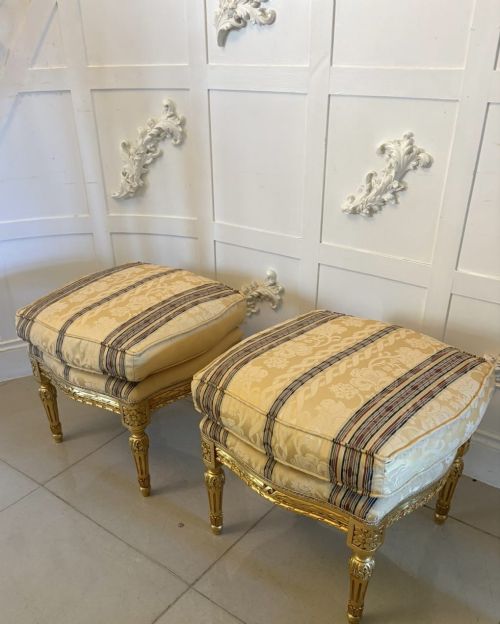
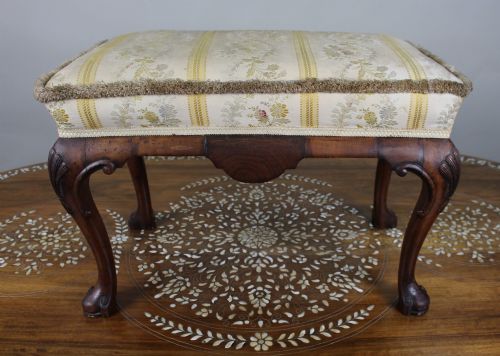
The aesthetic vocabulary encompasses straightforward utility alongside revivalist ambitions, drawing on Queen Anne, Chippendale, and Louis XV styles. Makers also experimented with specialised forms, including gout stools, prayer stools, and novelty leather animal shapes.
Materials and construction
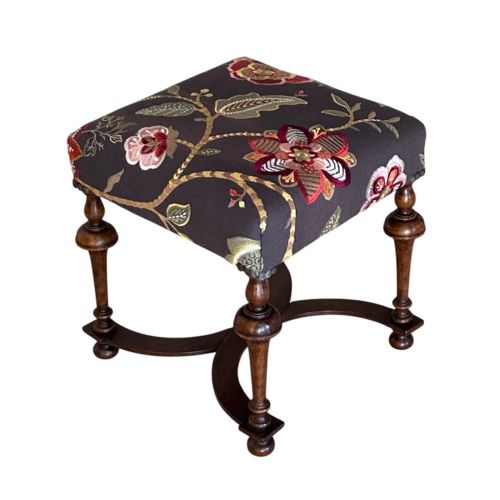
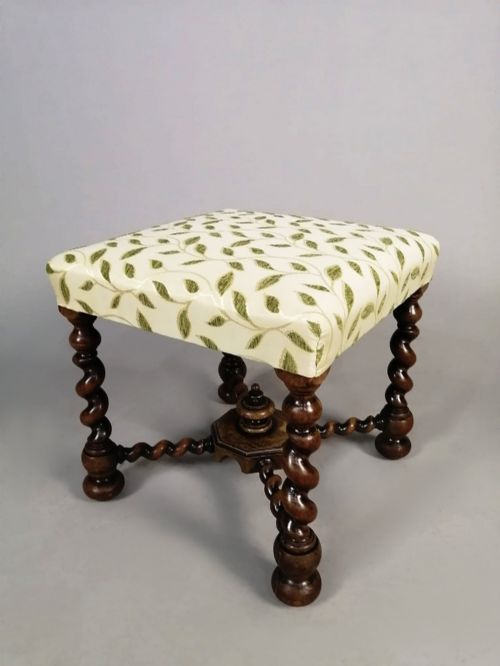
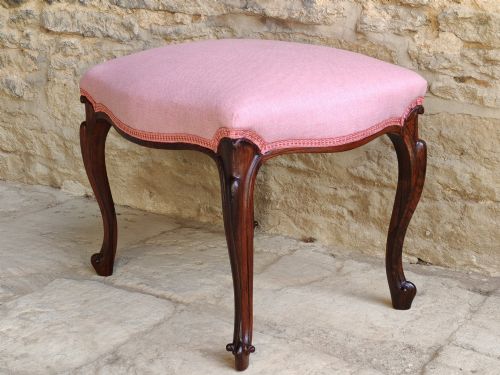
Timbers form the structural backbone of these objects, with mahogany, walnut, and rosewood appearing frequently alongside oak, pitch pine, beech, and giltwood. Cabinetmakers shaped these hardwoods into sturdy frames featuring square tapering legs, turned supports, or sweeping cabriole legs.
Upholstery defines the upper surface, relying on traditional textiles such as heavy green linen, leather, wool, and intricate needlepoint or crewel tapestries. Artisans secured these coverings over padding, sometimes leaving frames ready for fresh textile work.
Antique Footrest Stool Retail Price Guide 2026
Typical asking prices for footrest stool among the pieces listed under this phrase on Sellingantiques today, from the lower quarter to the upper quarter. They describe what is for sale here now, not the wider market.
Assessing craftsmanship
The distinction between standard domestic seating and finer examples rests in the ambition of the timber carving and the precision of the joinery. Superior frames display deeply sculpted rosewood or walnut details, balanced proportions, and thoughtful touches like original brass castors.
The treatment of the textile surface also dictates status, where hand-worked needlepoint or heavy leather upholstery executed with rigorous attention to detail elevates the piece far beyond simple utility.
Arthur Simpson Of Kendal·Omersa For Liberty·Loidrault Freres Paris
The Antique Footrest Stool Glossary
- Carriage stool
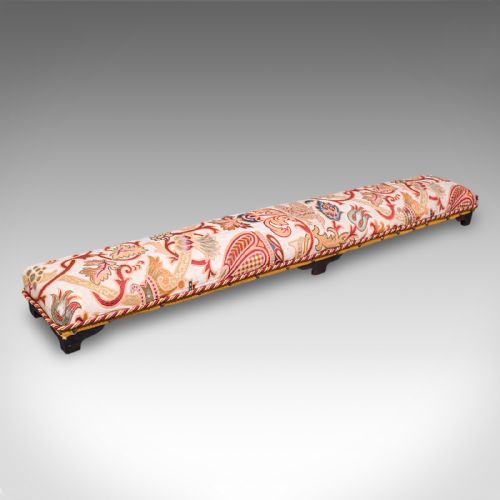
- A long, low footrest designed originally for use inside horse-drawn carriages or large domestic drawing rooms. These pieces often feature extended proportions and needlepoint tops.
- Fireside footstool
- A low stool positioned near a hearth to keep feet away from cold draughty floors. They are typically upholstered in durable wool or heavy textiles.
- Gout stool
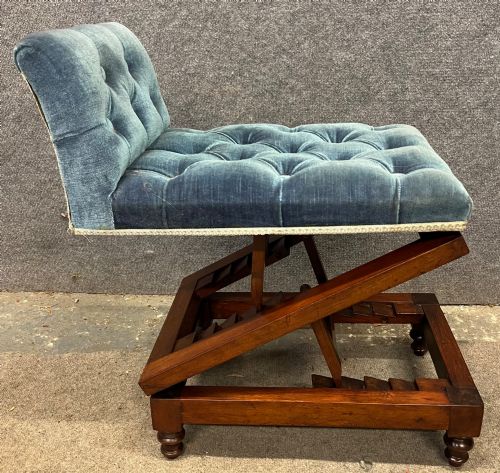
- A specialised medical stool featuring an adjustable incline to support feet afflicted by gout. These metamorphic designs allow the user to alter the angle for comfort.
- Needlepoint
- A form of counted thread embroidery stitched onto canvas to create durable decorative coverings. It frequently survives on Victorian footrest tops.
- Cabriole leg
- A furniture leg that curves out in a convex shape and then bends inward in a concave shape, ending in a decorative foot. This form appears often on walnut and rosewood frames.
Antique Footrest Stool: Frequently Asked Questions
How were antique footstools used?
These low seats served primarily to keep feet elevated away from cold floors near fireplaces or in grand reception rooms. They also functioned as dressing stools before vanity tables or as supportive rests during long journeys.
Over time, households adapted them to various sitting rooms and parlours, moving compact frames wherever extra comfort or support was required.
What woods were used for these stools?
Cabinetmakers relied heavily on rich hardwoods such as mahogany, walnut, and rosewood to build durable and decorative frames. Oak, beech, and pitch pine also appeared frequently, particularly in earlier or more utilitarian designs.
Selection depended on the prevailing fashion of the period, with dark dense timbers dominating Victorian and earlier centuries before lighter woods gained favour.
Can I reupholster an antique footrest?
Many surviving frames lend themselves well to fresh textile applications, and some pieces enter the market specifically prepared for new upholstery. Choosing appropriate fabrics like heavy linen, leather, or wool helps preserve the character of the period.
Careful work ensures the traditional padding and underlying frame structure remain protected and stable during daily use.