


Antique Folk Art Ceramic
These pieces of antique folk art ceramic combine vernacular utility with charmingly naïve decoration from the seventeenth to the early twentieth century.

Antique Folk Art Ceramic
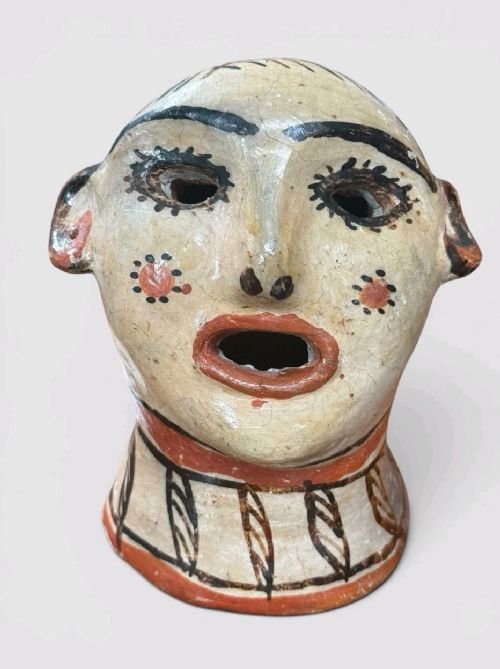
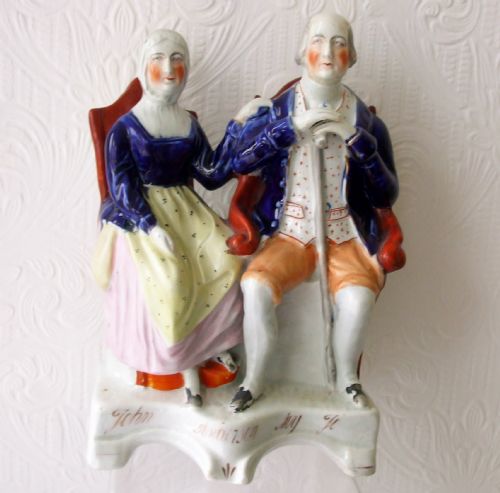
When searching for antique folk art ceramic, you encounter domestic objects and sculptural figures made across Britain and continental Europe. These pieces stem from regional traditions, reflecting local tastes rather than high-court fashion.
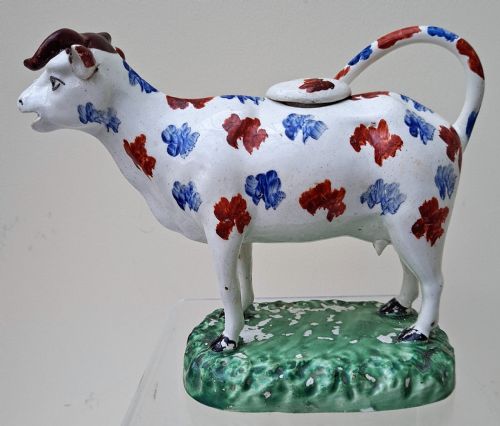
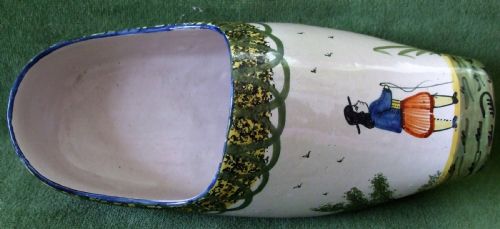
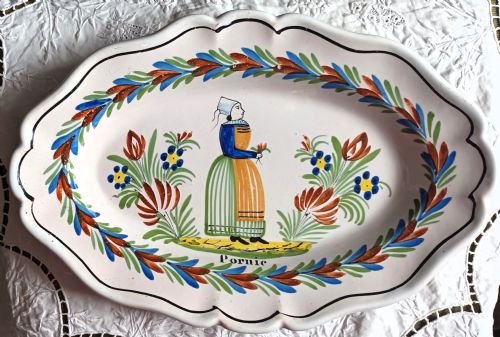
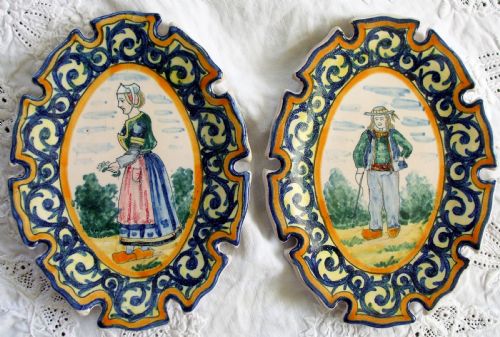
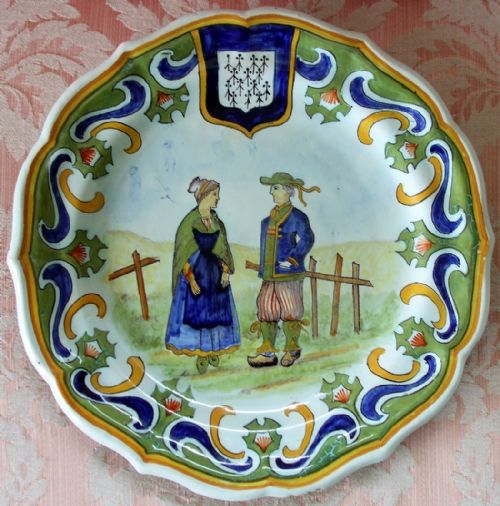
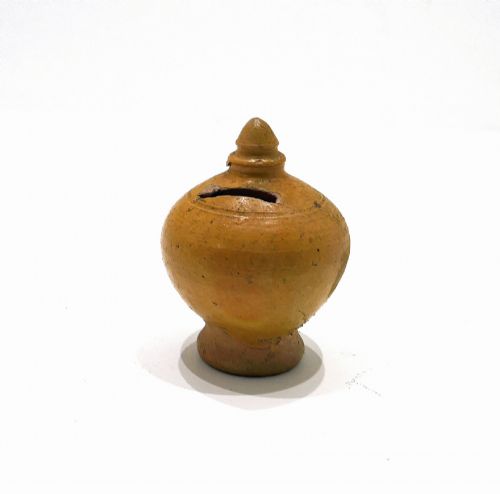
The selection ranges from functional kitchenware like dairy bowls and teapots to decorative figurines, animal money boxes, and wall plaques. British Staffordshire pottery and Scottish regional slipware sit alongside French Quimper faience and Dutch Delftware.
Nineteenth-century examples dominate the offerings, though seventeenth-century slipware jugs and early twentieth-century earthenware pieces also appear. Buyers often seek out these items for their regional character and unpretentious domestic charm.
Materials and construction
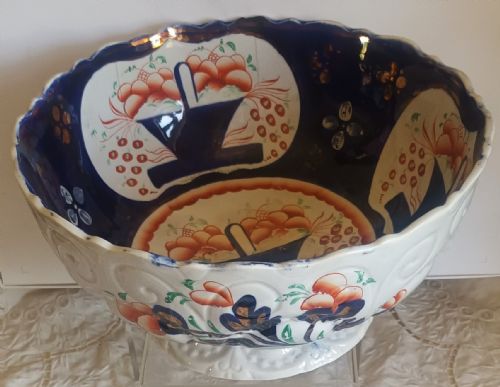
Potters relied primarily on earthenware, terracotta, and pearlware bodies, shaped by hand or in traditional moulds. These porous foundations required surface protection and decoration to become serviceable domestic vessels.
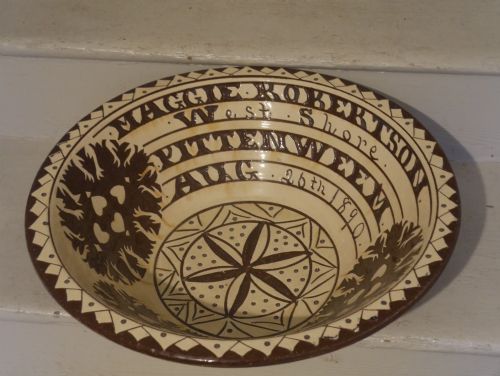
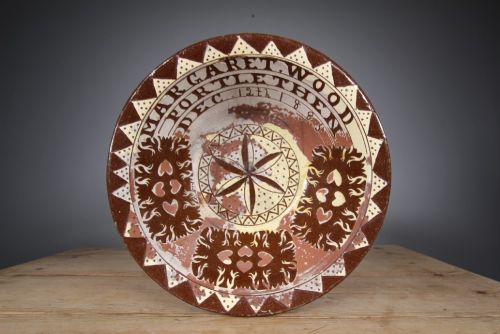
Makers applied lead glazes, enamel paint, and tin glazes to seal the clay and provide a canvas for polychrome patterns. Slipware vessels utilised liquid clay trails to draw geometric and floral motifs directly onto the darker body before firing.
Ceramic pigs and roof-tile cats peer out from the selection, proving rural potters enjoyed modelling farmyard animals.
Assessing quality and character
The richness of the glaze and the boldness of the slip application dictate visual impact. Pieces that retain vibrant enamel colours and show clear regional decorative traits command greater visual presence.
Seaton Pottery·Quimper·Desvres·Verwood Pottery·Rozenburg
The Antique Folk Art Ceramic Glossary
- Slipware
- Pottery decorated with a thin mixture of clay and water applied to a damp clay body. This technique creates raised linear patterns, often in contrasting colours.
- Flatback
- A style of Staffordshire pottery figure designed to be placed against a wall or mantelpiece. The maker left the reverse unglazed and unmodelled to save time and materials.
- Pearlware
- A fine-grained earthenware developed in the late eighteenth century. It has a subtle bluish tint in the glaze pooling that distinguishes it from standard creamware.
- Delftware
- Tin-glazed earthenware originating in the Netherlands. It frequently employs blue and white or polychrome floral and geometric motifs.
Antique Folk Art Ceramic: Frequently Asked Questions
What defines antique folk art ceramic?
These items represent utilitarian and decorative objects made by regional potteries rather than elite urban manufactories. They display local traditions and straightforward, unpretentious designs.
Craftsmen produced them for everyday rural or domestic use, leading to robust forms and direct, expressive decoration that appeals to modern collectors.
How were slipware vessels made?
Potters shaped local earthenware clays on the wheel or by hand before coating them with a liquid clay mixture called slip. They trailed contrasting colours across the surface to form geometric or botanical patterns.
A transparent lead glaze was then applied over the top to vitrify the surface and deepen the tones during the kiln firing.
Where were Staffordshire figures made?
Staffordshire figures originated in the English Midlands potteries during the eighteenth and nineteenth centuries. Regional workshops produced thousands of portrait figures, animals, and theatrical subjects.
Workers typically cast these in moulds, finished the details by hand, and painted them with enamel colours before a final low-temperature firing.
How do I care for antique earthenware?
Keep these pieces away from direct sunlight and areas with fluctuating humidity to protect the fragile glazes and earthenware bodies. Dust them gently with a dry, soft cloth.
Avoid washing them in water, particularly if they exhibit old repairs, hairline cracks, or flaking enamel paints that moisture could damage.
How can I distinguish French faience?
French faience relies on an opaque tin glaze applied over an earthenware body, serving as a smooth base for hand-painted ornamentation. Workshops in regions like Quimper and Desvres specialised in distinct regional costumes and floral sprays.
Painted factory marks or initials on the underside often help identify the specific pottery and production period.