



Antique Folding Divider
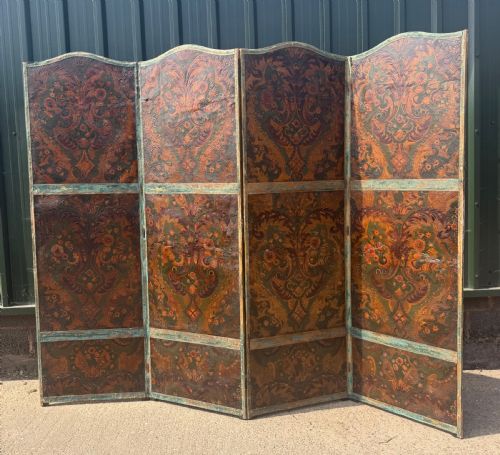
An antique folding divider divides space with panels of painted leather, carved wood, or fabric.
Antique Folding Divider
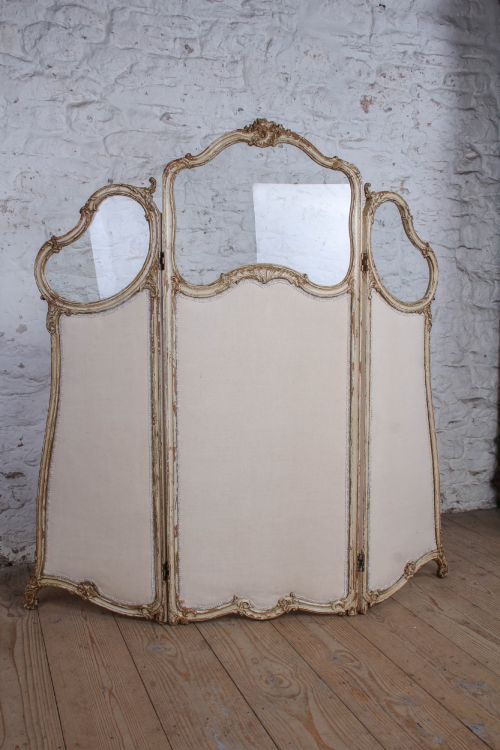
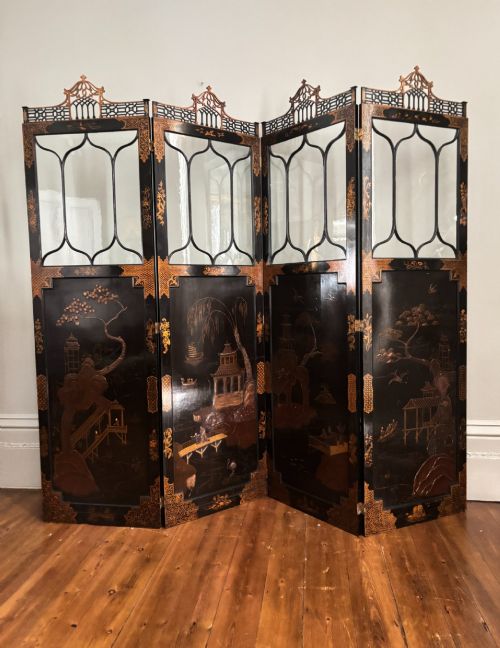
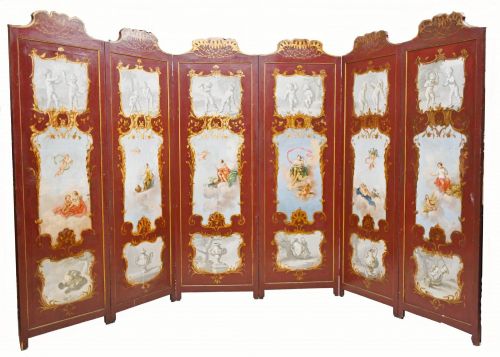
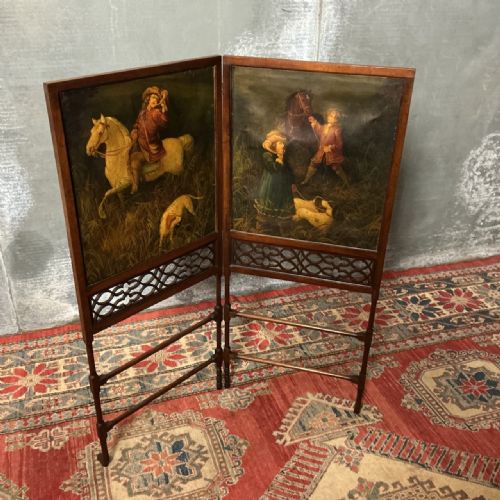
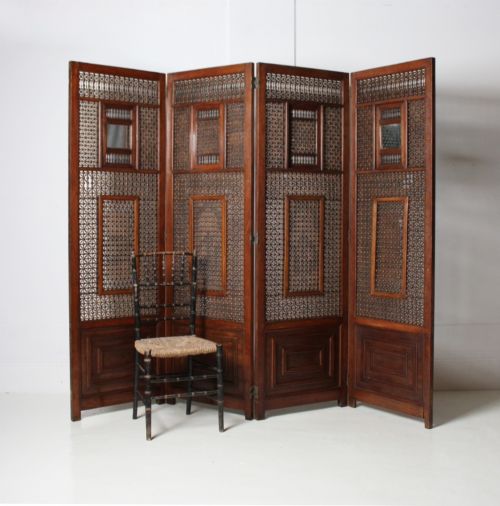
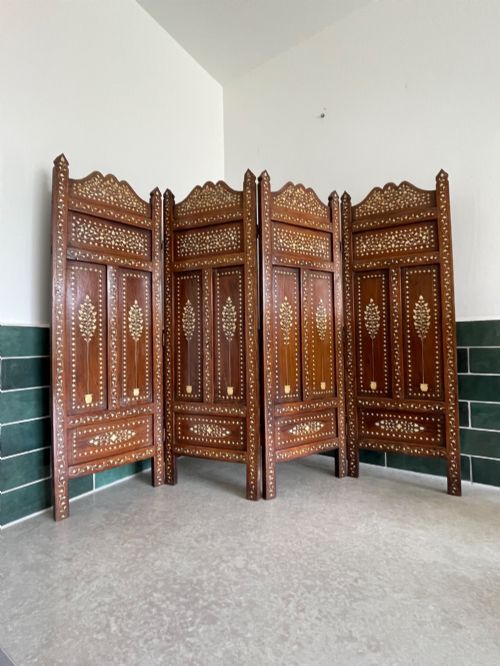
An antique folding divider separates rooms, frames corners, or shields a hearth from draughts. These pieces take the form of multi-panel screens hinged together for flexible placement.
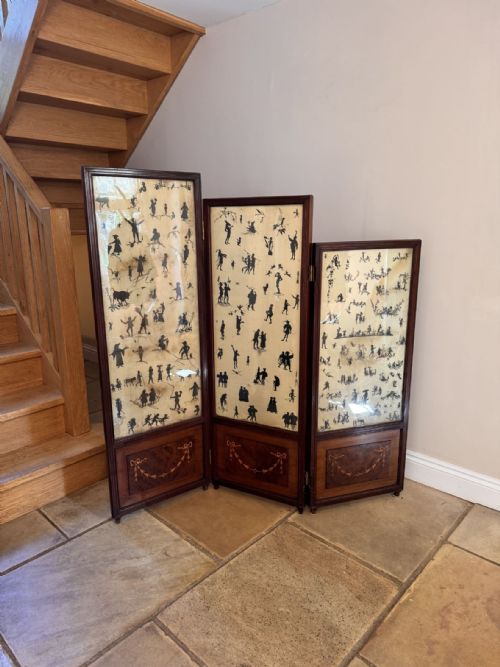
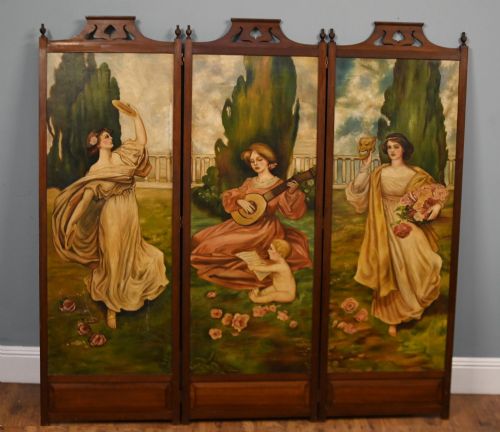
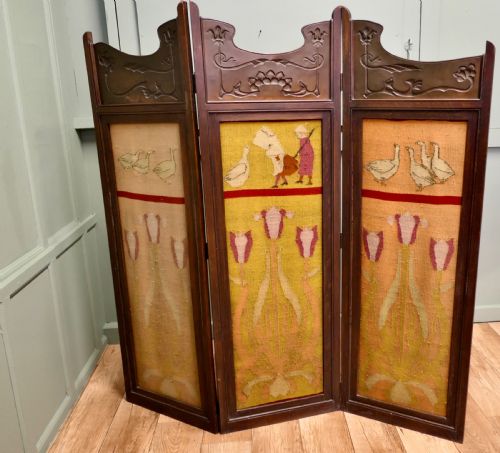
Victorian and Edwardian examples dominate the selection, often rendered in mahogany, walnut, or oak with painted or needlepoint panels.
The inventory includes fire screens, dressing screens, and large room dividers originating from Britain, France, China, and Japan.
How They Were Made
Craftsmen built frames from hardwoods such as mahogany, walnut, and oak, frequently employing inlay, carving, or gilding.
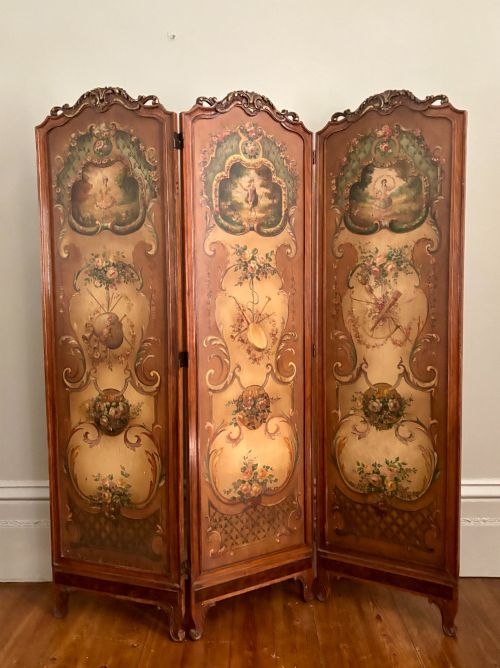
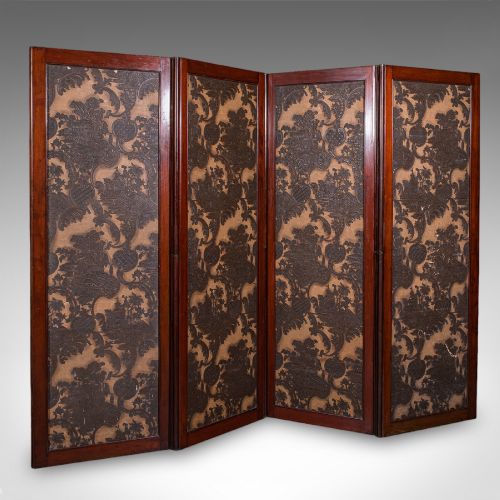
Panels utilise varied media, including hand-painted leather, canvas, oil paint, silk, needlepoint, and carved bone.
Hinges join the folding sections, allowing the panels to pivot and stand in zig-zag configurations.
Antique Folding Divider Retail Price Guide 2026
Typical asking prices for folding divider among the pieces listed under this phrase on Sellingantiques today, from the lower quarter to the upper quarter. They describe what is for sale here now, not the wider market.
One debating society screen once witnessed earnest political arguments inside an oak frame.
What Varies In Quality
The standard of an antique folding divider rests upon the execution of its panels and the weight of its timber. Fine examples display meticulous hand-painting, crisp carving, or skilled needlepoint.
Construction details distinguish workshop output, seen in sturdy framing and durable hinges that support multiple folding sections without sagging.
William Morris
The Antique Folding Divider Glossary
- Fire screen
- A small screen placed before a fireplace to block heat when the fire is unlit. These often sit on a single stand or small base.
- Coromandel
- A dark timber used for carved Chinese screens where incisions reveal a lighter ground. The surface is often filled with lacquer and colour.
- Mashrabiya
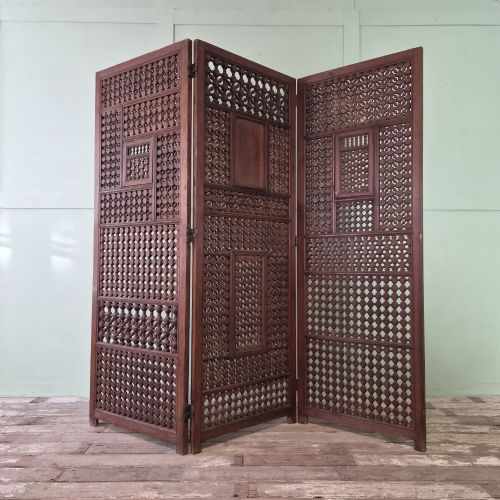
- An architectural screen formed of turned wooden lattice pieces. This technique creates geometric patterns that filter light and air.
- Scrap work
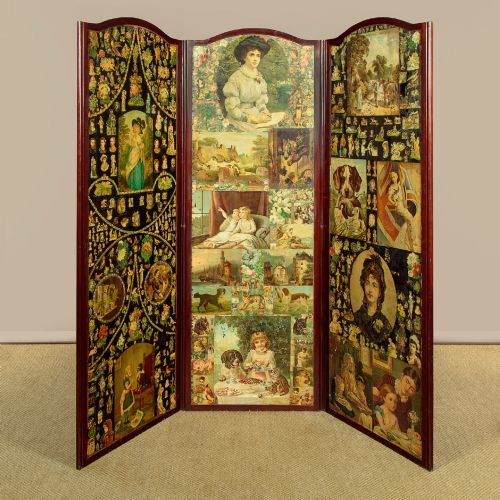
- A surface decoration technique using paper scraps or prints applied to a backing and varnished. Victorian screens frequently used this method.
- Modesty screen
- A small dressing screen used in bedrooms to provide privacy. These typically feature three or four folding panels.
Antique Folding Divider: Frequently Asked Questions
How do I use a folding divider at home?
Place a multi-panel screen across a corner to create a dressing area, or position it to break up a large room.
Ensure the panels are angled correctly so the divider stands steadily on a flat floor.
How do I clean painted leather panels?
Dust the surface gently with a dry, soft cloth to remove loose particles. Avoid using water or liquid cleaners on painted leather.
Consult a specialist conservator if the paint or gilt shows signs of flaking.
Can these screens support their own weight?
Multi-panel screens stand by arranging the folds into a zig-zag or accordion shape. Straight lines reduce stability.
Check that the hinges move freely without straining the wooden frames.
How do I date an antique screen?
Examine the timber species, joinery methods, and the style of decoration on the panels. Victorian and Edwardian pieces often use mahogany with inlaid details.
Earlier eighteenth-century examples display distinct lacquer work or hand-tooled leather.