



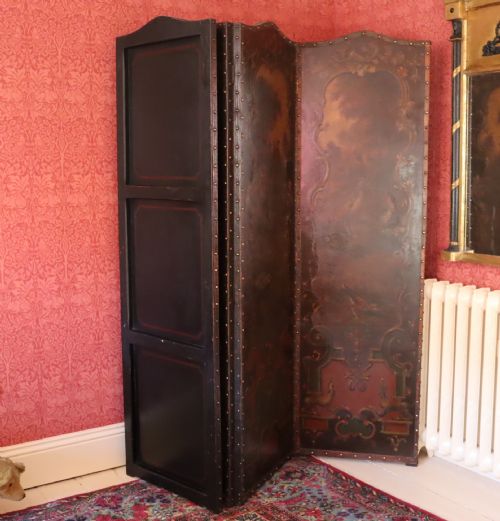


Brown Folding Screen
A brown folding screen divides a room or shields a hearth while bringing warmth and historic texture to an interior.
Brown Folding Screen
A brown folding screen encompasses multiple panels hinged together to partition spaces, shield fires, or decorate rooms. The selections span sturdy room dividers to compact table and fire screens from various historic periods.
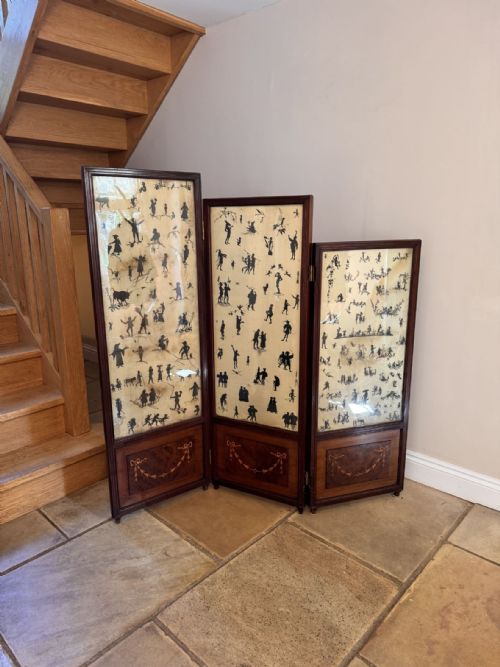
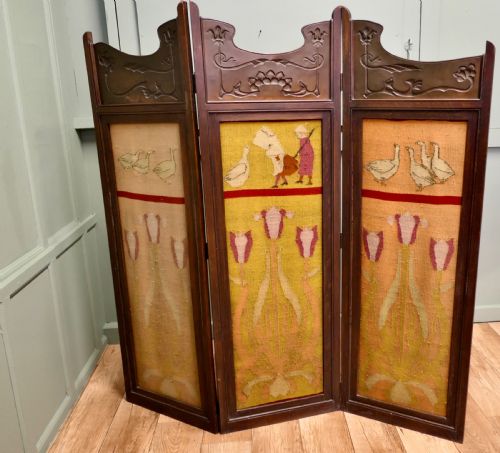
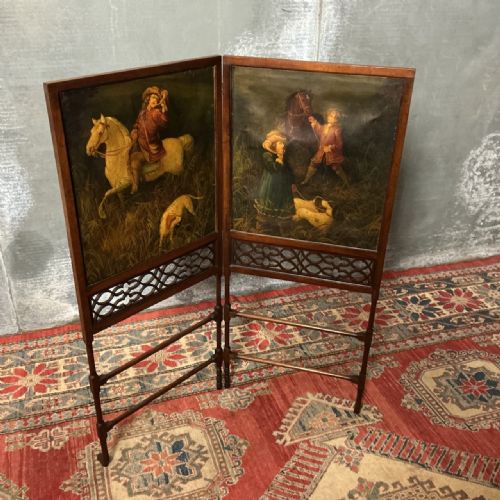
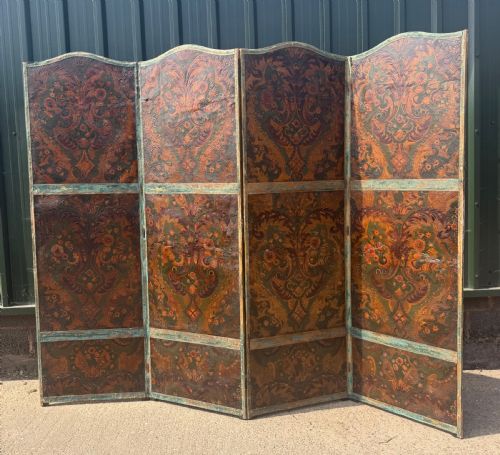
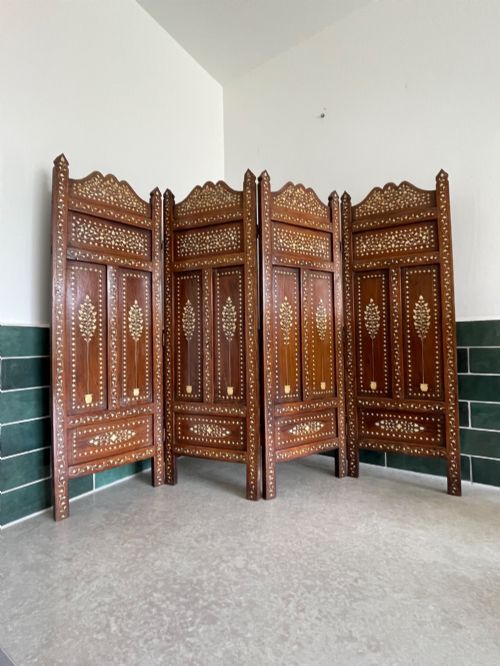
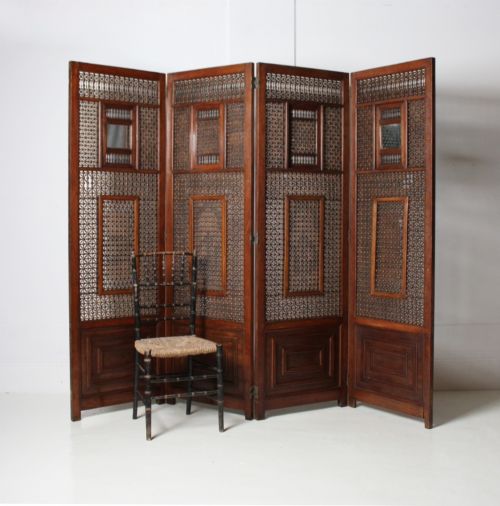
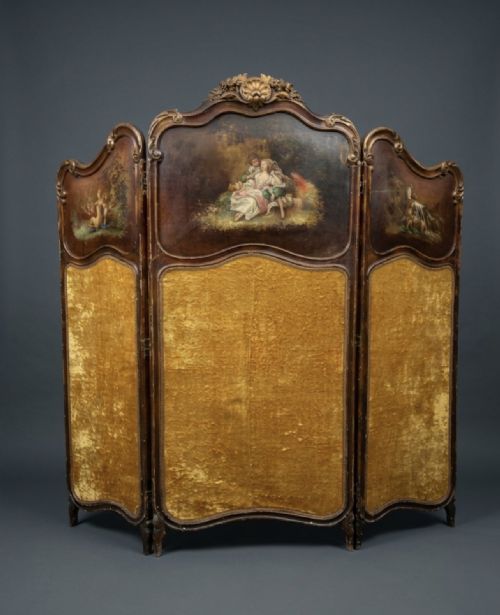
The materials range from mahogany, walnut, and hardwood frames to canvas, leather, paper, and brass inserts. Many pieces exhibit painted scenes, needlepoint, or intricate fretwork across three or more folds.
How they were made
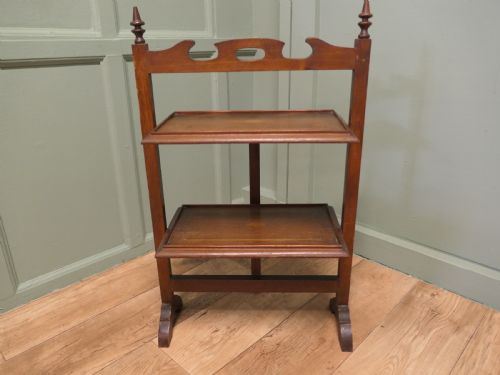
Carpenters constructed the structural frames from timbers such as mahogany, walnut, oak, and padauk, joining multiple panels with hinges to allow flexible movement. These wooden frameworks often incorporated hand-carved details or fretwork.
Makers filled the panels using stretched canvas, leather, paper, or silk cotton, which painters and craftspeople then decorated with oil paints, gilt embossing, or needlework. Many examples rely on layered decoupage or scrap work to cover the surfaces.
Brown Folding Screen Retail Price Guide 2026
Typical asking prices for brown folding screen among the pieces listed under this phrase on Sellingantiques today, from the lower quarter to the upper quarter. They describe what is for sale here now, not the wider market.
An Eton College debating society screen from the 1920s brings historic student politics directly into a modern sitting room.
What varies in quality
The refinement of the surface decoration largely dictates the standard of a screen, distinguishing hurried domestic handwork from skilled artistic painting or deep wood carving. Well-preserved leather, detailed oil panels, and precise joinery elevate a piece.
Structural integrity through original hinges and sound timber framing separates well-kept examples from those requiring significant restoration. The weight and stability of the panels determine how effectively the screen stands in use.
The Brown Folding Screen Glossary
- Mashrabiya
- A traditional wooden architectural screen formed of turned wooden elements. It creates decorative geometric patterns while allowing light and air to pass through.
- Coromandel lacquer
- A Chinese incised lacquer technique where designs are carved into a dark ground and filled with colours. These surfaces appear frequently on substantial antique folding panels.
- Modesty screen
- A low freestanding panel historically used to shield individuals from draughts or direct heat. They often sit near fireplaces or dining tables.
- Decoupage
- The art of decorating a surface by applying paper cutouts and varnishing them. Scrap work screens use this method extensively with historic prints and photographs.
- Cordoban leather
- Heavy leather that is embossed, painted, and often gilt. This material appears on high-status 18th-century folding panels.
Brown Folding Screen: Frequently Asked Questions
How do I use a folding screen at home?
A brown folding screen partitions open-plan rooms, conceals storage areas, or acts as a decorative backdrop behind furniture. Smaller versions sit on tables or function as firescreens near hearths.
Position the panels at slight angles to ensure the screen stands stable on firm floors. Avoid placing antique leather or paper panels in direct, harsh sunlight to preserve the materials.
What periods do these brown folding screens come from?
The inventory spans the 18th, 19th, and early 20th centuries, including Victorian, Edwardian, and Regency eras. Styles range from French Rococo Revival and Continental Baroque to Anglo-Indian and Art Nouveau.
Construction details, timber choices, and painting techniques help identify the approximate age of each piece. Maker labels or specific regional woodworking styles provide further clues to their origins.
How do I care for painted leather panels?
Dust the surfaces gently with a soft, dry cloth and avoid using liquid cleaners or harsh chemicals on painted or gilt areas. Keep leather and canvas panels away from damp environments and extreme temperature fluctuations.
Inspect the hinges periodically to ensure the weight of the panels does not strain the wood. Professional conservators can address any lifting paint or splitting leather.
What is the difference between a room divider and a fire screen?
Room dividers are tall, multi-panel structures designed to partition living spaces or provide privacy. Fire screens are smaller, single-panel pieces placed in front of fireplaces when fires are unlit.
Dividers usually feature three to eight folds made of wood, canvas, or leather. Fire screens often stand on small feet or a central pillar, utilising brass, glass, or needlework.