



Antique Folding Room Divider
An antique folding room divider creates private zones or backdrops, combining practical spatial division with decorative artistry across multiple folds.
Antique Folding Room Divider
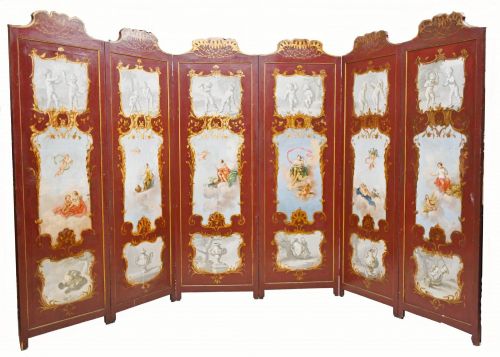
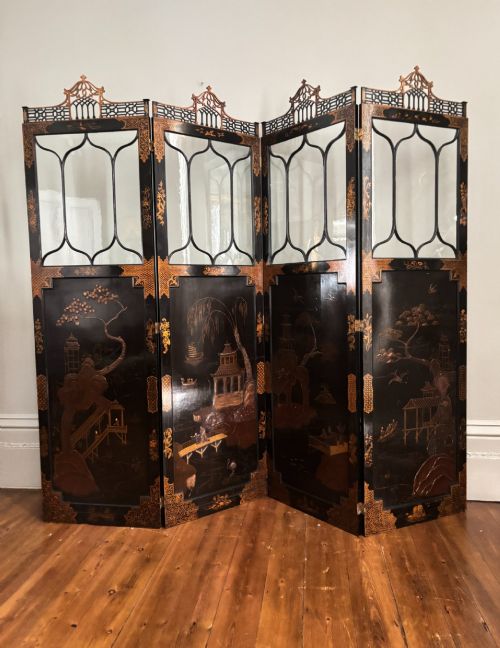
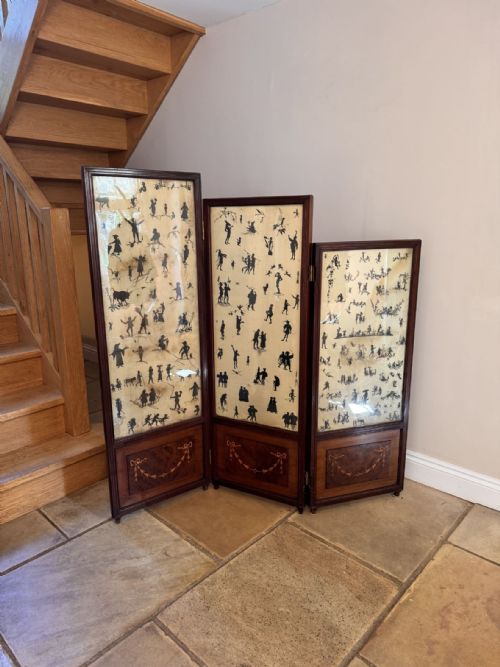
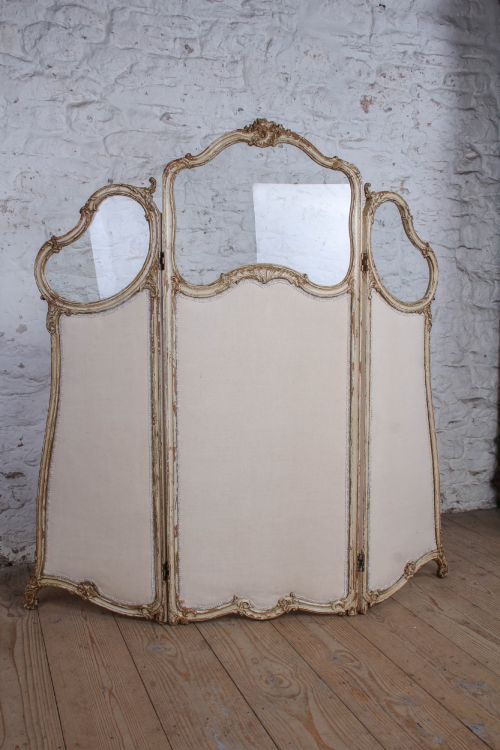
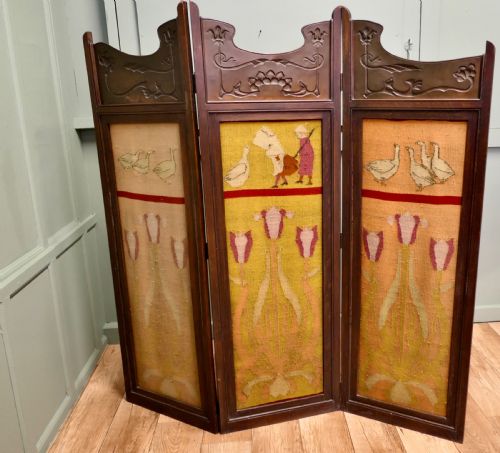
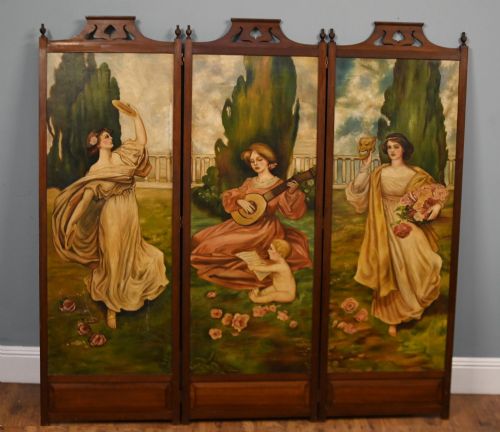
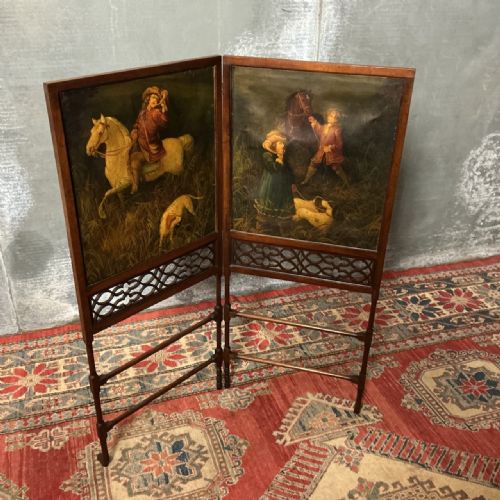
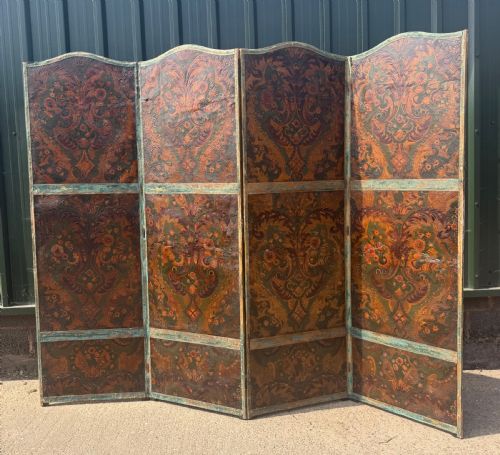
An antique folding room divider serves to partition open spaces, create privacy, or act as a decorative backdrop within a room. When searching for an antique folding room divider, buyers encounter multi-panel constructions hinged together, spanning from small table screens and modesty screens to tall four-fold and eight-fold partitions.
The materials and decoration on these partitions vary extensively, reflecting periods from the eighteenth century through the 1930s. Pieces frequently incorporate painted leather, lacquered finishes, carved wood, textile panels, and paper scraps across Victorian, Chinoiserie, French Rococo Revival, and Edwardian styles.
Materials and construction techniques
Wood frameworks utilise timbers such as mahogany, walnut, oak, padauk, and giltwood, joined in multiple sections with hinged connections to allow smooth folding. Panels are constructed from wood, canvas, paper, or leather.
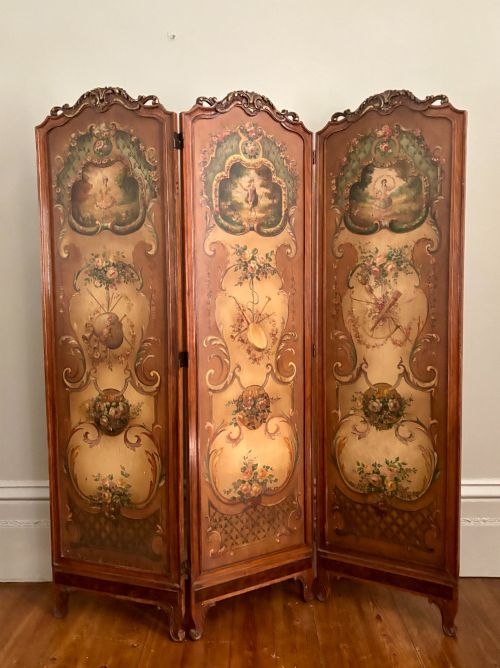
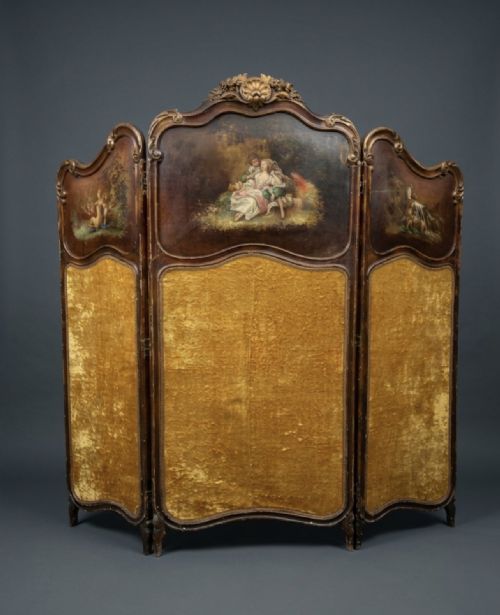
Surface ornamentation involves hand painting with oil or polychrome pigments, gilt embossing, lacquering, deep carving into bone or lacquer, and mounting with textiles, needlepoint, silk, or glass.
Antique Folding Room Divider Retail Price Guide 2026
Typical asking prices for folding room divider among the pieces listed under this phrase on Sellingantiques today, from the lower quarter to the upper quarter. They describe what is for sale here now, not the wider market.
Listings feature four-fold and three-fold configurations most frequently, alongside single table screens and eight-fold partitions.
Distinctions in craftsmanship
The calibre of an antique folding room divider depends on the depth and precision of the carving, the execution of the hand-painted or lacquered artwork, and the integrity of the original hinges and framework. Superior examples display refined detailing on every panel, including balanced compositions and intact period finishes.
Material selection also defines the standard of the piece, with dense hardwoods, genuine Coromandel lacquer, hand-tooled leather, and fine textiles indicating higher levels of original workshop execution compared to simpler constructed panels.
The Antique Folding Room Divider Glossary
- Coromandel
- A type of Chinese carved lacquer work featuring dark grounds incised and filled with colours or gilt. This technique appears on multi-fold screens from the eighteenth and nineteenth centuries.
- Modesty screen
- A small low screen traditionally utilised to shield a person from draughts or direct view in a domestic interior. These items often feature painted panels or fabric inserts.
- Verdure
- A style of tapestry or painted screen depicting lush landscapes, foliage, and trees. Flemish examples of this type date back to the eighteenth century.
- Scrap work
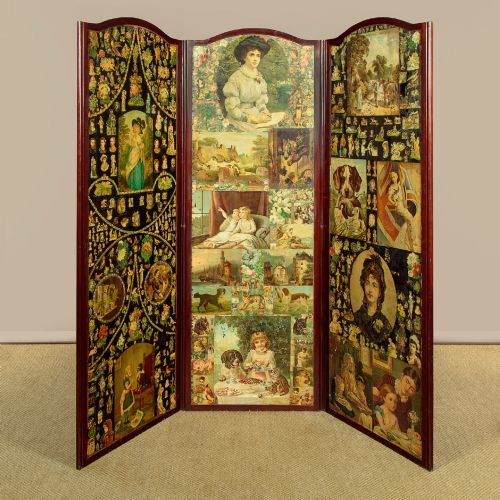
- A decorative method involving the application of numerous printed paper scraps or cutouts onto a panel surface. Victorian examples layer these clippings densely across multiple folds.
- Mashrabiya
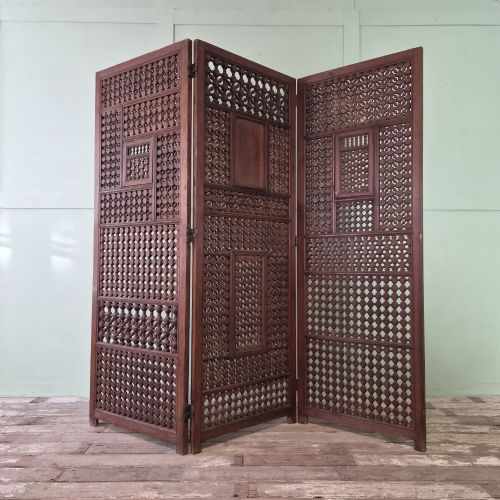
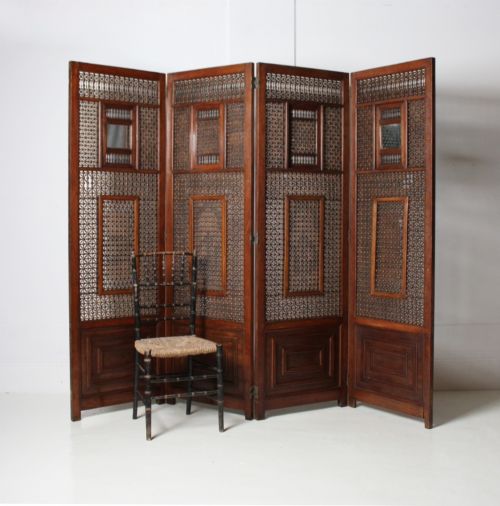
- An architectural element featuring turned wood lattice work utilised in panel screens. This technique brings intricate geometric patterns to room dividers.
Antique Folding Room Divider: Frequently Asked Questions
How were folding room dividers used?
These pieces served primarily to divide large spaces, block draughts near doors or windows, and create private dressing areas within bedrooms. They also functioned as decorative backdrops and visual partitions in grand reception rooms.
In addition to full-height room dividers, smaller tabletop and modesty variants were positioned on desks or near seating areas to provide targeted privacy or shield occupants from excessive heat and light.
What styles are common in these dividers?
The listings encompass a diverse range of aesthetic traditions, including Victorian, Edwardian, Regency, and Art Nouveau designs. European interpretations often feature French Rococo Revival giltwood or painted pastoral scenes.
Asian influences appear frequently through Chinoiserie lacquer work, Japanese painted textile panels, and Chinese carved Coromandel screens. Anglo-Indian and Middle Eastern influences also emerge via carved padauk wood and lattice work.
How many panels do these screens have?
Most surviving examples feature three or four folding leaves, connected by hinges that permit the panels to accordion in alternating directions. Larger formats with eight folds also exist for expansive rooms.
Smaller iterations include single-panel table screens and three-fold vanity or dressing partitions. The panel count typically correlates with the physical span and intended function of the divider.
What materials make up the panels?
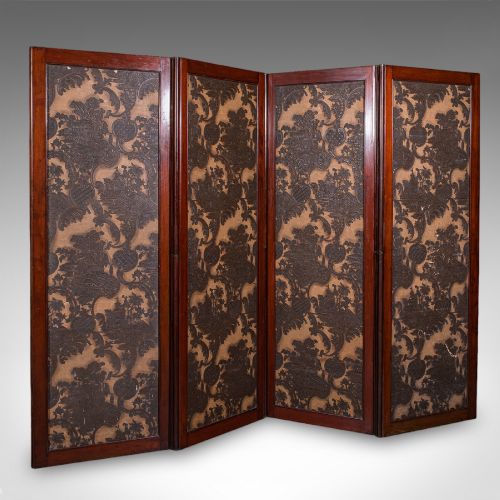
Panel surfaces utilise a wide spectrum of media, including oil paintings on canvas, hand-painted leather, woven tapestries, needlepoint, silk, and glass. Frames are built from hardwoods like mahogany, walnut, and oak, alongside giltwood.
Some specialised pieces incorporate papier-mâché, deep-carved bone figures, hardstone mounts, or dense layers of paper scraps. The choice of material heavily dictates the visual weight and character of the screen.