






Mahogany Draught Screen
A mahogany draught screen stands as both a practical barrier against cold drafts and a decorative feature in a period room.
Mahogany Draught Screen
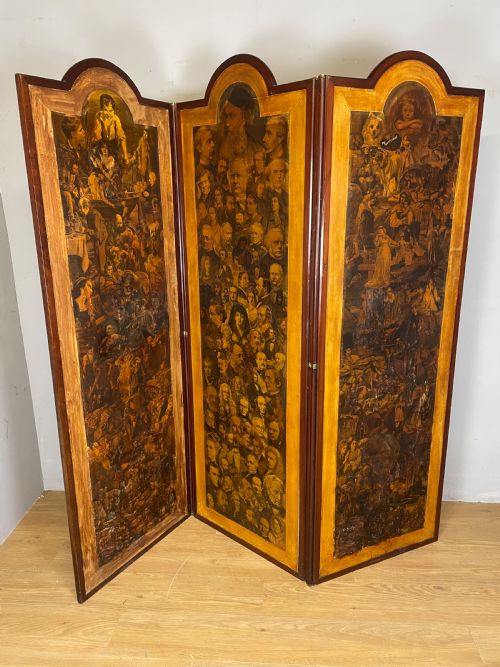
When you search for a mahogany draught screen, you encounter various forms designed to block chills and divide rooms, most frequently originating from the nineteenth century, the Victorian era, and the Edwardian period. These items appear as single-panel fire screens, folding screens with multiple panels, and tall room dividers made from mahogany.
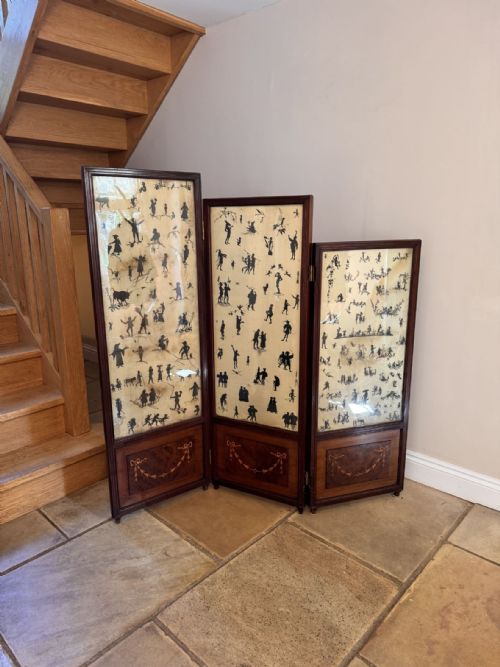
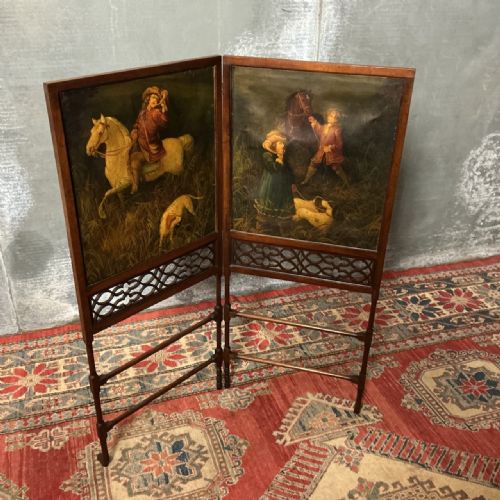
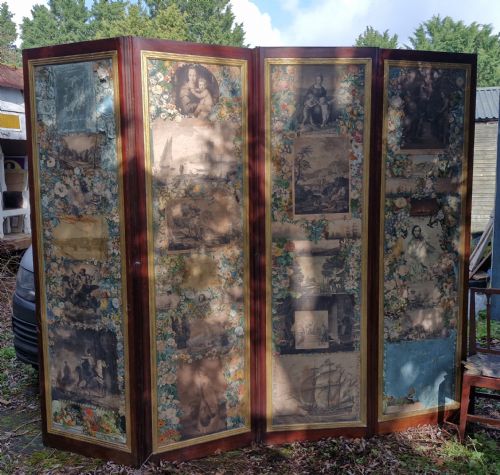
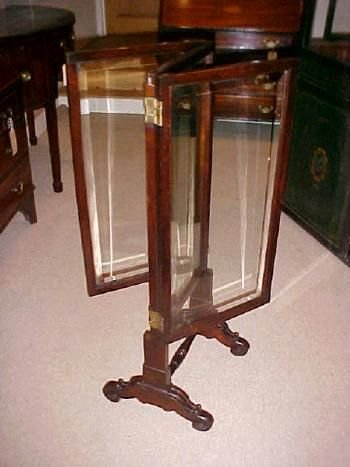
The versions you meet on this page include country house screens with large dimensions, multi-fold fully reversible items, and smaller pull-out firescreens with leaves. Makers utilised wood alongside textile panels, needlepoint, oil paintings, and glass to construct these functional barriers.
How they were made
The construction of these pieces relies on solid mahogany frames built to hold inset panels of canvas, fabric, or paper. Woodworking joints secure the multi-fold and pull-out configurations found in nineteenth-century workshops.
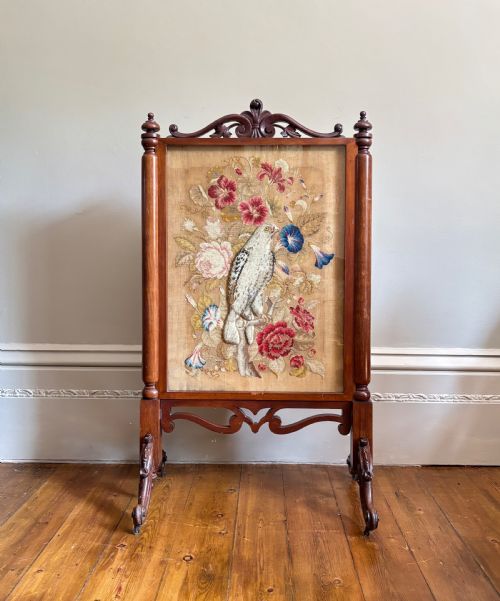
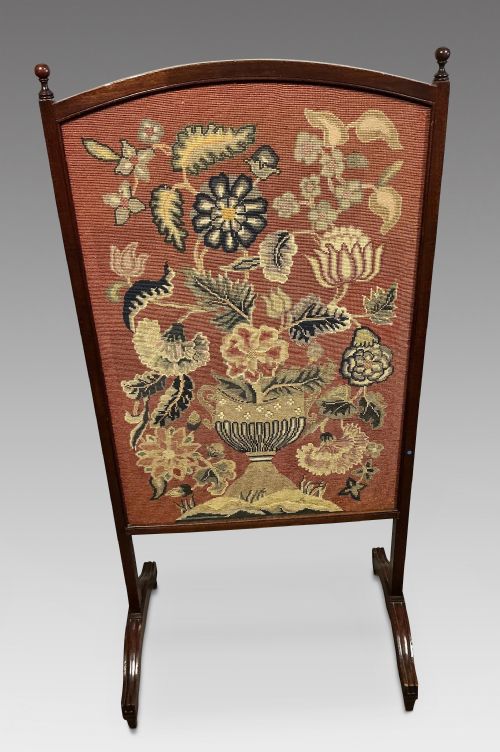
Artisans decorated the central sections using hand-woven Berlin work, needlepoint, wool textiles, and oil paintings. Brass hardware frequently connects the folding leaves and panels together.
Mahogany Draught Screen Retail Price Guide 2026
Typical asking prices for mahogany draught screen among the pieces listed under this phrase on Sellingantiques today, from the lower quarter to the upper quarter. They describe what is for sale here now, not the wider market.
Some five-fold screens are fully reversible, offering two completely different decorative views depending on which way you turn them.
What varies in quality
Quality shifts according to the scale of the timber frame and the complexity of the folding mechanism, distinguishing a standard pull-out firescreen from a large four-fold or five-fold country house room divider. Larger multi-panel items demand robust joinery to support their full height and weight.
The artistry within the inset panel separates simpler examples from finer pieces. Hand-woven needlepoint, Berlin work, and original oil paintings represent a higher level of decorative execution than basic fabric inserts.
The Mahogany Draught Screen Glossary
- Berlin work
- A style of counted-thread embroidery popular in the nineteenth century, often worked in wool on canvas. It provided colourful pictorial scenes for the central panels of screens.
- Needlepoint
- A form of canvas work embroidery executed by hand with wool or silk thread. This technique created the detailed pastoral and floral designs seen on Victorian fire screens.
- Firescreen
- A moveable piece of furniture placed in front of a fireplace to block radiant heat when the fire was low. They often featured adjustable panels or decorative screens.
- Room divider
- A tall multi-panel screen used to partition large spaces or create privacy within a room. Evidence shows versions reaching significant heights with multiple folding leaves.
- Decoupage
- The art of decorating a surface by applying paper cutouts and varnishing them. Some nineteenth-century country house screens utilise this decorative method on their panels.
Mahogany Draught Screen: Frequently Asked Questions
What is a mahogany draught screen?
A mahogany draught screen is a moveable wooden partition designed to shield occupants from cold air currents near doors or windows. These items often double as decorative furnishings.
They utilise a mahogany frame to support panels made from canvas, fabric, needlepoint, or glass, adapting to different domestic spaces.
How were fire screens used?
Fire screens served primarily to protect people sitting near a hearth from the intense heat of an open fire. They also shielded complex room decoration from soot and sparks.
As heating methods changed, their utility shifted toward dividing spaces and adding decorative privacy to large rooms.
How do I identify a Victorian screen?
Victorian screens typically display rich mahogany framing combined with hand-woven needlepoint, Berlin work, or fabric panels. Their design reflects nineteenth-century craftsmanship and domestic utility.
They appear as single-panel firescreens or large country house room dividers dating from the middle to late nineteenth century.
What is the difference between a fire screen and a room divider?
A fire screen is generally a single-panel or pull-out screen specifically proportioned for placement near a fireplace hearth. They often feature adjustable heights or leaves.
A room divider consists of multiple folding panels designed to partition larger floor spaces and create private areas within a chamber.