

Antique Folding Desk
When you search for an antique folding desk, you encounter portable writing furniture designed for travel and compact spaces.
Antique Folding Desk
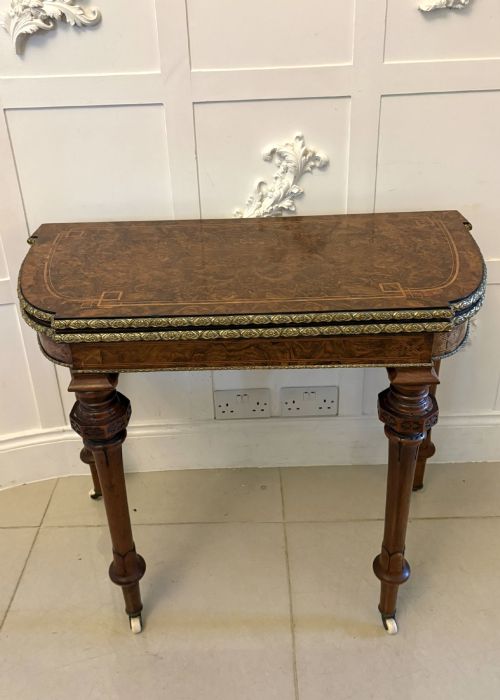
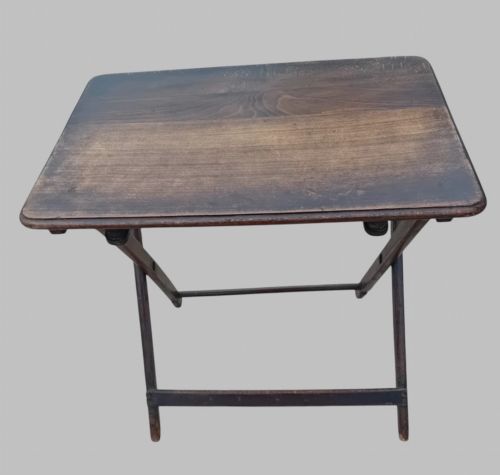
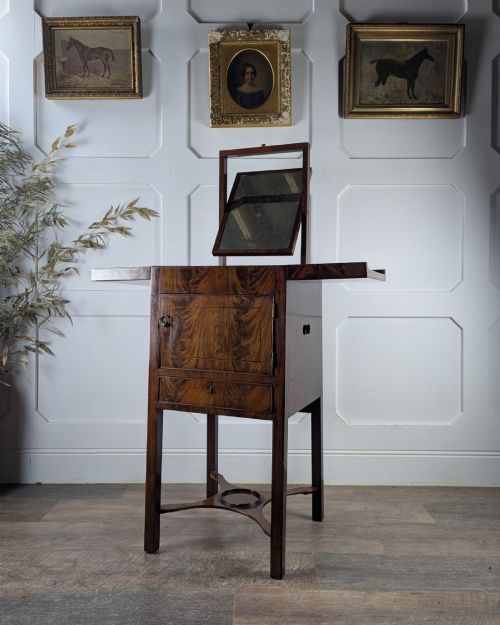
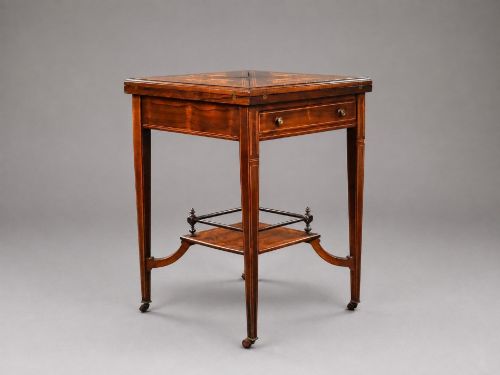
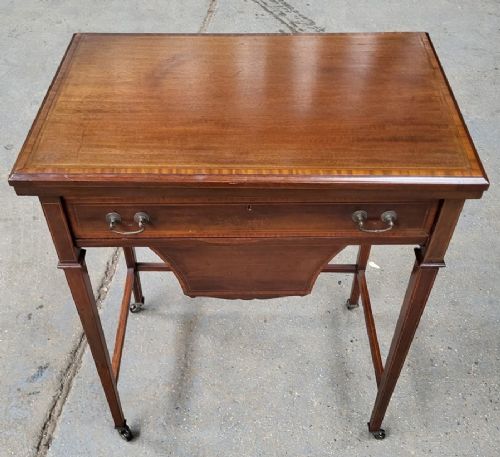
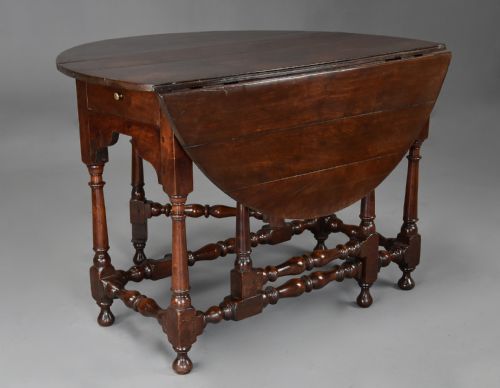
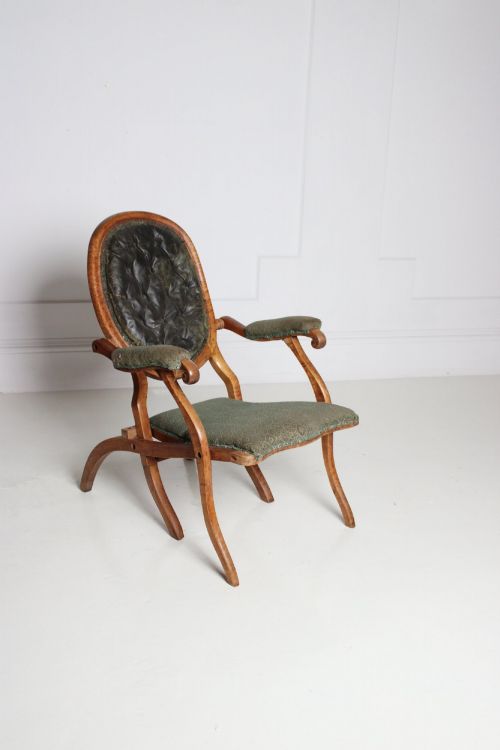
An antique folding desk is portable writing furniture engineered to collapse or fold for transport and compact storage. These pieces encompass campaign styles and compact writing tables originating from the eighteenth, nineteenth, and early twentieth centuries.
How they were made
Cabinet makers built these pieces using dense timbers like mahogany, oak, and walnut, frequently enhanced with satinwood, rosewood, or burr walnut veneers. Structural rigidity relied on precision joinery to withstand the rigours of transit.
Brass fittings, including corner braces, hinges, and carrying handles, were inset flush into the wood to protect the surfaces during travel. Folding actions utilised specialised hinges, folding cross-frames, and sliding elements.
What varies in quality
Quality rests in the precision of the folding mechanism and the integration of hardware. Superior examples display flush-fitted brasswork and smooth, reliable movement without looseness in the joints.
The choice of timber and secondary woods dictates standard. Finer pieces employ well-figured mahogany or walnut with meticulous inlay, whilst simpler utility pieces utilise pine or beech.
Gillows·Mappin and Webb·Asprey London·J.C Vickery
The Antique Folding Desk Glossary
- Campaign style
- Portable furniture constructed for military officers on campaign, characterised by folding frames, dismantling sections, and protective brass corners.
- Metamorphic
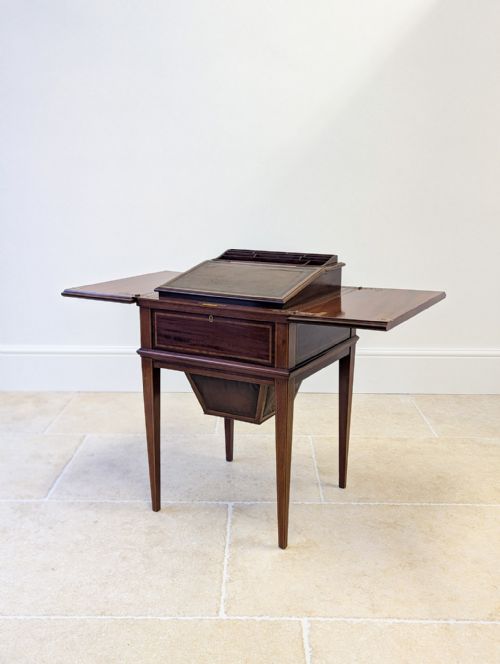
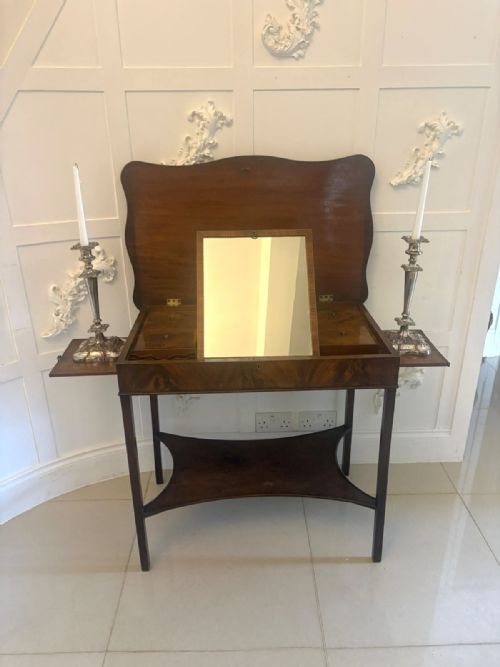
- Furniture designed to transform from one form into another, such as a side table converting into a writing desk.
- Inlay
- The technique of inserting pieces of contrasting timber or shell into a wood surface to form decorative patterns.
- Pembroke table
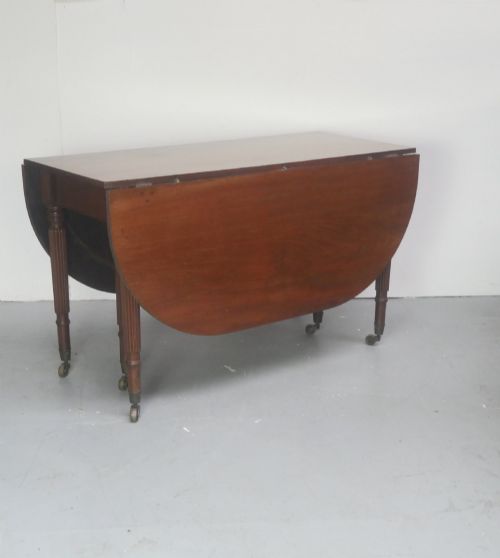
- A small table with hinged drop leaves on either side, often featuring a drawer.
- Brass mount
- Protective or decorative metalwork fitted to corners, edges, and handles to reinforce joints.
Antique Folding Desk: Frequently Asked Questions
What is an antique folding desk?
An antique folding desk is a portable writing piece designed to collapse for travel, storage, or compact domestic use. These items range from military campaign desks to domestic writing compendiums.
They reflect the necessity of mobile administration in past centuries, combining functional writing surfaces with space-saving engineering.
How do you use a folding desk?
You deploy the folding mechanisms, legs, or drop leaves to create a stable writing surface when needed. Many incorporate compartments for stationery, inkwells, and writing implements.
When not in use, the desk folds down into a compact box or flat profile for easy storage against a wall or during travel.
Where were folding desks used?
These desks saw service in military campaigns, aboard ships, and within compact urban homes where space was at a premium. Portable writing compendiums travelled with owners across long journeys.
Domestic variants served in drawing rooms, bedrooms, and studies as versatile daily writing furniture.
How do I date a folding desk?
Dating relies on timber selection, construction methods, and the style of brass hardware and cabinet work. Georgian and Victorian examples display distinct joinery and wood choices typical of their decades.
Makers' marks or stamps, when present, provide direct evidence of the workshop and manufacturing period.