
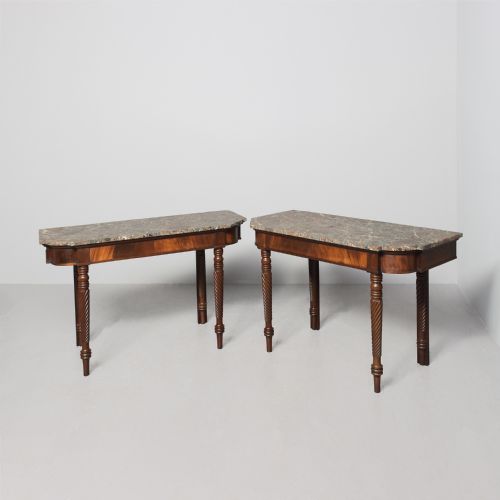
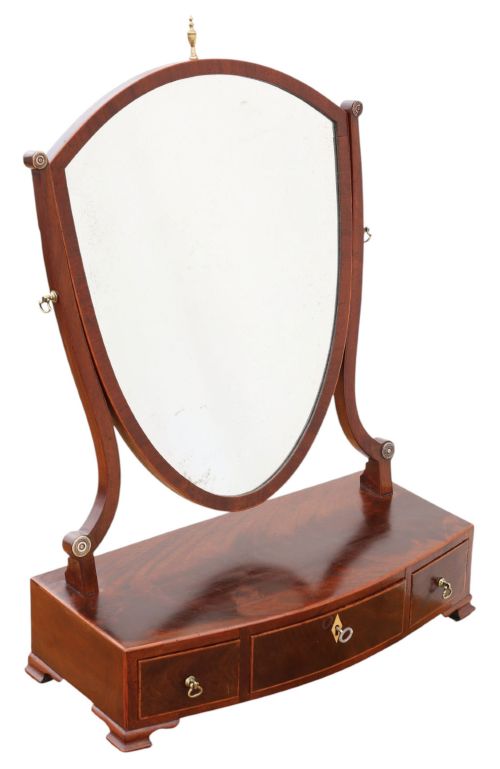
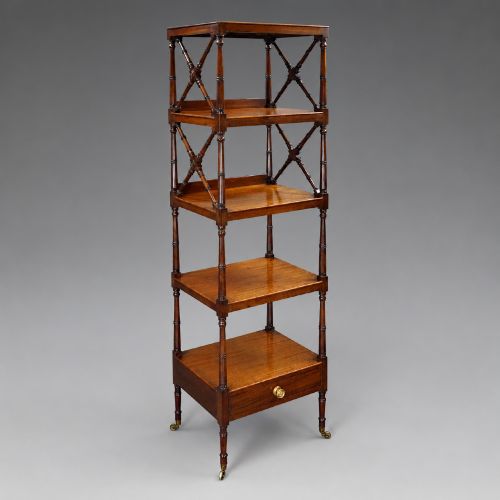

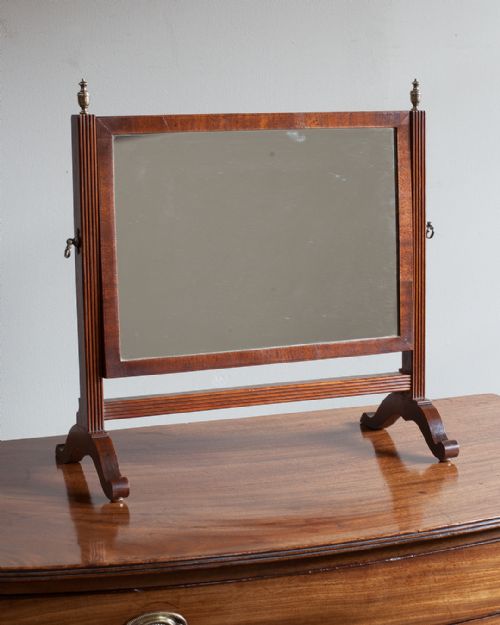
Mahogany X Frame Table
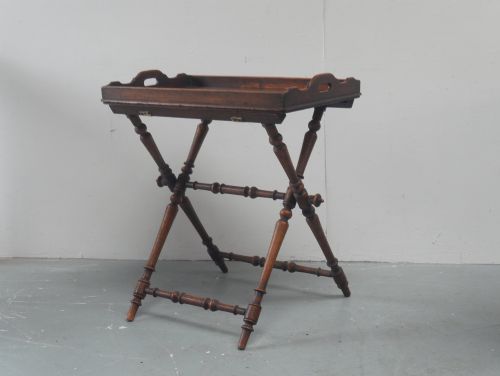
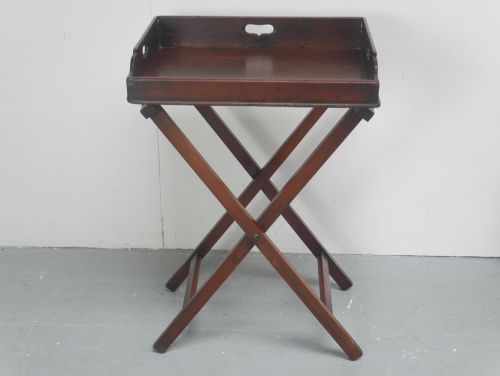
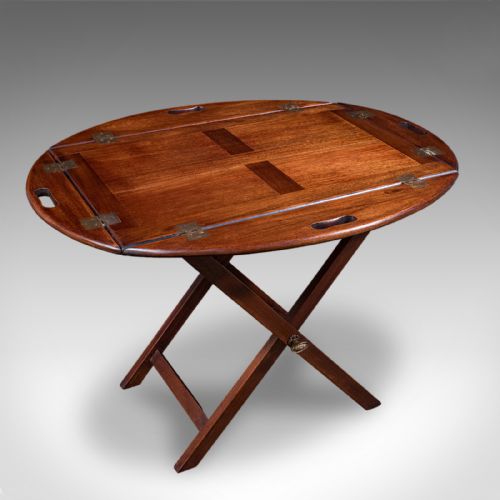
A mahogany x frame table brings structural tension and architectural elegance to a room, uniting timber strength with crossed supports.
Mahogany X Frame Table
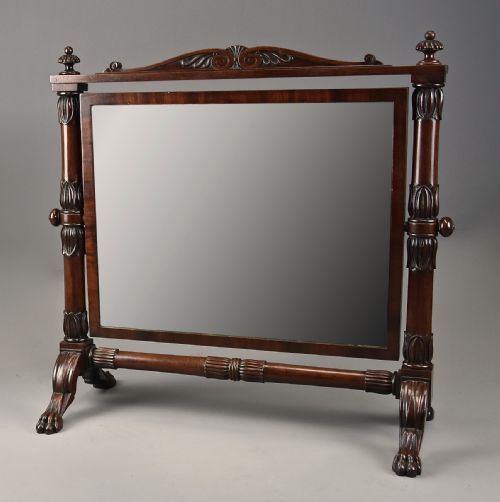
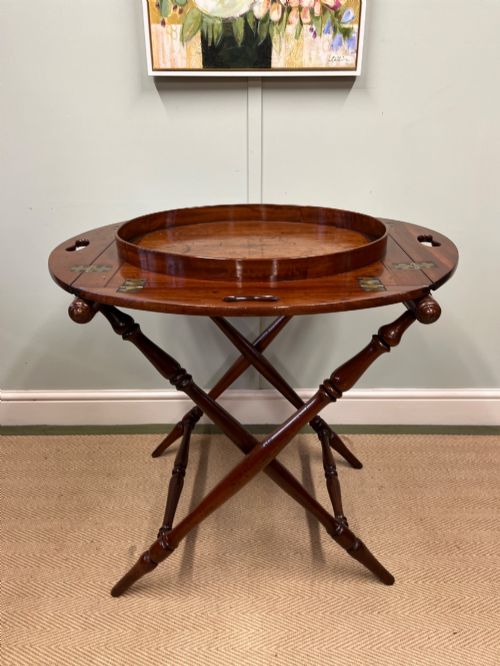
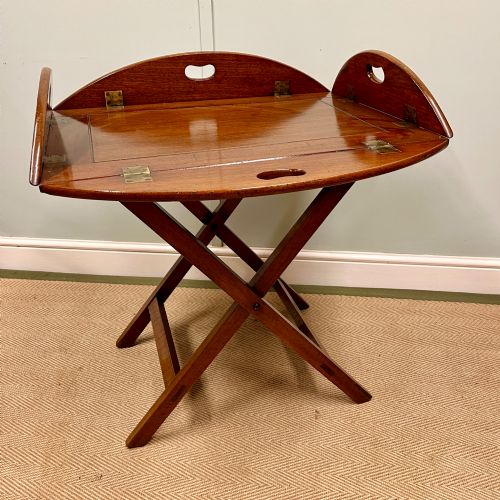
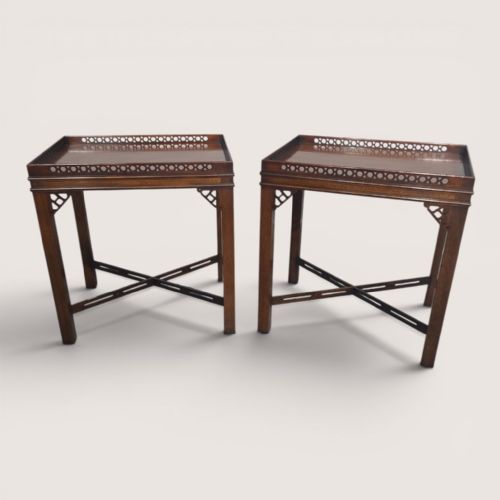
A mahogany x frame table draws the eye through its distinctive crossed-leg architecture, emerging in Georgian, Regency and Victorian periods for library, writing or side use. Buyers searching for a mahogany x frame table seek this specific crossing geometry that elevates standard occasional or serving furniture into a sculptural statement.
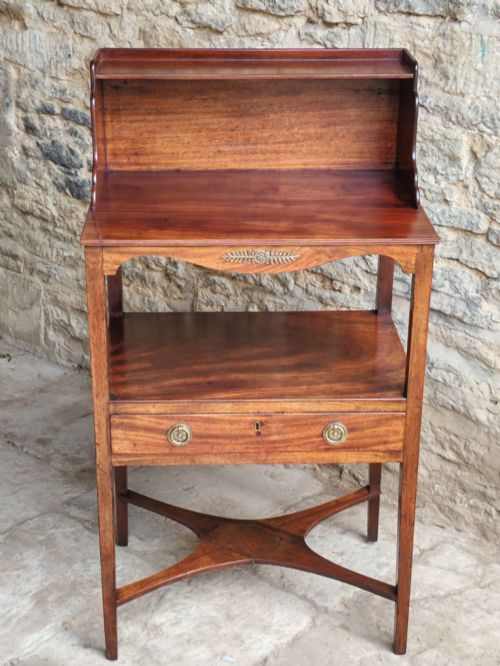
The variations span from compact reading desks to larger library tables, constructed primarily in rich timbers with occasional brass or leather detailing. While formal library tables and writing desks represent the grander end of the form, simpler side stands and serving surfaces also adopt the characteristic cross brace.
Originating across British workshops through the eighteenth and nineteenth centuries, these tables reflect shifting tastes from classical revivalism to domestic utility. Surviving examples demonstrate how cabinetmakers adapted the X-form stretcher or structural base to support everything from heavy book collections to delicate tea trays.
How they were made
Makers relied on dense, straight-grained mahogany and Cuban mahogany, selected for its ability to hold tight joints and crisp carved details under structural load. Timber selection dictated stability, particularly where crossed stretchers intersected to bear weight from the top surface.
Joinery methods combined traditional mortise and tenon joints with reinforced pivot points or fixed intersections on the frame. Secondary materials such as brass fittings, glass inserts, leather writing surfaces, and damask fabrics appeared on refined library and writing variants.
Surface finishing involved hand-applied polishes that highlighted the deep red and brown figuring of the wood. Cabinetmakers utilised simple wax or shellac friction finishes to seal the timber while preserving its natural lustre and grain depth.
Mahogany X Frame Table Retail Price Guide 2026
Typical asking prices for mahogany x frame table among the pieces listed under this phrase on Sellingantiques today, from the lower quarter to the upper quarter. They describe what is for sale here now, not the wider market.
Early cabinetmakers tested frame strength by having apprentices sit directly on the X-joints before final polishing.
What varies in quality
Structural integrity at the critical intersection points defines the upper tier of these pieces, separating robust library furniture from lighter domestic stands. Quality rests on the precision of the joinery where the crossed members meet and distribute weight.
The choice of timber grain and figure dictates visual hierarchy, with figured Cuban mahogany and carefully matched veneers marking superior workshop output. Subtle hand-carving along the edges and frame margins further distinguishes bespoke commissions from standard production pieces.
P and MA Nicholson·John Taylor Edinburgh
The Mahogany X Frame Table Glossary
- X-frame
- A structural furniture base formed by two diagonal members crossing in an X shape. This configuration provides lateral stability and supports heavy table tops without requiring traditional four-corner legs.
- Cuban mahogany
- A dense, heavy hardwood species prized for its rich colour and complex grain patterns. It was widely utilised in high-end eighteenth and nineteenth-century British cabinet making.
- Stretcher
- A horizontal timber rail connecting table legs to increase rigidity. On these pieces, stretchers frequently form the crossed component of the underframe.
- Pembroke table
- A small rectangular table featuring two hinged drop leaves on opposing sides. Examples occasionally incorporate crossed stretcher supports beneath the drawer apron.
Mahogany X Frame Table: Frequently Asked Questions
What is an X frame table?
An X frame table is a piece of furniture featuring crossed diagonal supports beneath the surface rather than standard vertical legs at each corner. This design provides both structural bracing and a distinct architectural silhouette.
Historically constructed from dense timbers like mahogany, these tables served various roles from library desks to serving stands. The crossed geometry allows for open knee clearance while maintaining load-bearing strength.
How were these tables used?
These tables functioned primarily as writing desks, library tables, and occasional serving surfaces in formal rooms. Their sturdy underframes made them suitable for holding heavy volumes or serving apparatus.
Over the centuries, owners placed them in studies, libraries, and withdrawing rooms where both utility and formal appearance mattered. The compact footprint suited spaces requiring movable, sturdy surfaces.
How do I date a mahogany table?
Dating relies on examining the timber density, construction methods, and secondary woods used in the frame drawers and inner bracing. Earlier eighteenth-century pieces often feature solid mahogany and hand-cut joinery.
Later Victorian and Edwardian examples incorporate machine tooling and varied secondary timbers alongside the primary mahogany veneer or solid construction. Style markers such as Regency curves or Georgian carving details help narrow the decade of origin.
How do I care for mahogany furniture?
Mahogany furniture requires stable indoor humidity levels and protection from direct sunlight to prevent timber drying and fading. Regular dusting with a soft, dry cloth maintains the surface sheen.
Applying natural beeswax periodically nourishes the wood and preserves the depth of the finish without building up heavy chemical layers. Avoid placing hot or wet items directly on the polished timber surface.