




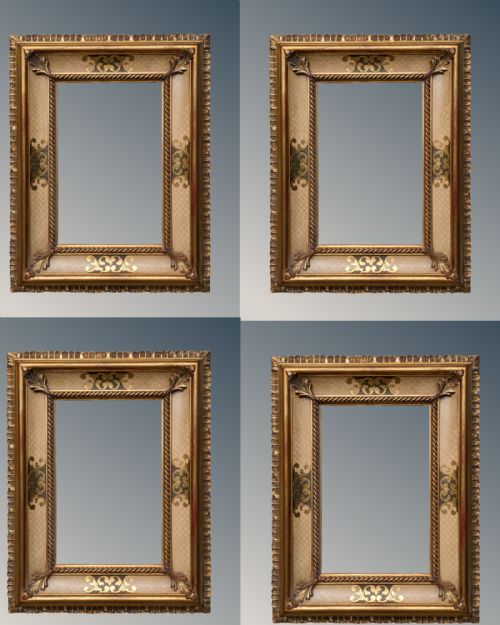


Antique Florentine Mirror
An antique florentine mirror brings carved giltwood decoration and historical depth into a room.
Antique Florentine Mirror
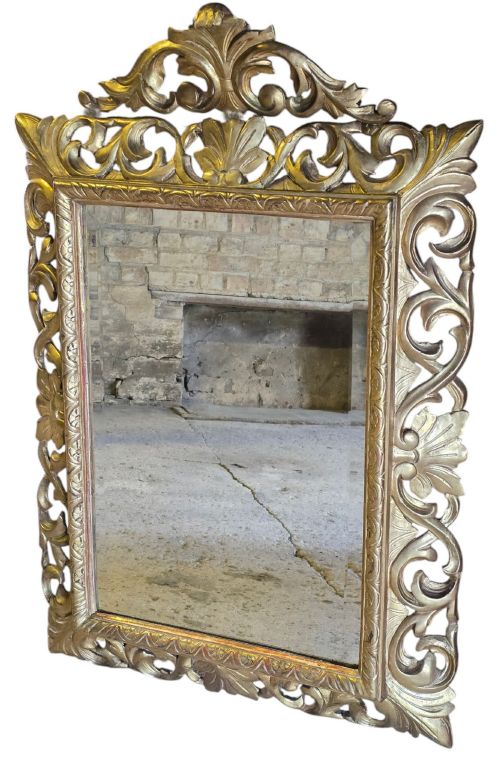
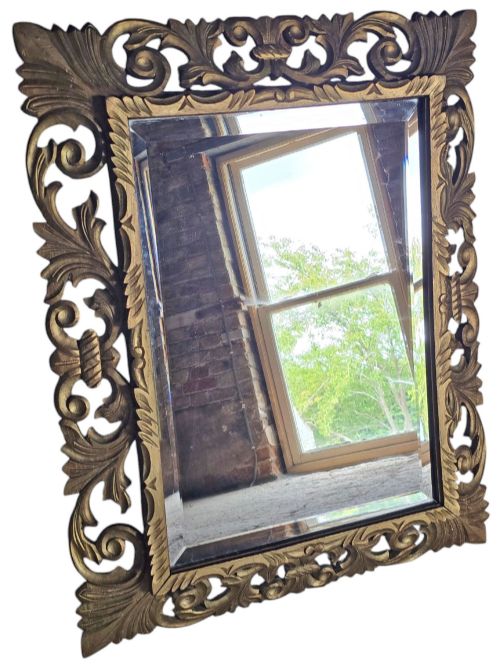
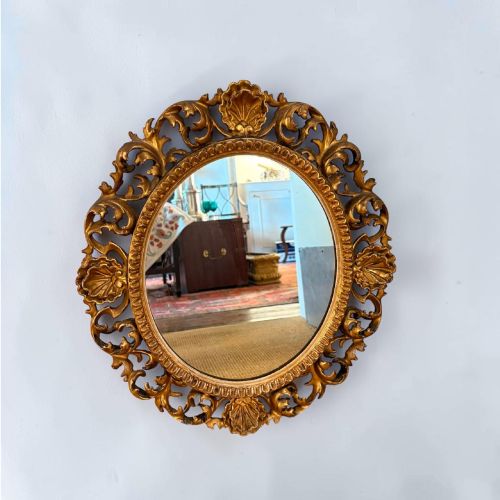
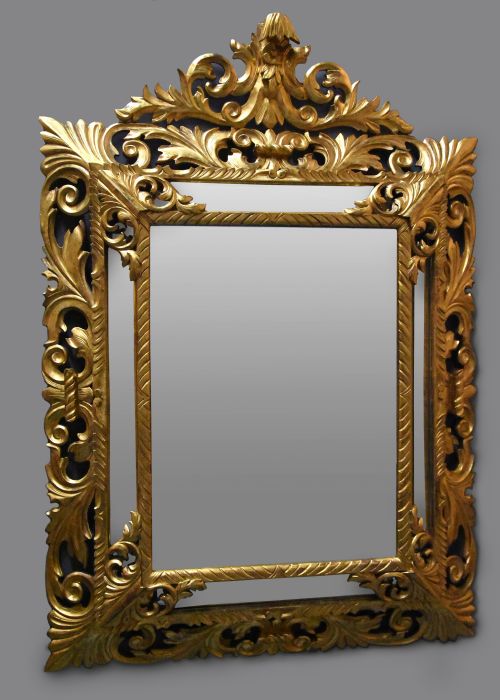
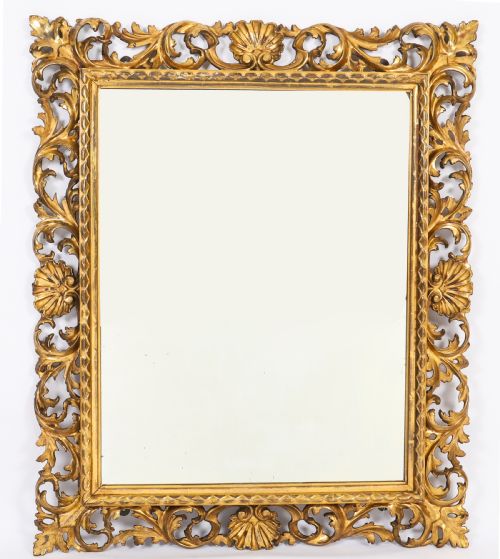
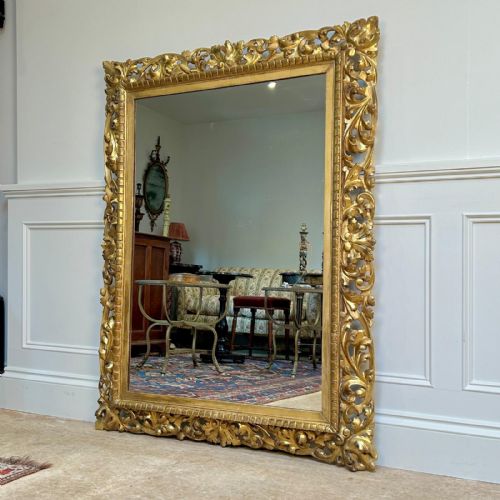
An antique florentine mirror is typically a wall-hanging glass plate enclosed in an ornate wooden frame originating from Italy. The version most frequently encountered on this page dates from the nineteenth century, taking the form of rectangular overmantles, oval portraits, or cushion frames.
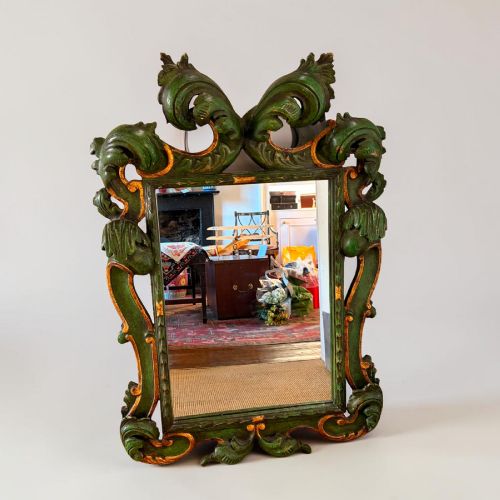
These pieces range from modest domestic looking-glasses to large statement pieces intended for principal reception rooms. Surviving examples demonstrate various regional interpretations, including rococo and baroque revivals alongside standard florentine styles.
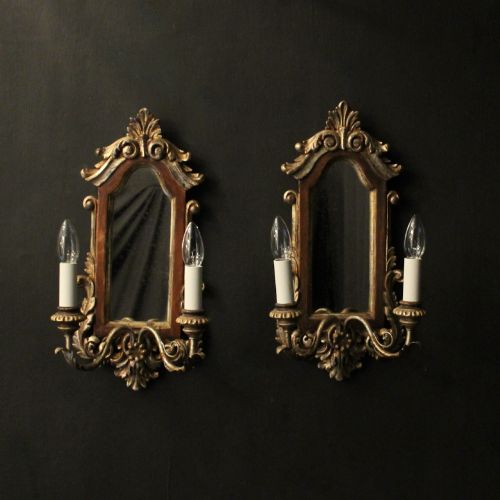
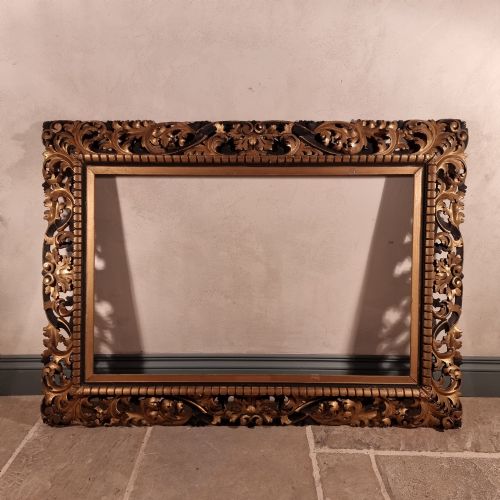
Beyond standard wall mirrors, the selection includes related decorative forms such as girandoles with candle arms, picture frames, and pier glasses. Each variation displays the distinct craftsmanship associated with historic Florentine workshops.
How they were made
Makers constructed the frames using timber bases, predominantly carved wood or padauk, often built up with layers of gesso to create high-relief ornamentation. Artisans applied gold leaf or gilt finish over the prepared surfaces to achieve a luminous metallic appearance.
Carving techniques produced intricate surface details such as fruiting vines, scrolls, and crests directly into the wood or composition material. The reflective mirror glass was then fitted into the finished rebate, secured behind the decorative borders.
Antique Florentine Mirror Retail Price Guide 2026
Typical asking prices for florentine mirror among the pieces listed under this phrase on Sellingantiques today, from the lower quarter to the upper quarter. They describe what is for sale here now, not the wider market.
Listings feature pieces spanning from the late 18th century through to the mid-20th century.
What varies in quality
The standard of carving dictates much of the distinction between pieces, where deeply undercut foliage and crisp, hand-carved details signal superior craftsmanship over simpler moulded plaster work. The refinement of the gilding further separates examples, with traditional gold leaf ageing differently than later metallic paints.
Structural integrity of the timber frame and the originality of the mirror glass contribute significantly to a piece's standing. Overmantles and large wall mirrors that retain their original proportions and heavy gesso ornamentation represent the upper tier of the range.
Giuliano Spinelli Florence
The Antique Florentine Mirror Glossary
- Giltwood
- Wood that has been coated with gold leaf or gold paint. This finish creates the characteristic bright metallic sheen seen on historic Italian frames.
- Gesso
- A plaster-like mixture applied to wood frames to create a smooth surface for gilding and deep relief carving. It allows artisans to model intricate scrolls and patterns.
- Girandole
- A decorative wall mirror featuring attached candle branches or arms. These branching fixtures provided additional illumination by reflecting candlelight.
- Overmantle
- A large mirror designed specifically to hang above a fireplace mantel. These expansive pieces often served as the central visual focus of a room.
- Pier glass
- A tall, narrow mirror traditionally hung on the wall space between windows. They maximised natural light in nineteenth-century interiors.
Antique Florentine Mirror: Frequently Asked Questions
How do I hang a heavy giltwood mirror?
Large overmantles and carved wall mirrors require secure fixings anchored directly into structural wall studs or masonry. Professional mirror hangers use heavy-duty brackets to support the substantial combined weight of the timber frame and glass.
Ensuring the hanging wire or D-rings match the load capacity prevents accidental displacement. Checking the wall construction beforehand guarantees safe long-term display.
Are these mirrors suitable for bathrooms?
Historic giltwood and gesso frames react poorly to high humidity and direct moisture exposure. Damp environments cause the traditional gesso layers to soften and the gold leaf to flake off the wooden base.
Dry interior rooms such as living spaces, hallways, or bedrooms provide the stable climate required to preserve the delicate finishes. Maintaining consistent ambient temperatures protects both the wood and the silvering on the glass.
How do I clean antique mirror glass?
Cleaning requires a soft microfiber cloth and a mild, ammonia-free glass cleaner applied sparingly to the cloth rather than directly to the surface. This prevents liquid from seeping behind the glass plate and damaging the historic backing.
Harsh chemical sprays strip original patinations and harm the surrounding giltwood frame. Gentle wiping preserves both the reflective surface and the surrounding craftsmanship.
How can I tell a nineteenth-century frame apart from a later copy?
Nineteenth-century pieces typically exhibit older timber construction methods, hand-applied gesso shrinkage cracks, and genuine wear patterns on the gold leaf. Closer inspection of the joinery and the backboards reveals the age of the materials used.
Later reproductions often display uniform machine tooling and lack the authentic depth of hand-carving found in period Italian work. Comparing the weight and the oxidation on the mirror plate further aids identification.