
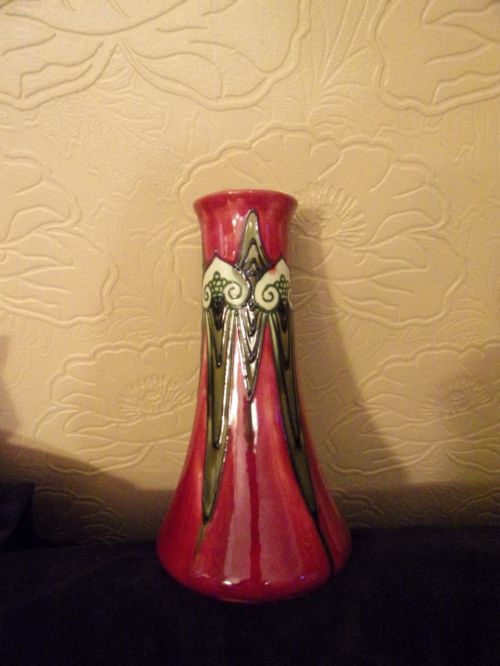
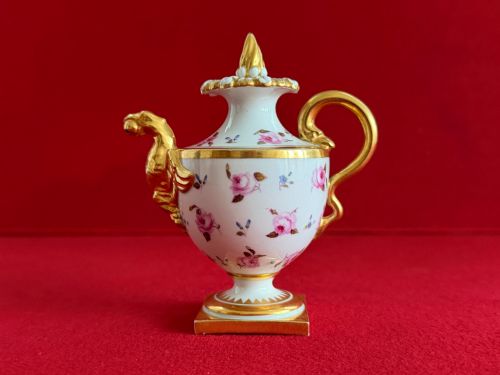
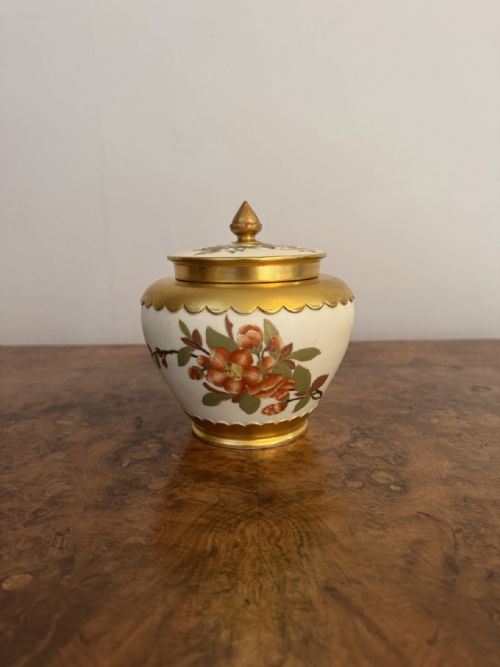
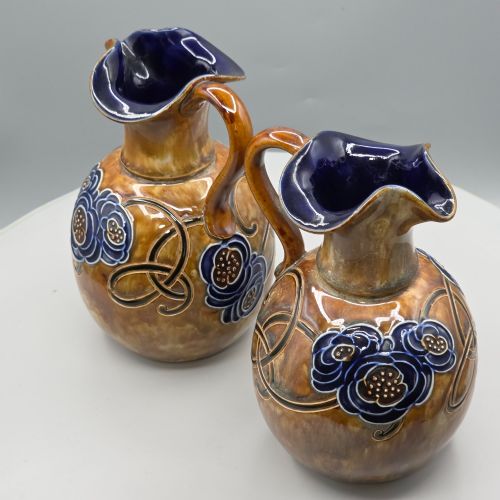
Antique Floral Ceramic Vase
An antique floral ceramic vase brings hand-painted blooms and rich historical glaze work straight onto a mantel or side table.
Antique Floral Ceramic Vase
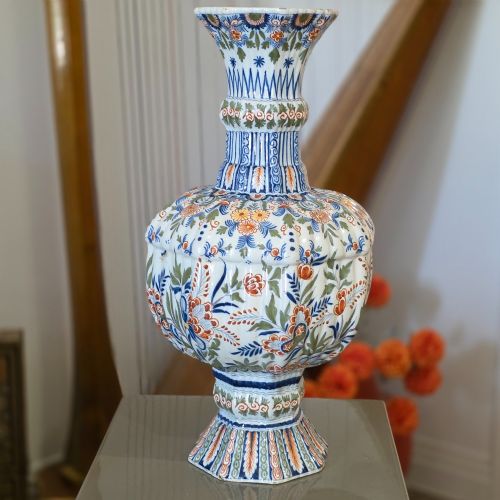
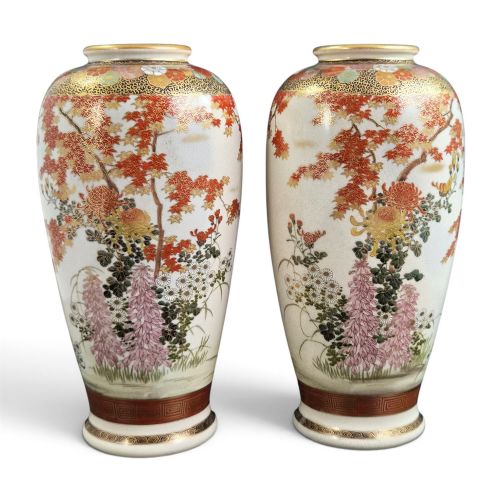
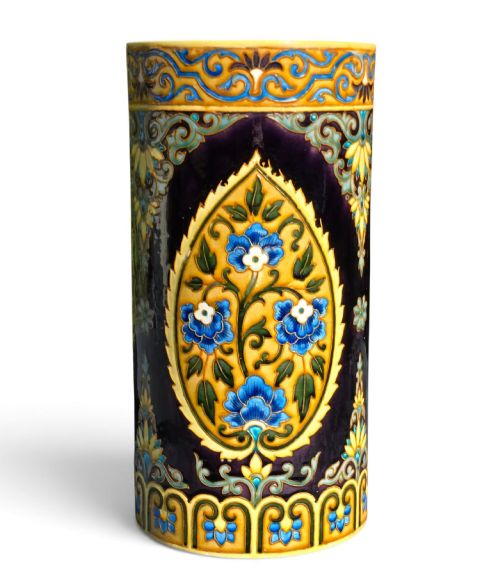
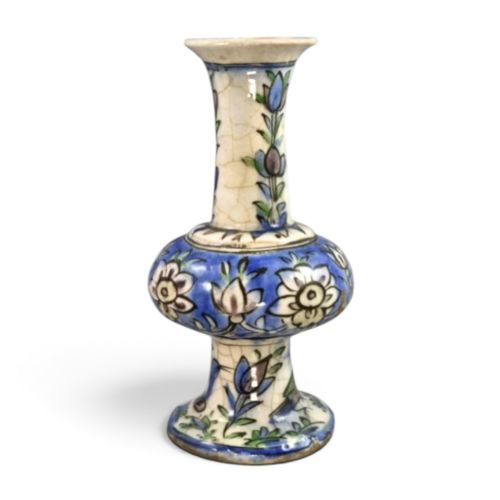
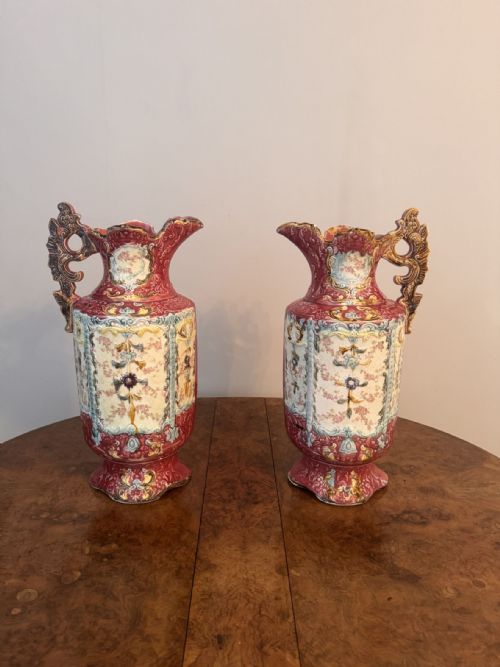
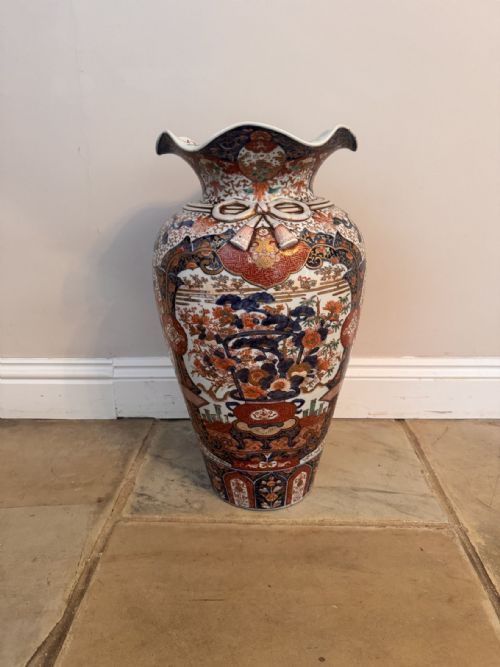
When buyers search for an antique floral ceramic vase, they encounter a diverse array of decorative vessels spanning several centuries and origins. The selection ranges from nineteenth-century English stoneware and porcelain to Japanese Satsuma and Imari pieces created around nineteen hundred. Forms include standard table vases, lidded potpourri pots, ewers, jugs, and larger umbrella stands.
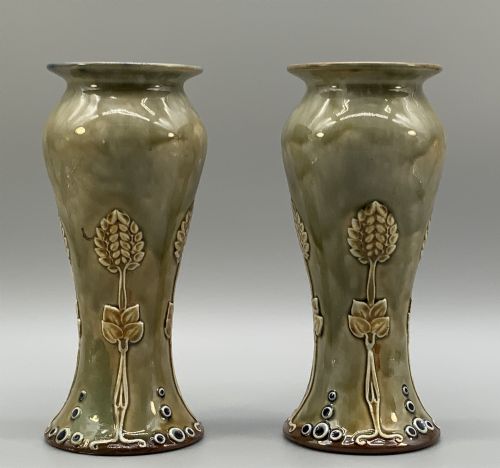
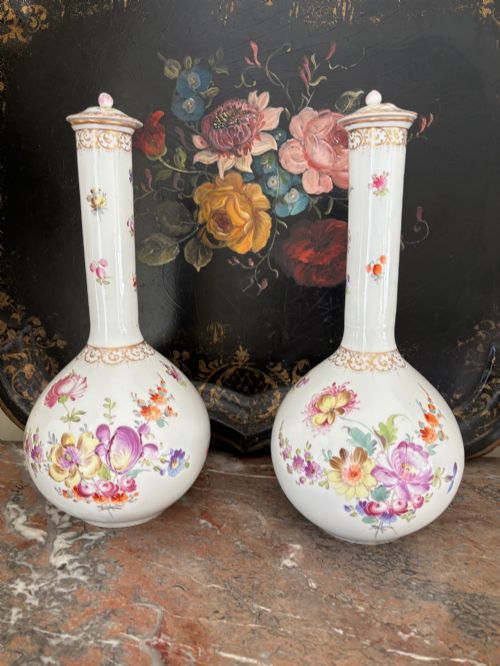
The pieces on this page lean heavily towards late nineteenth and early twentieth-century examples, notably Victorian, Edwardian, Art Nouveau, and Arts and Crafts productions. English factories such as Royal Doulton and Royal Worcester appear frequently, alongside continental European workshops and Asian imports. Buyers find both individual vessels and matched pairs suitable for domestic display.
Materials and production methods
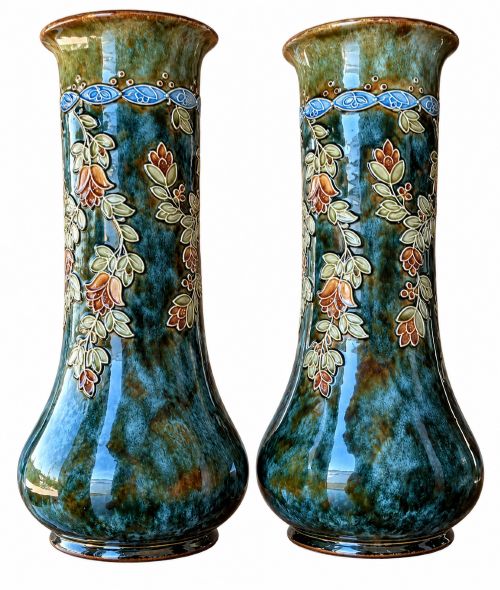
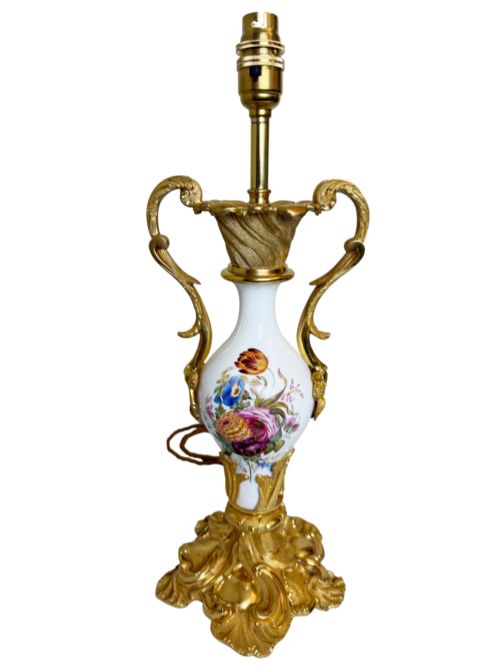
Potters shaped these vessels using earthenware, porcelain, stoneware, and faience, applying specialised glazes to achieve smooth or textured finishes. Many works incorporate hand-painted floral decoration, enamel detailing, and tube-lined designs that raise the pigment above the surface of the clay. Guilding, gold leaf, and bronze mounts add metallic contrast to the ceramic bodies.
Firing techniques varied according to the traditions of the pottery, from high-temperature stoneware kilns used in Lambeth to delicate porcelain firings in Worcester and Derby. Artisans utilised transfer printing, hand brushing, and intricate incising to apply botanical motifs before sealing the work with a protective vitreous coating.
Listings feature ceramics spanning the eighteenth to the twentieth centuries, utilising porcelain, earthenware, stoneware, and enamel.
Distinctions in craftsmanship and design
Quality in these ceramics rests upon the precision of the hand-painted botanical details and the depth of the glaze. Pieces featuring tube-lined work or intricate multi-layered enamelling display a higher level of artisan skill than standard mass-produced transfers. The crispness of modelled elements, such as handles or applied floral relief, separates standard items from exceptional studio pieces.
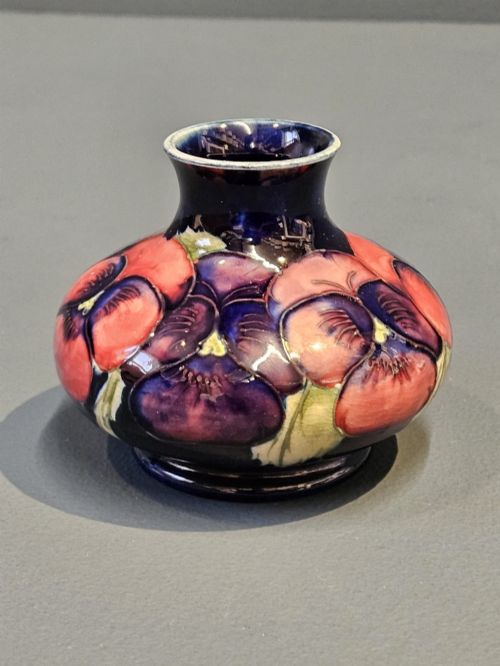
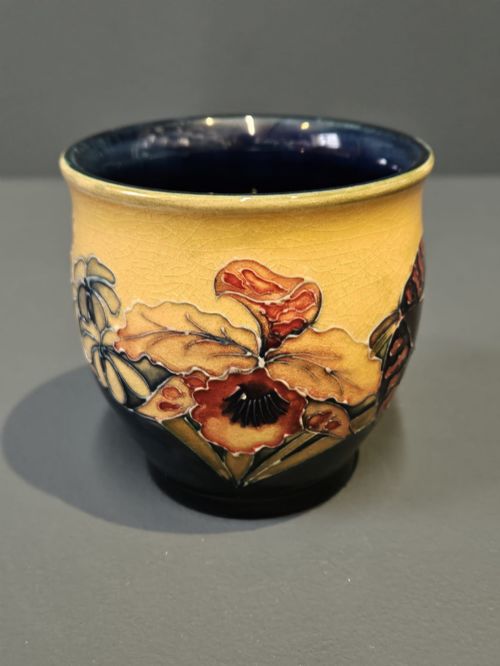
Provenance and factory attribution elevate certain examples, particularly signed works from notable designers or recognised potteries like Moorcroft and Doulton Lambeth. The preservation of original gilding and matched pairs adds substantial weight to a piece, whereas heavy wear or mismatched components diminish the overall integrity of the object.
Royal Doulton·Royal Worcester·Moorcroft·Sitzendorf·Flight Barr and Barr·Maruni Kobe
The Antique Floral Ceramic Vase Glossary
- Stoneware
- A robust ceramic fired at high temperatures until vitrified and impermeable to liquid. It provides a durable body for heavy glazes and incised decoration.
- Imari
- A style of Japanese export porcelain characterised by a palette of underglaze blue, iron red, and added gold. These pieces often feature dense floral and panel designs.
- Baluster
- A vertical architectural form shaped with a rounded lower portion tapering to a narrow neck. Many tall ceramic vessels adopt this balanced silhouette.
- Blush Ivory
- A specialised cream-coloured ceramic ground developed by Royal Worcester. It mimics the tone of ivory and serves as a soft background for hand-painted floral sprays.
- Potpourri
- A mixture of dried plant material and spices kept in a decorative vessel for scent. Such jars feature pierced lids to diffuse fragrance into a room.
- Faience
- Tin-glazed earthenware produced in various European traditions. It accepts colourful painted decoration directly onto an opaque white glaze.
Antique Floral Ceramic Vase: Frequently Asked Questions
Were these vases meant for flowers?
Many vessels served a purely decorative function on mantelpieces and cabinets rather than holding water and fresh stems. Potpourri jars, umbrella stands, and large floor vases were designed for display and scent diffusion.
Smaller jugs and handled vessels could accommodate stems, but collectors often protect the interior glaze by using waterproof liners. Examining the interior helps determine if a piece experienced actual historic use.
How can I date my ceramic vase?
Examine the base for factory stamps, impressed registration numbers, or hand-painted artist ciphers that correspond to manufacturer date codes. Stylistic indicators like Art Nouveau curves or Victorian colour palettes also narrow down the production era.
Compare the weight, clay body, and glaze characteristics against documented examples from specific periods. Consultation with factory archives provides precise manufacturing years for marked items.
What is tube-lining?
Tube-lining is a decorative technique where liquid clay is squeezed through a nozzle onto the surface of a ceramic piece. This creates raised outlines that form the boundaries of floral patterns before glazing.
After drying, artisans fill the resulting compartments with coloured glazes or enamels. The method produces a distinctive tactile relief that characterises certain Arts and Crafts ceramics.