
Antique Fire Guard
An antique fire guard protects the room from stray embers while bringing period character to the hearth.
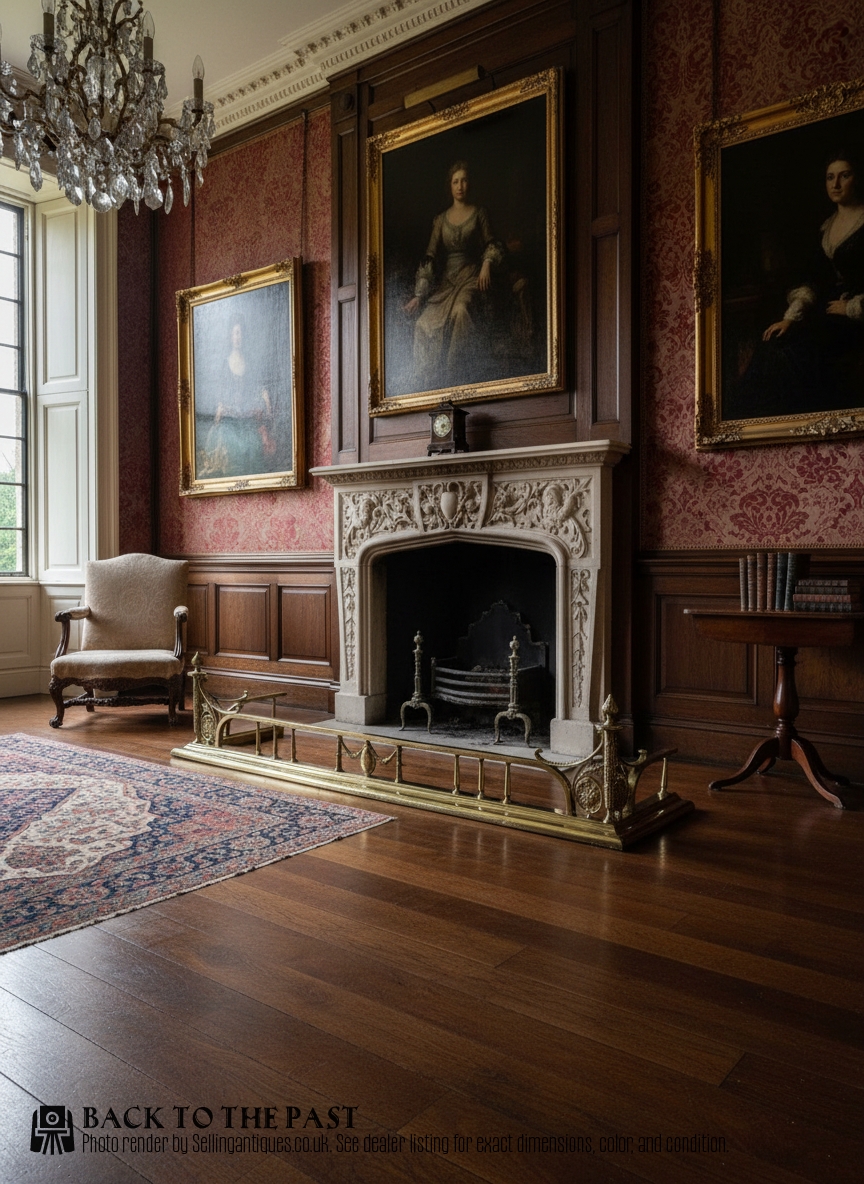
Antique Fire Guard
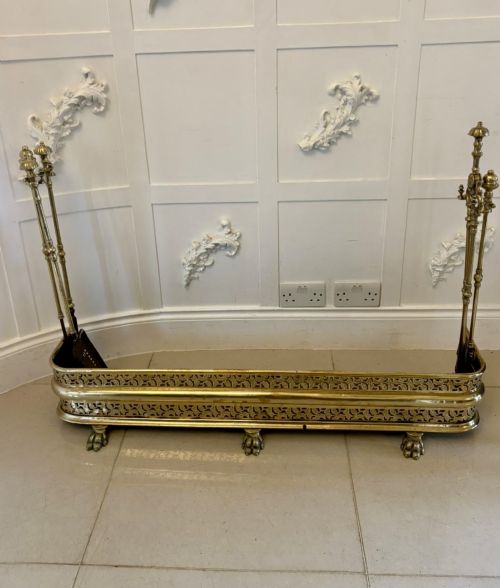
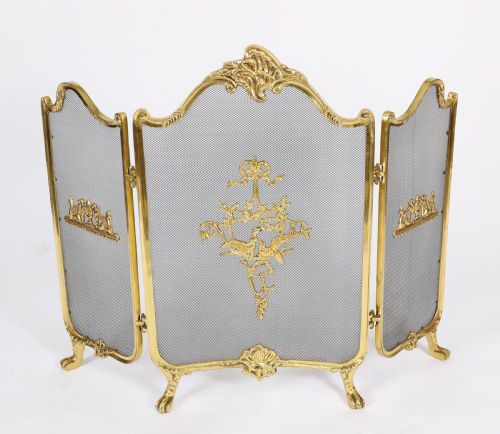
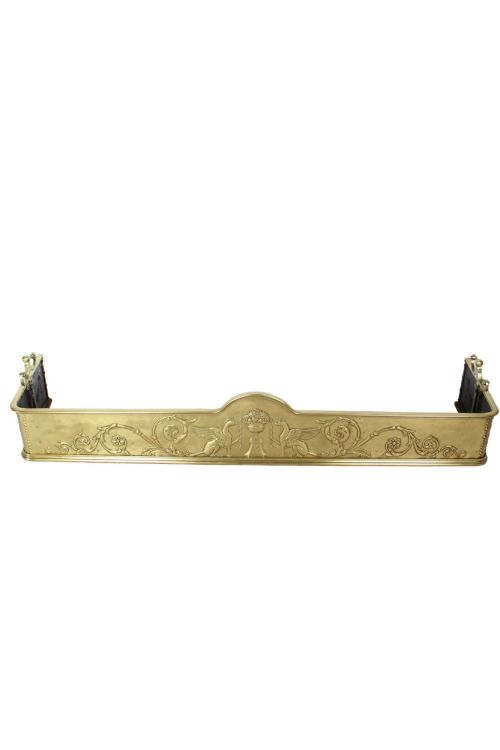
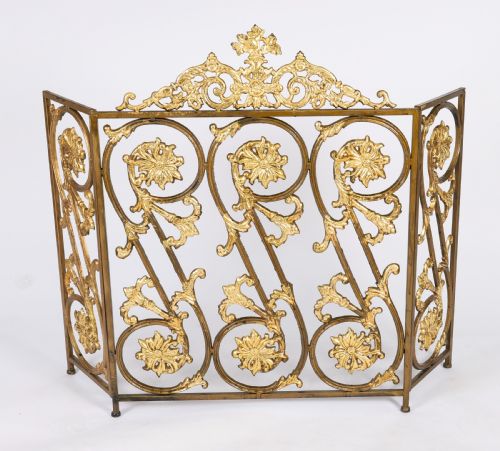
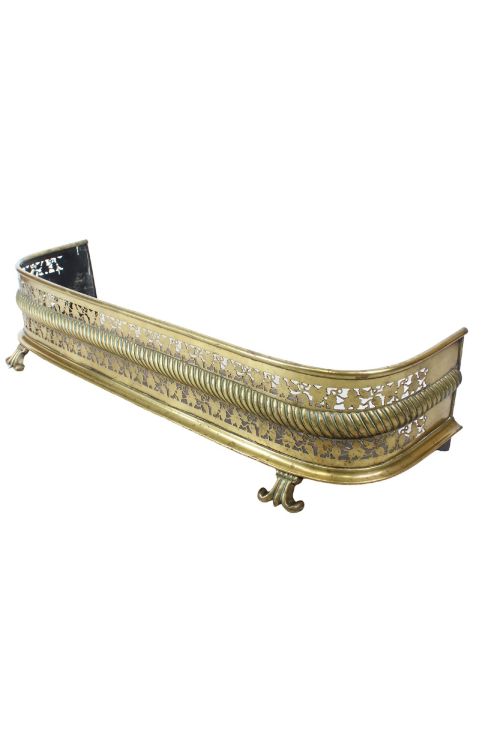
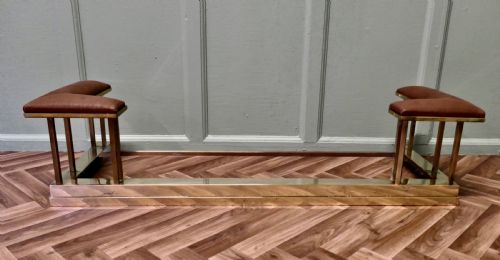
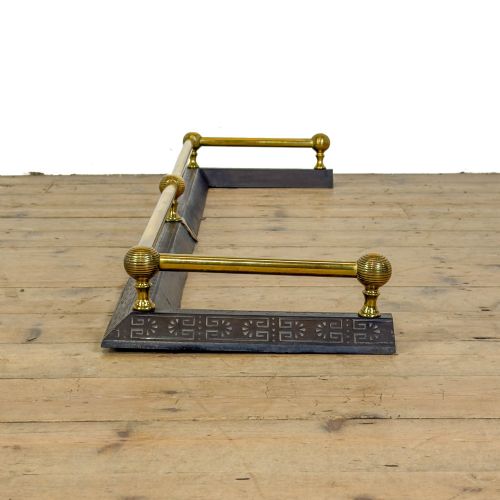
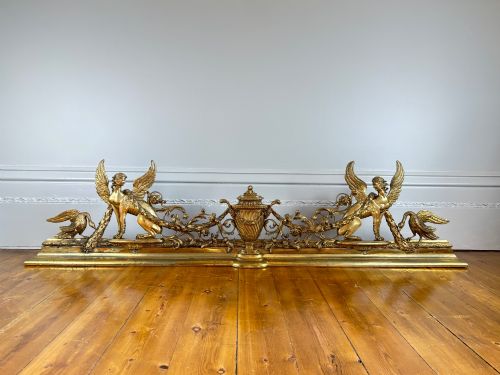
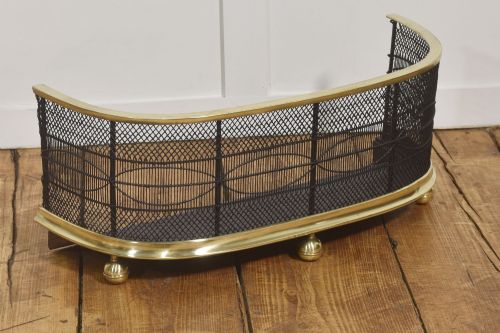
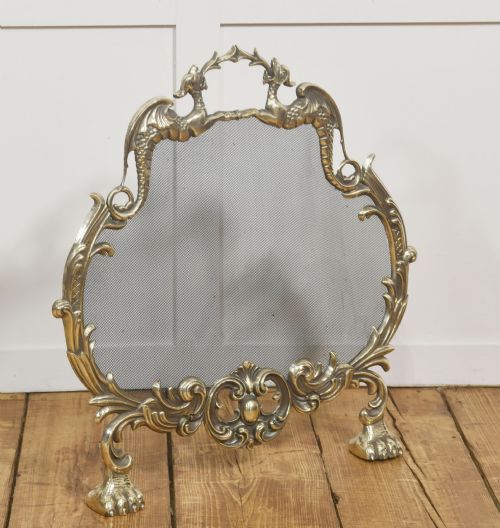
The term antique fire guard encompasses a wide variety of hearth protection, ranging from low metal fenders to upright folding screens. A buyer searching for an antique fire guard most frequently encounters Victorian and nineteenth century pieces made of brass, iron, and wire mesh.
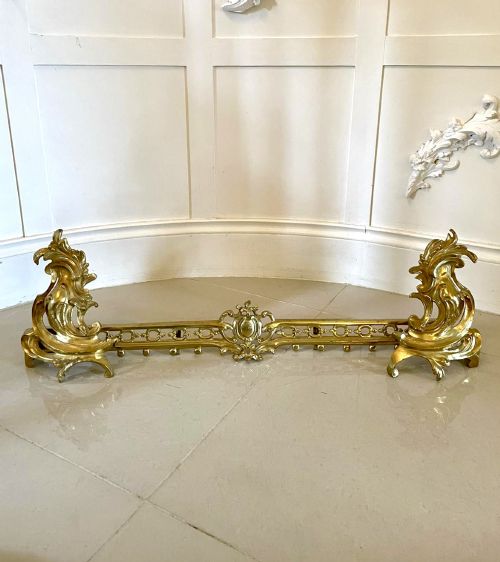
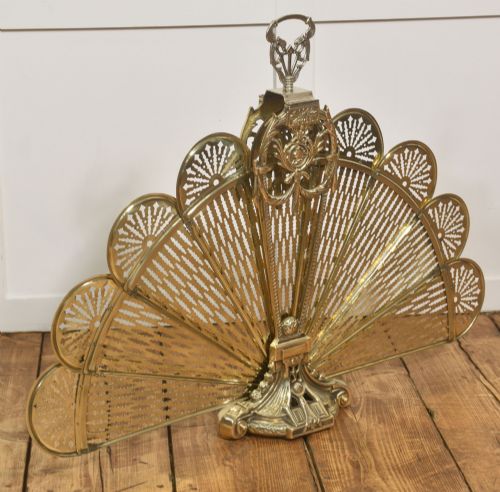
The inventory includes specialised designs such as extendable hearth fenders, folding peacock fan screens, and nursery guards fitted with top rails. These objects span periods from the early nineteenth century through the early twentieth century, reflecting shifting domestic habits and interior tastes.
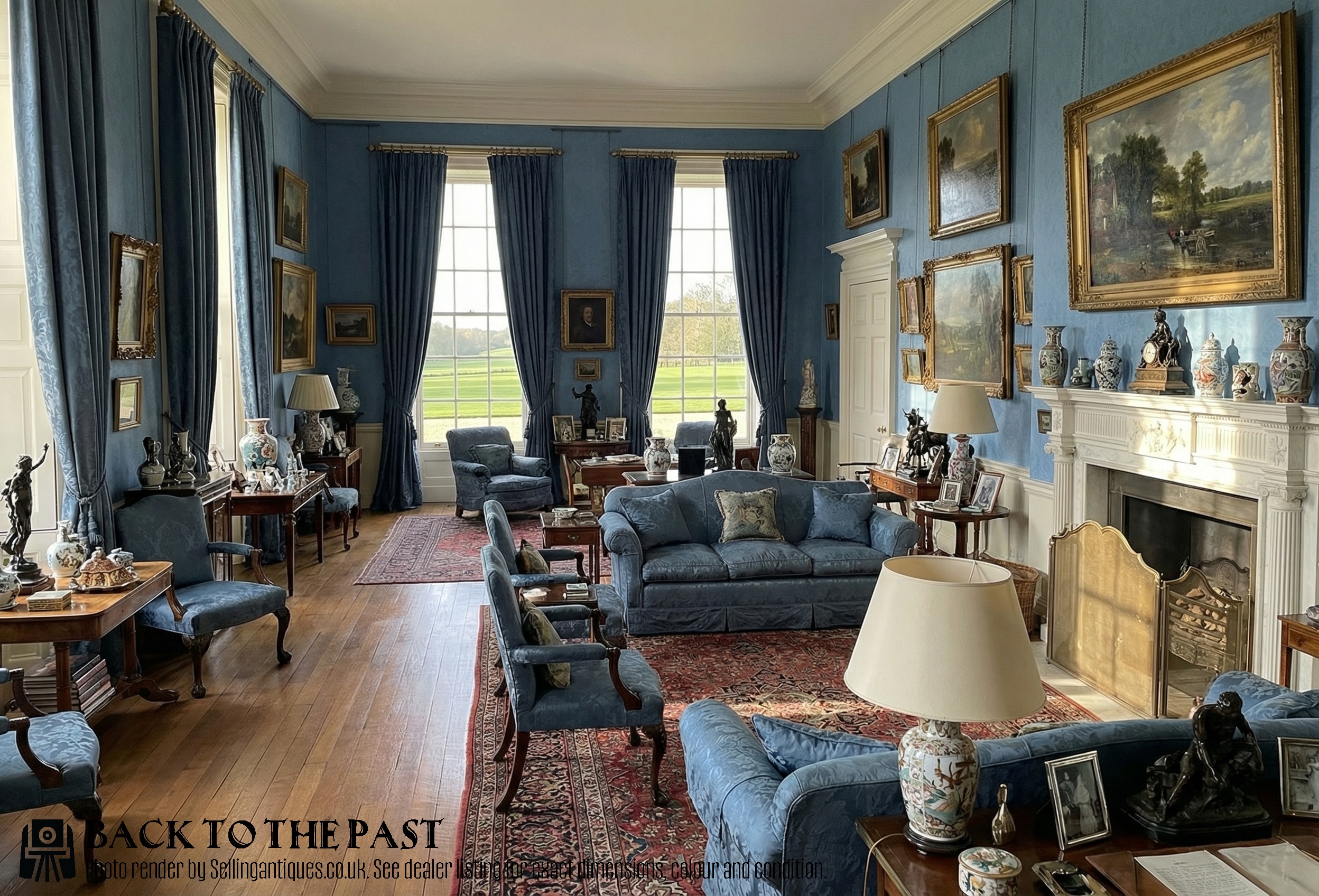
Materials and construction
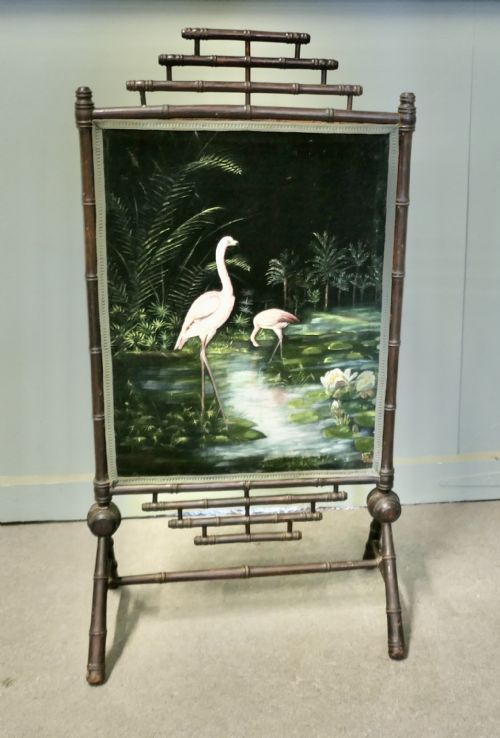
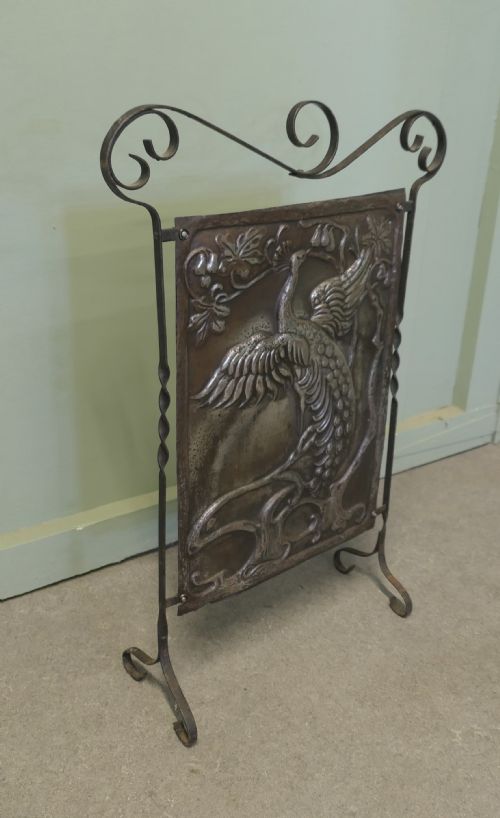
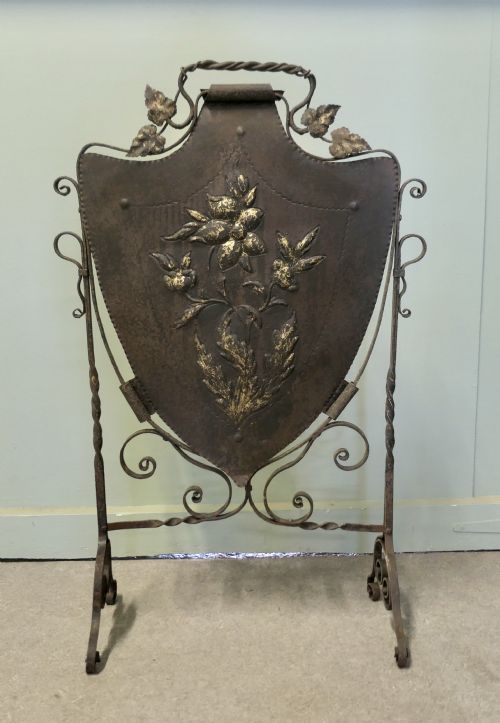
Metalworking techniques define these pieces, utilising cast and pierced brass, wrought iron, copper, and gilt bronze. Many examples combine rigid metal frames with fine wire mesh or decorative panels featuring needlepoint, stained glass, and embossed brass.
Makers employed riveting, chasing, and patination to finish surfaces, while structural elements often incorporated adjustable bars or folding hinges for practical hearth use.
Antique Fire Guard Retail Price Guide 2026
Typical asking prices for fire guard among the pieces listed under this phrase on Sellingantiques today, from the lower quarter to the upper quarter. They describe what is for sale here now, not the wider market.
Listings feature periods spanning from the seventeenth century through the 1920s, with a strong concentration of Victorian brass and ironwork.
Craftsmanship and distinction
Quality rests upon the weight of the metal, the crispness of chased or pierced ornamentation, and the integrity of the joints. Finer examples display thoughtful detailing such as hand-embossed coats of arms, bevelled glass panels, or substantial brass top rails rather than thin sheet construction.
The presence of integrated accessories, like original fire irons or specialised nappy rails, elevates a piece from a standard utility item to a work of decorative metalwork.
E F Caldwell New York
The Antique Fire Guard Glossary
- Fender
- A low metal barrier placed around the hearth to contain logs and ash. These often double as seats or incorporate adjustable lengths.
- Peacock screen
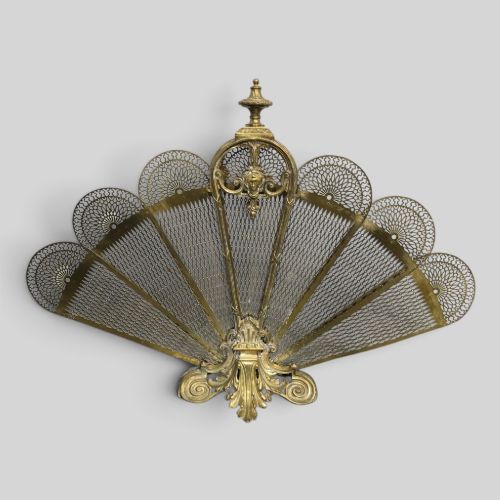
- A folding spark guard composed of multiple metal vanes that fan outward into a circular display. They fold flat when not in use.
- Nursery guard
- A tall, protective wire mesh enclosure designed to keep children safely away from open flames. They frequently feature a brass top rail.
- Spark guard
- A fine mesh or wire screen intended to catch flying embers from coal or wood fires. They appear in both single-panel and multi-folding formats.
- Ormolu
- Cast bronze that has been gilded with a mercury and gold amalgam. This technique creates a rich golden finish found on decorative French screens.
Antique Fire Guard: Frequently Asked Questions
How do I choose the right size fire guard?
Measure the width and depth of your hearth opening to ensure the fender or screen sits securely against the fireplace surround. Leave adequate clearance for foot traffic while covering the full span of the fire.
Take into account whether you need a low fender for a shallow hearth or a tall folding screen to contain sparks from an open grate.
What is the difference between a fender and a screen?
Fenders are low frames that sit directly on the floor around the hearth perimeter to keep logs and embers from rolling onto the carpet. They often double as seating rails or decorative frames.
Screens stand upright to block radiant heat and flying sparks directly from the opening of the fire. Many historical designs combine both elements into a unified hearth arrangement.
Were nursery guards used only for children?
Nursery guards were built taller than standard spark guards and enclosed the entire hearth area with fine wire mesh. Their primary purpose was keeping small children and pets at a safe distance from open flames.
The inclusion of a top rail often served as a drying rack for infant garments, which explains why period listings occasionally refer to them in relation to nappy rails.
How should I clean antique brass and iron?
Dust metal surfaces regularly with a soft, dry cloth to prevent the buildup of soot and grime. Avoid harsh chemical polishes that strip away historical patination and age.
For iron components, a light application of neutral wax can help protect against moisture and preserve the original dark finish.