






Antique Engraved Chalice
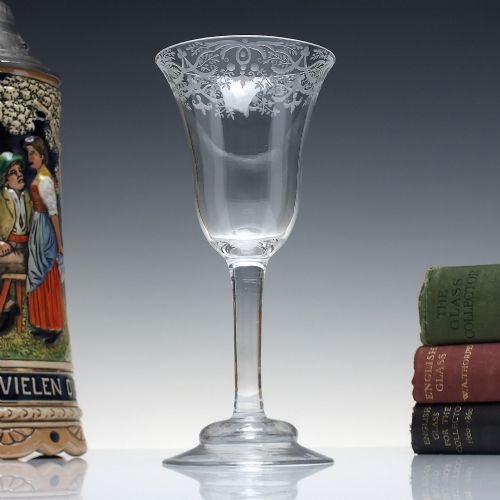
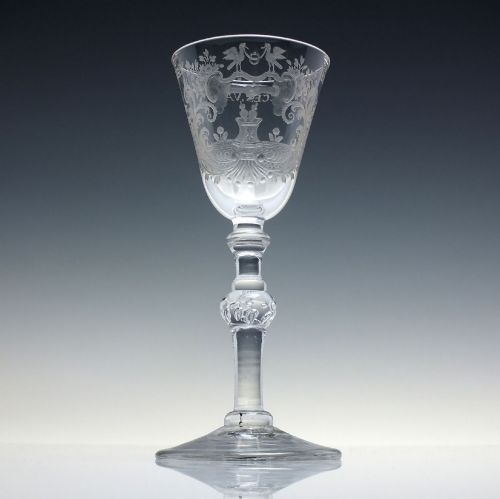
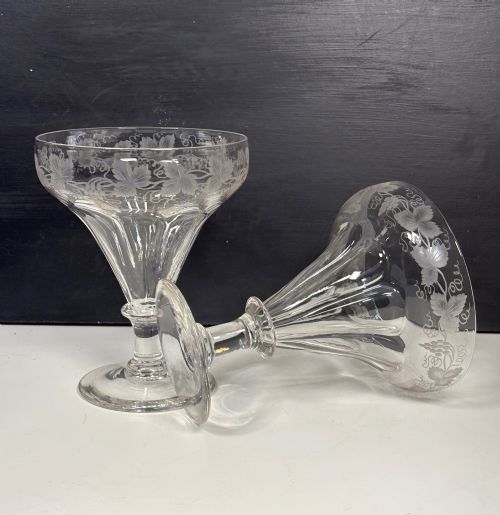
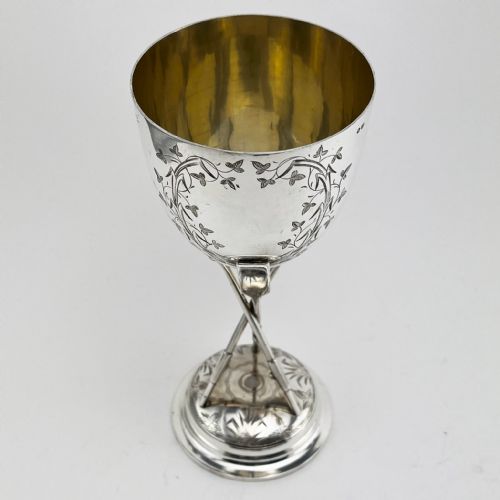
An antique engraved chalice brings historic weight and brilliant craftsmanship to the table, whether formed from sterling silver or cut crystal.
Antique Engraved Chalice
Vessels span utilitarian drinking glasses, large rummers, and ceremonial communion sets produced across England, Ireland, and continental Europe. Collectors encounter everything from plain stem wine goblets to ornate presentation cups bearing heraldic engravings and monograms.
Materials and Techniques
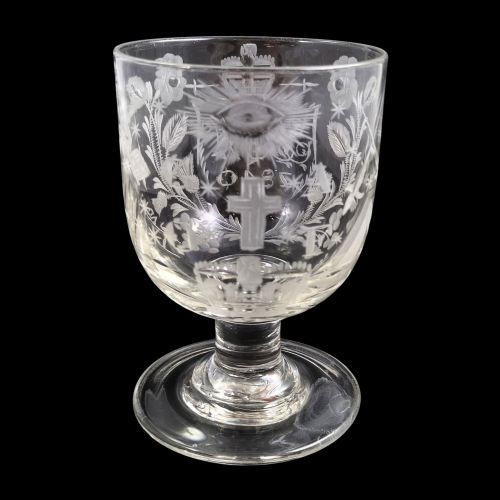
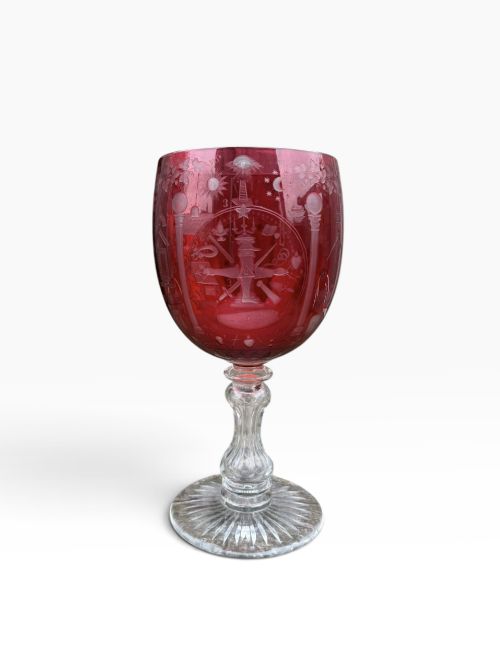
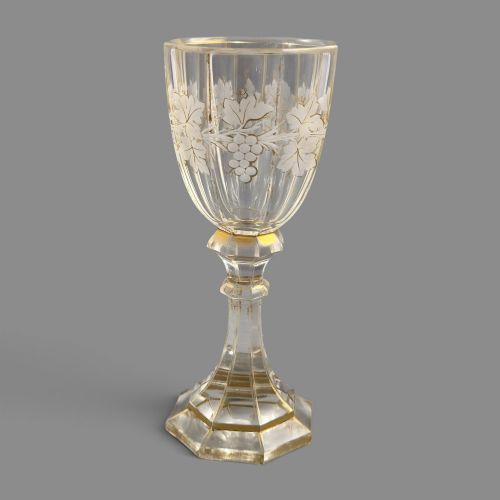
Makers utilised heavy lead glass, sterling silver, Old Sheffield plate, and standard silver plate to construct these substantial vessels. Glass pieces display intaglio cutting, etching, and detailed wheel-engraving depicting motifs like hops, barley, and ships.
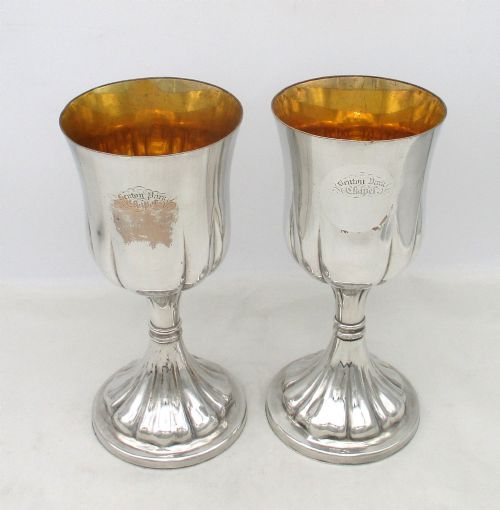
Metal items incorporate parcel gilding, chasing, and wriggle-work borders applied by hand. Workshops employed traditional silversmithing methods to raise vase-shaped bodies and apply cast handles or bases.
Several early glass rummers proudly display detailed engravings of sailing ships alongside the personal initials of their original owners.
Distinctions in Quality
The standard of an antique engraved chalice rests on the crispness and depth of the wheel-cut or intaglio decoration relative to the weight of the metal or glass. Superior glass pieces show exceptional clarity in the lead crystal without distortion in the bowl.
Metal examples demonstrate finer control in chased borders and gilding, alongside clear hallmarks that verify the maker and date of production. The harmony of proportions between the stem, bowl, and foot dictates the visual success of the piece.
George Unite·John Hunt and Robert Roskell·Elkington Mason·Henry Tatton and Son·Henry Holland
The Antique Engraved Chalice Glossary
- Rummer
- A large, wide-bowled drinking glass designed for ale, wine, or punch during the Georgian and Victorian eras. These heavy vessels often sat on short stems and sturdy feet.
- Old Sheffield Plate
- A composite material formed by fusing a thin sheet of silver to a thicker copper base. This technique preceded modern electroplating and produced durable domestic and ecclesiastical vessels.
- Parcel Gilt
- A decorative treatment where specific areas of a silver object receive a thin coating of gold. This technique highlights interior bowls or engraved crests.
- Light Baluster
- A slender 18th-century glass stem form featuring decorative nodes or swellings. These delicate stems support plain or engraved drinking vessels.
- Intaglio
- A design carved into the surface of glass or metal so that the image sits below the outer plane. Master craftsmen utilised this technique to render detailed motifs like ships and floral arrangements.
Antique Engraved Chalice: Frequently Asked Questions
How were communion chalices used?
Church chalices held sacramental wine during religious services, frequently manufactured in matching pairs or sets from silver plate or sterling silver.
Ecclesiastical examples often date to the nineteenth century and carry substantial bases for stability during administration.
What is a rummer glass?
A rummer is a large, sturdy drinking vessel with a wide bowl intended for hearty ales, wines, and punches.
English examples from the early nineteenth century frequently feature wheel-engraved motifs such as hops, barley, or initial monograms.
Are these chalices safe for drinking?
Most antique metal and glass vessels remain physically stable for use, though many owners prefer to display them as decorative art.
Careful hand washing with mild soap protects delicate glass surfaces and historic silver finishes from damage.