

Antique English Wine Glass
When seeking an antique English wine glass, collectors enter a world of heavy lead crystal, delicate air twists and Georgian social history.
Antique English Wine Glass
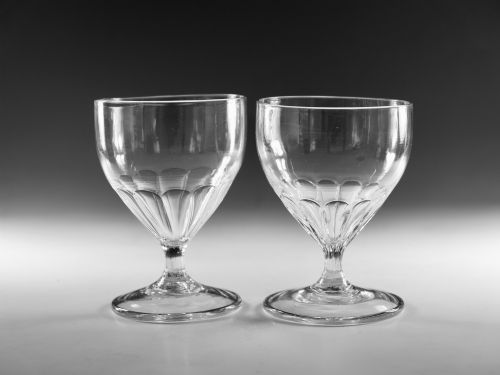
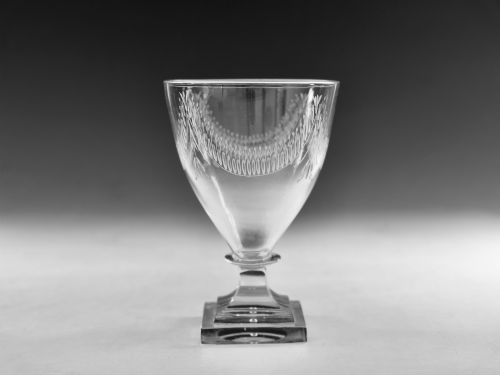
An antique English wine glass is a drinking vessel primarily originating from the eighteenth and nineteenth centuries, spanning periods from George III to the Victorian era. These pieces reflect the drinking habits and social rituals of their time, ranging from delicate cordial and wine glasses to robust rummers and goblets.
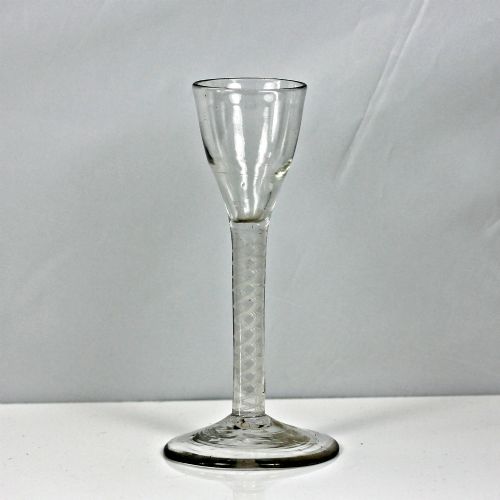
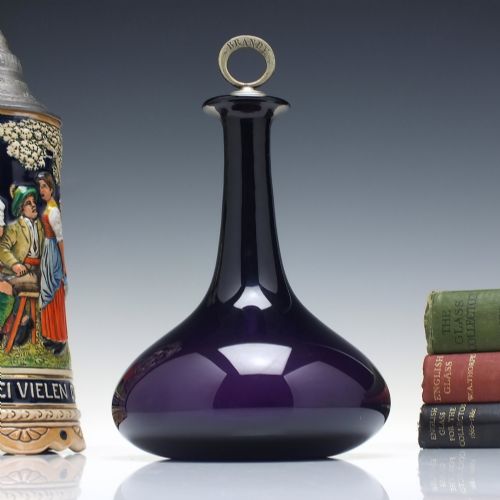
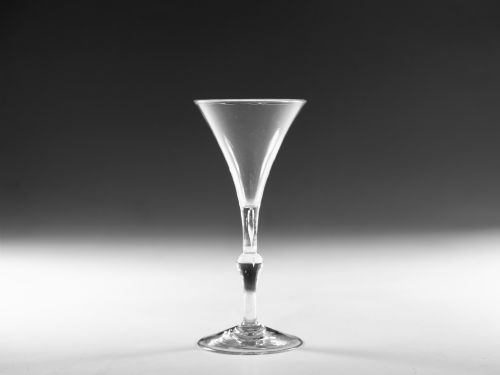
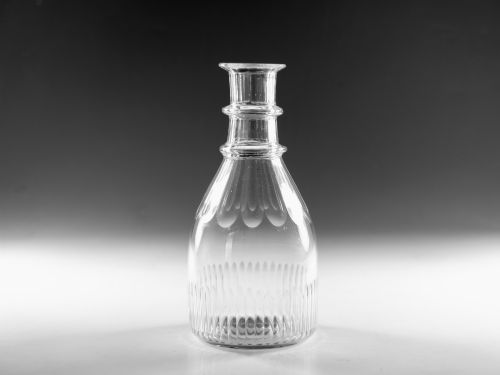
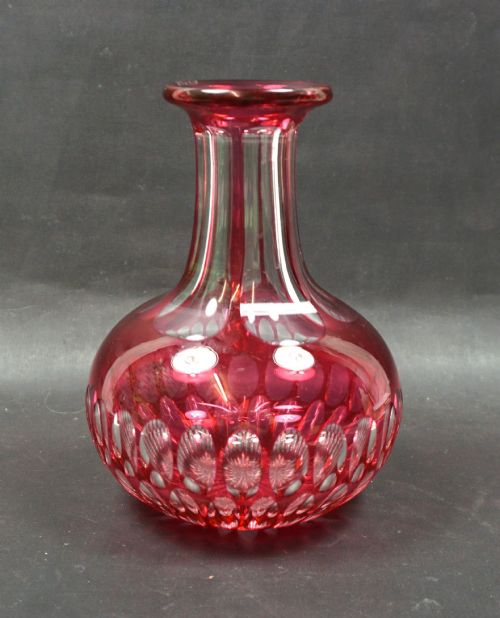
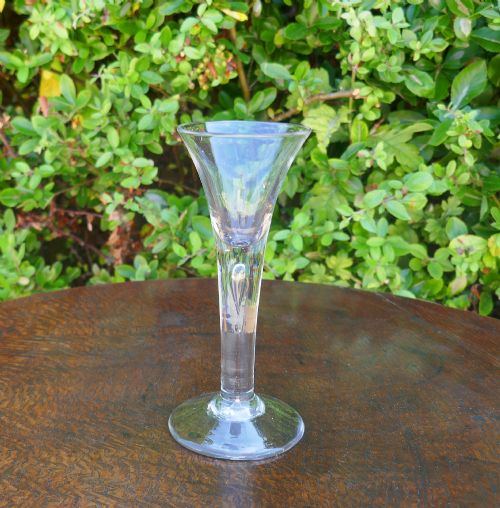
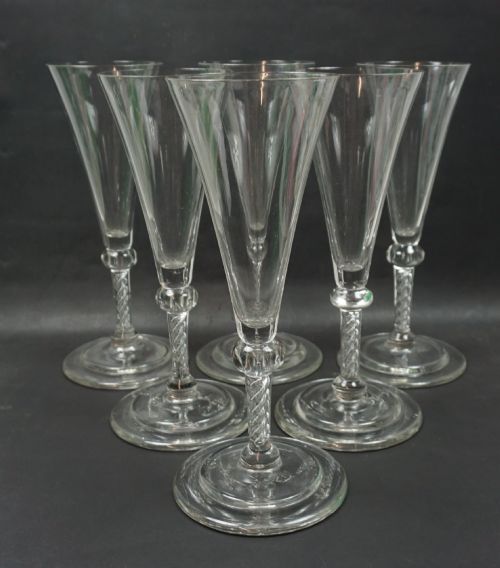
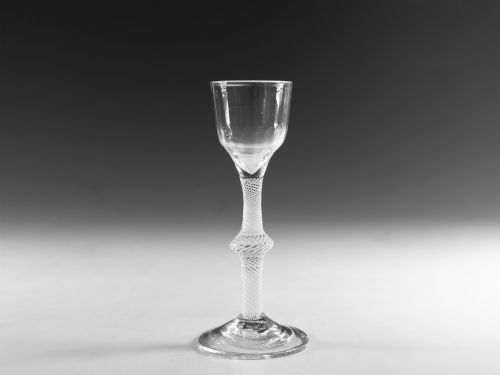
The most common form encountered in this selection is the Georgian wine glass, particularly those featuring intricate stem treatments such as air twists and opaque twists. Alongside these drinking vessels, related tableware items such as decanters, carafes and glass coolers frequently appear within the inventory.
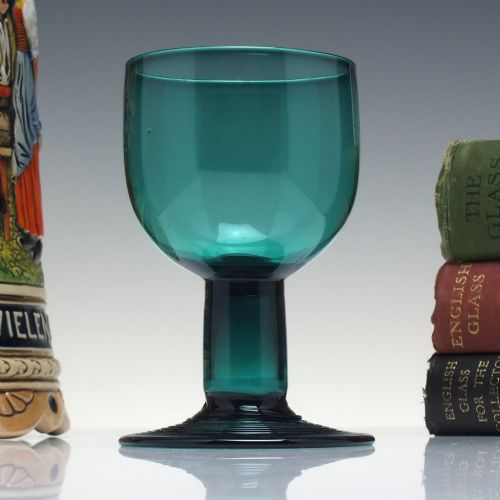
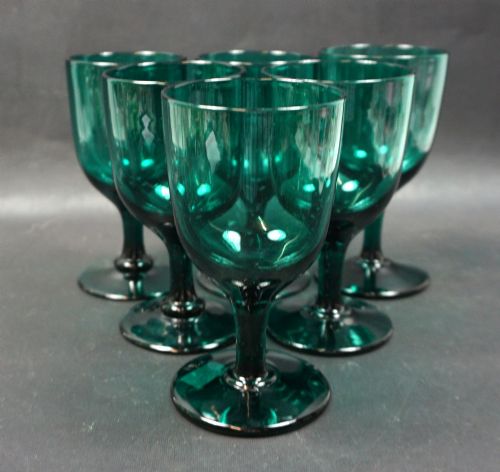
Origins heavily lean towards English glasshouses of the seventeen-hundreds and eighteen-hundreds, utilising distinct regional styles and blowing techniques. Buyers encounter everything from plain stem table glasses to deeply coloured Bristol green and turquoise vessels designed for specific dining functions.
How They Were Made
Makers utilised lead glass, lead crystal and flint glass, achieving exceptional clarity and weight through high lead oxide content. The introduction of lead metal to the batch transformed English glassmaking by allowing deeper cutting and better light refraction than continental soda glass.
Complex stem formations were achieved while the metal was hot, incorporating trapped air bubbles, multi-spiral air twists, or opaque white enamel threads drawn into twists. Bowls were often mould-blown or free-blown and then manipulated into trumpet, ogee, or bell shapes before being joined to heavy conical or folded feet.
Antique English Wine Glass Retail Price Guide 2026
Typical asking prices for english wine glass among the pieces listed under this phrase on Sellingantiques today, from the lower quarter to the upper quarter. They describe what is for sale here now, not the wider market.
The inventory records forms including decanters, carafes, rummers, and ale glasses alongside standard wine vessels.
What Varies in Quality
Quality rests significantly on the purity of the metal and the precision of the stem formation. Early lead glass handles light with a brilliant clarity and heavy feel, whereas lesser pieces may display surface striations, seed bubbles in the bowl, or uneven distribution of metal.
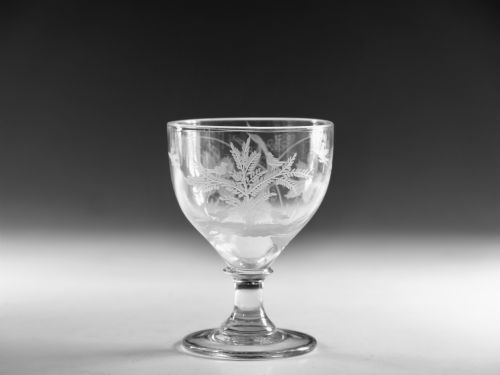
The complexity of the twist or baluster construction dictates desirability, with multi-spiral air twists and double-series opaque twists requiring immense skill from the gaffer. Engraving depth and clarity also separate standard tableware from exhibition or commemorative pieces.
The Antique English Wine Glass Glossary
- Air Twist
- A stem formation created by drawing out elongated air bubbles inside the molten glass rod. These bubbles spiral down the stem during the pulling and twisting process.
- Opaque Twist
- A stem style featuring white or coloured enamel threads enclosed within clear glass. These threads are twisted into single or double series patterns.
- Baluster
- A heavy, thick stem form popular in early eighteenth-century drinking vessels. It mimics architectural supports with knops, collars, and swelling profiles.
- Folded Foot
- A base edge doubled back underneath itself to create a stronger rim. This technique provides stability and extra weight to early drinking glasses.
- Rummer
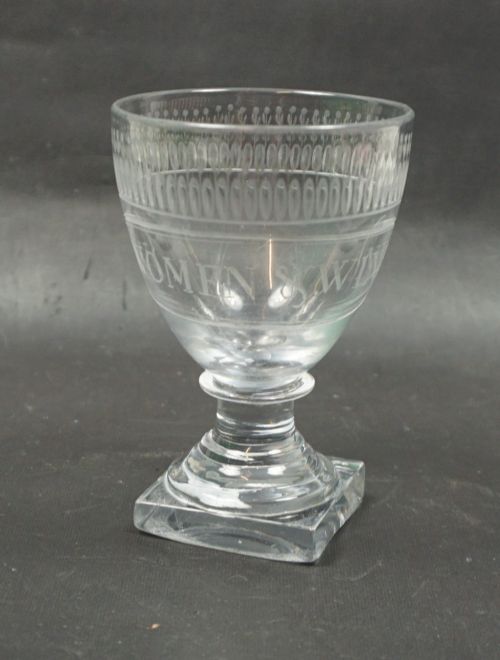
- A large, robust drinking glass common in the late eighteenth and nineteenth centuries. They were used for ale, wine, or punch during convivial gatherings.
Antique English Wine Glass: Frequently Asked Questions
What is an air twist glass?
An air twist glass is a drinking vessel featuring a stem containing internal spiral threads of trapped air. Makers produced these by puncturing a hot glass lump with pins and twisting the metal as it was drawn.
These pieces date predominantly to the mid-eighteenth century and are prized for their optical play of light.
How do I date a Georgian wine glass?
Dating relies on bowl shapes, stem configurations, and foot construction. Early eighteenth-century examples often feature heavy baluster stems and folded feet, while mid-century pieces introduced air and opaque twists.
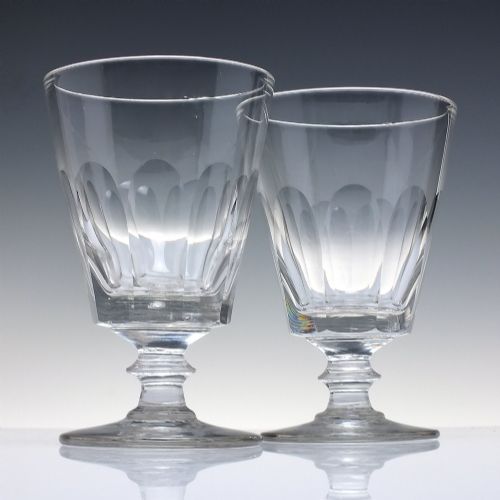
Later Georgian glass shifted towards facet-cut stems and heavier rummer forms by the turn of the nineteenth century.
Were these glasses used for daily drinking?
Many eighteenth-century wine glasses served formal dining and toast-drinking customs rather than casual daily meals. Their small bowl capacities reflect the potency of the wines and fortified liquors served at the time.
Larger rummers and goblets saw heavier use for ale, punch, and communal toasts in domestic and tavern settings.
What is lead crystal?
Lead crystal is a high-clarity glass containing significant lead oxide content, which increased weight and brilliance. English glassmakers pioneered heavy lead formulations that revolutionised European table glass.
This material allowed artisans to execute deep facet cutting and complex stem manipulations without losing structural stability.