



Antique English Pottery Figure
An antique english pottery figure brings the colour and character of past centuries onto a mantelpiece with enduring charm.
Antique English Pottery Figure
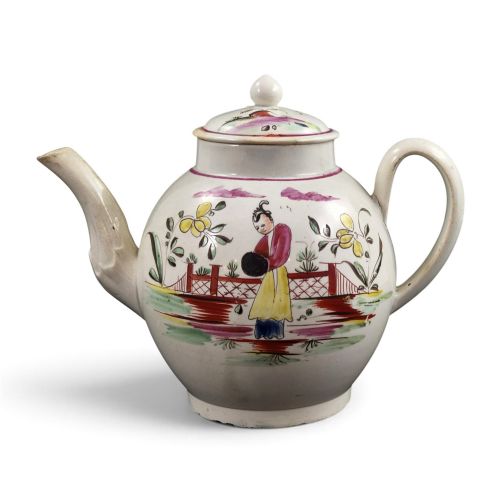
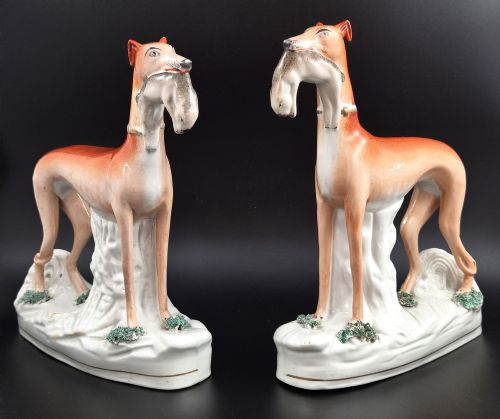
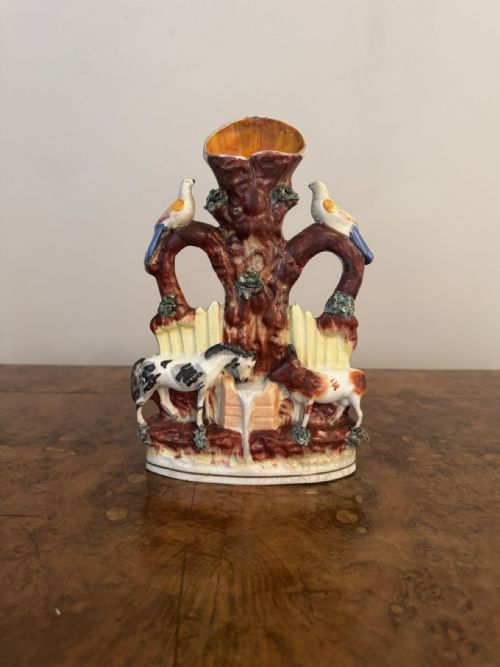
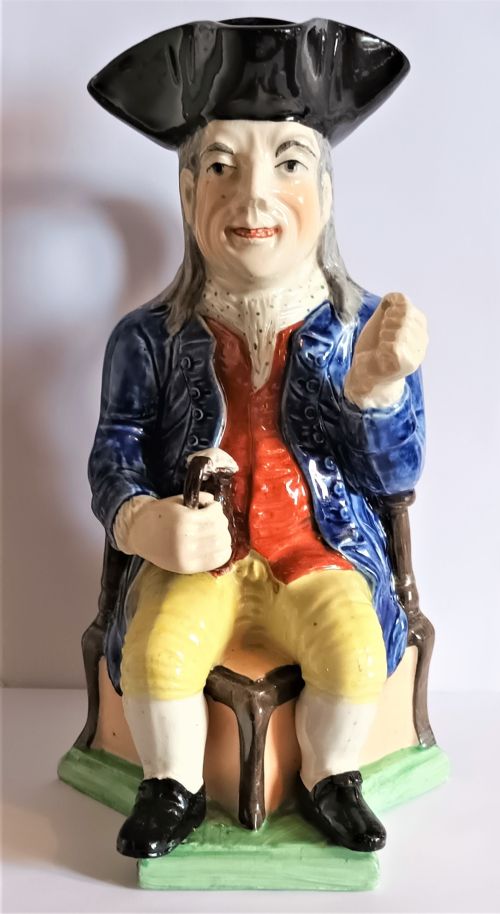
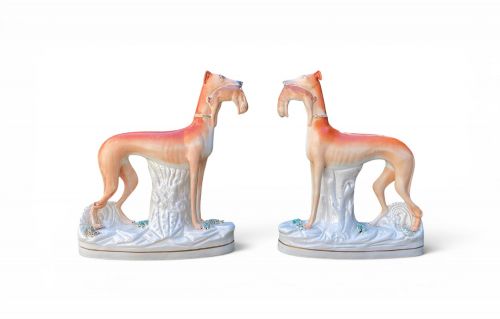
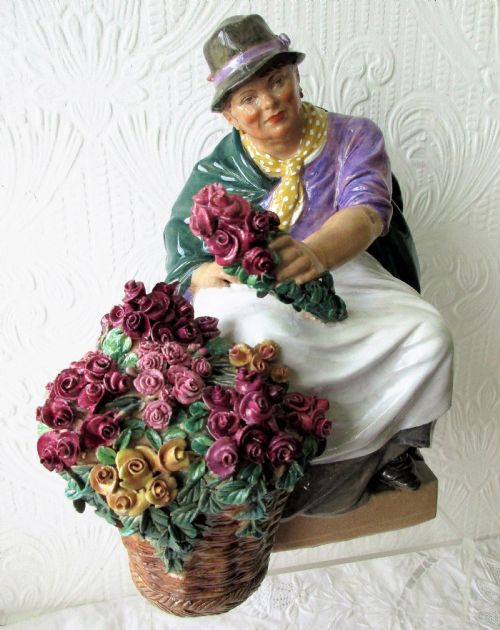
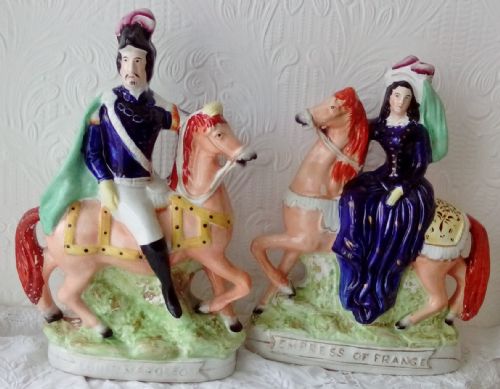
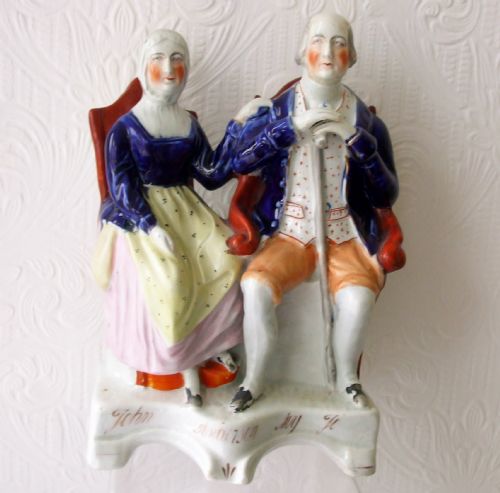
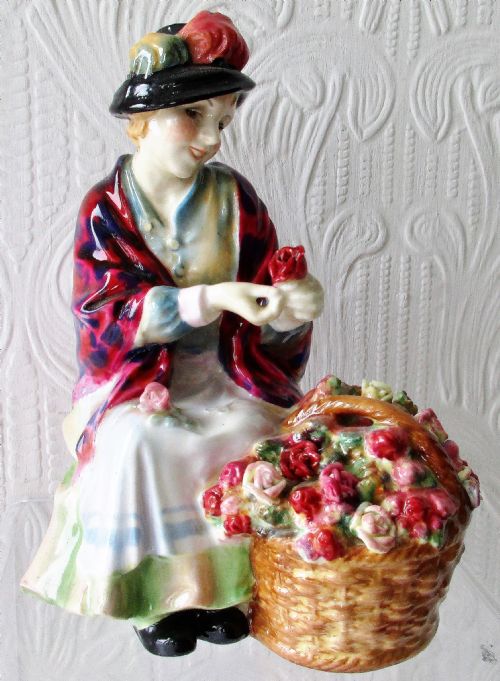
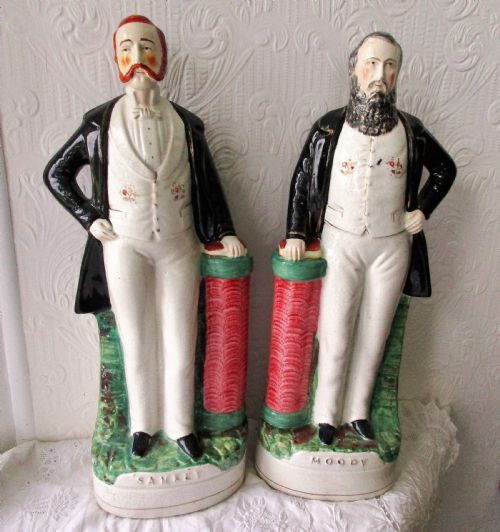
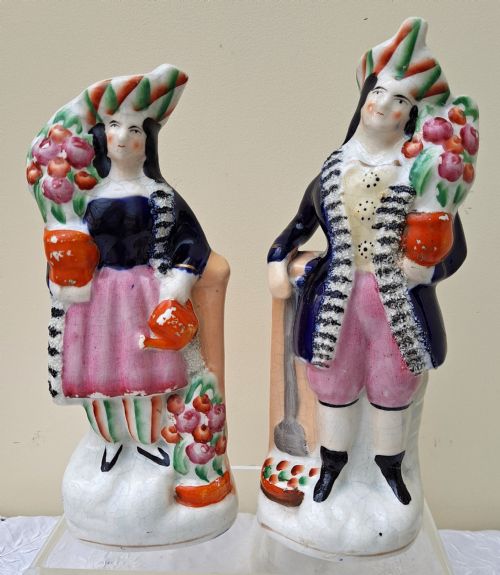
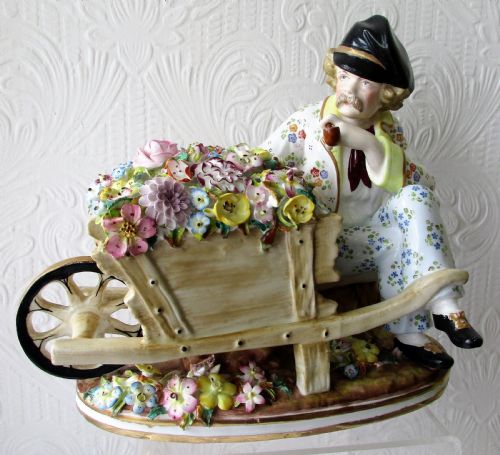
When searching for an antique english pottery figure, buyers encounter a rich variety of ceramic sculpture spanning the Georgian, Victorian and later periods. The selection includes Staffordshire flatbacks, portrait pieces, spill vases and characterful animals.
Makers drew inspiration from royalty, theatrical stars, military heroes and rural life to satisfy domestic demand for mantelpiece ornaments. Pairs of dogs, lions and country figures feature prominently among the surviving works.
Pieces range from early pearlware and prattware examples to later studio pottery and porcelain figurines produced into the twentieth century. Each category reflects the changing tastes and domestic interiors of its era.
Materials and methods
Potters utilised local clays to shape earthenware bodies, which were subsequently fired and finished with lead glazes or enamel paints. Many Victorian figures were cast in moulds before receiving hand-painted details in bright pigments.
Specialist techniques such as pearlware glazing provided a smooth, pale surface suited to detailed decoration, while treacle glazes delivered a rich, dark brown sheen. Studio potters later employed distinct firing methods to achieve individual character in their figurines.
Antique English Pottery Figure Retail Price Guide 2026
Typical asking prices for english pottery figure among the pieces listed under this phrase on Sellingantiques today, from the lower quarter to the upper quarter. They describe what is for sale here now, not the wider market.
Listings feature earthenware, pearlware, and ceramic bodies decorated with enamel paint, lead glaze, and treacle glaze across the Georgian and Victorian periods.
Factors determining quality
Glaze application and the retention of original enamel colours heavily influence the visual appeal of a figurine. Crisp moulding lines and well-defined bases indicate careful workshop production.
Charles Vyse·Thomas Parr·John Bevington
The Antique English Pottery Figure Glossary
- Earthenware
- Porous pottery fired at lower temperatures, commonly used for traditional Staffordshire figures. It requires a glaze to become impermeable to liquids.
- Pearlware
- A refined earthenware developed in the late eighteenth century featuring a bluish glaze that pooled slightly in recesses. It provided a whiter background for painted decoration.
- Flatback
- A Staffordshire figure designed with an unpainted, flat or semi-flat rear because it was intended to stand against a wall. This saved materials and weight during firing.
- Spill vase
- A hollow ceramic tube attached to a figure, designed to hold wooden spills used for lighting fires or pipes. These dual-purpose items combined practical utility with domestic ornament.
- Treacle glaze
- A dark, translucent brown lead glaze applied over earthenware to create a rich, glossy surface. It was frequently utilised on models of lions and dogs.
Antique English Pottery Figure: Frequently Asked Questions
How do I identify a Staffordshire flatback?
Staffordshire flatbacks are characterised by their unglazed or plain flat backs, designed specifically to sit against a wall on a shelf or mantelpiece.
These pieces typically date from the Victorian era and often depict contemporary royalty, theatrical scenes or domestic animals.
What is a comforter spaniel?
Comforter spaniels are ceramic dog figures, often modelled in pairs, that became ubiquitous ornaments in Victorian parlours. They were frequently painted with golden patches and gilt collars.
Potters produced them in various sizes to sit on either side of a fireplace or window.
How should I clean antique pottery?
Dust figures gently with a soft, dry brush to prevent the accumulation of dirt in crevices. Avoid using water or chemical cleaners on enamel-painted surfaces.
Water can destabilise older repairs or damage delicate painted decoration over time.
Are spill vases functional?
Spill vases include an integrated hollow cylinder designed to hold thin wooden spills for transferring flames from a hearth to candles or pipes. They combined everyday utility with decorative figural subjects.
Many examples depict animals or rural characters standing beside the vertical tube.