
Antique English Porcelain Cup
An antique english porcelain cup brings Eighteenth Century and Regency craftsmanship directly to the table.
Antique English Porcelain Cup
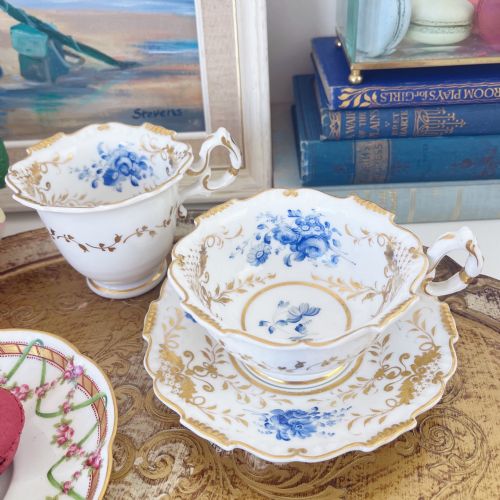
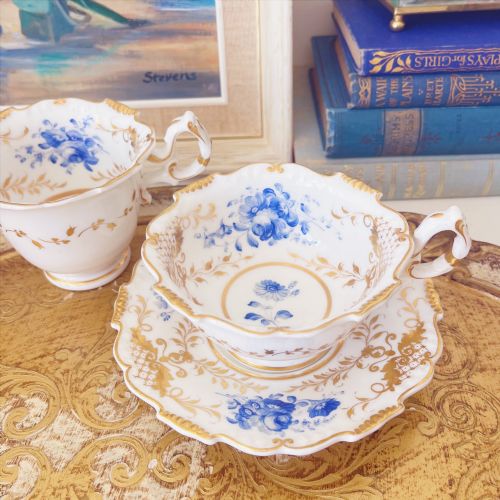
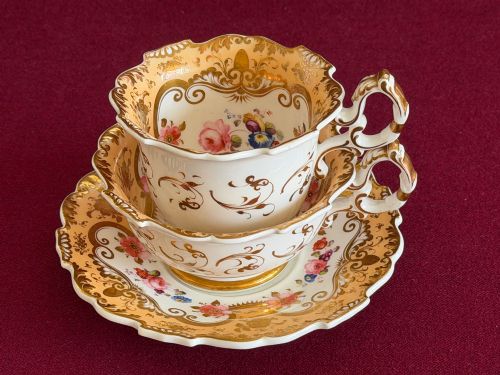
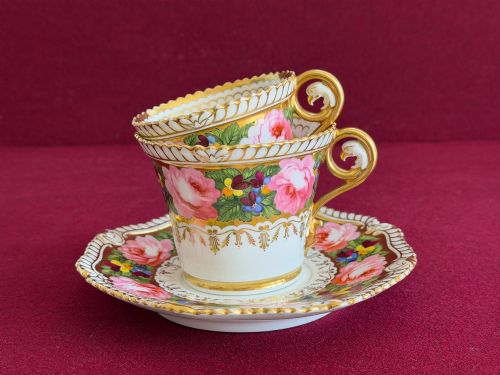
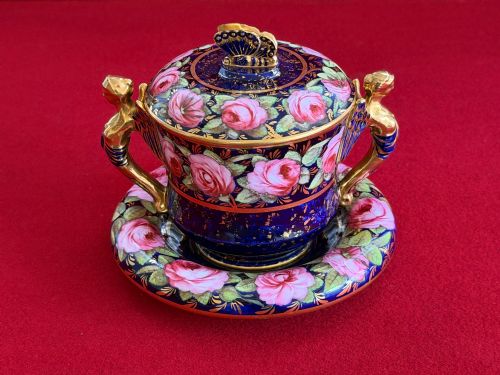
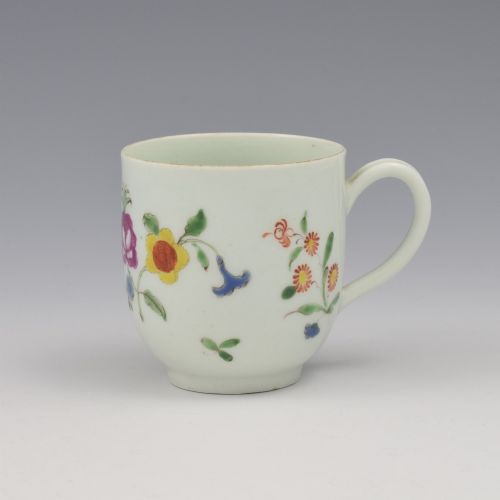
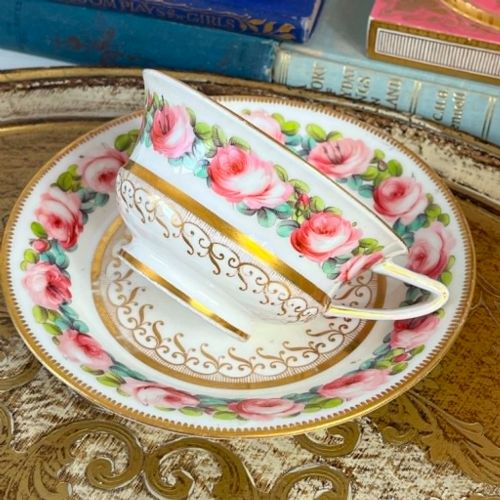
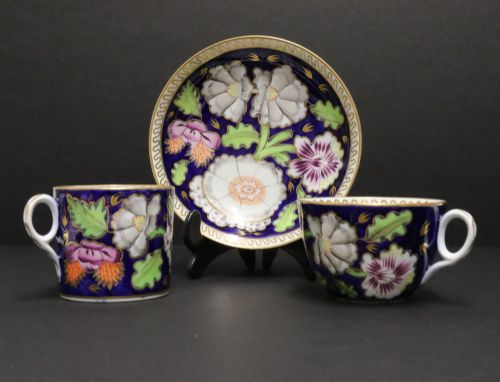
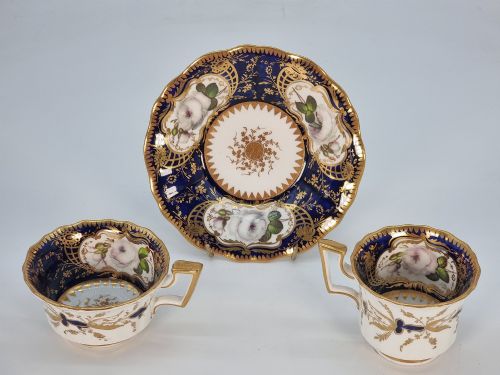
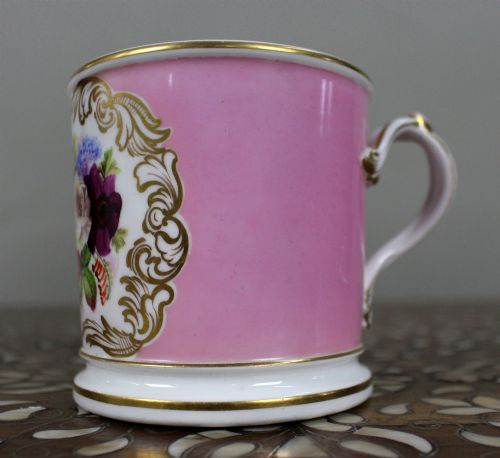
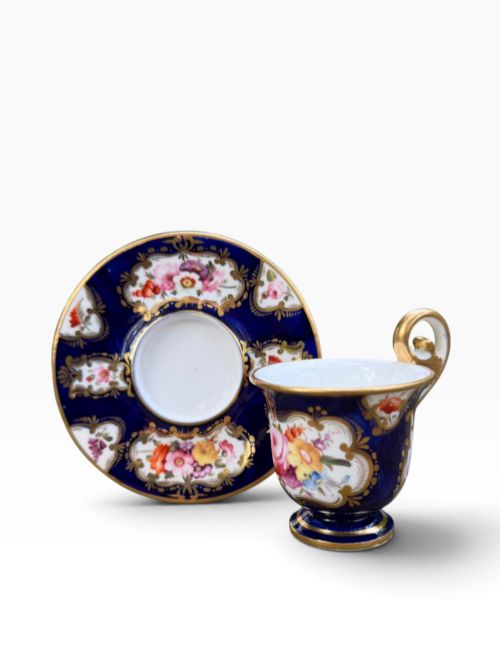
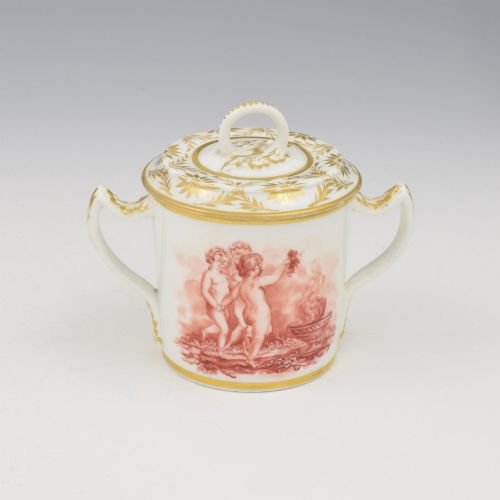
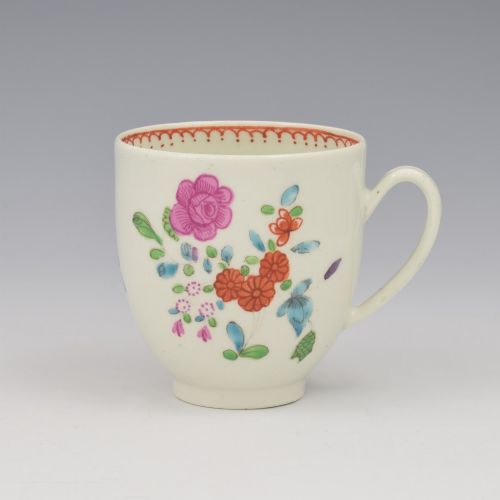
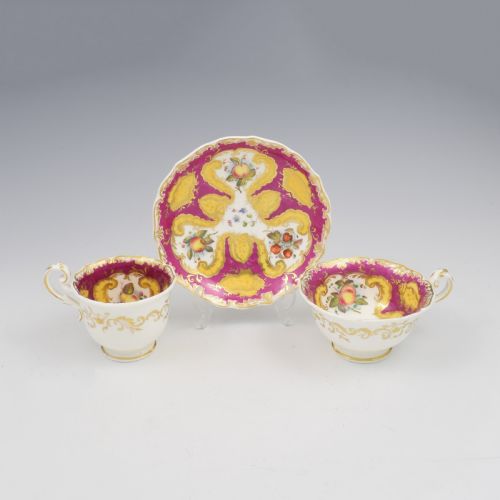
An antique english porcelain cup appears in forms such as coffee cups, chocolate cups with covers, and combined cups and saucers. These pieces span the Eighteenth Century, the Georgian period, and the Regency era.
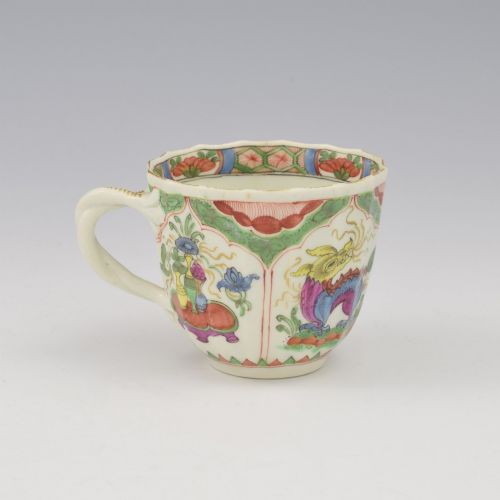
The selections on this page showcase Georgian chinoiserie, Grand Regency designs, and delicate painted motifs. Buyers encounter both delicate coffee vessels and heavier chocolate cups designed for rich hot beverages.
Makers recorded in the available selection include Spode, First Period Worcester, and Bloor Derby. Each piece reflects the evolving aesthetic of British ceramic production across successive reigns.
Materials and Techniques
Potters utilised porcelain and soft-paste porcelain as the primary body for these drinking vessels. The clay mixtures were fired at high temperatures to achieve a vitreous ceramic base.
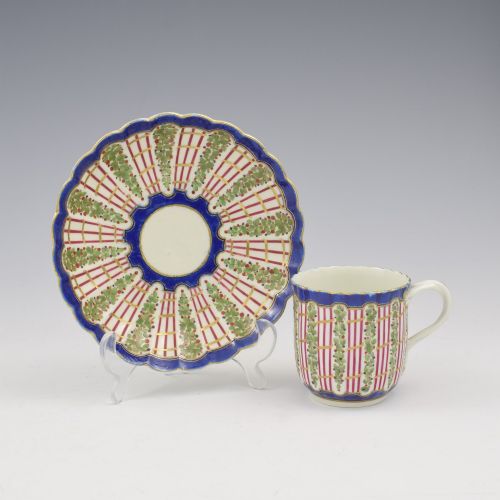
Decoration relied upon hand-applied enamel colours, detailed gilding, and applied gold leaf. Artisans painted motifs including sepia putti, hop trellis patterns, and Chinese figures.
Antique English Porcelain Cup Retail Price Guide 2026
Typical asking prices for english porcelain cup among the pieces listed under this phrase on Sellingantiques today, from the lower quarter to the upper quarter. They describe what is for sale here now, not the wider market.
Listings feature pieces spanning the Eighteenth Century, the Regency era, and the Nineteenth Century, created in porcelain and soft-paste porcelain.
Judging the Workmanship
Superior examples display precise hand-painting with fine details in enamel and gold leaf, whereas lesser pieces show hurried brushwork and uneven gilding. The clarity of the porcelain body and the crispness of moulded handles distinguish finer productions.
The sophistication of the painted subject matter, from complex Mandarin patterns to delicate sepia putti, separates standard cabinet items from masterworks of the ceramic painter's art.
Spode·Bloor Derby
The Antique English Porcelain Cup Glossary
- Soft-Paste Porcelain
- An artificial ceramic body made from clay and glass frit, fired at lower temperatures than hard-paste porcelain. This material characterises much Eighteenth Century English ceramic production.
- Gilding
- The application of gold leaf or gold powder to ceramic surfaces for decoration. Artisans use this technique to highlight rims, handles, and painted borders.
- Chinoiserie
- A European artistic style reflecting Chinese motifs and aesthetic sensibilities. This decorative approach appears frequently on Georgian porcelain vessels.
- Enamel
- Opaque glass fused to porcelain through firing to create coloured decoration. These pigments provide the vibrant hues seen on painted cups.
- Putti
- Depictions of chubby male infants, often winged, used in classical decorative art. These figures appear in sepia tones on Regency chocolate cups.
Antique English Porcelain Cup: Frequently Asked Questions
How were antique porcelain chocolate cups used?
Chocolate cups were utilised by the wealthy to consume thick, sweet chocolate drinks during the Eighteenth and Nineteenth Centuries. These vessels frequently included matching covers to keep the rich beverage warm.
Such cups are smaller than modern mugs and reflect the luxurious status of chocolate before mass industrial production began.
How do I identify First Period Worcester?
First Period Worcester porcelain dates from the establishment under Dr Wall in the mid Eighteenth Century through the end of that century. Look for specific paste characteristics and painted motifs such as hop trellis or Mandarin figures.
These pieces represent some of the finest early English ceramic achievements and command attention from serious collectors.
What is the difference between soft paste and hard paste?
Soft-paste porcelain contains glass frit and white clay, resulting in a warmer tone and a softer glaze that accepts enamels deeply. Hard-paste porcelain uses true china clay and petuntse, requiring higher firing temperatures.
English factories during the Eighteenth Century predominantly produced soft-paste variations before transitioning to bone china.
Can I drink from an antique porcelain cup?
While these vessels were originally made for dining and beverage consumption, their age and delicate enamel decoration require careful handling. Many collectors prefer to display them in cabinets rather than risk thermal shock or wear to the gilding.
If used, hand washing in lukewarm water without harsh detergents is essential to preserve the antique surfaces.