


Antique English Horology
These pieces of antique english horology span centuries of brass, mahogany and intricate mechanical movement, offering both historical utility and enduring craftsmanship to collectors.
Antique English Horology
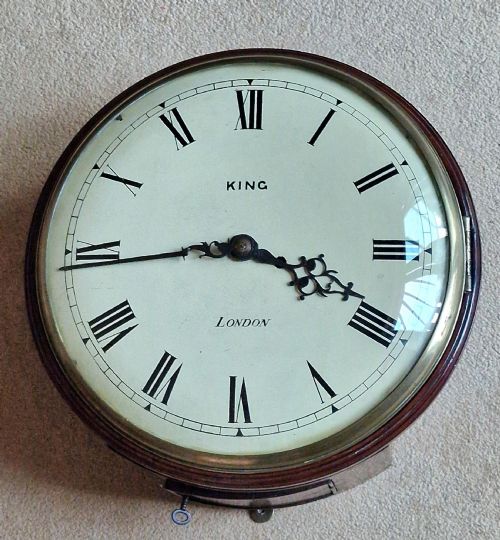
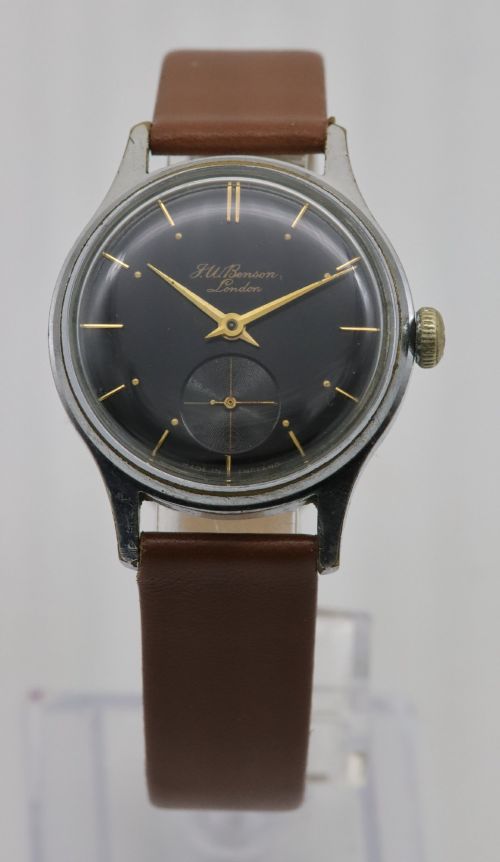
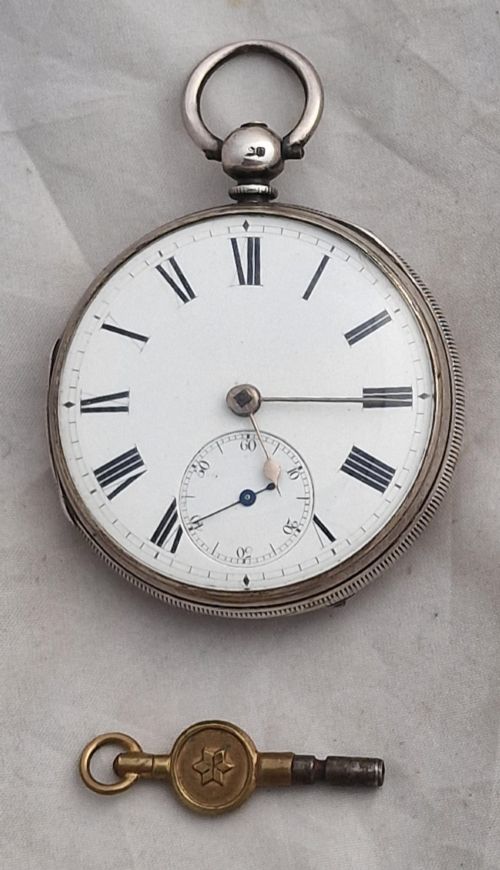
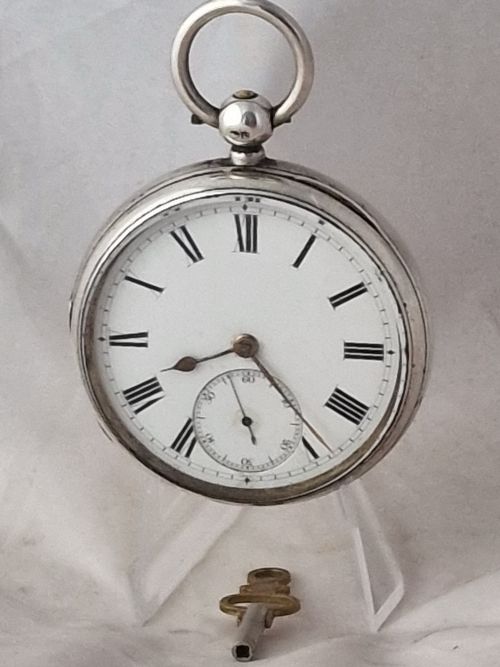
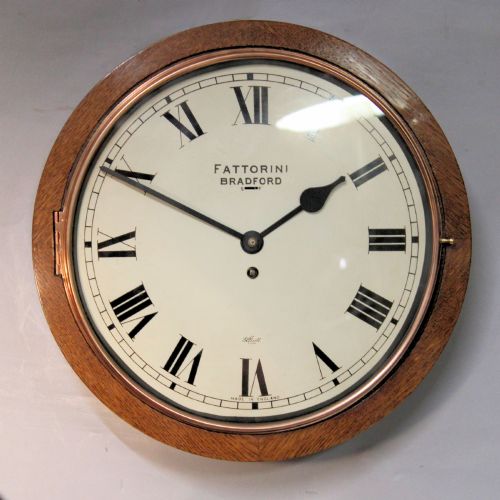
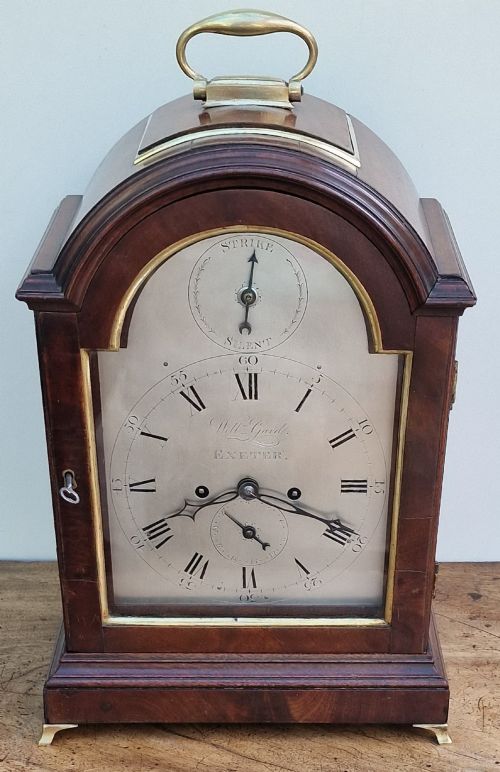
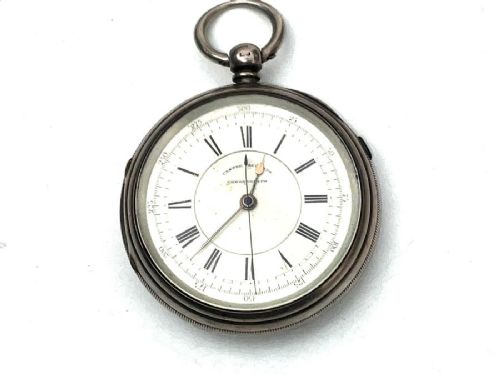
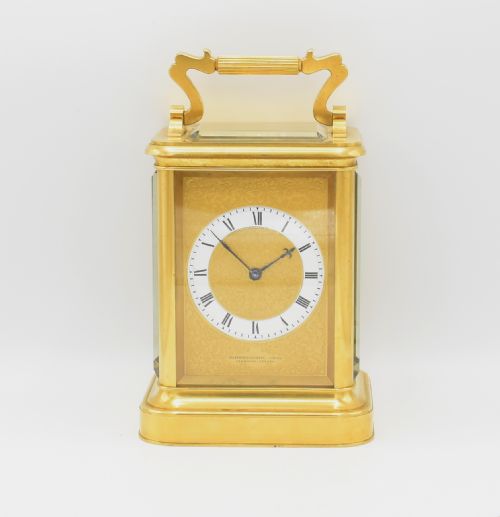
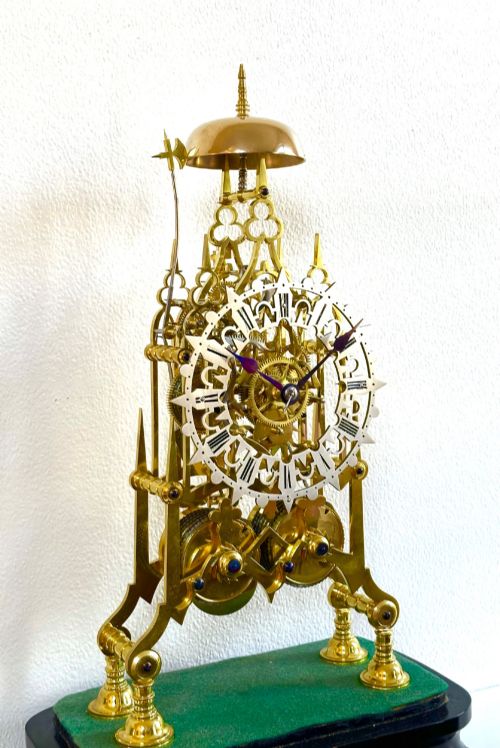
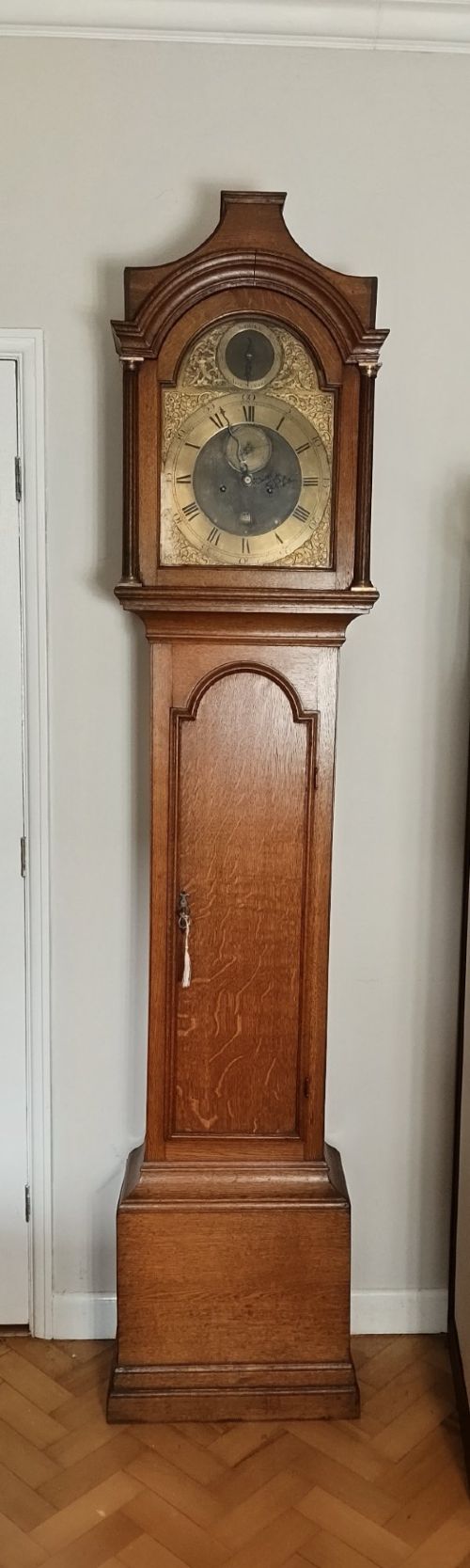
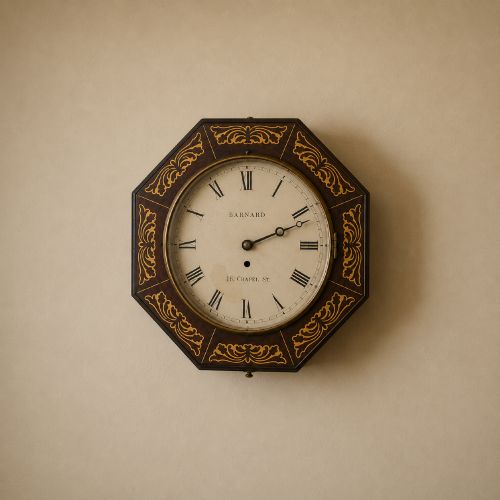
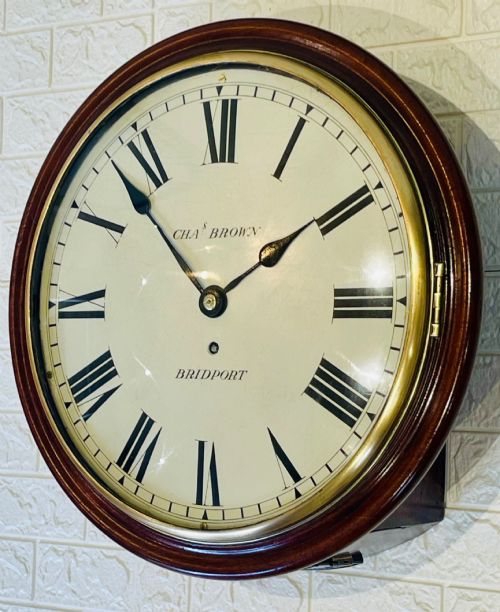
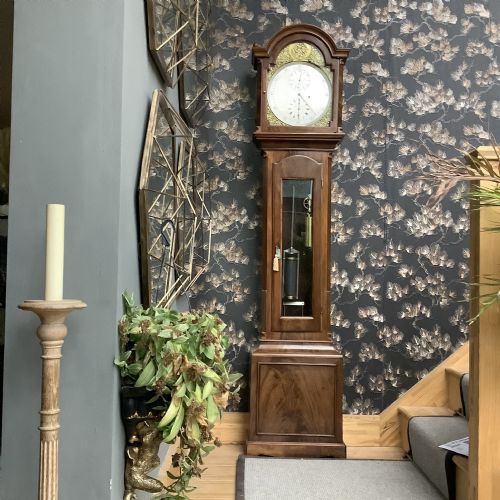
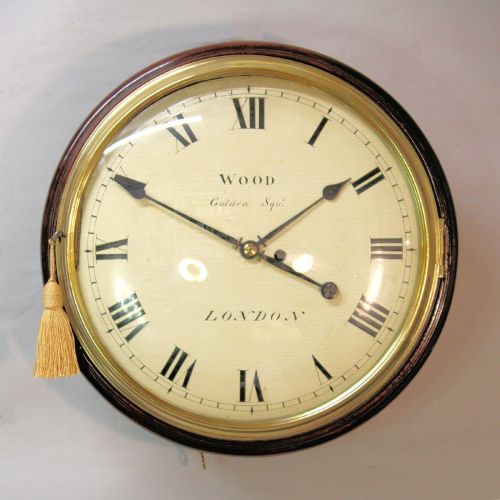
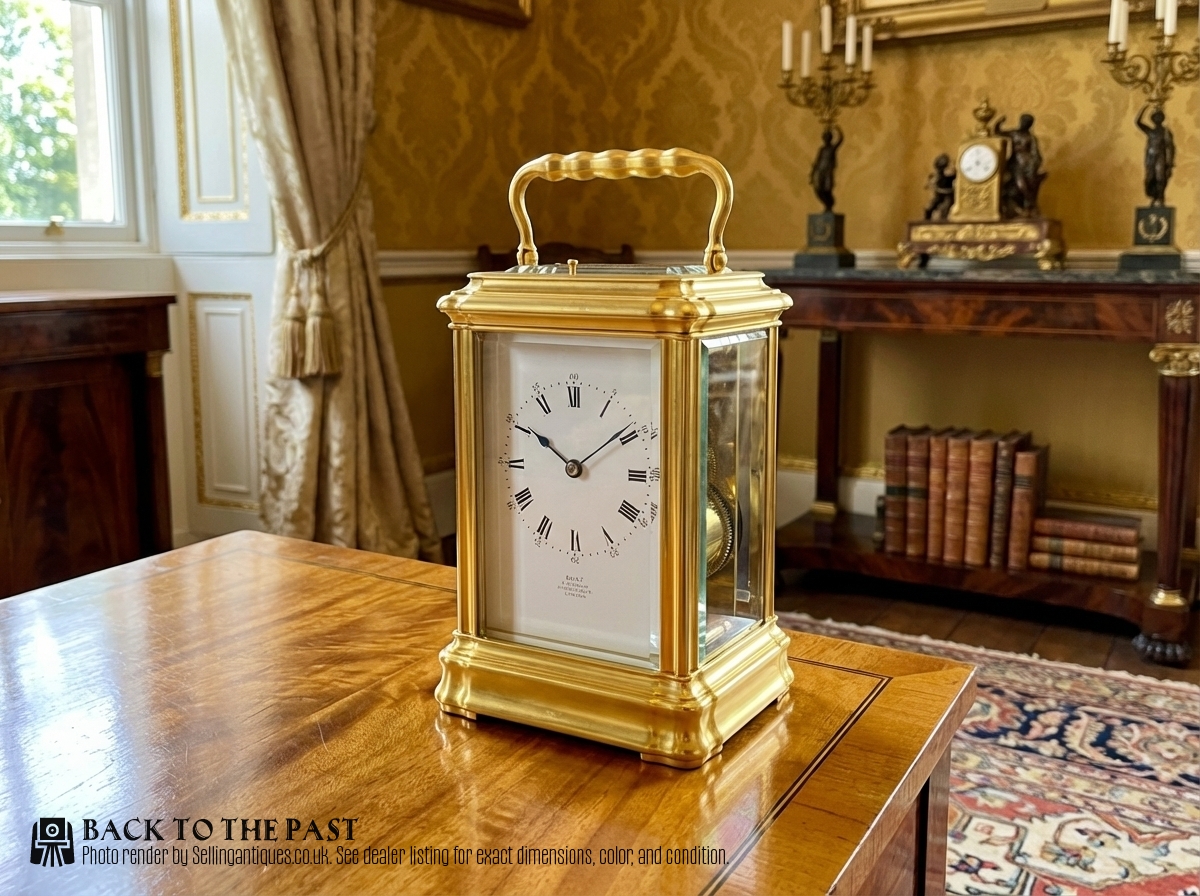
When you search for antique english horology, you encounter a diverse range of timepieces spanning from the seventeenth century through to the twentieth century. These objects include longcase grandfather clocks, wall dial clocks, lantern clocks, bracket clocks, carriage clocks and pocket watches.
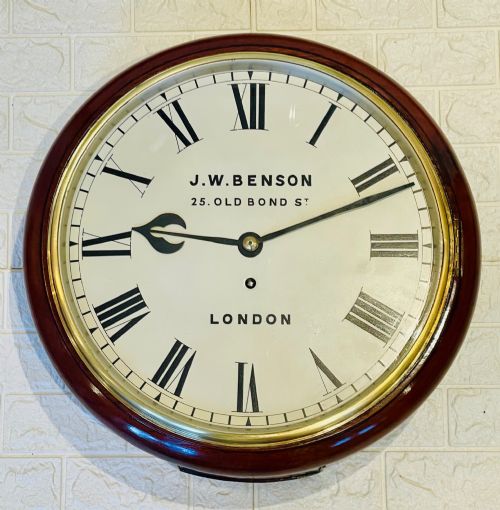
The pieces appearing on this page originate from various domestic and commercial settings, incorporating forms such as fusee wall clocks, silver pocket watches, and table clocks housed in oak, mahogany, burr walnut and ebony cases.
Materials and construction
The makers of these timepieces utilised durable metals such as brass, steel and iron for the internal movements, escapements and dials, often pairing them with silver mountings or enamel details. Cases were constructed from dense cabinet timbers including mahogany, oak, ebony and burr walnut.
Movements incorporate mechanical systems like fusees, verge escapements, lever escapements and quarter striking mechanisms, sometimes inlaid with brass or finished with gilded accents according to the stylistic preferences of periods like the Georgian, Regency and Victorian eras.
Antique English Horology Retail Price Guide 2026
Typical asking prices for english horology among the pieces listed under this phrase on Sellingantiques today, from the lower quarter to the upper quarter. They describe what is for sale here now, not the wider market.
Object forms recorded in this category include pocket watches, wall clocks, longcase clocks, lantern clocks and carriage clocks.
Distinctions in quality
Quality in these timepieces rests upon the precision of the mechanical movement and the integrity of the original case construction. Examples featuring complex striking trains, signed movements by notable makers and undisturbed dial faces demonstrate superior horological accomplishment.
The choice of cabinet timber and the delicacy of brass inlay or hand-engraved backplates also distinguish finer pieces from standard domestic timekeepers of the same period.
Richard Jones of Hereford·Elliott·Bickley London·William Gard·Goldsmiths Alliance Ltd·Mappin & Webb·Barnard·Richardson·J W Benson·L. Vick of Stroud·Cyma·John Spershott·John Witherston of Hereford·John Pepys London·William Speakman·Henry Massy·Benj Reeves Lamberhurst·Samuel Tinham·Peter Closon·John Waller·James Ogden Senior·William Barrow·Henry Jones·J Batson & Son·Connell of London
The Antique English Horology Glossary
- Fusee
- A conical pulley used in a timepiece to maintain an even pull on the movement as the mainspring unwinds. This mechanism helps ensure steady timekeeping accuracy.
- Verge escapement
- An early type of escapement mechanism that controls the release of power in a clock or watch. It works in conjunction with a balance wheel or pendulums.
- Bracket clock
- A portable table clock historically designed to sit upon a bracket or shelf. These clocks frequently feature striking mechanisms and carrying handles.
- Lantern clock
- An early form of brass domestic clock driven by weights, typically wall-mounted by a bracket and hoop. They represent some of the earliest domestic clocks produced in England.
- Half hunter
- A pocket watch case featuring a glass or open centre in the front cover, allowing the wearer to view the hands without opening the case.
Antique English Horology: Frequently Asked Questions
What is a fusee movement?
A fusee movement uses a conical drum to equalise the power delivered by the mainspring as it runs down.
This clever mechanical device ensures the torque remains constant, improving the overall accuracy of the clock or pocket watch.
How do I identify a lantern clock?
Lantern clocks are brass chamber clocks from the seventeenth and early eighteenth centuries, usually driven by weights and designed to hang on a wall.
They typically display distinctive pierced frets above the dial and stand upon short feet.
Where were bracket clocks placed?
Bracket clocks earned their name from the wooden wall brackets upon which they originally sat in grand domestic interiors.
Over time, they evolved into portable table clocks moved freely between rooms.
What distinguishes a pocket watch as a half hunter?
A half hunter pocket watch has a protective metal outer case with a glass porthole in the middle.
This design lets you check the time quickly without opening the outer cover.