

Antique English Enamels
These antique English enamels are small, hand-painted boxes, portrait miniatures, and decorative plaques that bring vivid colour and fine craftsmanship to a cabinet or desk.
Antique English Enamels
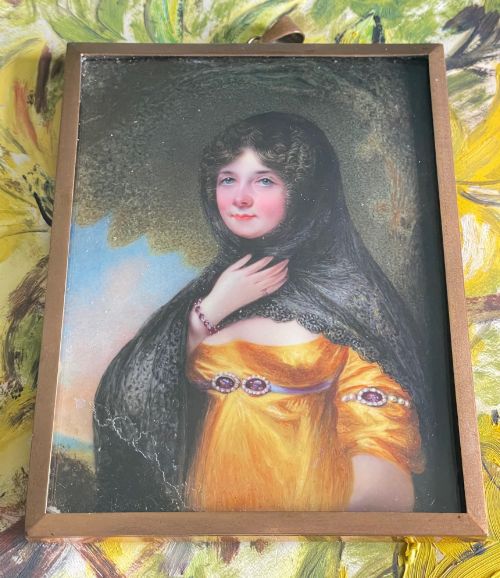
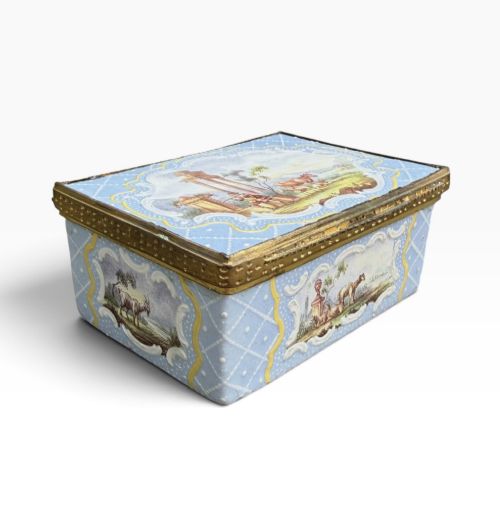
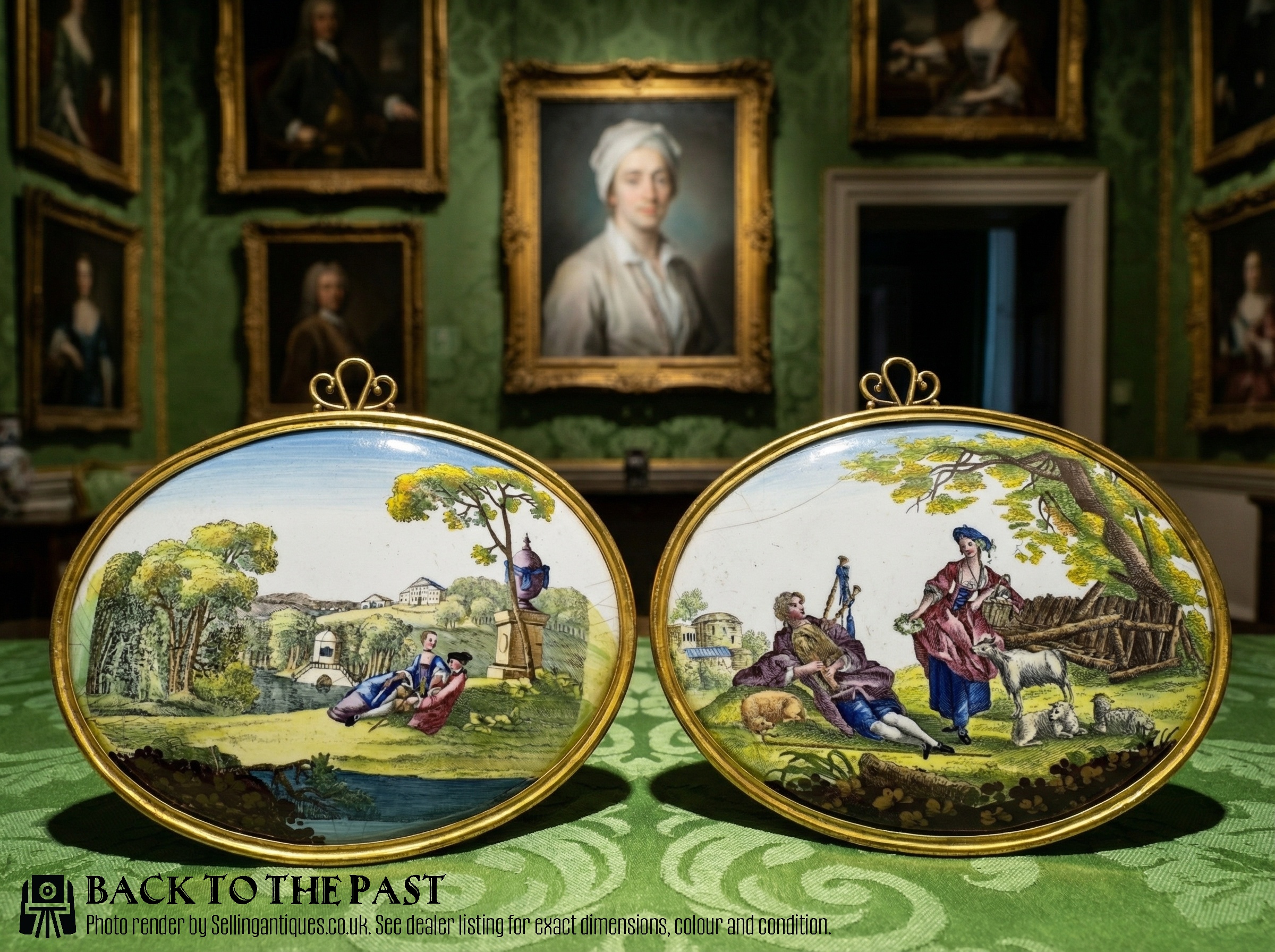
Antique English enamels comprise small decorative objects such as snuff boxes, patch boxes, bonbonnières, and rectangular wall plaques originating principally from the eighteenth and nineteenth centuries. The listings frequently feature pieces from renowned production centres like South Staffordshire, Bilston, and London. Buyers encounter portable luxuries made to hold cosmetics, tobacco, or personal mementos, alongside framed portrait miniatures painted with remarkable precision.
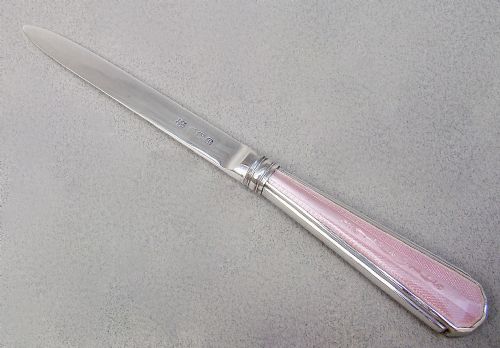
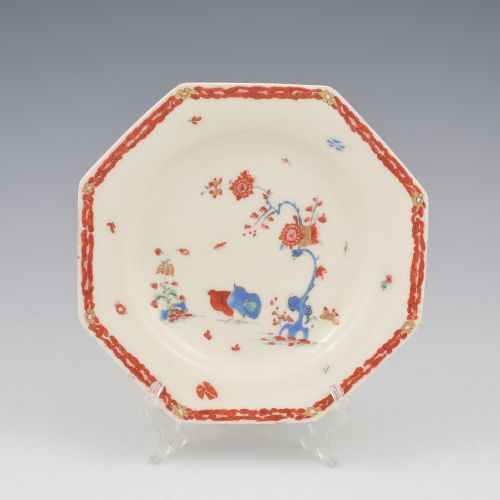
The materials span copper bases coated in opaque white or coloured enamel, often mounted in pinchbeck or gilt metal, alongside porcelain items incorporating enamel borders and silver articles featuring translucent guilloche enamel. Pieces range from Georgian trinket boxes to Edwardian photo frames and Art Deco letter openers. This variety reflects how enamelling techniques evolved from eighteenth-century Staffordshire novelties into twentieth-century luxury accessories.
How they were made
Craftsmen applied powdered glass paste to a shaped copper or metal base before firing the piece in a kiln to fuse the vitreous coating. Artisans then hand-painted detailed polychrome scenes, floral motifs, or portraits onto the hardened enamel surface using ceramic pigments, often returning the piece to the kiln for further firing to fix the colours.
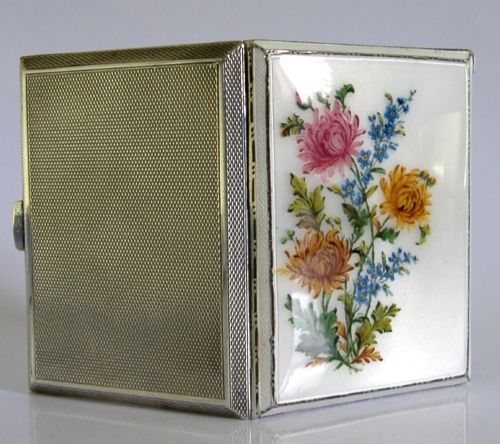
Many items incorporate sterling silver or brass mounts, hinges, and bezels shaped to fit the enamel body precisely. Later twentieth-century pieces utilise engine-turned guilloche patterns beneath translucent coloured enamel layers on silver grounds, creating geometric depth and reflected light.
An eighteenth-century box once held tiny black silk patches used by society figures to hide facial blemishes.
What varies in quality
The integrity of the fired surface and the retention of the original metal mounts dictate value. Pieces possessing smooth, unbroken enamel free from extensive hairline cracking, alongside original, tightly fitting clasps and hinges, represent the highest standard of survival.
Henry Bone·Horace Hone·William Hutton and sons·Richard Chaffers·Barker Brothers
The Antique English Enamels Glossary
- Guilloche
- A decorative mechanical engraving technique that etches precise geometric patterns into a metal surface. Translucent enamel applied over this pattern allows light to reflect through the colour.
- Bilston
- A Staffordshire town famous for producing eighteenth-century enamel trinket boxes, patch boxes, and scent bottles. These small containers often feature copper bodies with white enamel coatings.
- Patch box
- A small, pocket-sized container fitted with an internal mirror, used in the eighteenth century to hold small pieces of fabric or court plaster worn on the face. They typically feature hinged lids decorated with hand-painted landscapes or inscriptions.
- Verge
- An early type of escapement mechanism used in pocket watches and clocks before the lever escapement became standard. It produces a distinctive ticking sound and relies on a balance wheel regulated by a hairspring.
- Fusee
- A conical pulley used in clock and watch movements to maintain an even pull as the mainspring unwinds. This mechanism ensures consistent timekeeping throughout the power reserve.
Antique English Enamels: Frequently Asked Questions
What were antique enamel boxes used for?
Georgian and Victorian enamel boxes served as fashionable pocket accessories for carrying snuff, patches, or sweetmeats. Wealthy individuals used them to display personal sophistication during social gatherings.
These containers were kept on dressing tables or carried in pockets and reticules. Their delicate painted lids often featured romantic scenes, political sentiments, or witty inscriptions meant to prompt conversation.
How do I clean antique enamel?
Cleaning requires only a soft, dry cloth to remove dust from the surface. Moisture can seep into hairline cracks or corrode the underlying copper and iron mounts.
Harsh chemical cleaners and abrasive cloths must be avoided entirely because they permanently scratch the soft glass surface and dull the hand-painted pigments. Professional conservation is advised for heavily soiled pieces.
How can I tell Bilston enamel from later copies?
Eighteenth-century Bilston pieces feature hand-hammered copper bases covered in a thick, slightly uneven white enamel glaze that often shows tiny pinprick air bubbles under magnification. The hand-painted decoration uses soft ceramic colours.
Modern reproductions typically employ machine-rolled brass or uniform modern copper bases with flawlessly smooth, mechanically applied surfaces. The colours on recent copies often appear overly bright and lack the subtle brushwork of period originals.
Are enamel plaques meant for walls?
Enamel plaques were produced primarily to be mounted into frames, furniture, or the lids of large presentation boxes. Surviving examples are frequently framed for wall display.
Because prolonged exposure to direct sunlight can fade certain early enamel pigments, placement away from bright windows preserves the intensity of the hand-painted colours.