



Antique English Earthenware Vessel
An antique English earthenware vessel brings centuries of domestic craft into a room, spanning rustic slipware jugs and delicate delftware.
Antique English Earthenware Vessel
When you search for an antique English earthenware vessel, you encounter a broad category that embraces utilitarian kitchenware, tavern jugs, apothecary jars, and decorative studio pottery. These pieces span centuries of domestic and artistic production, reflecting changes in British ceramics from early slipware to the rise of specialised potteries.
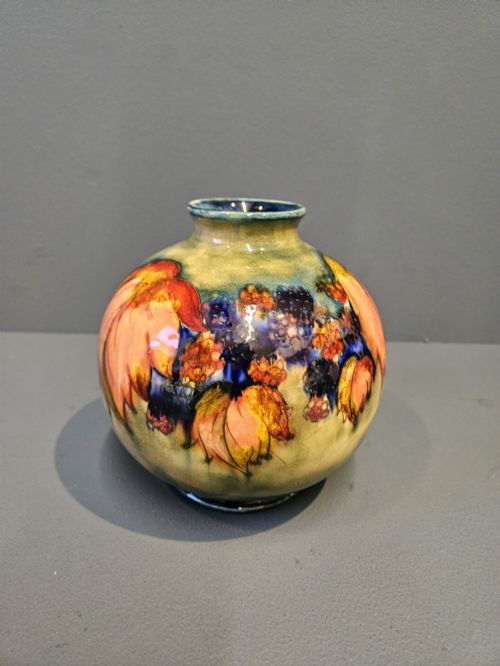
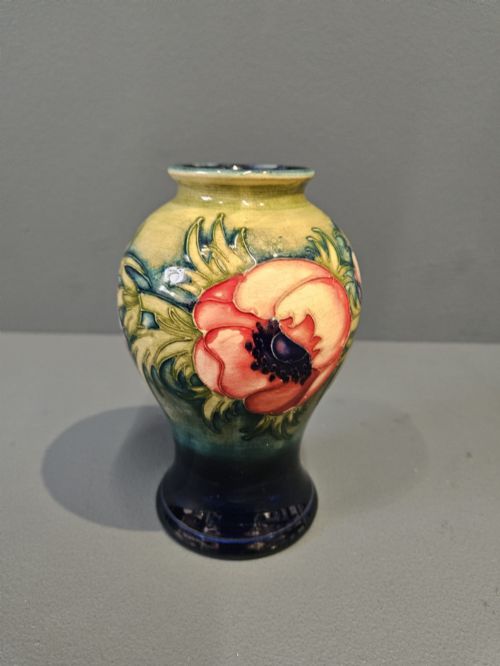
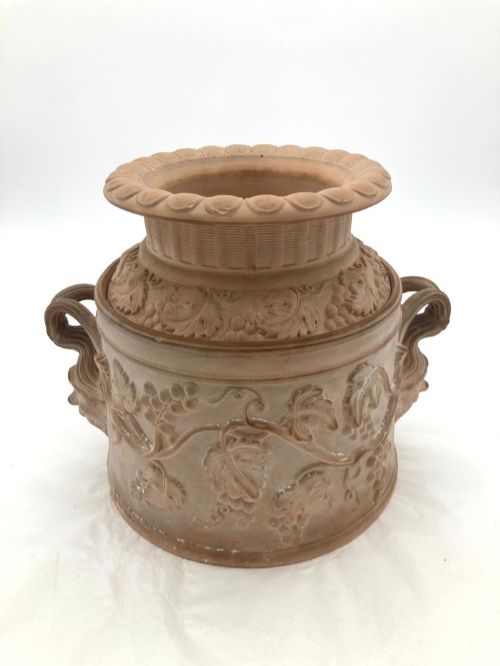
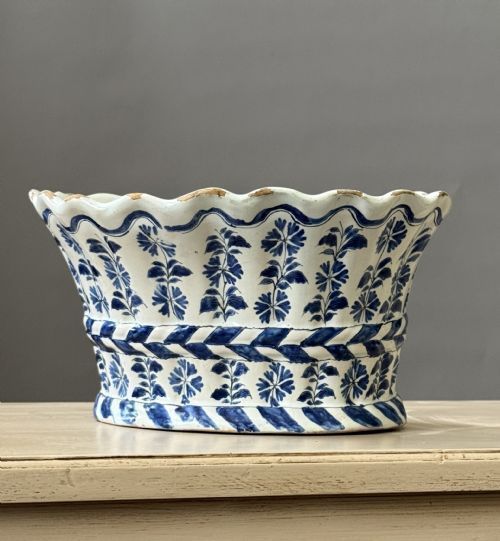
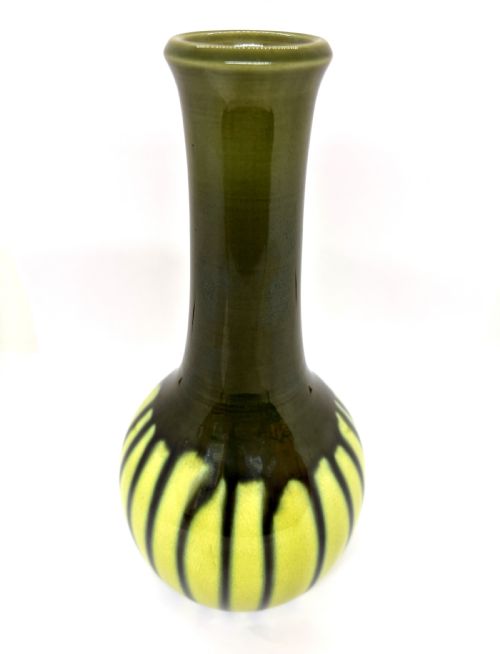
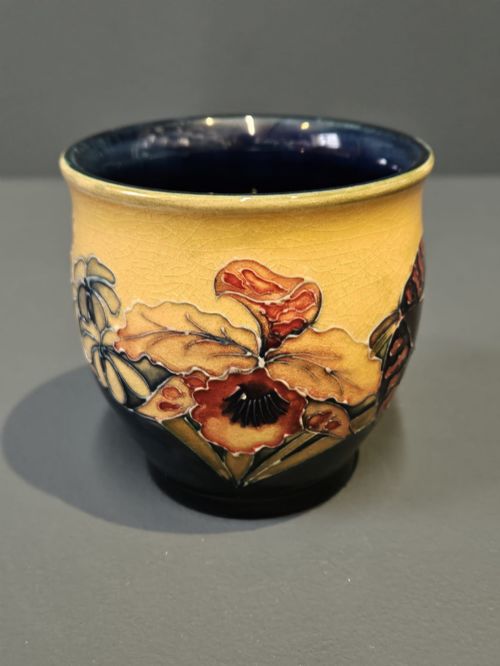
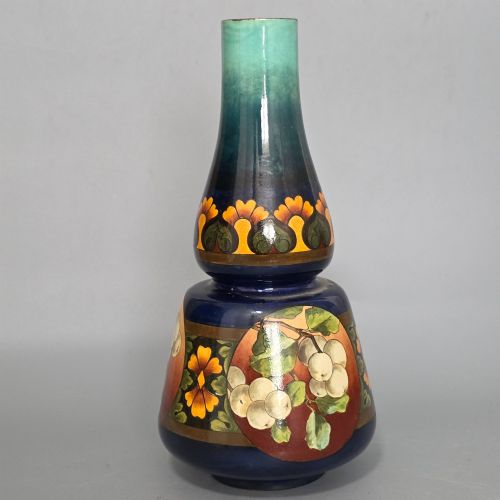
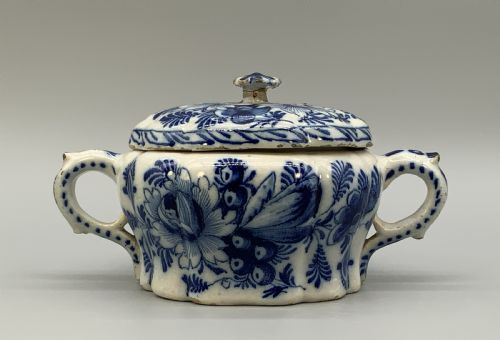
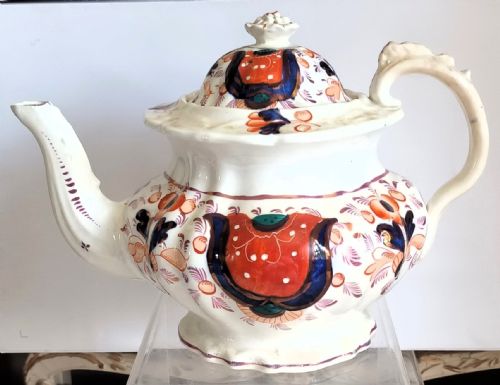
The versions you meet most frequently on this page belong to the nineteenth and eighteenth centuries, taking forms such as jugs, vases, bowls, and posset pots. Each object carries the marks of its period, whether through hand-painted tin glaze, moulded relief, or rich crystalline surfaces.
From humble dairy bowls to exhibition pieces, an antique English earthenware vessel demonstrates how utilitarian clay transformed into decorative domestic art across Georgian, Victorian, and Arts and Crafts eras.
Materials and methods
Potters shaped these vessels from local clays, utilising earthenware bodies that required lower firing temperatures than stoneware or porcelain. Artisans applied various finishes, including tin glazes, lustres, and slip decoration, to seal the porous clay and provide decorative surfaces.
Techniques evolved from simple lead-glazed slipware and blue-and-white delftware to sophisticated nineteenth-century moulding, transfer printing, and complex crystalline or faience glazes seen in later studio pottery.
Antique English Earthenware Vessel Retail Price Guide 2026
Typical asking prices for english earthenware vessel among the pieces listed under this phrase on Sellingantiques today, from the lower quarter to the upper quarter. They describe what is for sale here now, not the wider market.
Listings span multiple centuries, ranging from seventeenth-century English delftware and slipware to twentieth-century Art Deco pottery.
Assessing quality
Quality rests upon the crispness of the modelling, the depth and control of the glaze, and the balance of form. Superior pieces exhibit confident hand-painting or precise moulding that survives the firing process without distortion.
Maker attribution and the complexity of the decorative scheme further separate standard domestic items from exhibition-standard works, while original lids and intact handles preserve the historical integrity of hollow vessels.
Davenport·Burmantoft's Pottery·Doulton Lambeth·Spode·Miles Mason·Brannam Art Pottery·Pilkingtons Royal Lancastrian·Wedgwood·William Moorcroft·Ruskin Pottery·William Adams And Sons·Copeland And Garrett
The Antique English Earthenware Vessel Glossary
- Slipware
- Pottery decorated with liquid clay, known as slip, applied to a different coloured clay body before firing. This technique produces linear or marbled patterns found on early English vessels.
- Delftware
- Tin-glazed earthenware produced in England from the seventeenth century onwards, typically featuring a white opaque background painted in blue pigments. It often mimics Chinese porcelain designs.
- Posset pot
- A spouted vessel with handles used historically for serving posset, a hot drink made of curdled milk mixed with wine or ale. These pieces frequently date to the seventeenth and eighteenth centuries.
- Drug jar
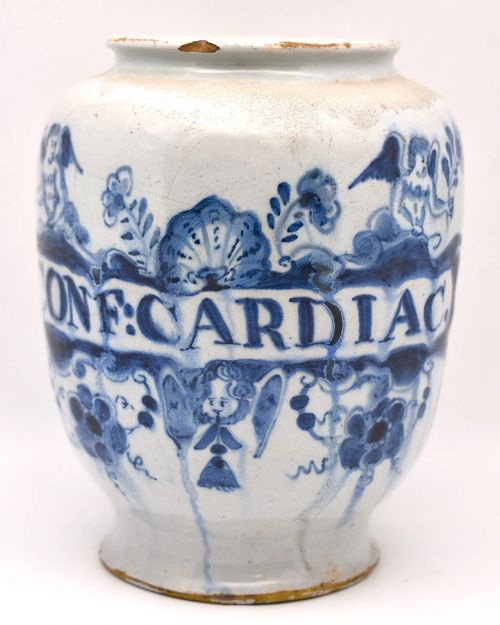
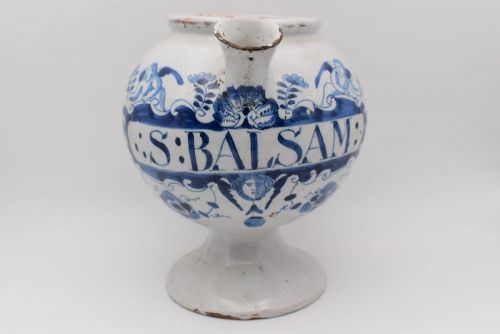
- An apothecary vessel designed to hold medical ingredients or ointments, often inscribed with Latin labels or pharmaceutical abbreviations. They demonstrate the utilitarian origins of many early ceramic forms.
- Lustreware
- Earthenware coated with a metallic glaze that creates an iridescent sheen when fired in a reduced oxygen environment. Sunderland examples often incorporate pink metallic splash effects.
- Toby jug
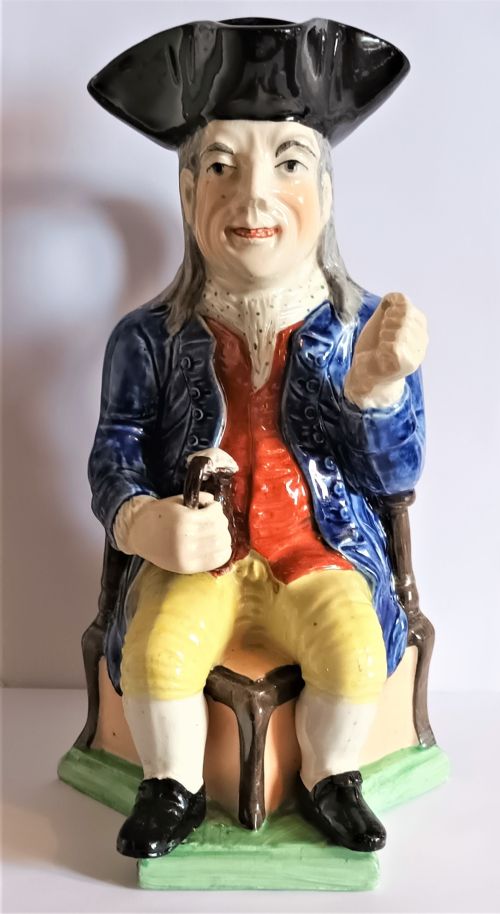
- A pottery jug modelled in the form of a stout, genial man usually wearing eighteenth-century attire and holding a mug or pipe. Victorian potteries produced these figures in substantial quantities.
Antique English Earthenware Vessel: Frequently Asked Questions
How do I date an antique earthenware vessel?
Dating relies on stylistic markers, glaze types, and any impressed or painted factory marks on the base. Earlier pieces from the seventeenth and eighteenth centuries often display hand-thrown irregularities and tin glazes, whereas nineteenth-century items show industrial manufacturing stamps.
Examining the wear patterns and the composition of the clay body provides further clues to the manufacturing period, helping separate Georgian utility wares from Victorian decorative productions.
Were these vessels used for food or display?
Many items began as working objects in kitchens, taverns, or apothecary shops, including dairy bowls, drug jars, and tavern jugs. Over time, collectors and households transitioned them into ornamental display pieces.
Finer examples, such as exhibition vases and commemorative bowls, were made specifically for display or special occasions rather than daily domestic service.
What is the difference between earthenware and stoneware?
Earthenware is made from porous clay fired at lower temperatures, requiring a glaze to hold liquids. It forms the basis for traditional slipware, delft, and majolica.
Stoneware uses denser clay fired at much higher temperatures until the material vitrifies and becomes naturally non-porous without needing a surface glaze.