



Antique Staffordshire Figural Pottery
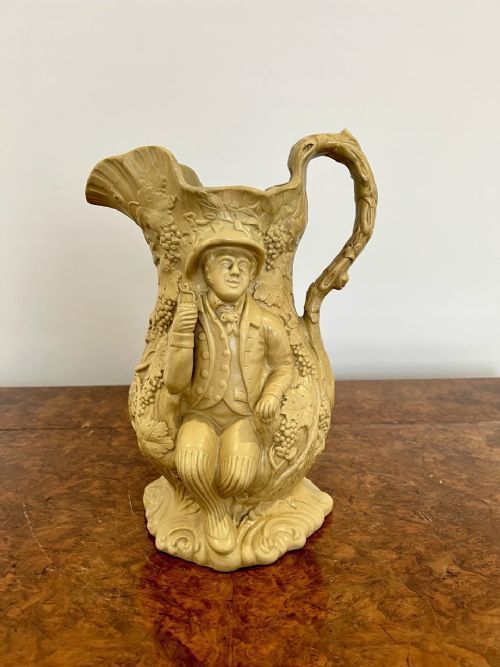
Antique staffordshire figural pottery brings character to a room through modelled earthenware figures and jugs that capture historical personalities and rustic types.
Antique Staffordshire Figural Pottery
Antique staffordshire figural pottery encompasses a range of earthenware and stoneware objects modelled into human figures, animals, and character vessels. These pieces date from the Georgian and Victorian periods, spanning the nineteenth century.
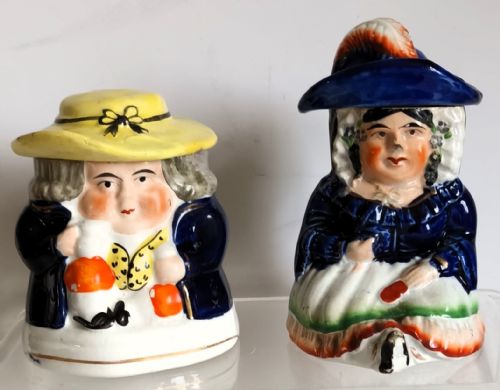
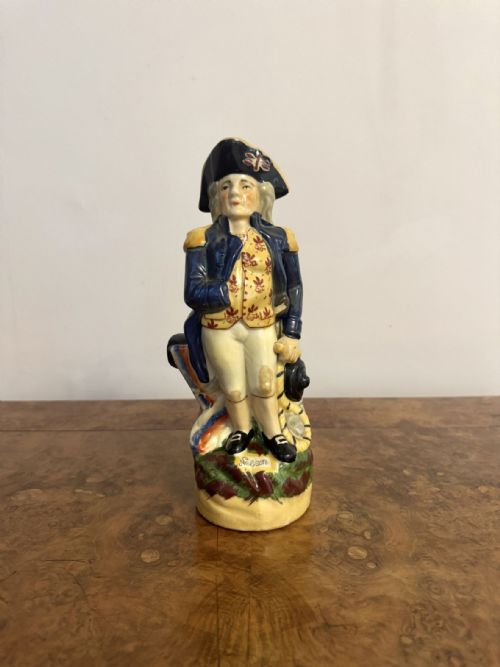
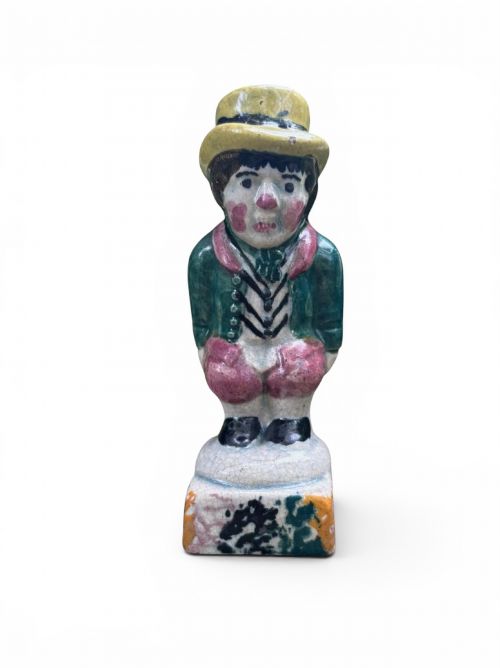
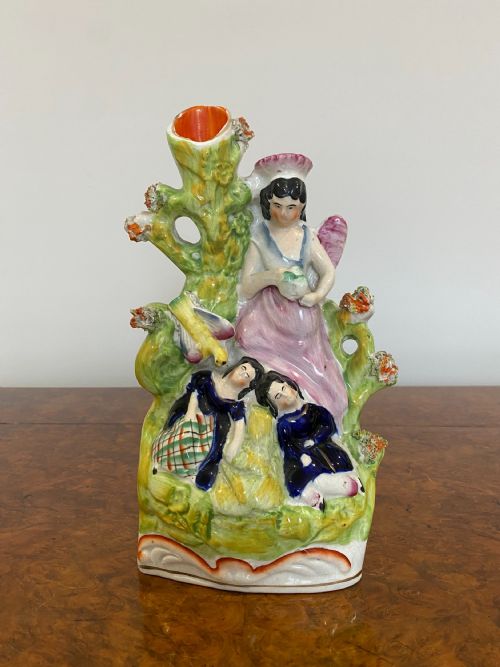
Buyers will encounter various forms on this page, including toby jugs depicting figures like Lord Nelson or Mr Snuff, tobacco jars, wine cups, pepper pots, and decorative flat back figures. The selection highlights traditional Staffordshire craftsmanship intended for display and everyday utility.
The styles reflect nineteenth-century British tastes, moving from earlier Georgian iterations through to Victorian productions. Each piece demonstrates how makers translated notable characters and social archetypes into ceramic form.
How they were made
These ceramic pieces are constructed from earthenware, pearlware, and stoneware, often utilising relief moulding techniques to shape the detailed figures and jugs. The bodies are finished with glazes and decorated with enamel paint.
Antique Staffordshire Figural Pottery Retail Price Guide 2026
Typical asking prices for staffordshire figural pottery among the pieces listed under this phrase on Sellingantiques today, from the lower quarter to the upper quarter. They describe what is for sale here now, not the wider market.
Mr Snuff and Bacchus join Lord Nelson on this page, proving that Staffordshire potters were happy to mix naval heroes with mythological drinkers.
What varies in quality
Quality in antique staffordshire figural pottery rests upon the crispness of the relief moulding and the skill of the hand-painted enamel decoration. Superior examples display sharply defined facial expressions and careful application of colour across the earthenware body.
The depth and brilliance of the glaze also separate finer pieces from simpler utilitarian items, alongside the structural integrity of the modelled form. Strong definition in the figures and well-preserved paint surfaces distinguish the top of the range.
The Antique Staffordshire Figural Pottery Glossary
- Toby Jug
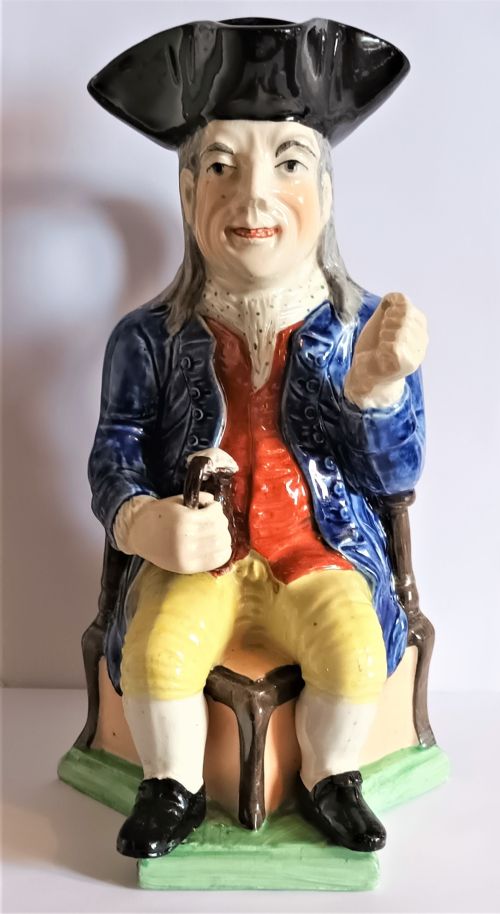
- A pottery jug modelled in the shape of a seated, stout person, usually wearing eighteenth-century attire and holding a mug or a pipe. These character vessels formed a staple of Staffordshire production throughout the nineteenth century.
- Pearlware
- A refined earthenware developed in the late eighteenth century, featuring a thin, clear glaze over a slightly blue-tinted body that made the pottery appear whiter than earlier creamsustain wares.
- Flat Back Figure
- A ceramic figure designed to be placed against a wall or mantelpiece, leaving the reverse unmodelled and unglazed. This technique saved materials and weight for larger display pieces.
- Enamel
- Opaque coloured glass fused to the ceramic surface through firing, used to add bright pigments to glazed earthenware figures and vessels. It provides the characteristic vibrant palette seen on nineteenth-century pieces.
Antique Staffordshire Figural Pottery: Frequently Asked Questions
What are Staffordshire toby jugs?
Staffordshire toby jugs are ceramic vessels shaped like traditional characters, historical figures, or caricatures, usually seated with a drink. They served as both decorative items and functional jugs in nineteenth-century homes.
These pieces were produced in earthenware and decorated with coloured glazes and enamel paint to highlight the subject's clothing and facial expressions.
How do I identify a flat back figure?
A flat back figure is modelled primarily for display on a mantelpiece or shelf, meaning the reverse side is left flat and often unglazed. This design allowed the figure to sit flush against a wall.
Staffordshire potters used this method during the Victorian era to create taller decorative pieces that remained stable on flat surfaces.
What materials were used?
The pieces on this page are constructed from ceramic bodies such as earthenware, pearlware, and stoneware. Makers finished these vessels and figures with glazes and hand-painted enamel details.
The combination of relief moulding and painted ceramic glazes defines the traditional aesthetic of nineteenth-century Staffordshire pottery.
How do I date these ceramics?
Dating relies on stylistic clues, materials like pearlware or earthenware, and the typical manufacturing periods associated with specific forms. Pieces span from the Georgian era through to the late Victorian period.
Changes in glaze composition and moulding techniques across the nineteenth century help distinguish earlier Georgian examples from later Victorian productions.