
Antique English Drinking Glass
These antique English drinking glass examples span centuries of master craftsmanship, offering collectors tactile history and functional elegance for the modern table.
Antique English Drinking Glass
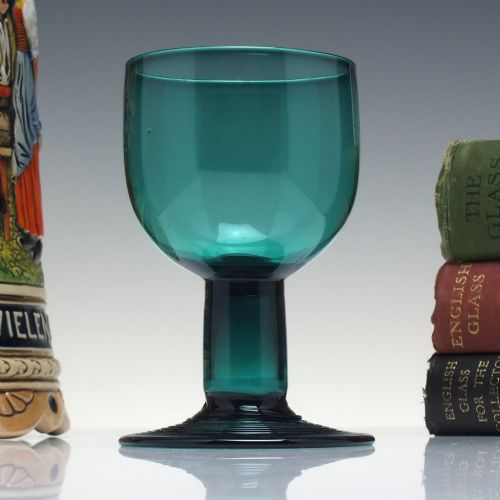
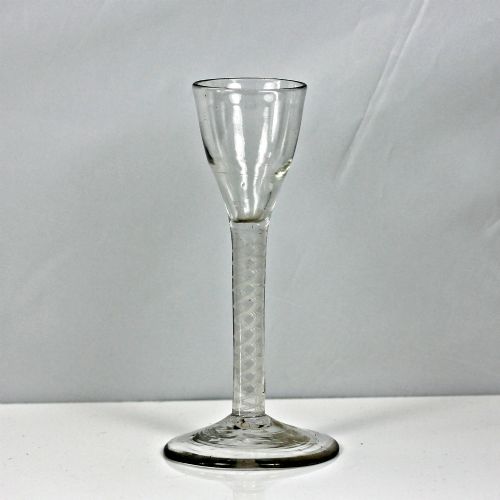
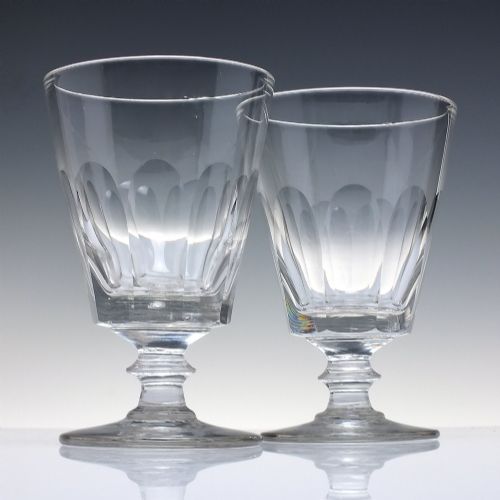
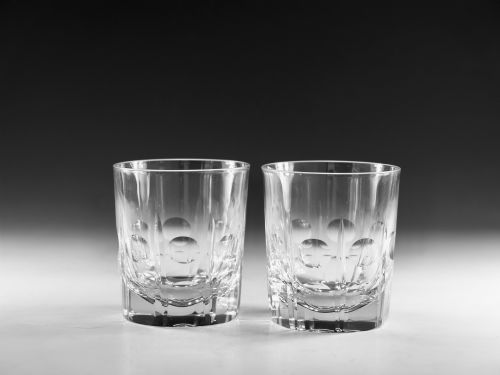
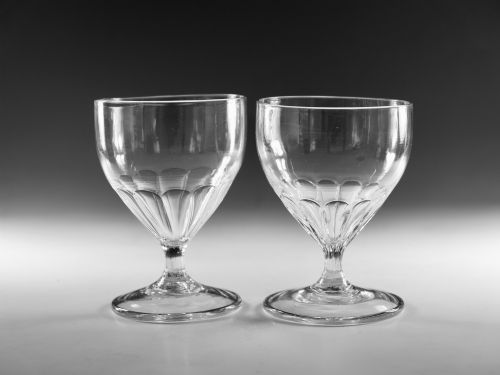
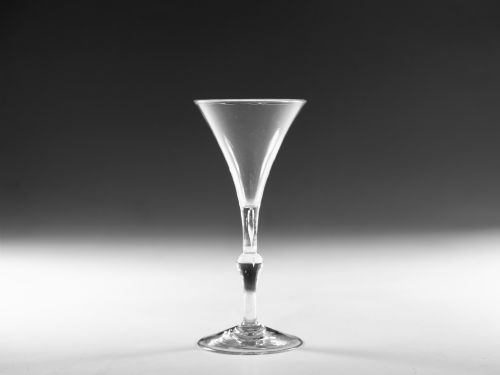
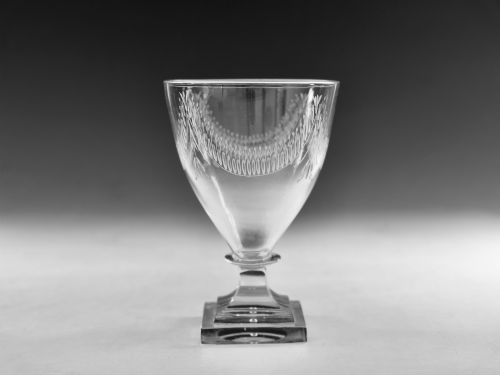
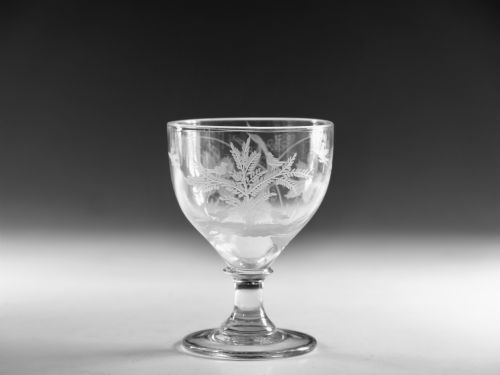
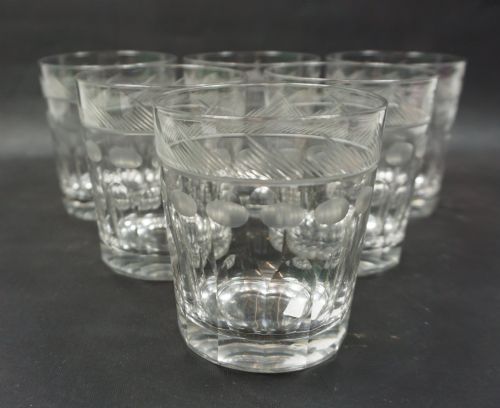
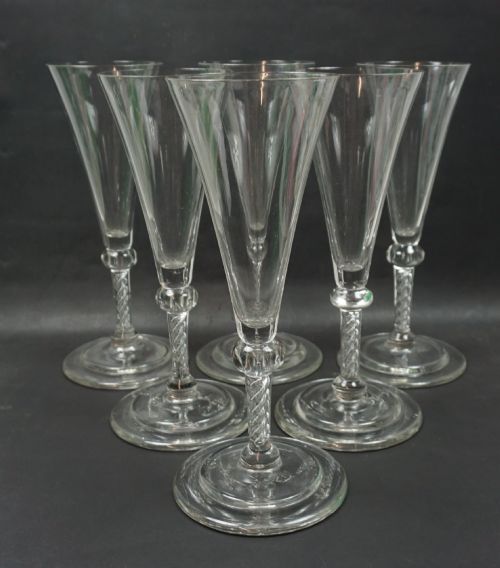
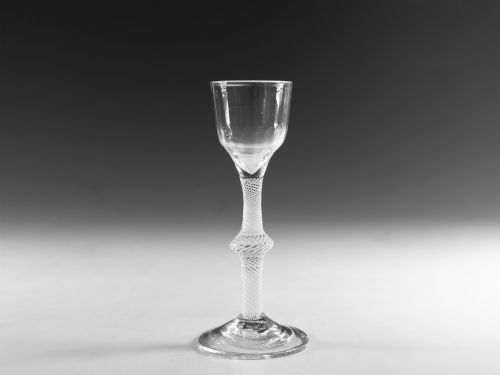
Wine glasses from the mid-eighteenth century dominate the offerings, showcasing delicate bowls supported by air twist, opaque twist, or mixed twist stems. Larger rummers and heavy crystal tumblers from the later Georgian and Victorian periods also appear regularly.
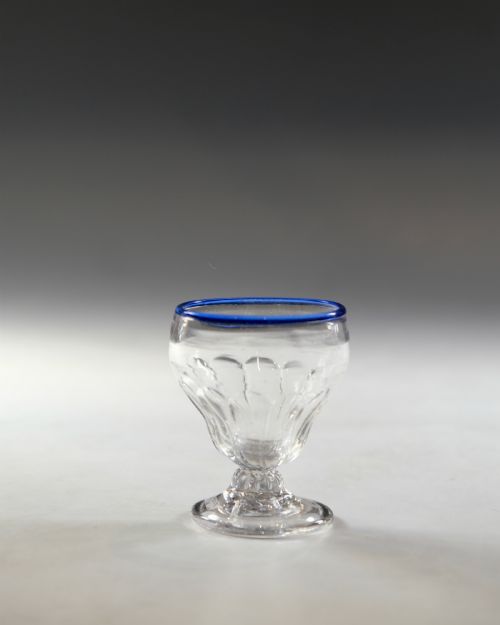
Buyers encounter diverse vessel forms including pan top bowls, ogee bowls, bell bowls, and folded feet alongside specialised items like bonnet glasses and jelly glasses. Each piece reflects the domestic drinking habits of its specific historical period.
Materials and technique
Glassmakers utilised lead glass, lead crystal, and flint glass to achieve superior clarity, weight, and resonance in each vessel. Hand-blown glass techniques allowed artisans to shape bowls and draw stems while metal was still molten.
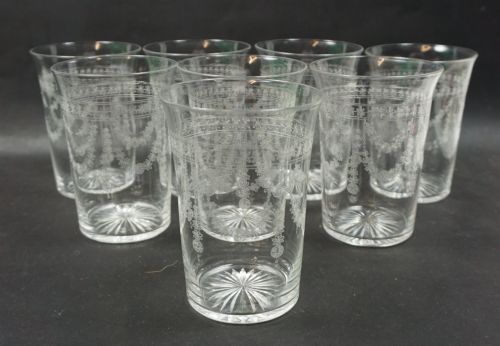
Master craftsmen incorporated intricate internal air bubbles and white enamel threads to form single and double series twists within the stems. Surface ornamentation involved wheel engraving, acid etching, and rib moulding executed on cooled glass.
Antique English Drinking Glass Retail Price Guide 2026
Typical asking prices for english drinking glass among the pieces listed under this phrase on Sellingantiques today, from the lower quarter to the upper quarter. They describe what is for sale here now, not the wider market.
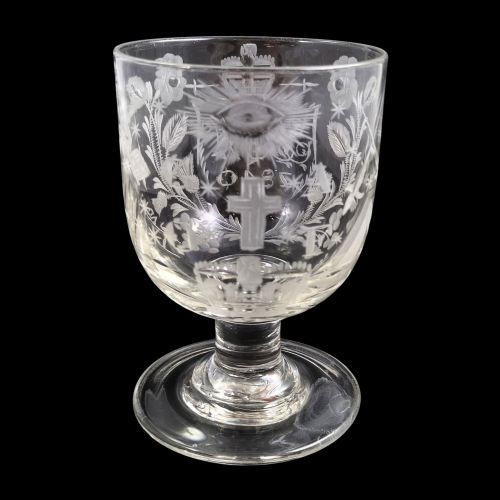
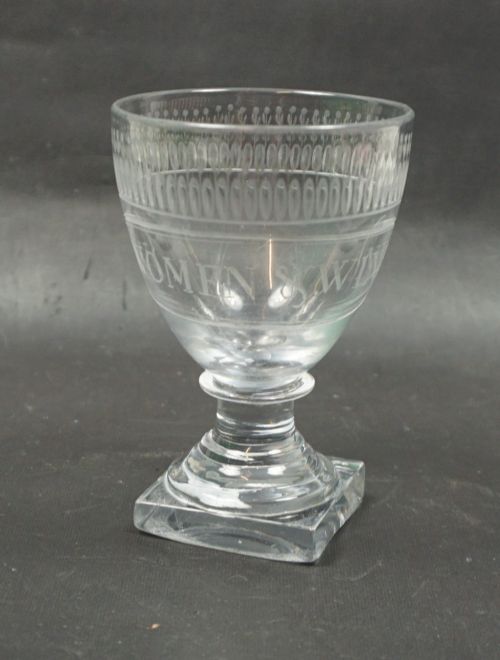
One remarkably honest rummer bears an engraved tribute dedicated strictly to women and wine.
Judging quality
Quality rests upon the optical clarity of the metal, the symmetry of the bowl, and the dexterity required to pull a stem or form a twist. Master glassmakers achieved exceptional precision in air and opaque twists without distorting the vessel profile.
Subtleties in proportion, the crispness of wheel engraving, and the relative scarcity of specific twist configurations distinguish standard production items from elite cabinet pieces.
The Antique English Drinking Glass Glossary
- Air twist
- A stem containing elongated internal spiral air channels created by drawing bubbles within the molten metal. This technique requires exceptional skill from the glassmaker to maintain uniform thickness.
- Opaque twist
- A stem enclosing fine white enamel threads twisted into single or double series patterns. These threads contrast sharply against the clear lead glass of the bowl.
- Rummer
- A large, sturdy drinking glass popular from the late eighteenth through the nineteenth century. These vessels typically served ale, wine, or punch.
- Wrythen
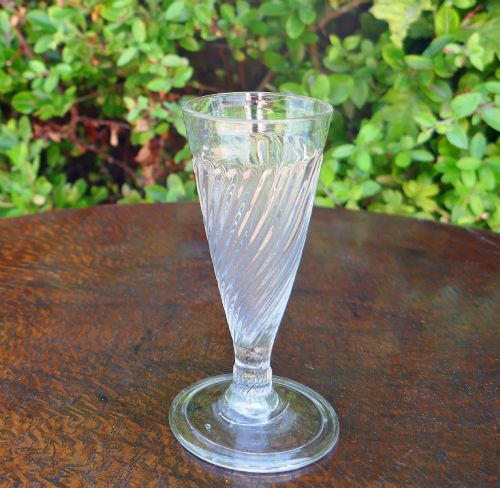
- A decorative optical swirl pattern moulded into the body of the glass. The effect imparts a gentle diagonal ribbing to the vessel walls.
- Folded foot
- A rim folded underneath the base of the glass to provide stability and a smooth edge. This characteristic feature appears frequently on mid-eighteenth-century stemware.
Antique English Drinking Glass: Frequently Asked Questions
How do I date an antique drinking glass?
Dating relies on combining stylistic evidence such as bowl shapes, stem formations, and foot treatments with known manufacturing periods. Eighteenth-century pieces often display pontil marks and distinctive twist stems, whereas Victorian examples tend toward heavier cut crystal.
Changes in glass chemistry and taxation laws also provide firm chronological markers for British production.
Can I use antique glasses for everyday dining?
Many sturdy rummers and heavy crystal tumblers remain robust enough for regular use provided they receive careful handling. Stemware with delicate air twists requires greater caution due to the fragile nature of the drawn stems.
Hand washing in warm water prevents thermal shock and protects the historic glass surface from modern detergent damage.
What is the difference between air twist and opaque twist?
Air twist stems utilise trapped atmospheric bubbles stretched into spiralling threads inside the clear glass. Opaque twist stems incorporate separate rods of white enamel glass melted into the core.
Both methods demand precise temperature control during the pulling and twisting stages of manufacture.
Why do some glasses have folded feet?
Makers folded the bottom rim of the foot underneath during blowing to reinforce the edge against chipping. This practice served as a practical strengthening method prevalent during the eighteenth century.