


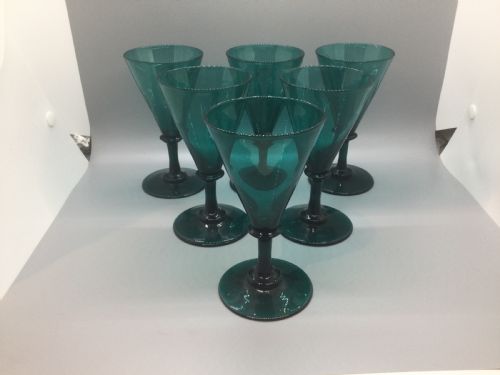

Georgian Glass Drinkware
Georgian glass drinkware brings eighteenth-century craftsmanship to the table with sturdy lead metal and clear or coloured forms designed for everyday use.
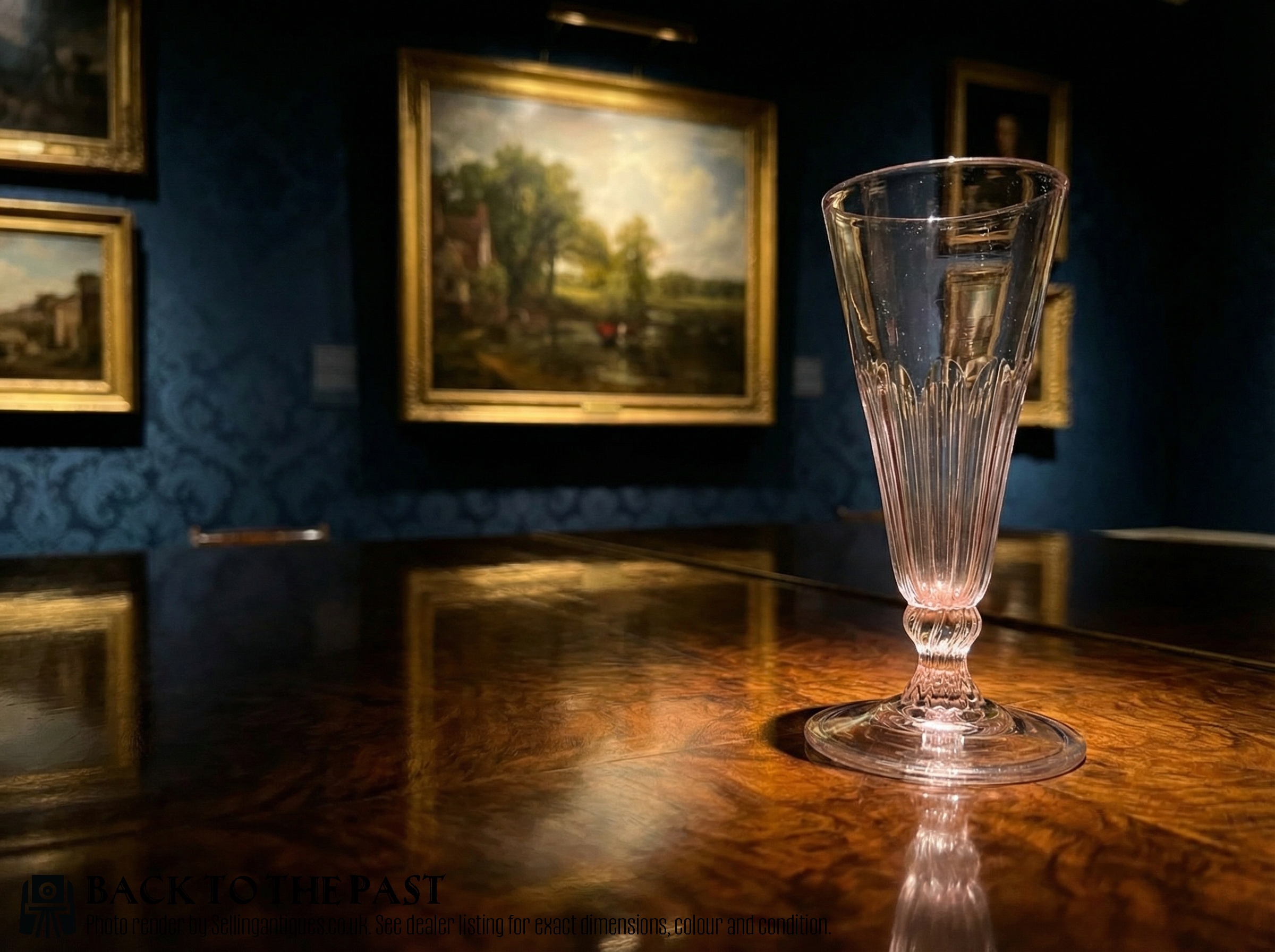
What georgian glass drinkware consists of
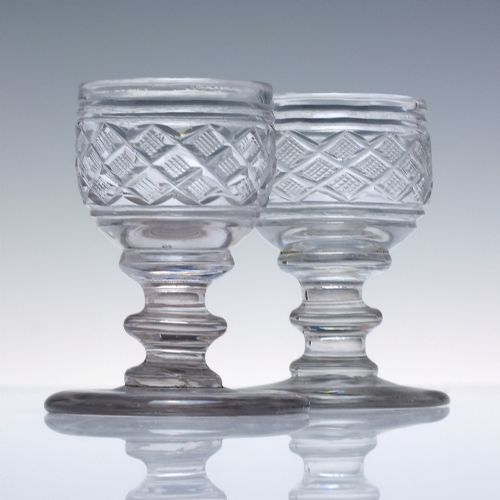
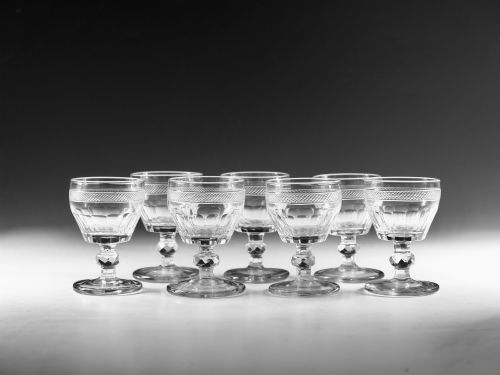
When buyers search for georgian glass drinkware, they find drinking vessels spanning the eighteenth century and the year 1800. These pieces include wine glasses, tankards, rummers, and ale glasses created for domestic use.
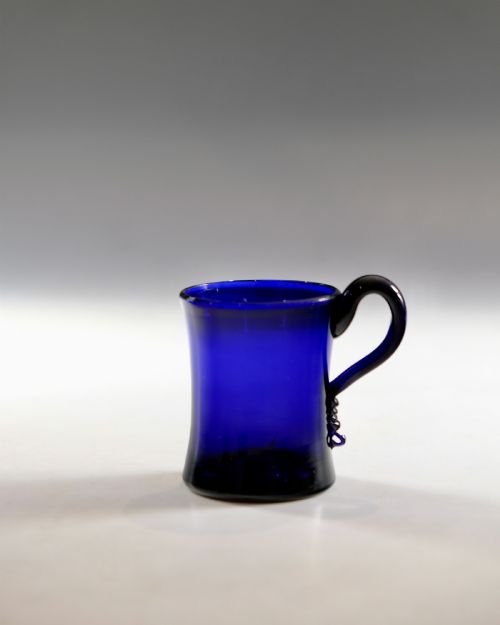
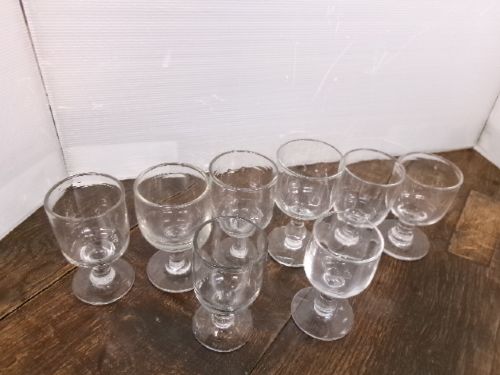
The most common examples on this page are small-scale pieces from the eighteenth century. Buyers frequently encounter lead glass items featuring specific traditional forms like the wrythen fluted ale glass and small blue tankards.
Origins are distinctly English, representing the domestic output of the period. Forms range from compact drinking vessels to larger rummers dated towards the middle of the nineteenth century.
How georgian glass drinkware was made
Makers utilised lead glass and clear glass, alongside cobalt glass for coloured pieces. These materials provide the characteristic weight and clarity found in eighteenth-century drinking vessels.
Techniques involved shaping molten metal into specific vessel types, such as applying wrythen fluting to ale glasses. Tankards and rummers were formed by hand to achieve their respective functional shapes.
A small blue tankard from 1800 proves that eighteenth-century drinkers enjoyed their ale with a vibrant splash of cobalt.
What varies in quality
Quality differences lie in the dexterity of the forming process, particularly in the precision of decorative elements like wrythen fluting. The consistency of the metal itself, whether clear glass, lead glass, or deep cobalt, distinguishes standard utility pieces from more finished examples.
The sophistication of the vessel's proportions and the handling of the material dictate its standing. Finer items display a careful balance between wall thickness and overall weight, reflecting the maker's control over the molten batch.
The Georgian Glass Drinkware Glossary
- Lead glass
- Glass containing lead oxide for added weight and brilliance. This material was standard in better British drinking vessels of the period.
- Wrythen fluted
- A decorative swirl pattern moulded into the body of a vessel. It adds texture and visual movement to ale glasses and similar forms.
- Tankard
- A cylindrical drinking vessel with a handle, used for ale or beer. Cobalt examples introduce rich colour to this robust domestic form.
- Cobalt glass
- Deep blue glass coloured with cobalt oxide. It creates striking contrast in small tankards and decorative drinkware.
Frequently Asked Questions
What is georgian glass drinkware?
Georgian glass drinkware encompasses drinking vessels made during the eighteenth century and around 1800. These include wine glasses, ale glasses, rummers, and tankards.
They reflect the domestic drinking habits and glassmaking standards of English workshops from the period.
How do I date these glasses?
Dating relies on stylistic indicators such as bowl shapes, stem formations, and manufacturing traits. Pieces from the eighteenth century often display hand-formed characteristics distinct from later nineteenth-century items.
Reference points include documented periods like c1740 or c1800 to narrow down the era.
What materials were used?
Makers relied primarily on lead glass and clear glass for standard vessels. Cobalt glass was also used to produce deeply coloured items like small tankards.
These materials give the pieces their characteristic heft and visual depth.
How were these glasses used?
These vessels served everyday drinking functions at the table, accommodating wine, ale, and stronger spirits. Rummers and tankards were built for heartier portions of beer and cider.
Smaller wine glasses and ale glasses catered to formal or casual dining customs of the era.
Are these pieces English?
The available evidence points specifically to English origins for these drinking vessels. Workshops across the country produced lead glass items for domestic consumption.
Regional techniques and standard British forms define the listings on this page.