


Nineteenth Century Glassware
Nineteenth century glassware brings tactile weight and rich colour to a table, offering genuine period character that modern production simply cannot replicate.
Decanters, goblets, and vases
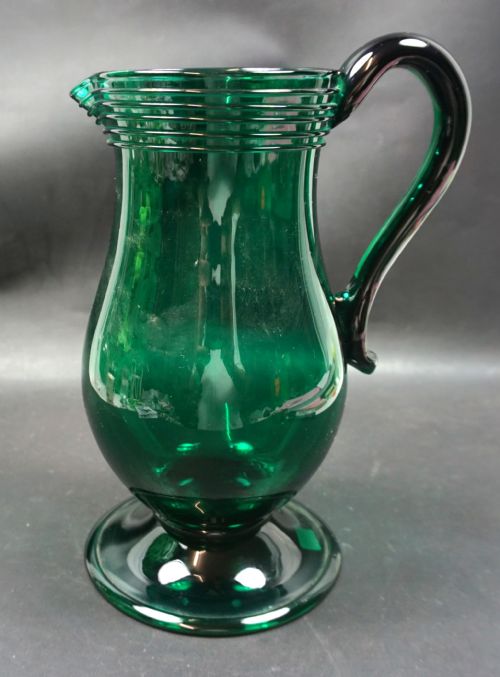
When you search for nineteenth century glassware, you encounter a selection of decanters, rummers, wine glasses, and vases spanning the Georgian, Victorian, and nineteenth century French periods. These pieces represent the domestic and decorative vessel forms of the era, shaped by shifting tastes across European workshops.
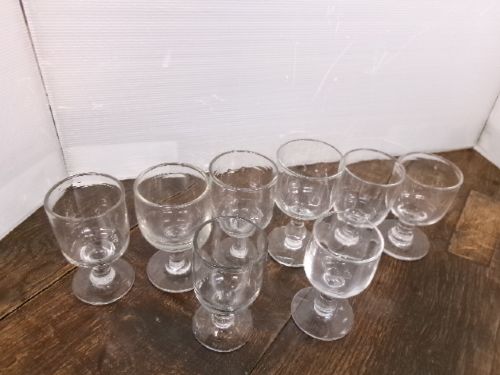
The objects listed here include cobalt glass vases, engraved crystal römer goblets, small rummers, and cider decanters. Such forms reflect the diverse uses of glass during the period, from formal dining to decorative mantel displays.
Lead crystal, cutting, and gilding
Makers utilised lead glass and lead crystal to achieve heavy, refractive vessel bodies suitable for deep cutting. Hand-blown glass techniques formed the foundational shape of vessels like decanters and rummers before any surface decoration occurred.
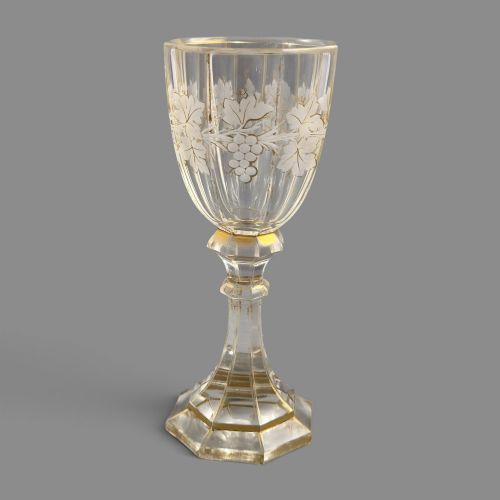
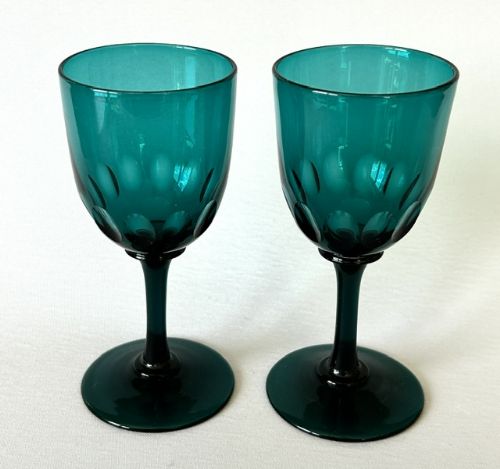
Surface embellishment involved wheel engraving, as seen on Bohemian crystal, alongside applied gold leaf and gilding. Coloured material, such as cobalt glass, required precise chemical additions during the melting process to achieve deep blue hues.
Retail Price Guide 2026
Typical UK retail prices for nineteenth century glassware, calculated from the Sellingantiques database of over a million retail prices indexed since 2003. This retail price guide relies exclusively on Sellingantiques data; no external sources or auction records are used, so the figures do not describe the wider market.
Toastmaster glasses were designed with exceptionally thick bowls to ensure guests drank slowly while hosts kept the conversation flowing.
Depth of engraving and weight of metal
Superior items demonstrate crisp, deep wheel engraving and substantial weight in the lead crystal, whereas lesser examples show shallow surface marks and thinner walls. The precision of cut facets and the stability of applied gilding distinguish standard production from finer workshop output.
Colour consistency and clarity within the glass body separate basic utility items from elite decorative pieces. Articulation in form, particularly the balance of stems and the symmetry of hand-blown bodies, marks the upper tier of period manufacture.
Moser Bohemian
The Nineteenth Century Glassware Glossary
- Lead Crystal
- Heavy, high-refractive glass containing lead oxide. This material allows for deep, sharp cutting and a resonant ring when struck.
- Rummer
- A large, heavy drinking glass popular in the nineteenth century. These vessels typically feature short stems and capacious bowls used for ale or wine.
- Römer
- A traditional Germanic wine goblet style featuring a wide, decorated bowl on a patterned stem and conical foot. Moser produced notable examples of this form.
- Gilding
- The application of gold leaf or gold paint to glass surfaces. This decorative technique often appears around rims and engraved motifs.
Frequently Asked Questions
What is a rummer glass?
A rummer is a sturdy drinking vessel designed for casual dining or tavern use during the nineteenth century. These glasses usually feature thick bowls and low, stable feet.
Collectors appreciate them for their substantial weight and utilitarian charm, which differs from delicate contemporary stemware.
Are these items safe for daily use?
Most nineteenth century glassware can handle gentle everyday use, provided you wash them by hand. The lead content in crystal means acidic liquids should not sit in the vessels for extended periods.
Many buyers prefer to use them strictly for special occasions or display to preserve their condition.
How do I distinguish Georgian from Victorian glass?
Georgian glass often displays simpler, heavier proportions with pontil marks on the base from hand-blown production. Victorian pieces frequently incorporate more varied colours, intricate cutting styles, and heavier machine-influenced moulding.
Examining the pontil mark and the weight of the metal helps determine the manufacturing period.