
Antique English Cream Pitcher
An antique english cream pitcher is a small pouring vessel for milk or cream, prized by collectors for its fine ceramic forms and decorative detail.
Antique English Cream Pitcher
An antique english cream pitcher is a domestic pouring vessel designed to serve milk or cream at the table. These pieces span centuries of ceramic and metal production, reflecting changing domestic habits and dining customs.
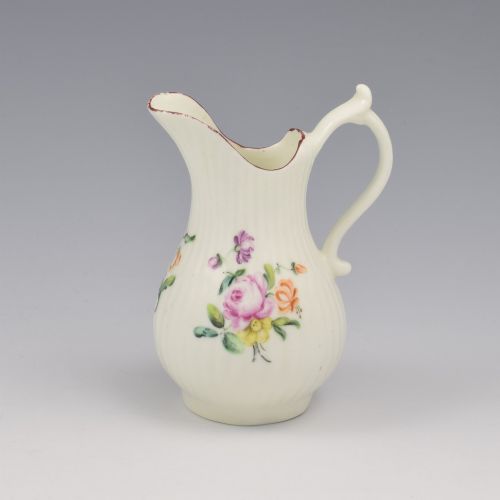
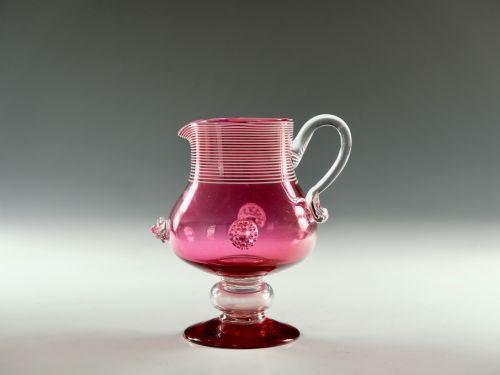
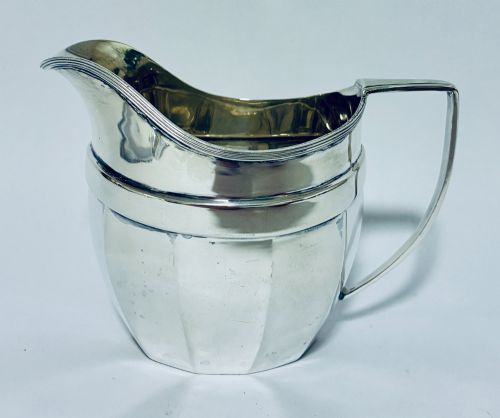
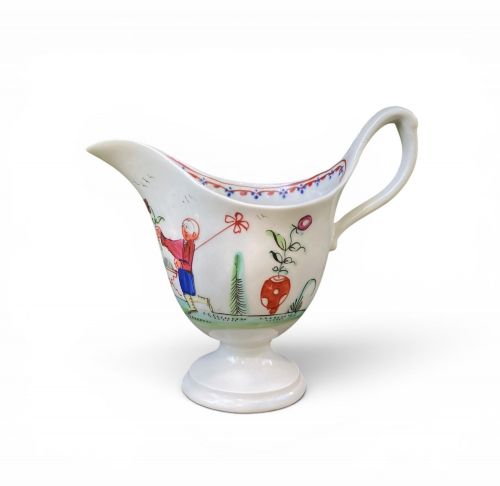
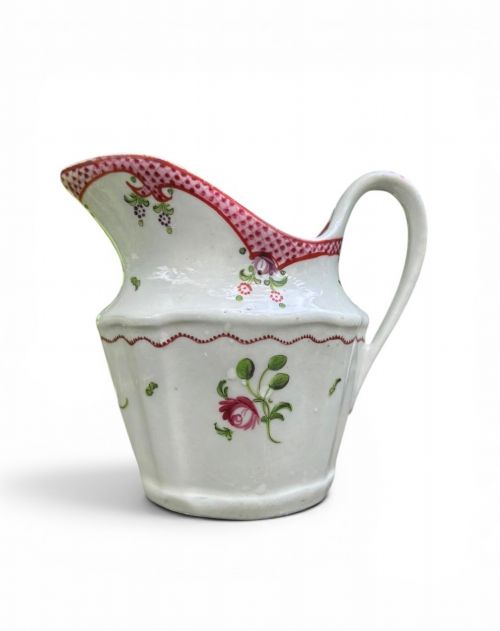
The selections on this page are dominated by Georgian and Victorian examples, alongside 18th-century porcelain and earthenware. Forms range from sparrowbeak creamers to helmet jugs and figural cow creamers.
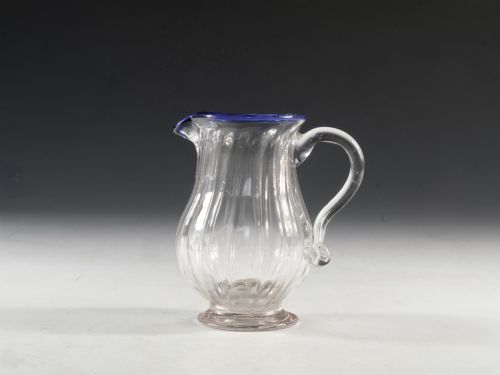
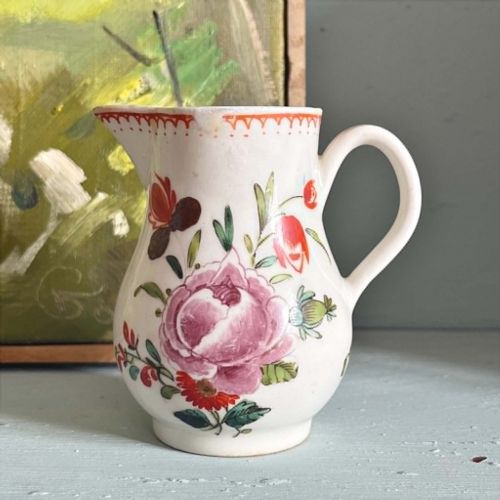
Originating from major pottery centres and silversmiths across England, these vessels offer a tangible link to historical tableware design. Buyers encounter everything from delicate porcelain painted with polychrome flowers to robust stoneware and gleaming sterling silver.
How they were made
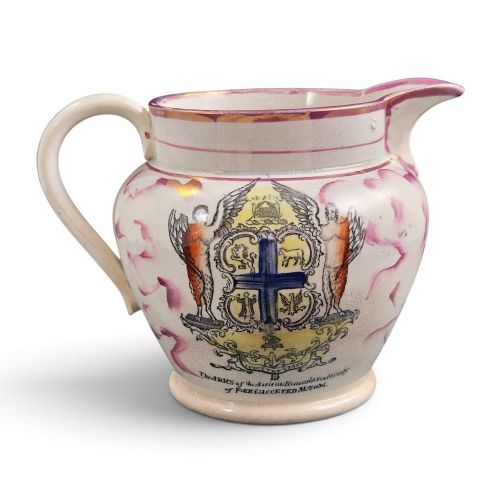
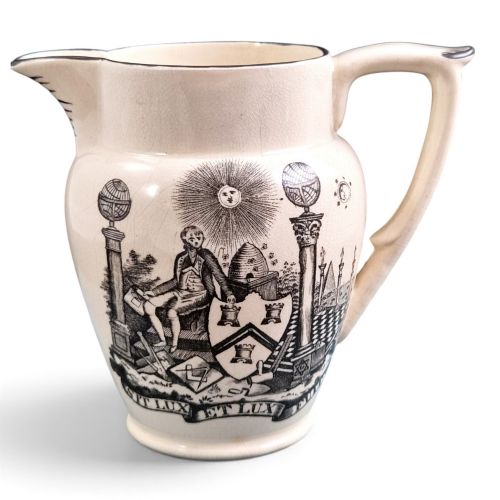
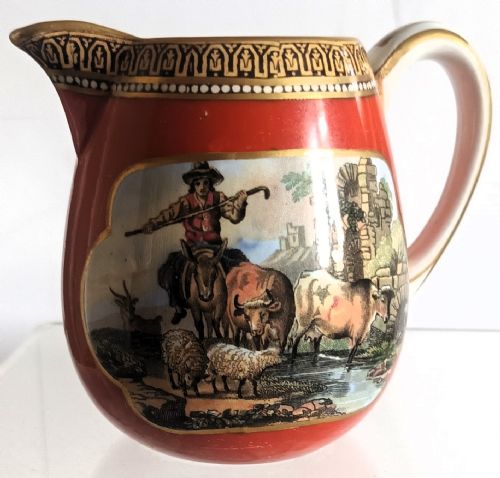
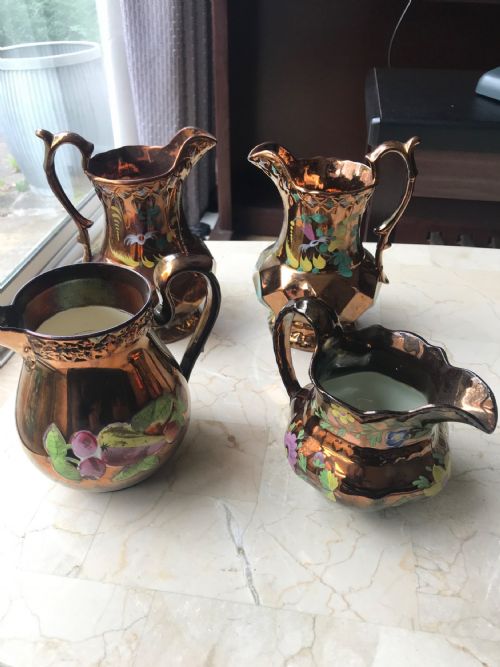
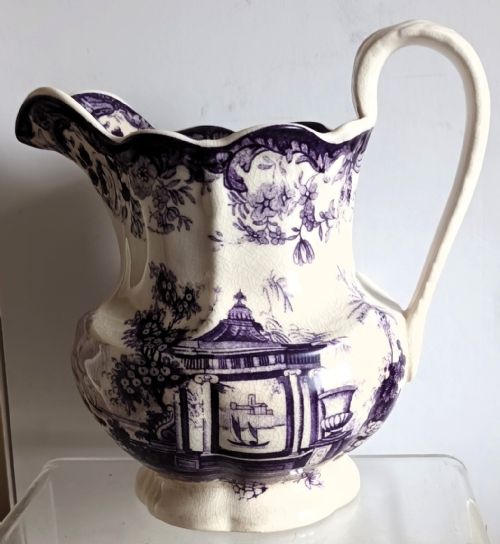
Potters shaped these vessels using earthenware, porcelain, and stoneware, often employing moulds such as cabbage leaf patterns or casting them as figural animals like cows. Surface decoration involved hand-painting, transfer printing in black, magenta, or purple, and the application of copper lustre or gold leaf.
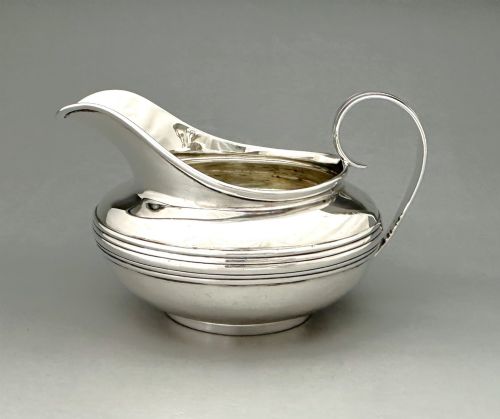
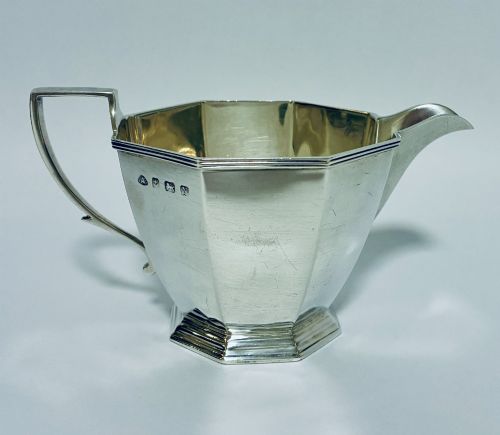
Silversmiths constructed metal cream jugs from sterling silver, shaping them into classic forms like the helmet jug. Stoneware examples frequently utilised salt glazing and cream sprigged ornamentation to create tactile, textured surfaces.
Kiln firing techniques determined the durability and finish of the ceramic pieces, with soft-paste porcelain and bone china requiring precise temperature control. Enamel and glaze applications sealed the bodies and added vibrant colour beneath or over the fired surface.
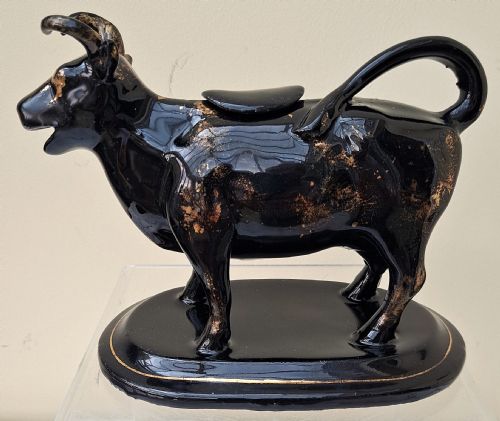
Fill your morning tea with dignity by tipping the metal head of a sculptural cow creamer.
What varies in quality
The standard of a cream pitcher depends on the crispness of its moulded details and the precision of its hand-painted or transfer-printed decoration. Finer examples display clean, well-defined handles, such as the distinctive hound or clip handles, and carefully applied enamel colours that remain sharp and clear.
Maker attribution and porcelain body composition significantly influence desirability. Early porcelain bodies from factories like Worcester, Bow, or Derby exhibit translucency and refined throwing or moulding standards that distinguish them from utilitarian wares.
Preservation of the original surface finish, whether a glossy glaze, metallic lustre, or polished silver, affects the integrity of the piece. Subtle details like hand-painted views or delicate sparrowbeak spouts demonstrate the artisan's skill and care during production.
New Hall·Royal Worcester·Doulton Lambeth·John Rose Coalport·Phillips and Bagster
The Antique English Cream Pitcher Glossary
- Sparrowbeak
- A small ceramic cream jug with a distinctively pointed, beak-like spout. This form is particularly common in 18th-century porcelain vessels.
- Pearlware
- An earthenware body introduced in the late 18th century containing a small amount of cobalt in the glaze to give the surface a bluish-white tint. It often served as a canvas for transfer printing.
- Cow creamer
- A figural vessel shaped like a cow, designed to hold cream dispensed through the animal's mouth. These amusing pieces were popular in Staffordshire pottery during the Georgian and Victorian periods.
- Transfer print
- A decoration applied to ceramics by transferring an engraved design from a copper plate via tissue paper onto the glazed or biscuit surface. This technique allowed for intricate patterns in colours like black, magenta, and purple.
- Lustreware
- Pottery decorated with a metallic film that produces an iridescent shine, often resembling copper or purple metal. It was widely used on Staffordshire jugs during the 19th century.
Antique English Cream Pitcher: Frequently Asked Questions
What is a sparrowbeak cream jug?
A sparrowbeak cream jug is a small pouring vessel featuring a sharp, protruding spout reminiscent of a bird's beak. These typically date from the 18th century and were made by early porcelain manufacturers.
Collectors prize them for their delicate proportions and early porcelain bodies. They were designed to hold small quantities of cream for tea service.
How do I identify a cow creamer?
A cow creamer is modelled in the complete shape of a cow, often standing on a grassy base with a removable lid on its back for filling. The cream is poured out through the animal's mouth.
These figural jugs were especially popular in Staffordshire potteries during the Georgian and Victorian eras. They combine domestic utility with whimsical folk art appeal.
What distinguishes creamware from pearlware?
Creamware has a warm, ivory-toned earthenware body under a yellowish lead glaze. It represents the height of 18th-century utilitarian ceramic innovation.
Pearlware was developed slightly later to mimic Chinese porcelain by adding cobalt to the glaze, resulting in a cooler, bluish-white surface appearance.
How were transfer printed jugs decorated?
Transfer printing involved engraving a design onto a copper plate, inking it, and pressing it onto special paper. This printed paper was then applied to the ceramic surface to transfer the motif before firing.
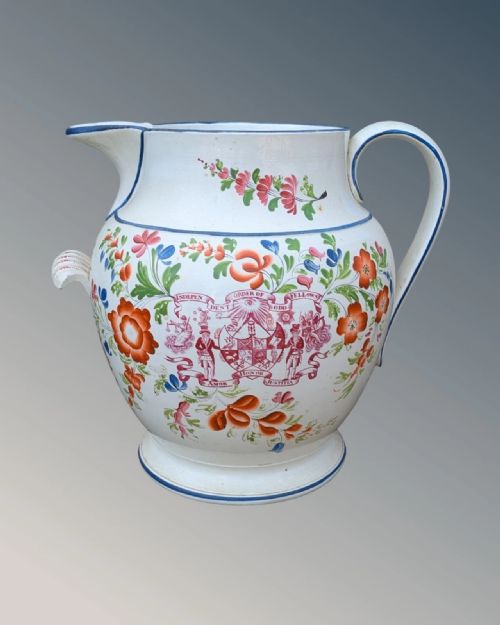
This method allowed potteries to produce consistent, detailed scenes such as masonic symbols, clipper ships, or floral patterns on domestic jugs.
What periods do these cream pitchers cover?
The pieces span from the early Georgian era through the Regency and Victorian periods into the early 20th century. This timeline captures major shifts in British ceramic and metalwork design.
Styles evolve from hand-painted 18th-century porcelain through colourful Pratt-ware and copper lustre to late Victorian stoneware and Art Nouveau forms.