

Antique English Ceramics
Antique english ceramics bring centuries of domestic artistry into modern rooms, offering remarkable variety from utilitarian ironstone to delicate porcelain.

Antique English Ceramics
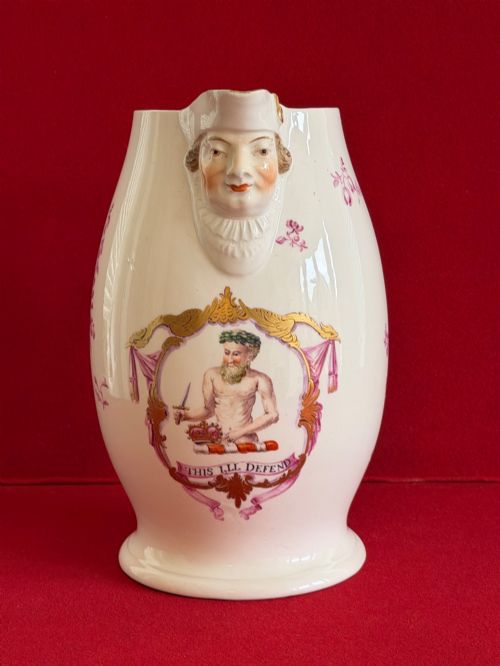
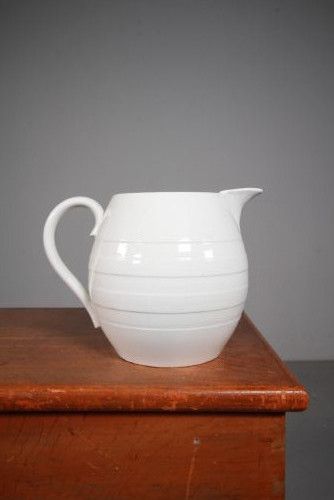
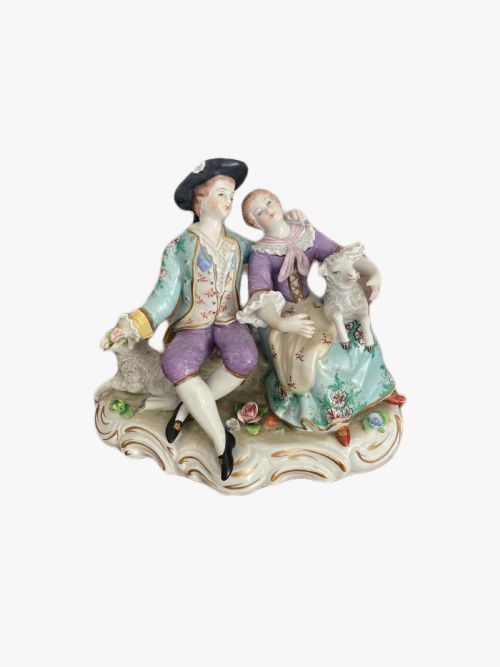
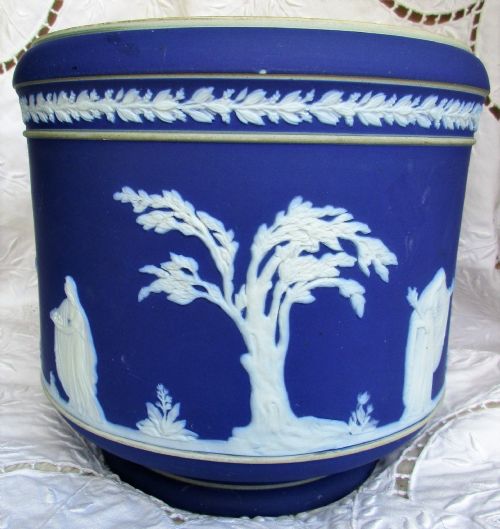
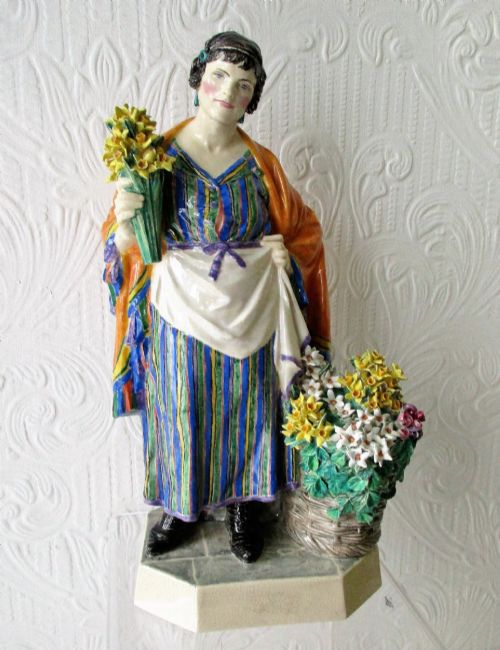
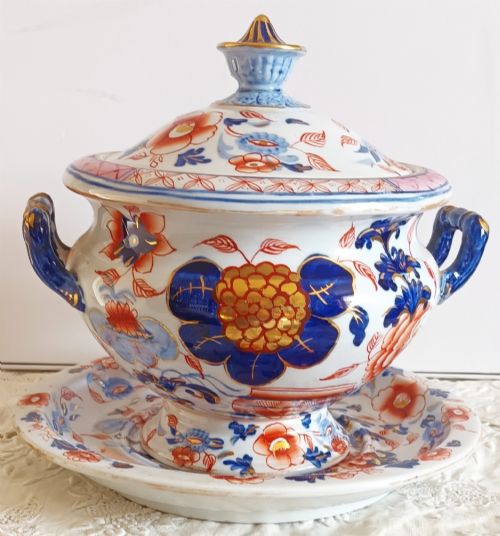
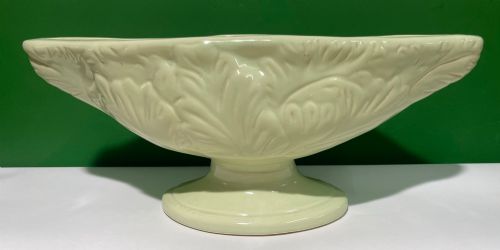
When you search for antique english ceramics, you encounter a vast array of functional and decorative wares spanning multiple centuries. The selection encompasses everything from humble creamware jugs to ornate porcelain dessert services made by celebrated factories.
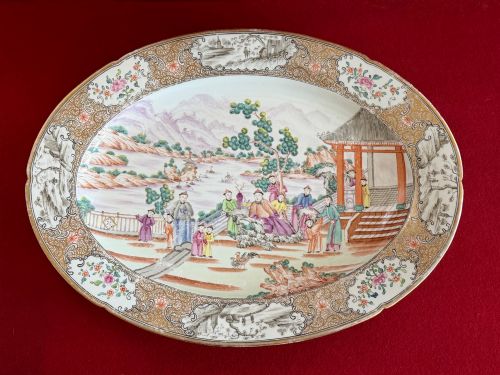
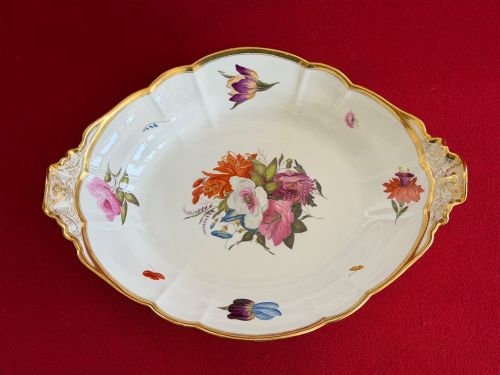
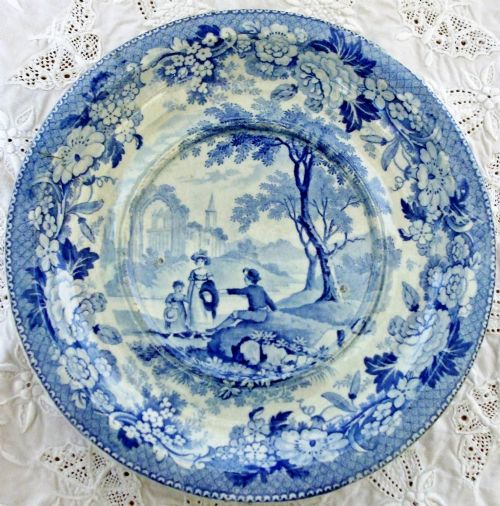
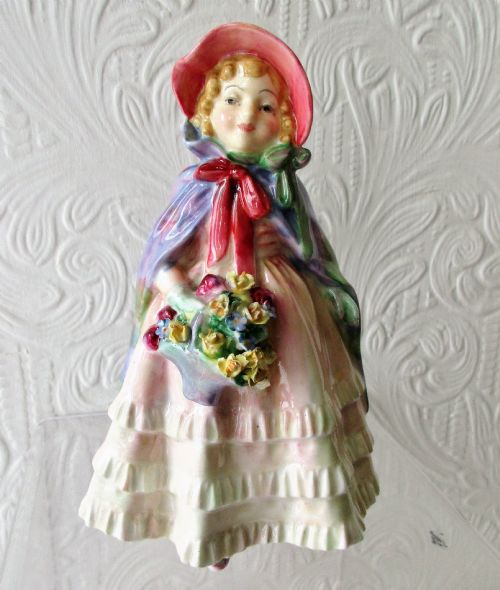
The pieces most frequently met on this page date from the eighteenth and nineteenth centuries, reflecting the height of British pottery production. Collectors regularly encounter Staffordshire earthenware figures, transfer-printed tableware, and hand-painted Worcester porcelain.
Forms range from tea wares and dinner plates to large commemorative lustre jugs and delicate baskets. Each item bears the distinct material characteristics and stylistic preferences of its period of manufacture, from Georgian neoclassicism to Victorian exuberance.
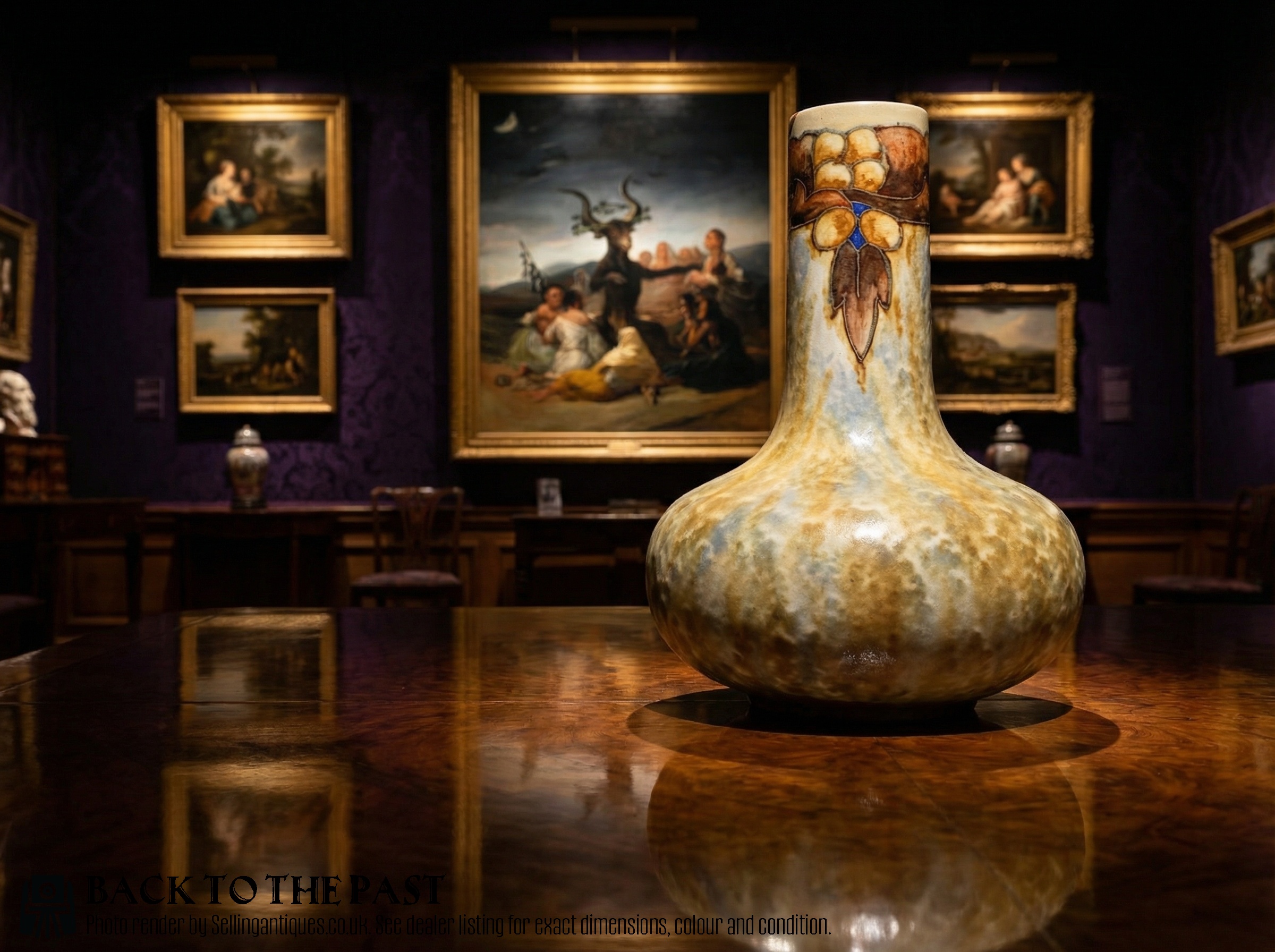
How they were made
Potters utilised natural clays, stone pastes, and soft-paste or bone china body compositions to form each vessel. Artisans shaped these materials using throwing wheels, press moulds, or slip casting before initial firing in kilns.
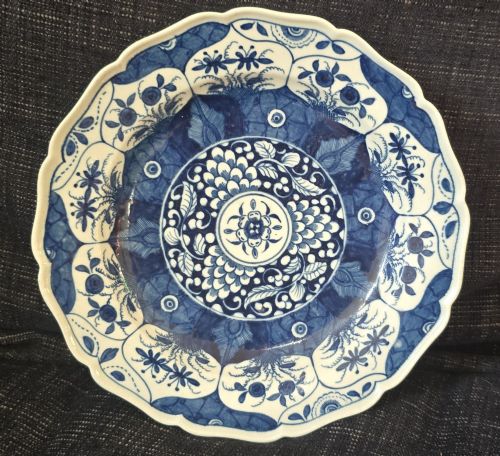
Decoration relied heavily on hand-painting with enamel colours, transfer printing in blue or black, and the application of metallic lustres. Glazes provided a protective glassy coating, sometimes enhanced with gold leaf gilding during secondary kiln firings.
Antique English Ceramics Retail Price Guide 2026
Typical asking prices for english ceramics among the pieces listed under this phrase on Sellingantiques today, from the lower quarter to the upper quarter. They describe what is for sale here now, not the wider market.
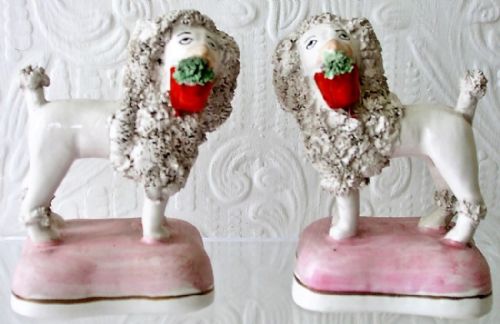
Several nineteenth-century Staffordshire dogs watch silently over the collection, guarding imaginary hearths across the centuries.
What varies in quality
The division between ordinary production and superior work rests on the fineness of the ceramic body and the precision of the potter's craft. High-grade porcelain exhibits superior translucency and thinness, whilst better earthenware shows careful throwing and uniform wall thickness.
Decoration level dictates upper tiers of desirability, separating simple utilitarian transfers from intricate, hand-painted botanical or topographical scenes. Master painters employed by leading manufactories achieved a depth of colour and brushwork mastery that defines premier examples.
Royal Crown Derby·Grainger Lee And Co·Flight Barr And Barr·Sunderland Garrison Pottery·Moorcroft·Minton·H And R Daniel·Davenport·Royal Doulton
The Antique English Ceramics Glossary
- Creamware
- A fine earthenware developed in Yorkshire and Staffordshire featuring a pale yellowish cream glaze. Josiah Wedgwood refined this body into Queen's Ware, which dominated dining tables during the Georgian era.
- Soft-paste porcelain
- An artificial porcelain mixture composed of white clay and powdered glass fired at lower temperatures than hard paste. Eighteenth-century factories like Bow and Chelsea utilised this body before bone china gained prominence.
- Transfer printing
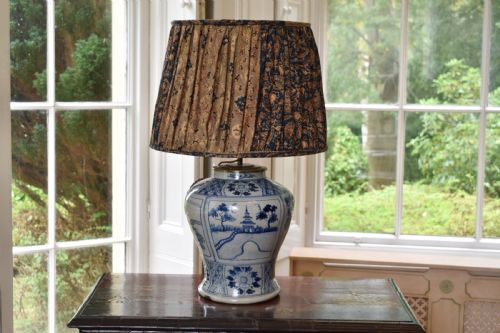
- A method of applying detailed decorative patterns to ceramic surfaces using engraved copper plates and tissue paper. This technique allowed factories to produce intricate blue and white domestic wares efficiently.
- Lustreware
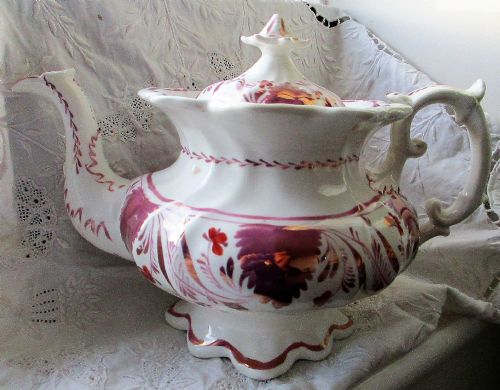
- Earthenware decorated with a metallic film that reflects iridescent copper, silver, or pink hues. Potters in Sunderland and other regions applied metallic salts to achieve these distinctive reflective surfaces.
- Ironstone
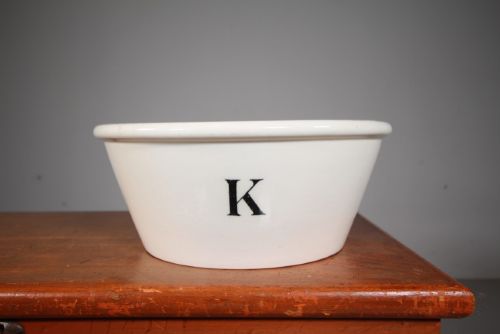
- A durable, dense type of vitrified earthenware patented in the early nineteenth century. It offered a robust alternative to porcelain for heavy-duty household tableware.
Antique English Ceramics: Frequently Asked Questions
How do I date antique ceramics?
Dating relies on stylistic markers, body composition, and factory marks stamped or painted on the base. Comparing potting techniques and glaze colours against known historical examples helps narrow the decade of manufacture.
Written inscriptions, pattern numbers, and family provenances also provide reliable chronological anchors for specific decorative domestic objects.
Can I use antique tea sets daily?
Using fragile porcelain or earthenware from past centuries requires caution due to age-related stresses and potential glaze wear. Thermal shock from boiling water can crack eighteenth-century soft-paste bodies.
Gentle hand washing without harsh detergents preserves fragile enamel painting and metallic gilding for future generations.
What is lustreware?
Lustreware is pottery finished with a metallic glaze that creates a shiny, reflective surface. Artisans used gold, copper, and platinum solutions to achieve pink, bronze, and silver sheens.
These pieces were particularly popular in nineteenth-century northern England, often featuring commemorative ships or moral verses.
How do porcelain and ironstone differ?
Porcelain is a vitrified, translucent ceramic fired at high temperatures, often prized for delicate cabinet pieces and fine tea wares. Ironstone is a heavy, opaque earthenware engineered for durability and daily dining use.
While porcelain yields a ringing tone when struck, ironstone produces a duller thud due to its denser, sturdier composition.