
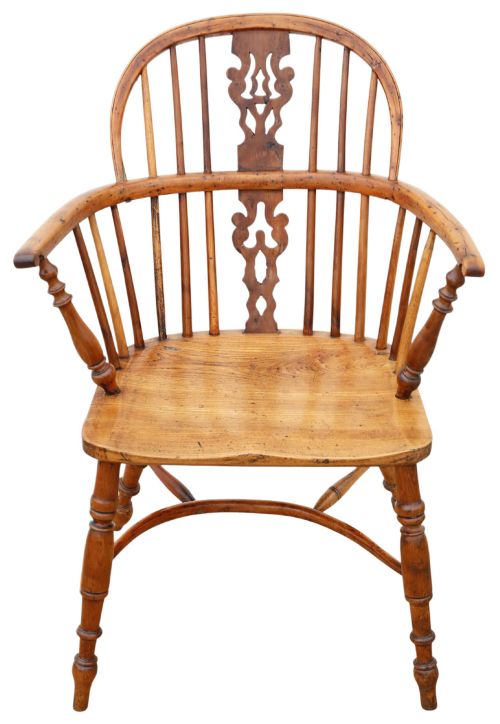
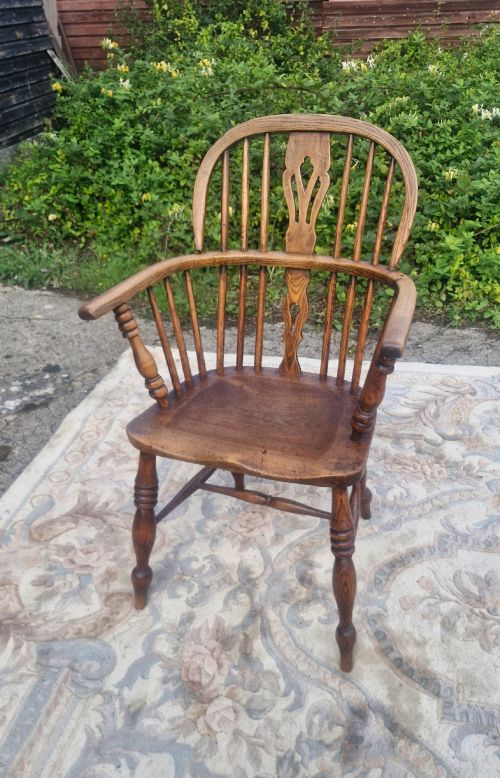
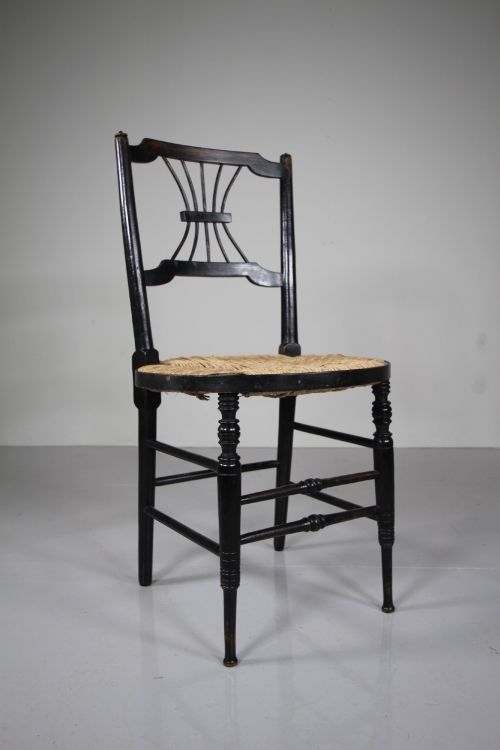
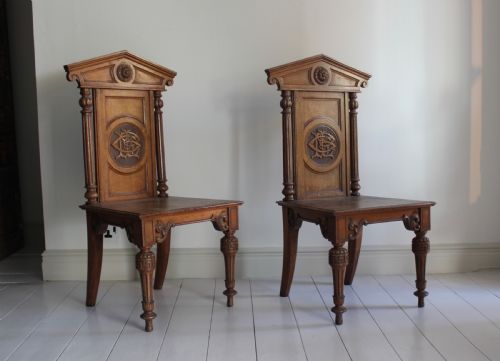

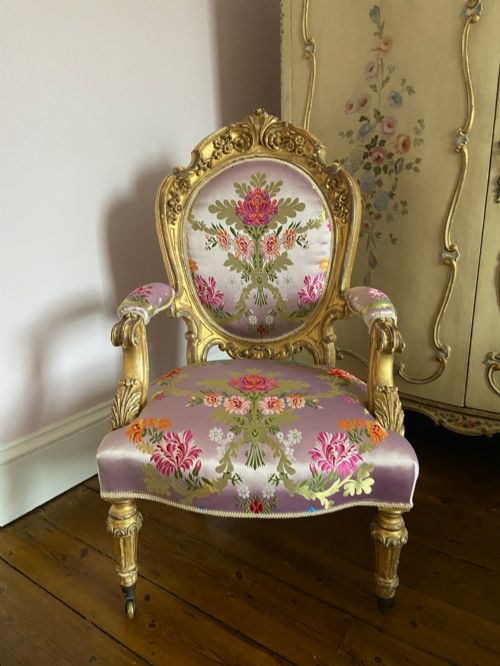
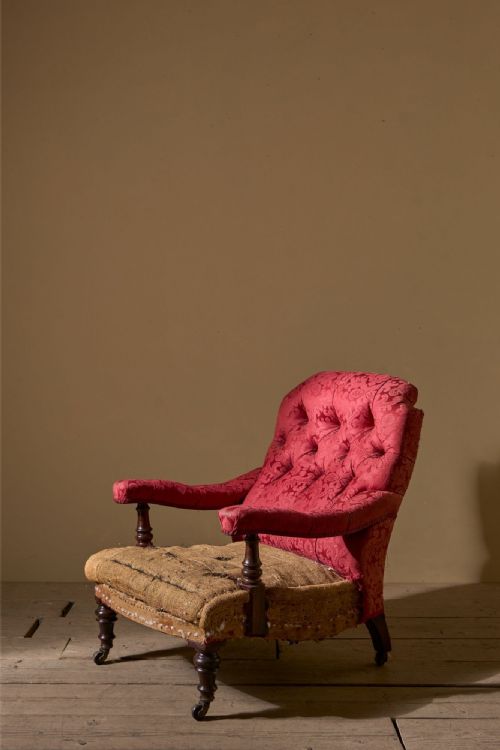
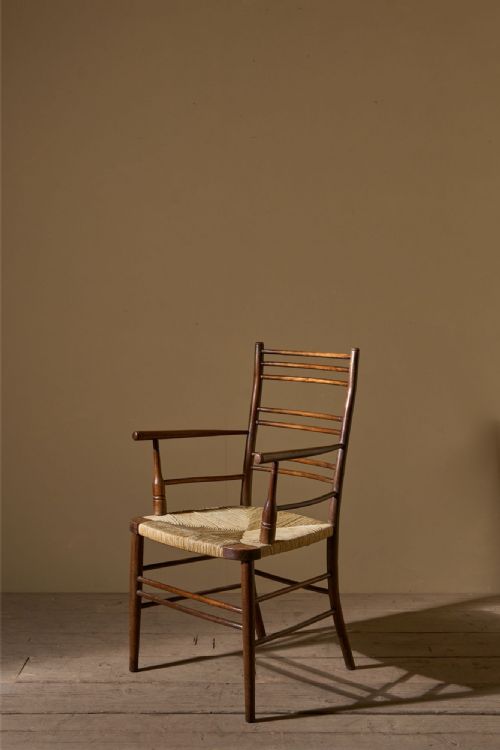
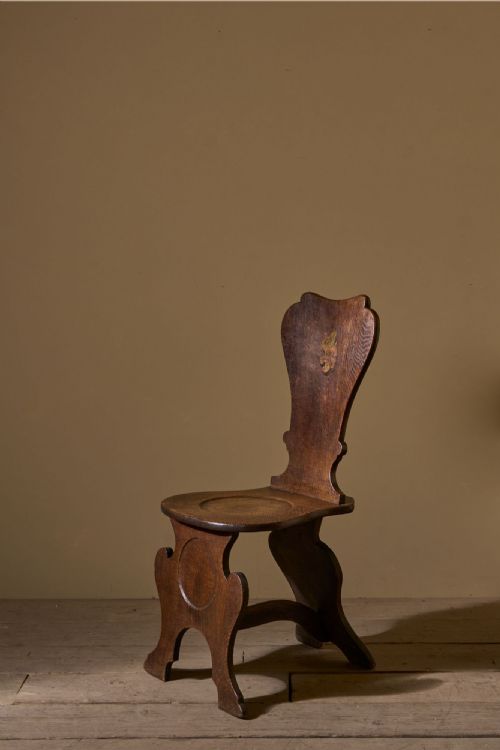
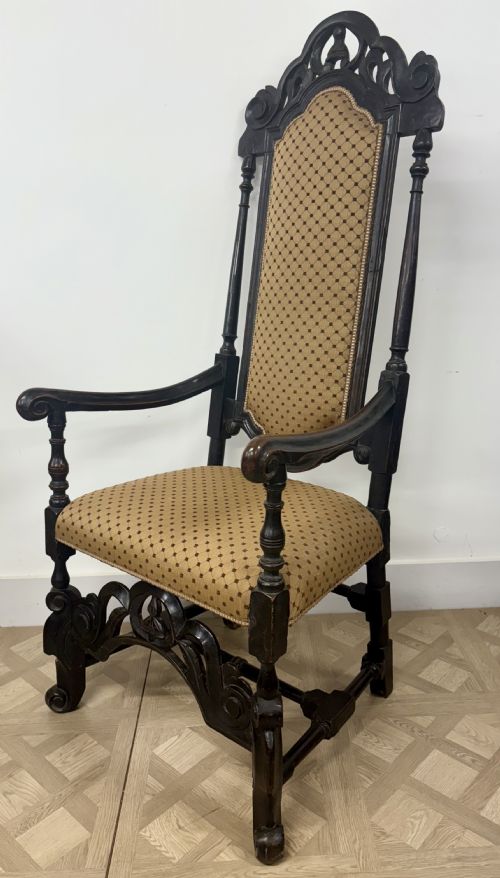
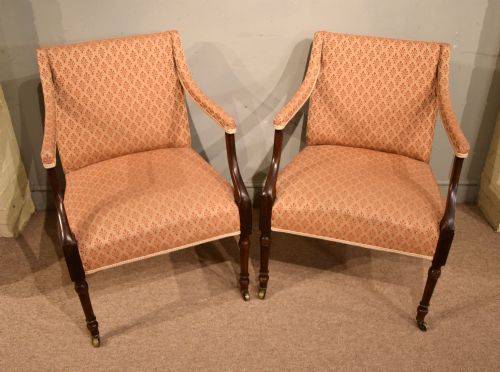
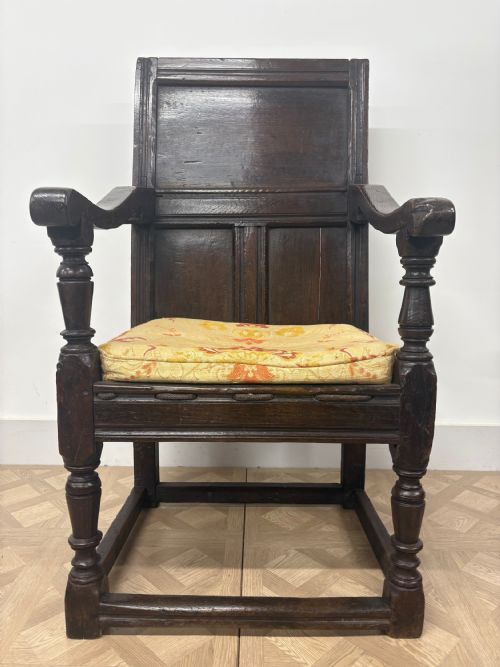
Antique English Accent Chair
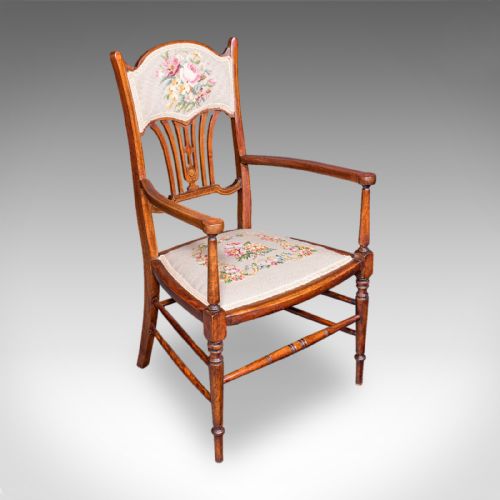
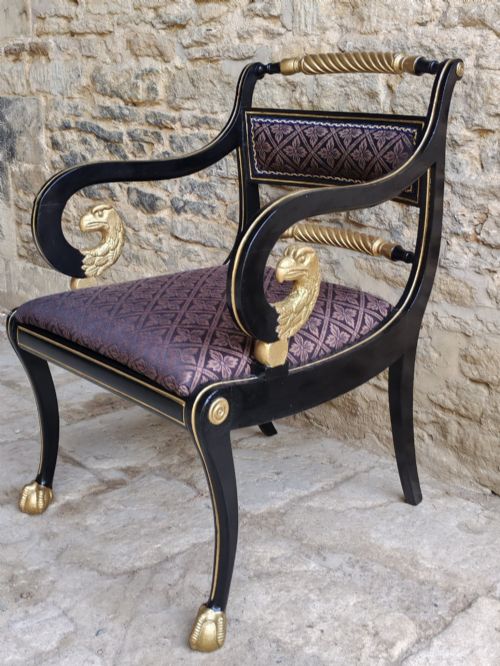
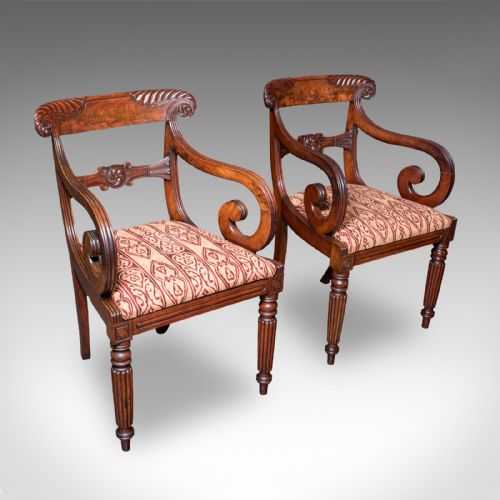
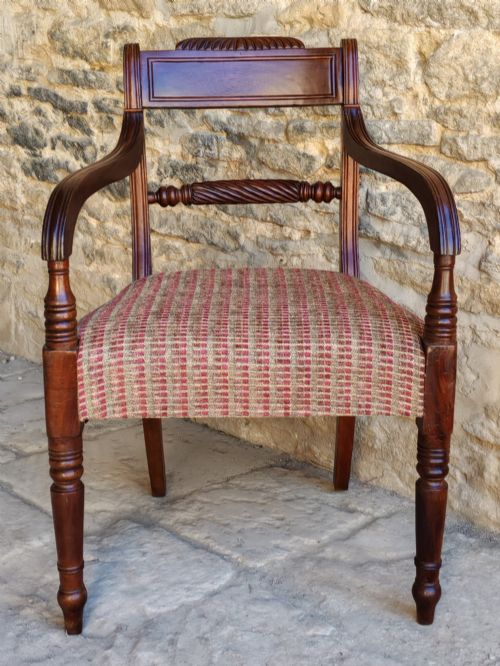
An antique English accent chair brings character to a room through centuries of timber craftsmanship, from robust country windsor seats to refined mahogany library chairs.
Antique English Accent Chair
Buyers seeking an antique English accent chair encounter a diverse selection of seating forms spanning the seventeenth through the nineteenth centuries. These include regional windsor armchairs, formal library seats, occasional side chairs, and low lounge chairs originating from various English counties.
The assortment relies heavily on domestic timbers and vernacular designs rather than uniform factory production. Pieces range from sturdy ash and elm country seating to polished walnut and mahogany Georgian salon chairs.
Armchairs and side chairs dominate the selection, offering distinct silhouettes shaped by evolving domestic habits across the Victorian, Regency, and earlier periods. Buyers often choose between high-backed kitchen seating, carved hall chairs, and upholstered morning room elbow chairs.
Assessing quality in construction and finish
Quality rests in the integrity of the timber selection and the precision of the joinery. Superior examples retain their original structural members without extensive replacement timbers or compromised joints.
Refined carving, well-proportioned splats, and patination developed through decades of use separate standard utility seating from masterwork pieces. The harmony of design proportions across arms, legs, and backrests determines the distinction of each chair.
Listings feature eighteenth-century walnut and mahogany chairs alongside nineteenth-century vernacular windsor seating in elm, ash, and yew.
William Morris·Howard and Sons·Mellier and Co
The Antique English Accent Chair Glossary
- Windsor chair
- A wooden chair constructed with a solid sculpted seat into which the legs and back spindles are joined directly. This vernacular form often combines yew, elm, and ash.
- Carver
- A traditional term for an armchair, frequently used alongside a matching set of smaller side chairs for dining tables. These pieces usually feature open elbow supports.
- Splats
- The vertical wooden strip down the centre of a chair back. Elaborate piercing and shaping of this element often denote eighteenth-century Georgian and Regency craftsmanship.
- Bobbin turning
- A method of lathe-turning wood to create a sequence of rounded spheres resembling bobbins or spools. This decorative joinery appears frequently on seventeenth-century oak chairs.
- Wainscot chair
- An early heavy wooden armchair constructed primarily from oak panel framing. These sturdy seats date to the seventeenth century and reflect high social standing.
Antique English Accent Chair: Frequently Asked Questions
How do I date an antique wooden chair?
Dating relies on identifying timber species, joinery techniques, and stylistic traits associated with specific periods. Tool marks and construction wear offer further clues to the age of the piece.
Early seventeenth-century pieces use pegged oak frames, while eighteenth-century chairs often employ mahogany with sophisticated carved splats. Comparing the proportions and secondary woods helps confirm the era of manufacture.
Were accent chairs used in bedrooms?
Smaller seating forms historically served various domestic spaces including bedrooms, dressing rooms, and morning rooms. These lighter chairs provided convenient seating away from formal dining areas.
Victorian and Georgian households frequently positioned occasional chairs in private chambers for reading or dressing. Their compact dimensions made them easily movable throughout the home.
What is a Windsor armchair?
A Windsor armchair is a distinctive seating form featuring a thick wooden saddle seat into which turned legs and back spindles are wedged. These chairs originated in rural workshops using native timbers.
Common regional variations include hoop-back, low-back, and high-back designs utilising elm seats combined with ash or yew spindles. Their robust construction ensured durability in farmhouses and cottages.
How should I care for antique wood?
Maintaining antique timber requires stable indoor humidity away from direct heat sources and sunlight. Regular dusting with a soft, dry cloth preserves the aged surface finish.
Avoid modern silicone polishes that can penetrate and degrade historic wax finishes. Occasional application of quality beeswax helps nourish dry wood and maintain natural patination.