


Antique Enamel Painting
Antique enamel painting comprises hand-decorated pieces in porcelain, glass, and metal spanning the eighteenth to twentieth centuries.
Antique Enamel Painting
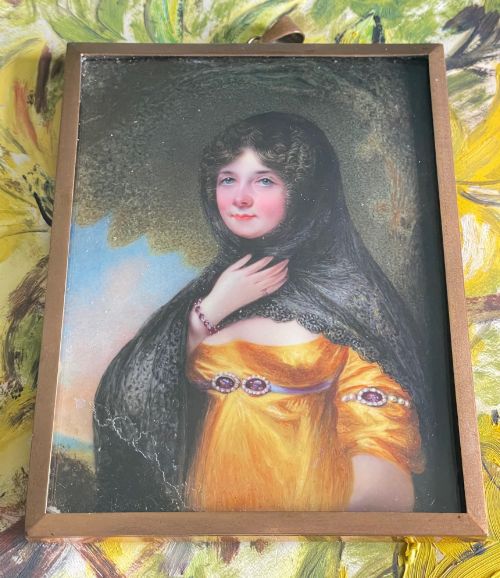
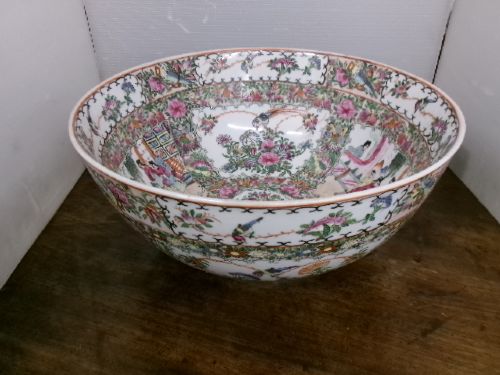
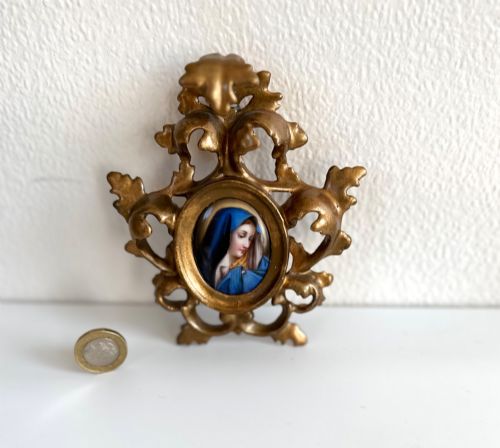
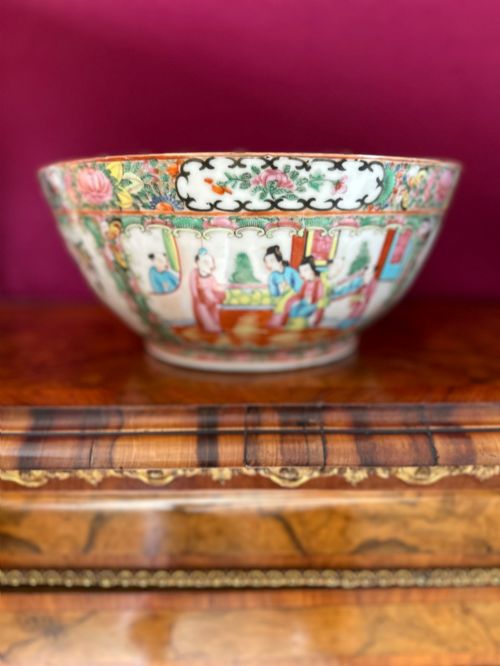
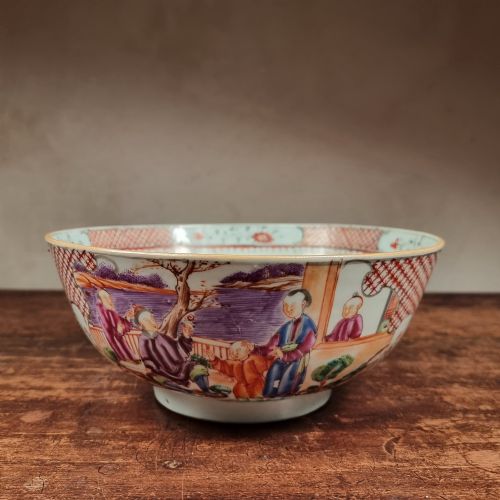
When you search for antique enamel painting, you encounter a diverse array of small decorative items and vessels designed for display or personal use. The selection spans the eighteenth, nineteenth, and early twentieth centuries, bringing together European works and Asian export wares. You are most likely to meet small containers, tableware, and portrait miniatures originating from British, continental European, and Chinese workshops.
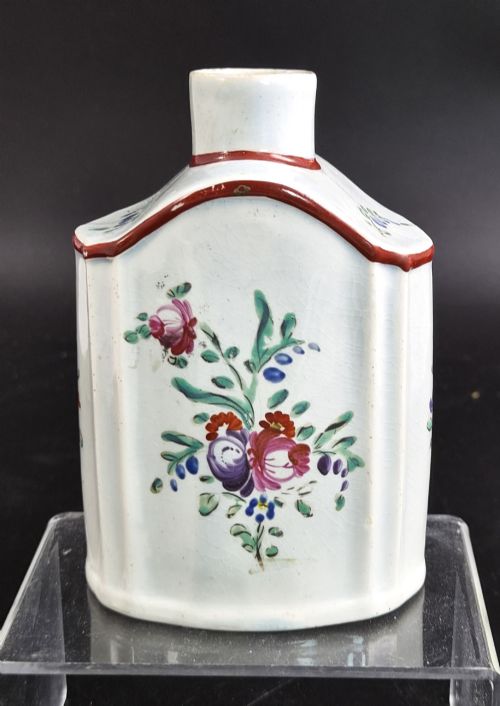
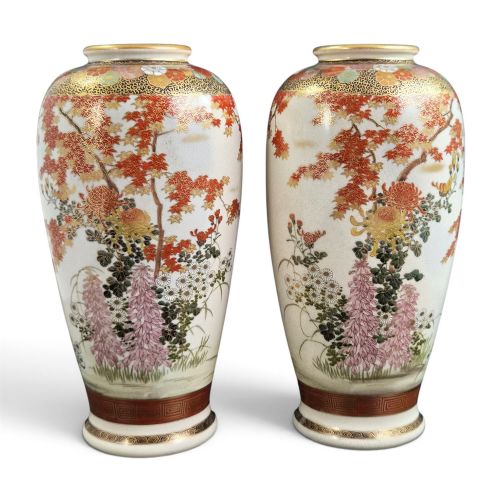
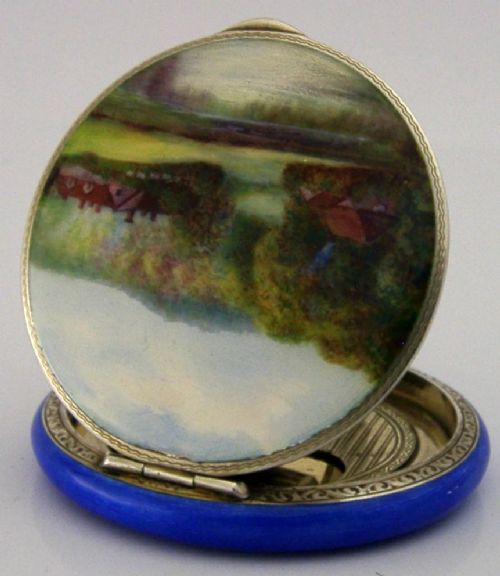
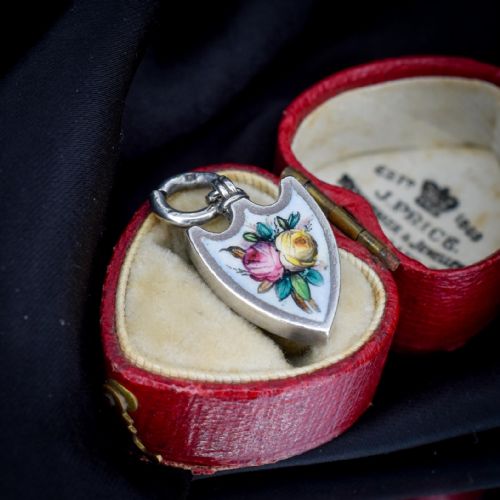
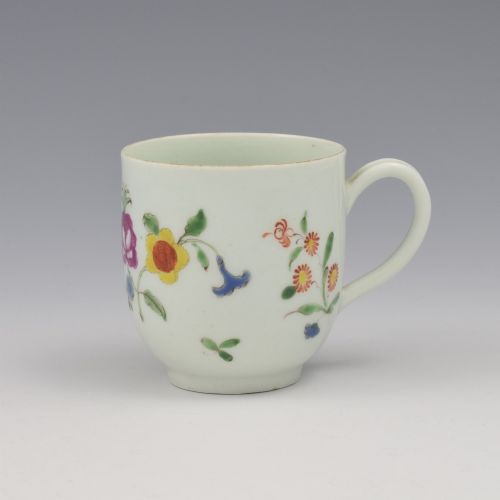
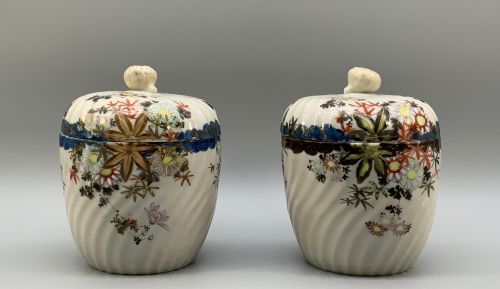
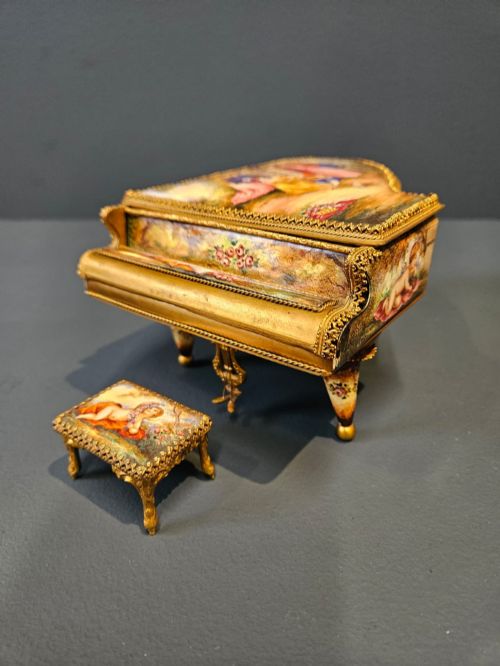
The objects take many forms, including porcelain plaques, sterling silver compacts, glass vases, and copper snuff boxes. English enamel boxes from Staffordshire sit alongside Chinese Canton painted enamel bowls and Japanese Satsuma vases. Each piece relies on applied pigment and vitreous fusion to fix colourful decoration onto a rigid substrate.
How they were made
Maker's methods involve fusing powdered glass to metal or porcelain bases through high-temperature firing. Artisans apply mineral pigments by hand before fixing the colours permanently in a kiln. Copper, sterling silver, and porcelain provide the primary foundations for these detailed painted surfaces.
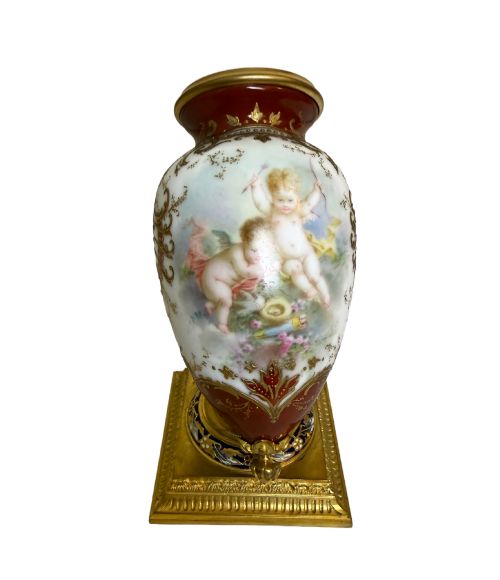
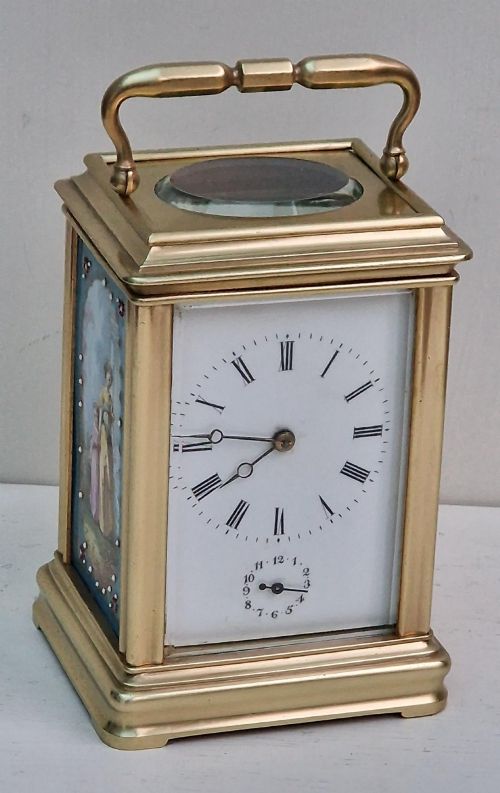
Gilding and ormolu mounts frequently accompany the painted panels to add structural framing and decorative contrast. Glass pieces incorporate surface enamelling through careful heat application to bind the opaque and translucent colours. The resulting objects combine metallic or ceramic durability with delicate pictorial illustration.
Listings feature items from the eighteenth, nineteenth, and twentieth centuries, including Victorian, Edwardian, and Art Deco pieces.
What varies in quality
Finishing touches and the precision of the brushwork determine the distinction between standard items and superior examples. Master portraitists and skilled enamellers achieve remarkable detail and facial expression within miniature formats, whereas mass-produced wares display simpler, repetitive motifs. The clarity of the glaze and the crispness of the metallic mounts further distinguish the finer pieces.
The choice of base material also influences the character of the object, with heavy-gauge sterling silver and fine-paste porcelain carrying greater refinement than base metals or coarser earthenware. Preservation of the original painted surface without excessive wear or later restoration remains central to the integrity of any piece.
Henry Bone ARA·Horace Hone·Richard Chaffers·John Bevington·David Andersen·Maruni Kobe
The Antique Enamel Painting Glossary
- Vitreous enamel
- A material made by fusing powdered glass to a substrate by firing, usually between seven hundred and nine hundred degrees Celsius. This process creates a smooth, durable, and glossy coloured surface on metal or ceramic.
- Ormolu
- Gilded bronze used for decorative mounts and furnishings during the eighteenth and nineteenth centuries. The technique involves applying a mercury and gold amalgam to shaped bronze before heating.
- Famille Rose
- A prominent palette of Chinese porcelain decoration introduced in the eighteenth century, characterised by pink enamel colours. The style allows for subtle shading and naturalistic rendering of floral and figural scenes.
- Lustre
- A type of glass or porcelain vessel featuring hanging crystal prisms and surface enamelling. These decorative objects gained popularity in Victorian drawing rooms for holding candles or flowers.
- Gaiwan
- A traditional Chinese tea set consisting of a saucer, bowl, and lid utilised for brewing and drinking tea. Enamelled examples feature hand-painted floral or landscape motifs across the porcelain surface.
Antique Enamel Painting: Frequently Asked Questions
What is an antique enamel painting?
Antique enamel paintings are decorative works created by applying vitrified glass paste or mineral pigments to metal, porcelain, or glass bases. These pieces include portrait miniatures, snuff boxes, compacts, and painted porcelain panels from European and Asian traditions.
Craftsmen fired these objects in kilns to achieve durable, glossy surfaces that preserve intricate brushwork over centuries. The category bridges fine art portraiture and decorative craftsmanship.
How do I care for enamel items?
Preserving these pieces requires gentle handling and protection from sudden temperature changes or harsh chemical cleaners. Dust them softly with a dry cloth and keep them out of direct, prolonged sunlight to prevent pigment fading.
Metal mounts benefit from occasional light dusting without abrasive polishes that might damage adjacent enamel surfaces. Display cabinets protect delicate glass and ceramic bodies from accidental knocks.
How do I date an enamel box?
Dating relies on examining the metal alloy of the mount, the style of the hand-painted decoration, and any maker's marks or stamps. Eighteenth-century Bilston boxes often feature characteristic copper construction with simple hinges and pastoral scenes.
Later Victorian and Edwardian examples utilise sterling silver with more complex clasps and mechanical fittings. Comparing the painting style to known period pieces helps narrow down the decade of production.
Where were these pieces made?
Production centres for these objects span Staffordshire and London in England, Limoges in France, and various regions across continental Europe. Chinese export workshops in Canton and Japanese studios in Kobe also produced significant quantities for international trade.
Each region developed distinct stylistic traditions, such as the floral panels on English copper boxes or the intricate porcelain palettes of the Qing dynasty.