


Vintage Miniature Artwork
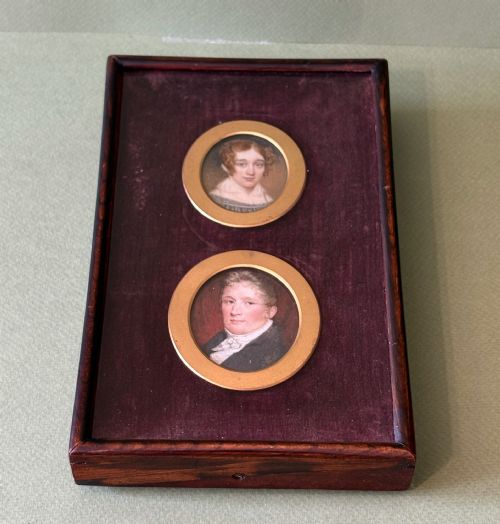
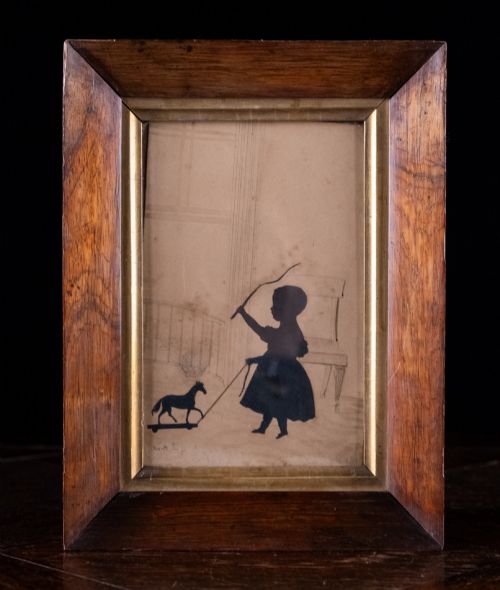
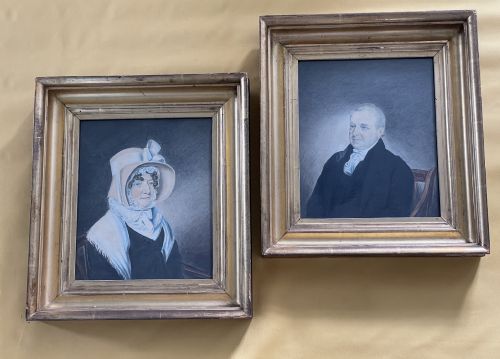
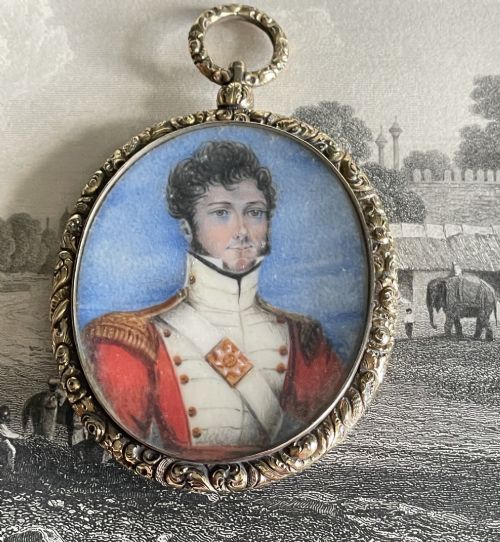
These vintage miniature artwork pieces offer intimate portraits and delicate scenes executed across centuries in paper, watercolour, and glass.
Vintage Miniature Artwork
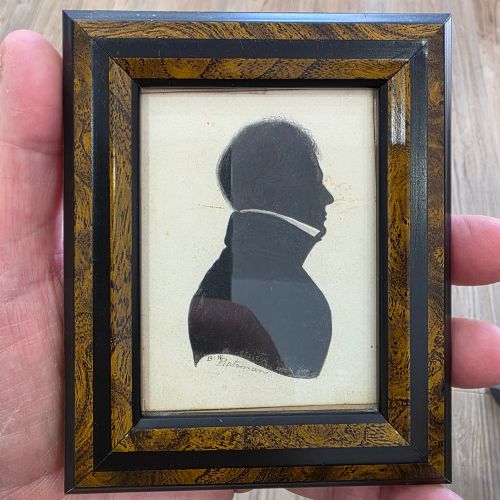
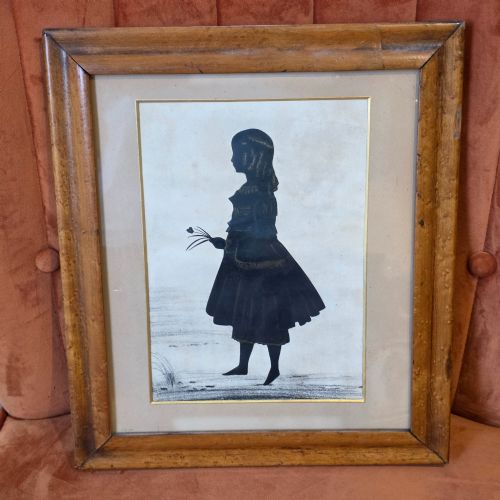
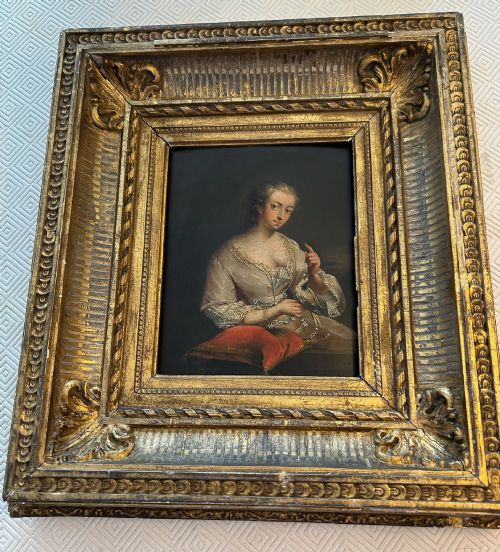
Vintage miniature artwork encompasses small-scale paintings, silhouette portraits, and detailed sketches produced primarily during the Georgian, Regency, and Victorian periods.
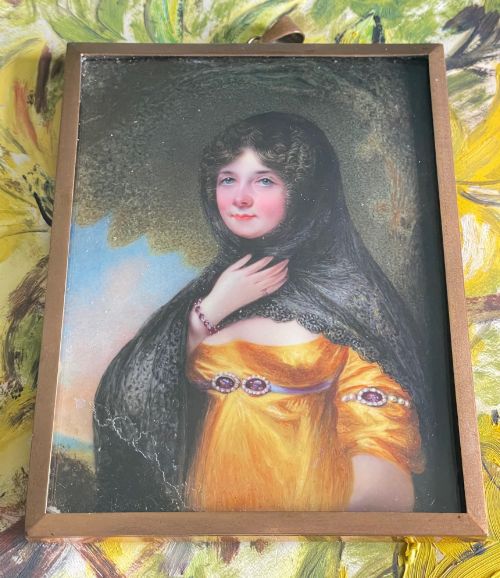
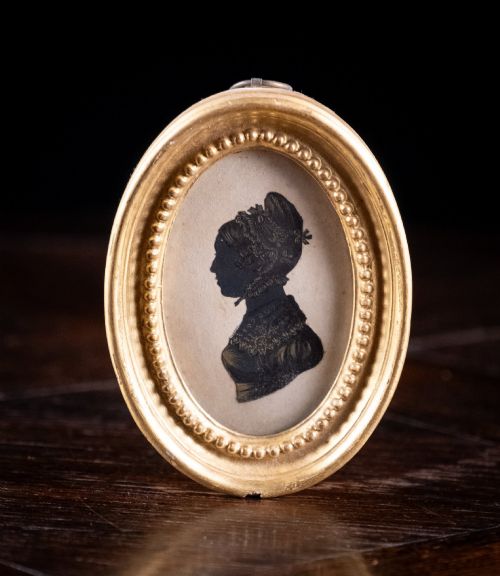
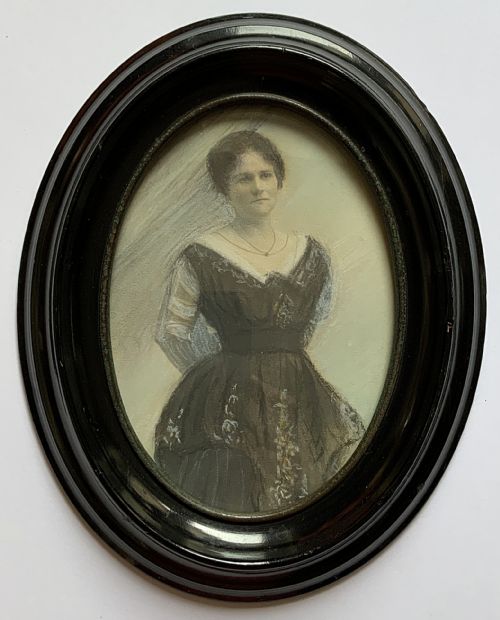
Buyers seeking this phrase most frequently encounter framed portrait miniatures rendered in watercolour on paper or ivory, alongside delicate cut-paper silhouettes.
The selection also spans early twentieth-century examples extending into the Art Deco era, covering subjects from nobility to quiet domestic scenes.
Materials and methods
Artists painted these small compositions using watercolour, gouache, and ink upon paper, card, or thin slices of ivory, often applying pastel highlights for texture.
Frames play a structural role, utilising brass, gilt metal, and wood to protect the delicate surfaces behind protective glass panels.
Listings span the eighteenth, nineteenth, and twentieth centuries, employing media from pencil sketches to oil on wood panels.
Assessing quality
Quality rests upon the precision of the brushwork and the psychological depth captured within the tight boundaries of the small format.
The integration of original framing, secure glazing, and well-preserved pigments distinguishes finer historical examples from simpler decorative items.
Horace Hone·Augustin Edouart·Franz Bergman·Susie Lassam·Herbert Dicksee
The Vintage Miniature Artwork Glossary
- Silhouette
- A portrait profile filled in with a solid dark colour, typically cut from paper or painted directly onto card or plaster.
- Enamel portrait
- A detailed painting fused onto a metal base through firing, creating a durable surface with a glossy finish.
- Gouache
- An opaque water-based paint that provides solid areas of colour and sharp detail in small compositions.
- Ivory panel
- A thin slice of organic material used as a painting support because its smooth surface imparts a luminous glow to watercolours.
Vintage Miniature Artwork: Frequently Asked Questions
How were portrait miniatures displayed?
These small works hung on walls in tight clusters or sat directly on desks and dressing tables. Owners also carried them as personal tokens.
Their compact scale allowed people to keep likenesses of family members close at hand during travel.
What subjects appear in these works?
Portraits of gentlemen, ladies, and children dominate the selection, ranging from commissioned likenesses to character studies. Still life flowers and coastal scenes also feature.
Historical copies and literary illustrations round out the variety found in smaller formats.
How do I date a piece?
Costume details, hairstyles, and framing materials provide the clearest clues to a piece's origin. Regency dress differs markedly from Victorian attire.
Signatures, inscriptions on the reverse, and the construction of the frame help narrow down the decade.
How should I care for miniatures?
Keep these fragile works away from direct sunlight to prevent watercolour pigments and paper from fading. Stable indoor humidity protects both the paint and the organic supports.
Avoid hanging them on exterior walls where temperature fluctuations might damage the delicate glazes.