





Eighteenth Century Miniature
Eighteenth century miniature pieces are scaled-down works of art and utility, prized by collectors for their intricate craftsmanship and historical intimacy.
Eighteenth Century Miniature
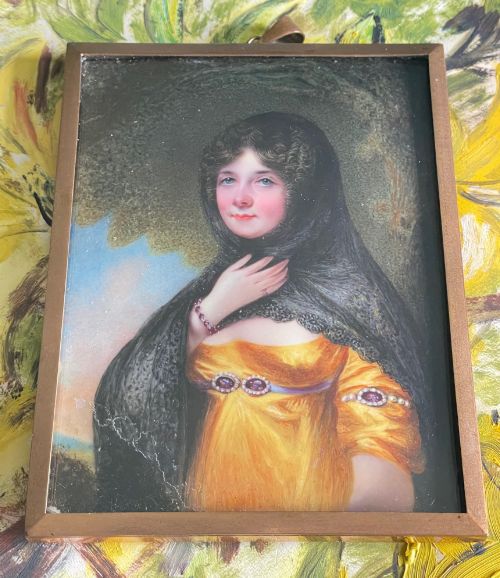
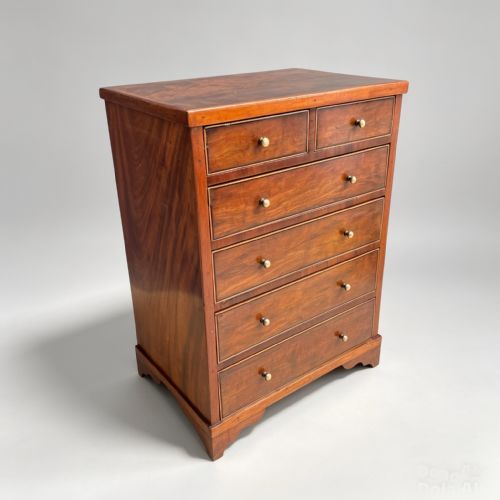
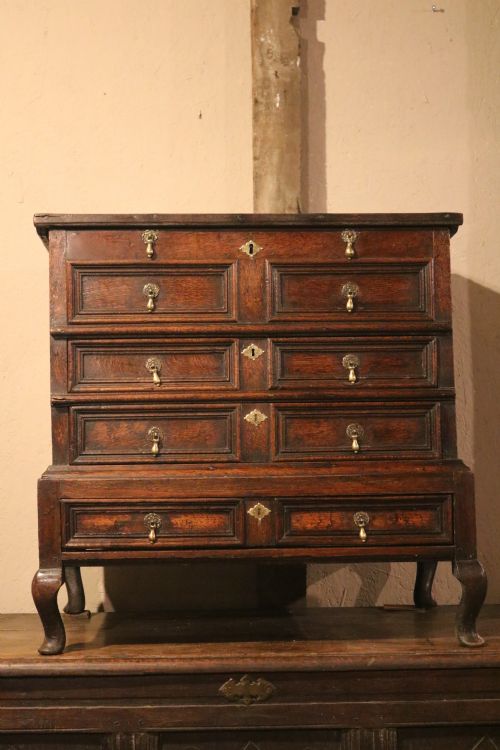
Eighteenth century miniature items encompass a diverse range of scaled objects, from portrait miniatures in enamel and oil to small oak chests of drawers and miniature books. These compact works reflect the domestic and artistic tastes of the period, often serving personal or display functions.
How they were made
Makers fashioned these pieces using traditional timber methods, utilising oak and mahogany for miniature chests of drawers and boxes. Cabinetmakers applied full-scale joinery techniques to reduced dimensions, creating functional small-scale furniture.
Artists painted portraits on enamel, paper, and canvas using oil and pastel. Goldsmiths and metalworkers incorporated brass and gilt mounts to frame and detail these small objects.
Eighteenth Century Miniature Retail Price Guide 2026
Typical asking prices for eighteenth century miniature among the pieces listed under this phrase on Sellingantiques today, from the lower quarter to the upper quarter. They describe what is for sale here now, not the wider market.
Listings feature oak, mahogany, and walnut timbers alongside enamel, paper, and brass across the eighteenth century.
What varies in quality
Quality in portrait miniatures rests upon the finesse of the brushwork and the psychological depth captured in the sitter's expression. Master painters achieved remarkable detail within constrained dimensions, while lesser hands produced stiffer, less nuanced likenesses.
In miniature furniture, excellence depends on the fidelity of the proportions and the quality of the timber selection, such as figured oak or mahogany. Pieces that maintain structural integrity and authentic period construction details command greater regard than later or hastily assembled copies.
Horace Hone·Ozias Humphry
The Eighteenth Century Miniature Glossary
- Portrait miniature
- A small-scale painting, typically executed on enamel, vellum, or card, capturing a likeness. These were often worn as personal tokens or kept in protective cases.
- Tallboy
- A tall chest of drawers consisting of one section stacked upon another. In miniature form, this furniture type mimics full-scale domestic pieces with exceptional precision.
- Enamel
- A glassy substance fused to a metal substrate through firing, used by artists to create durable portrait miniatures with glossy finishes. This medium preserved vibrant colours over centuries.
- Regency
- A period in British history spanning the early nineteenth century, noted for specific stylistic developments in decorative arts and portraiture. Pieces from this era often show neoclassical influences.
Eighteenth Century Miniature: Frequently Asked Questions
How were portrait miniatures displayed?
Owners typically kept portrait miniatures in fitted cases, hung them in intimate spaces on walls, or wore them as jewellery. Their portable nature allowed patrons to carry likenesses of family members during travel.
In contemporary settings, collectors often arrange groups of framed miniatures together on a wall or place them within dedicated display cabinets.
Why were miniature chests made?
Cabinetmakers produced miniature chests of drawers and tallboys as apprentice masterpieces, salesman samples, or specialised luxury items for wealthy households. These small pieces demonstrated the joiner's skill in miniature proportions.
They functioned practically for storing small valuables, trinkets, or documents while taking up minimal space in domestic rooms.
How do I care for miniature paintings?
Miniature paintings on paper, enamel, or ivory require protection from direct sunlight to prevent fading of pigments. Maintaining stable humidity levels prevents warping of organic supports and deterioration of frames.
Displaying these works away from heat sources and in stable indoor environments ensures their long-term preservation.