
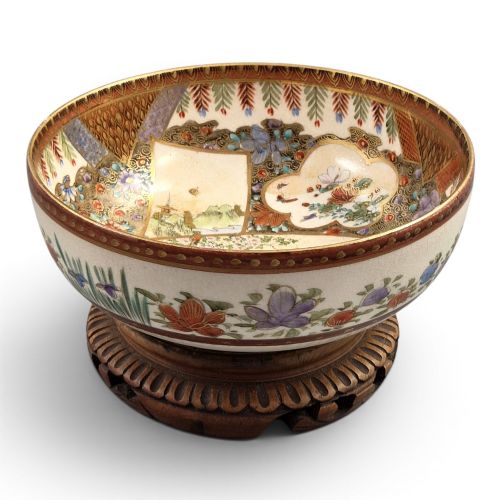


Antique Enamel Display Dish
These pieces combine metallic foundations with vitreous colours, offering striking focal points for a room.
Antique Enamel Display Dish
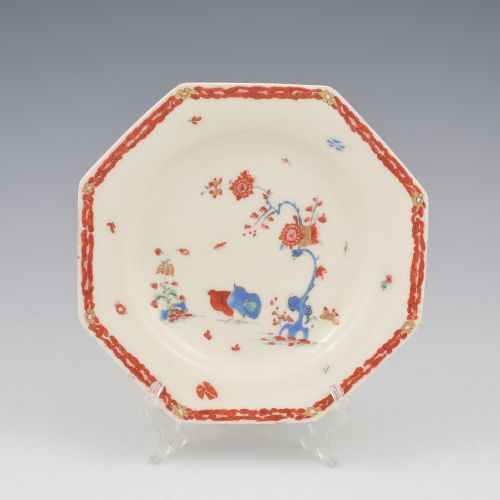
An antique enamel display dish serves as an ornamental centrepiece or wall plaque rather than a vessel for daily dining, capturing decorative motifs across wide circular surfaces. These items originate predominantly from late nineteenth-century Japanese workshops alongside eighteenth-century European and Chinese export kilns.
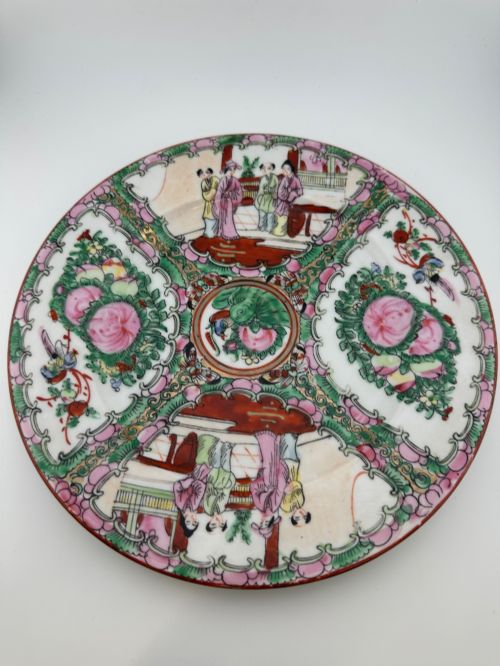
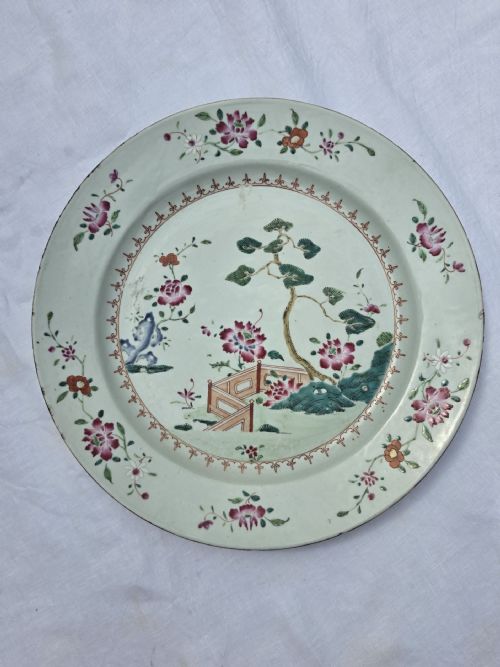
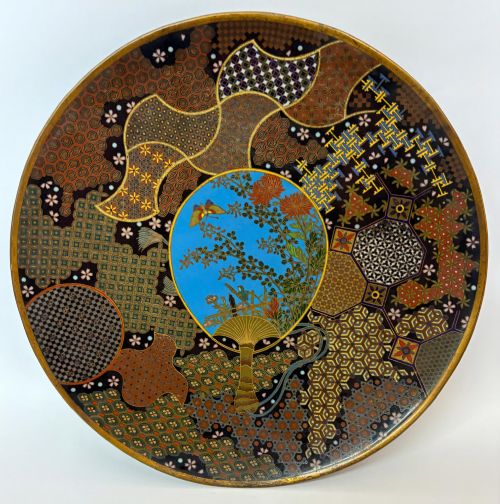
The selections available here lean heavily toward Japanese Meiji period cloisonne chargers depicting natural scenes such as koi, dragons, and birds. Alongside these metallic vessels, porcelain plates featuring famille rose, Imari, and Satsuma enamels appear frequently.
How they were made
Metal vessels utilise copper or brass foundations where thin wire ribbons are soldered upright to form cellular patterns, known as cloisons, before coloured vitreous pastes fill each compartment. Firing in kilns fuses the glass powder to the metal substrate, followed by meticulous grinding and polishing to achieve a smooth finish.
Ceramic equivalents apply enamel paints directly onto porcelain or earthenware bodies, sometimes incorporating gold leaf or raised pearl jewelling before secondary kiln firings set the pigments permanently.
Listings span periods from the eighteenth century through to the early twentieth century, incorporating both Asian export wares and European porcelain.
What varies in quality
The finesse of the metal wirework dictates the upper echelon of cloisonne pieces, where microscopic cell boundaries reveal absolute symmetry and complexity rather than thick, intrusive metal lines. Purity of colour, freedom from pitting in the vitreous paste, and the crispness of hand-painted pictorial details separate standard decorative items from masterworks.
Scale and ambition also define tier levels, with larger chargers requiring immense technical control during high-temperature firings to prevent warping or cracking of the enamel surface across expansive diameters.
St Louis glassworks·Kozan·Shuzan for Yasuda·Meizan
The Antique Enamel Display Dish Glossary
- Cloisonne
- A technique where thin metal wires create compartments on a metal base to hold coloured glass paste. The piece undergoes kiln firing and surface polishing to create a smooth, decorated display surface.
- Charger
- A large decorative plate or dish utilised primarily for display rather than serving food. These expansive surfaces often showcase intricate pictorial narratives or detailed natural motifs.
- Famille rose
- A prominent palette of opaque pink and other soft enamel colours used on Chinese and European ceramics. Introduced during the Qing dynasty, it superseded earlier green-dominated ceramic styles.
- Totai shippo
- A Japanese technique where enamel is applied over a porcelain body rather than traditional metal. The resulting vessels often mimic the appearance of cloisonne tree bark or textured surfaces.
- Imari
- A style of Japanese export porcelain characterised by underglaze blue and overglaze iron red, gold, and supplementary colours. These bold patterns developed during the Edo period for international markets.
Antique Enamel Display Dish: Frequently Asked Questions
How were display dishes used historically?
These large vessels were designed specifically for visual impact, placed upon sideboards, mounted on walls, or supported by stands within formal reception rooms. They demonstrated the owner's taste and the technical prowess of the exporting culture.
Unlike utility ceramics destined for the dining table, display pieces avoided regular wear, preserving their vibrant enamel colours and delicate surface details over centuries.
What is the difference between porcelain and metal enamel?
Metal enamel pieces utilise hammered copper or brass bases where glass pastes are fused into wire cells. Porcelain examples apply coloured enamels directly onto fired ceramic bodies, such as Satsuma earthenware or hard-paste porcelain.
While both methods result in glossy, colourful display surfaces, metal versions offer a heavier tactile feel with visible wire boundaries, whereas porcelain versions present a smooth, continuous ceramic profile.
How should I display an antique dish safely?
Selecting a sturdy, appropriately sized display stand ensures the weight of a heavy copper or porcelain charger is distributed evenly. Positioning the piece away from direct sunlight protects vulnerable enamel pigments and gold leaf accents from fading.
Wall mounting requires specialist brackets designed to secure heavy plates firmly without exerting excessive pressure on the fragile rims or edges.