


Antique Enamel Bowl
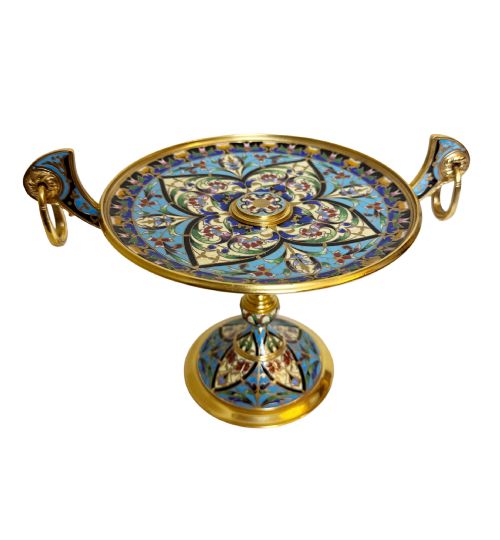
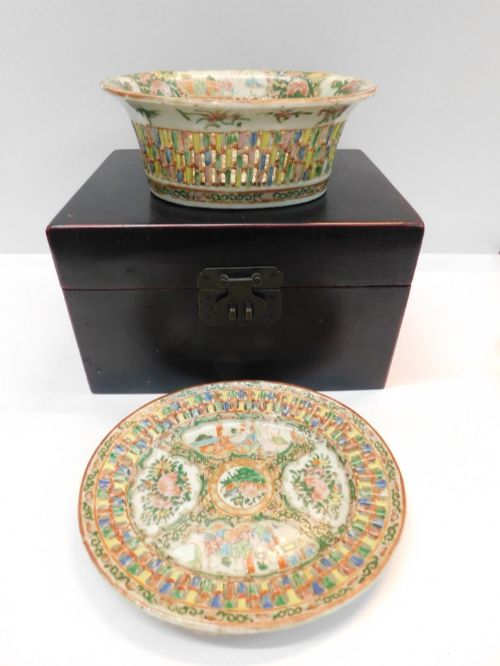
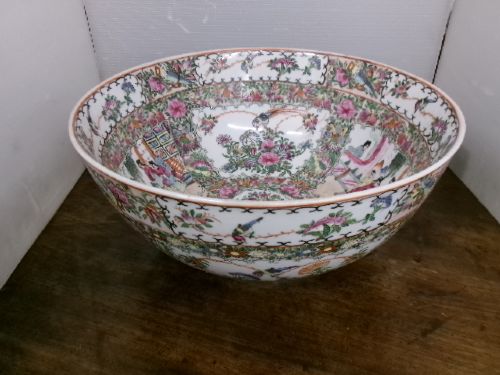
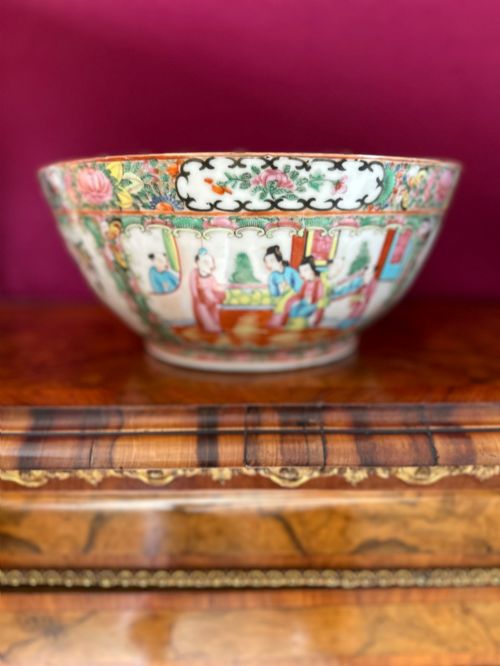
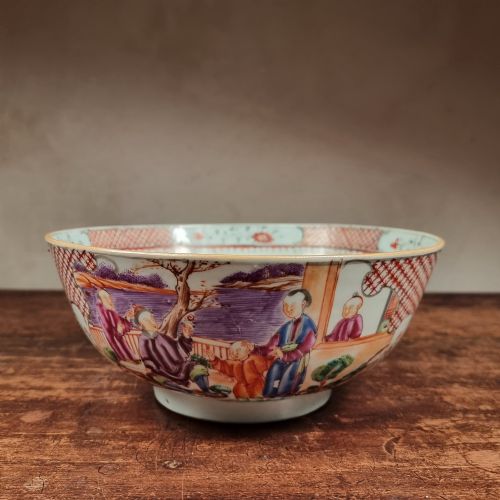
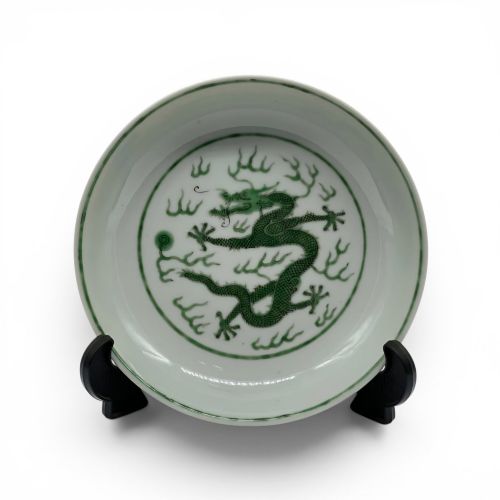
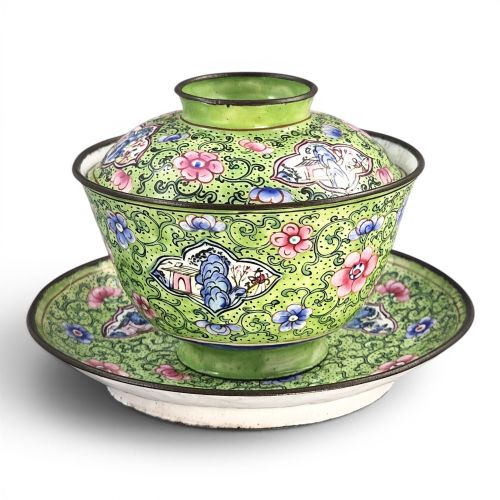
An antique enamel bowl brings vibrant colour and meticulous detail to a room, ranging from delicate Chinese export porcelain to robust French champlevé centrepieces.
Antique Enamel Bowl
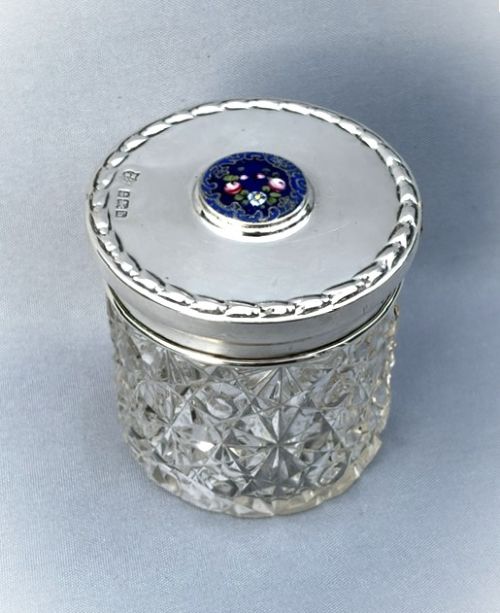
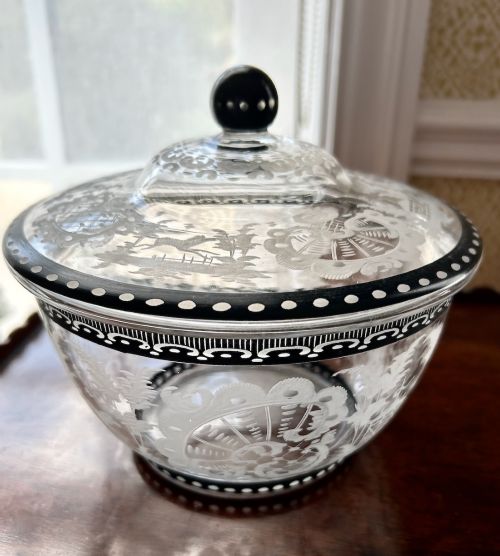
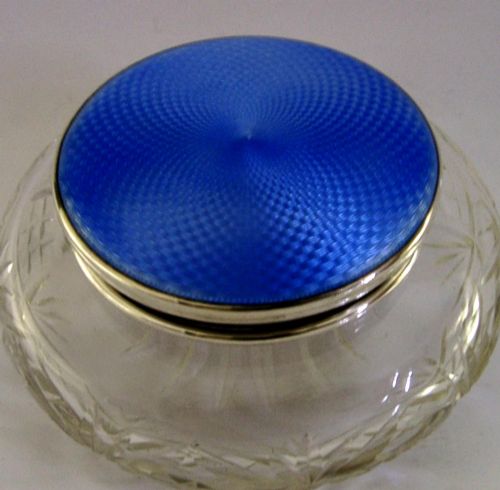
When searching for an antique enamel bowl, buyers encounter a diverse selection spanning the eighteenth and nineteenth centuries through to the Art Deco era. The inventory includes vessels from Chinese production centres, French decorative centrepieces, and British silver-topped glass jars.
Forms vary widely from large punch bowls and jardinières to small trinket pots, desk accessories, and scholarly brush washers. Many items combine enamel work with porcelain, copper, or glass bases, reflecting international trade and stylistic exchanges over successive centuries.
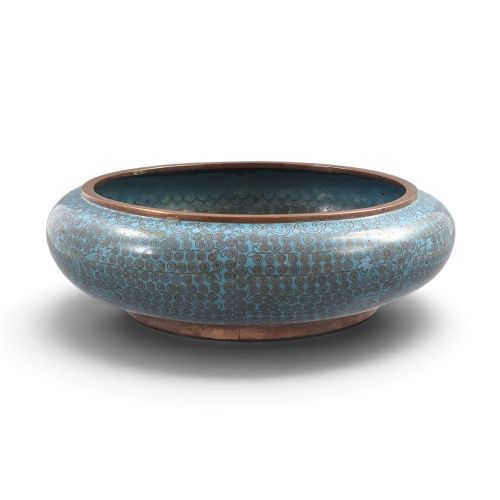
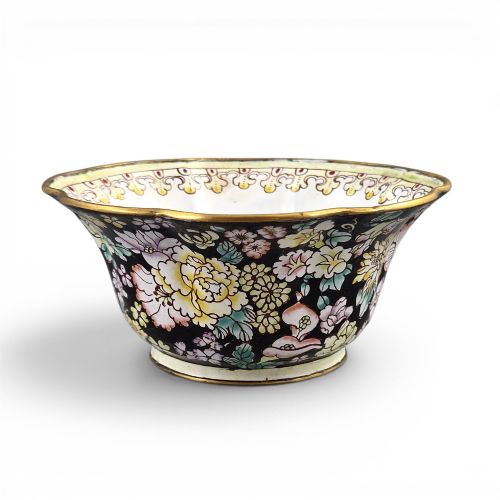
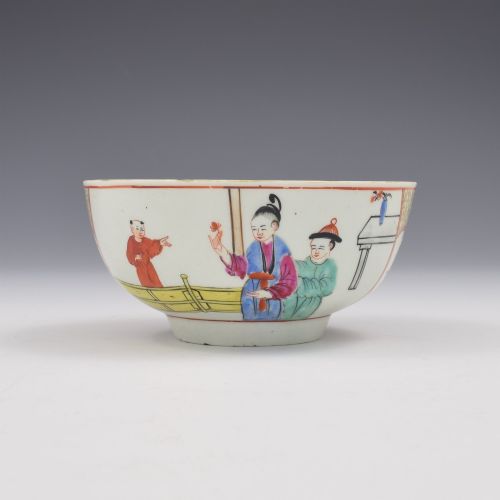
Chinese Canton and Famille Rose wares feature prominently, alongside Japanese Satsuma and cloisonné pieces. European makers are represented by French gilt bronze mounts, Limoges painted enamel, and English sterling silver details.
What varies in quality
The distinction between standard commercial output and superior craftsmanship lies in the precision of the enamel application and the refinement of the metalwork. Master artisans achieved smooth, even surfaces with minimal pitting and vibrant, well-defined colour borders that remained crisp after firing.
Weight and structural integrity also separate fine examples from ordinary ones. Heavy cast bronze mounts, substantial silver gauges, and porcelain bodies with delicate yet resilient reticulation or eggshell thinness indicate higher workshop standards.
A tiny painted dog bowl reminds us that pampered pets existed long before modern luxury boutiques.
A E Jones·Hannah Walton·Kozan
The Antique Enamel Bowl Glossary
- Champlevé
- An enamel technique where troughs or cells are hollowed out in the metal surface and filled with vitreous enamel before firing. This method creates bold outlines and deep, rich pools of colour.
- Cloisonné
- A method of decorating metalwork objects with coloured glass paste placed in compartments formed by strips of metal welded to the upright. The piece is then fired and polished to a smooth finish.
- Famille Rose
- A palette of opaque enamel colours dominated by pink or rose, introduced to Chinese porcelain during the Qing dynasty. It allowed for nuanced shading and intricate botanical or figural scenes.
- Gilt Bronze
- Bronze metal that has been coated with a thin layer of gold using mercury amalgamation or electroplating techniques. It provides a durable, warm metallic finish that resists tarnishing.
- Kovsh
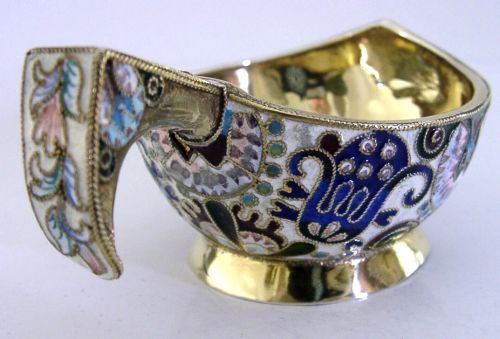
- A traditional Russian boat-shaped drinking vessel featuring a single handle at one end. Examples often incorporate solid silver and vibrant cloisonné or champlevé enamel decoration.
Antique Enamel Bowl: Frequently Asked Questions
How do I clean an antique enamel bowl?
Dust the surface gently with a soft, dry cloth to remove everyday particles without risking the delicate glass or metal components.
Avoid immersing pieces in water, harsh chemical cleaners, or ultrasonic baths, as these treatments can compromise historic adhesives, mounts, and fragile enamel layers.
Can I use these bowls for food?
Most historic enamel and decorated ceramic vessels are intended for display rather than modern culinary service. Older manufacturing methods and certain pigments may contain materials unsuited for direct contact with acidic or hot foodstuffs.
Treat them as decorative objects or dry storage containers to preserve the integrity of the fragile interior surfaces and delicate gilding.
How do I date a piece?
Examine the base for reign marks, workshop signatures, or hallmarks that indicate specific production periods. Material composition, mounting styles, and manufacturing techniques also offer clear clues to a piece's chronological origin.
Compare the decorative motifs, such as specific floral palettes or geometric borders, against documented periods like the Guangxu reign or the Art Deco era.
Where were these items made?
The pieces originate from diverse global workshops, with significant production centres in China, Japan, France, and Britain. Chinese items often stem from imperial kilns and export hubs like Canton, while European examples reflect regional metalworking traditions in Paris, Birmingham, and Limoges.
Trade routes and international exhibitions during the nineteenth century facilitated the widespread exchange of these decorative styles across borders.