
Antique Embroidery Panel
An antique embroidery panel brings centuries of handwork into a modern room, offering texture and colour that mass-produced textiles simply cannot match.
Antique Embroidery Panel
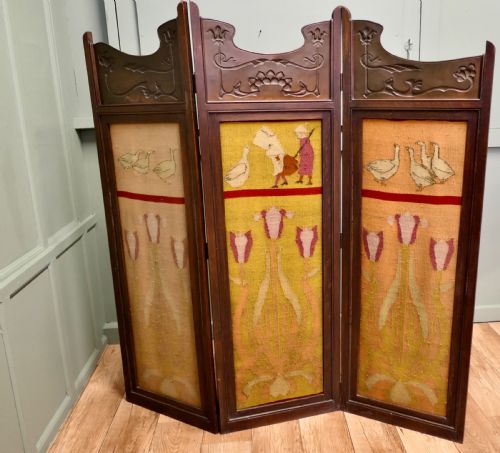
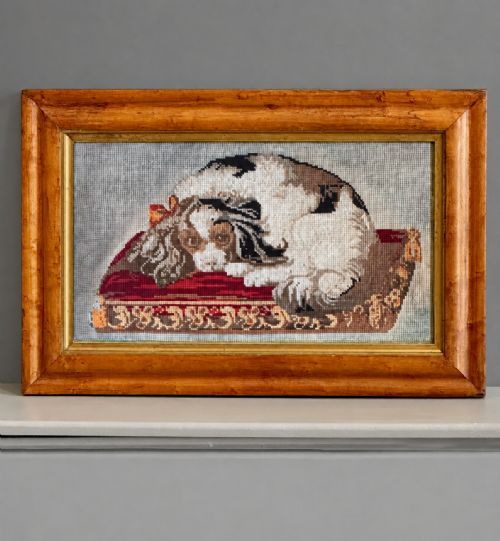
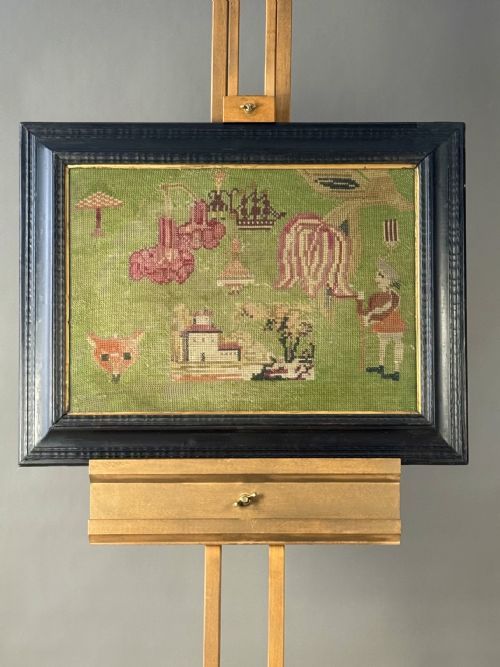
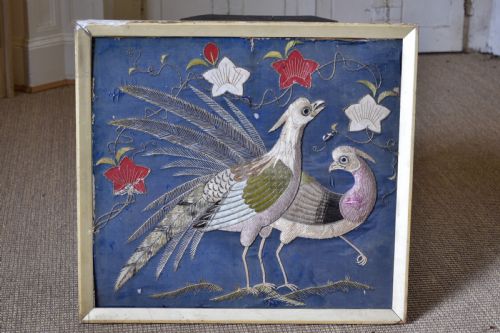
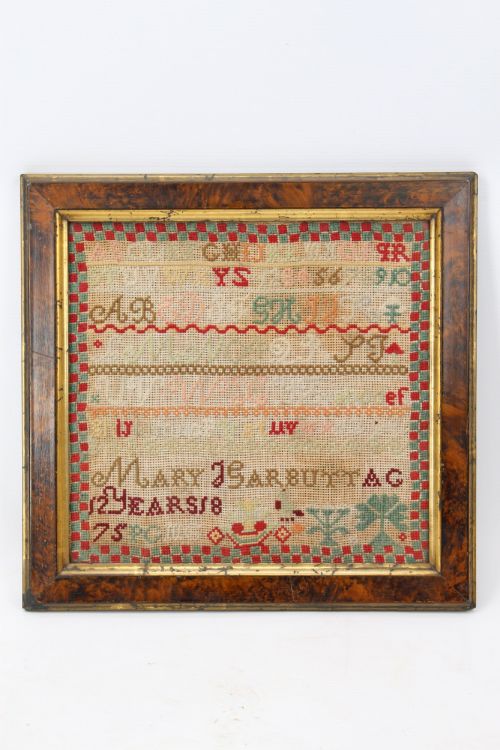
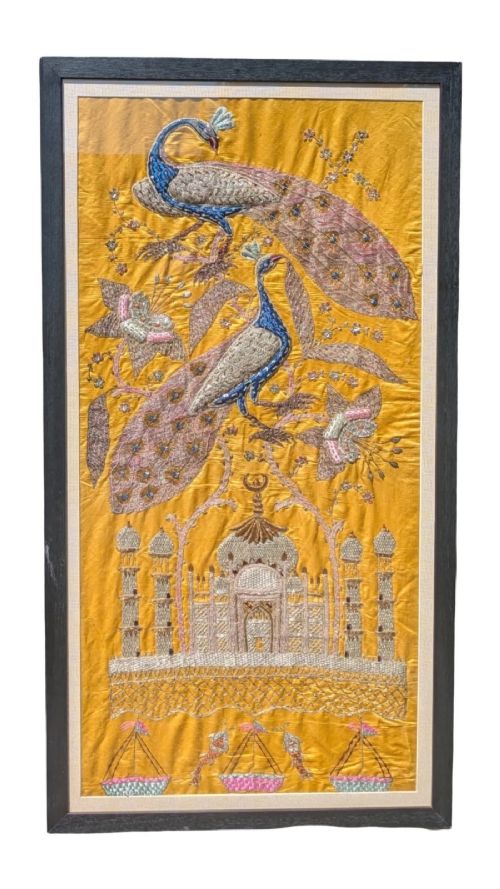
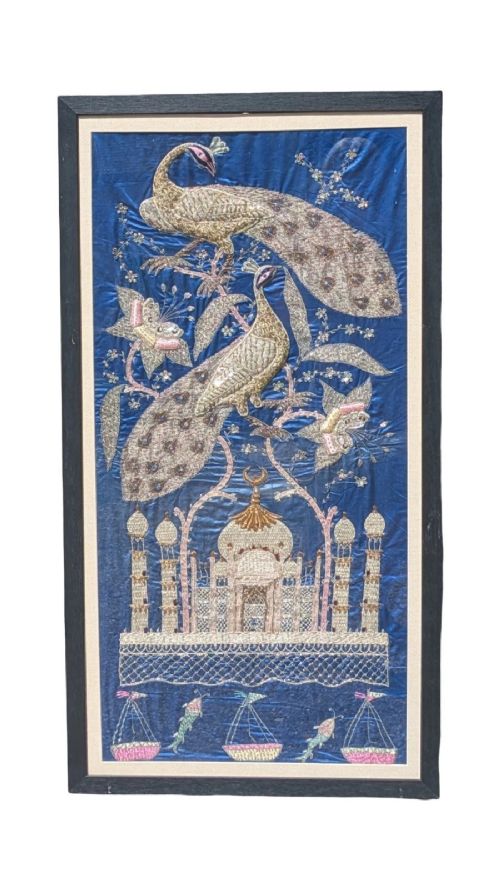
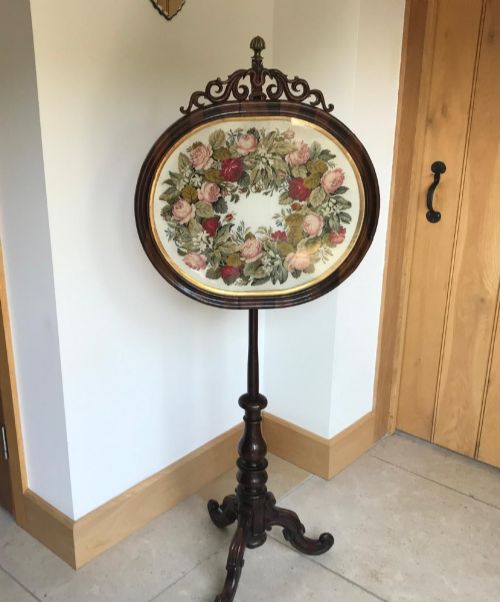
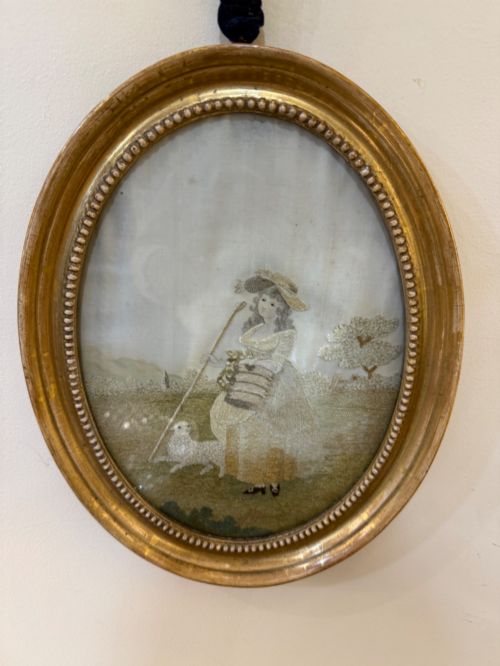
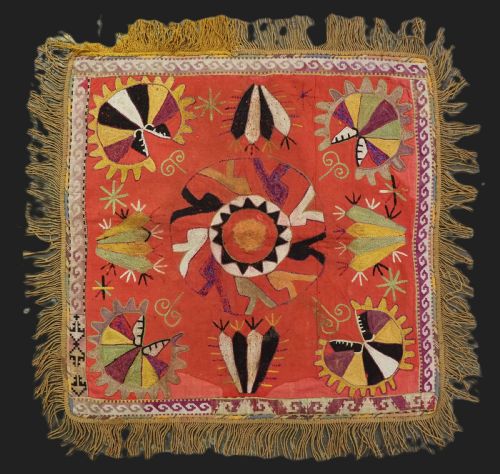
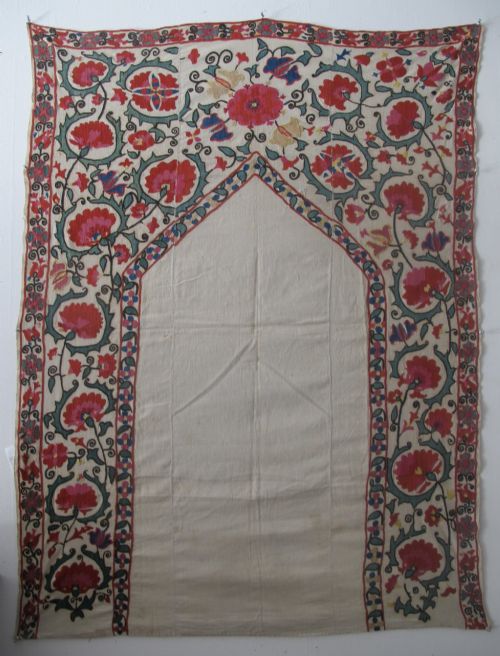
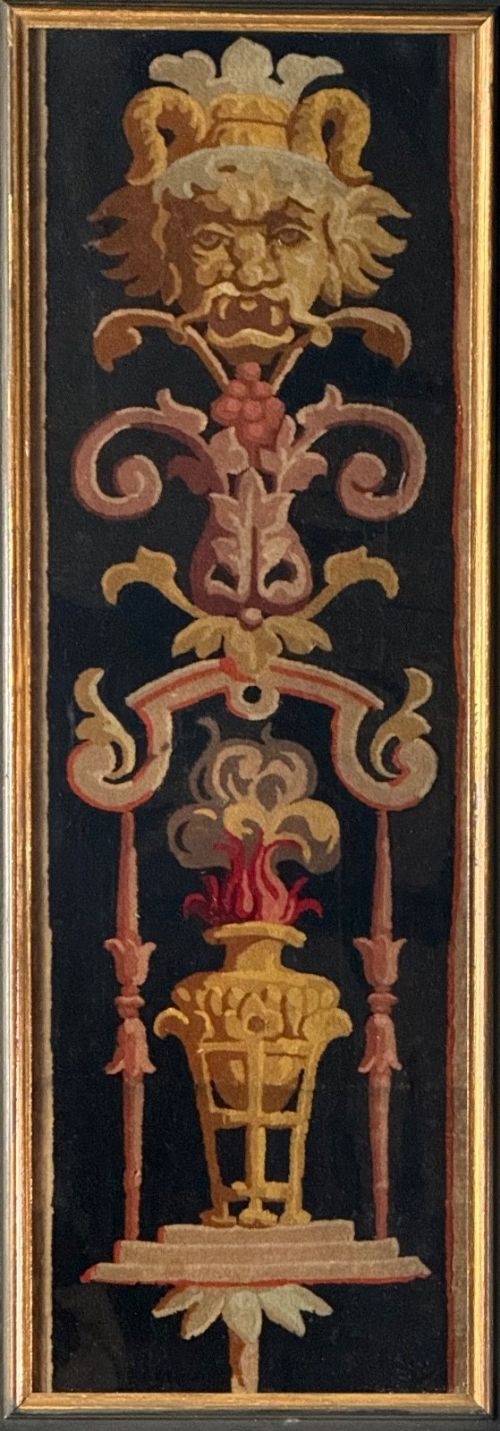
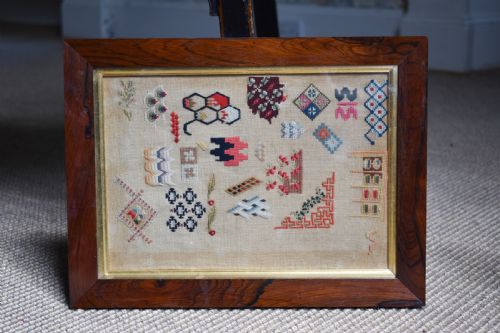
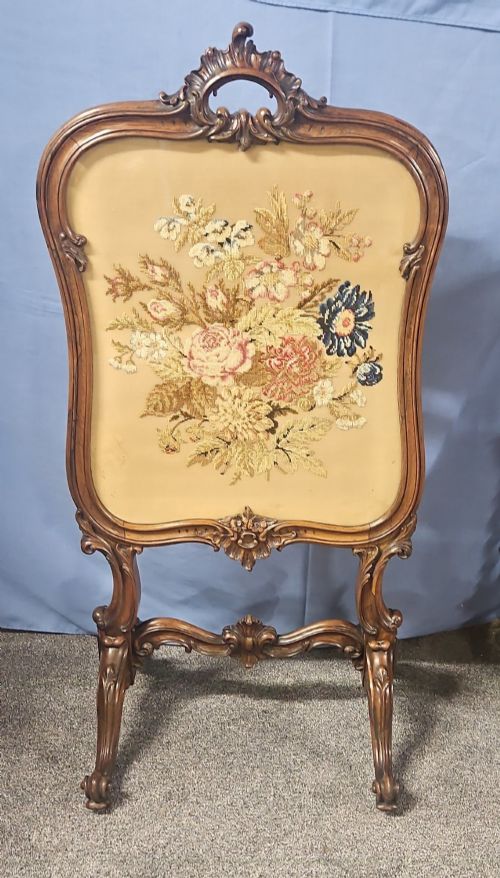
When searching for an antique embroidery panel, a buyer encounters a diverse group of framed textiles, needlework pictures, samplers, and regional fragments. These items span domestic British schoolgirl exercises and vibrant Central Asian or Greek folk art works.
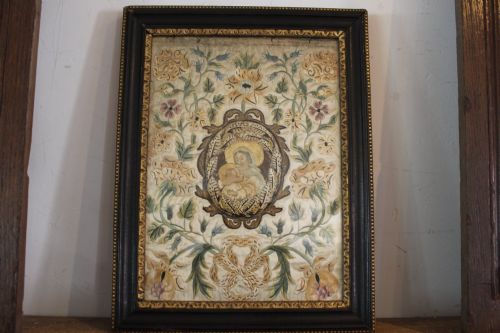
The selection on this page most frequently includes nineteenth-century samplers worked in silk or wool alongside eighteenth-century needlework pictures and fragments. Each piece preserves the precise stitches and artistic choices of an individual maker from the Georgian, Victorian, or earlier periods.
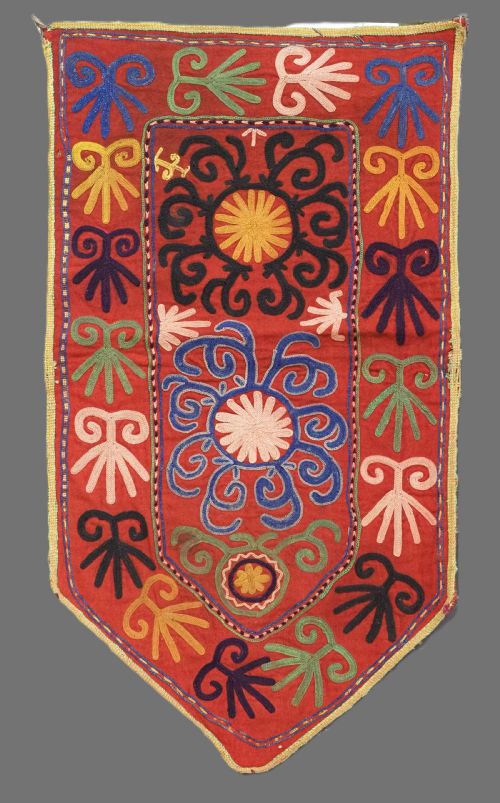
Regional variations appear alongside British examples, featuring materials like linen and silk thread combined in Greek hand towel end panels or Central Asian Suzani pieces. These textiles served both decorative purposes in wealthy homes and functional or devotional roles in other cultures.
How they were made
Maker construction relies heavily on organic supports such as plain-woven linen or wool backgrounds stretched for needlework. Artisans applied silk thread, wool, and metallic thread to build pictorial or geometric compositions stitch by stitch.
Many survivors retain their original framing using wood or gilded wood surrounds, sometimes paired with glass to protect the delicate threads. Leather sewing boxes occasionally incorporated small embroidery panels as decorative structural elements.
Antique Embroidery Panel Retail Price Guide 2026
Typical asking prices for embroidery panel among the pieces listed under this phrase on Sellingantiques today, from the lower quarter to the upper quarter. They describe what is for sale here now, not the wider market.
One Victorian sampler proudly preserves an authentic student stitch error for modern observers to spot.
What varies in quality
Quality in these textiles rests upon the fineness of the stitch execution and the complexity of the design layout. Advanced needlework demonstrates precise tension and sophisticated pictorial perspective, whereas simpler pieces show charming irregularities or deliberate schoolroom learning curves.
The integrity of the original materials dictates the visual success of the piece, particularly where silk thread retains its sheen or metallic thread resists tarnishing. Surviving frames of wood and gilded wood also contribute to the overall authenticity and historical context of the panel.
The Antique Embroidery Panel Glossary
- Sampler
- A piece of needlework produced as a demonstration or test of skill in various stitches, frequently signed and dated by young makers.
- Suzani
- A type of embroidered tribal textile originating from Central Asia, traditionally worked in rich silk threads on a linen or cotton ground.
- Needlework picture
- A framed pictorial composition executed in thread rather than paint, popular in domestic interiors during the Georgian and Victorian eras.
- Epirus
- A mountainous historical region in southeastern Europe associated with distinct Greek folk art embroidery traditions.
Antique Embroidery Panel: Frequently Asked Questions
How should I hang an embroidery panel?
Protect delicate threads by mounting the textile behind conservation-grade glass to block dust and physical contact. Keep the piece away from direct sunlight to prevent the silk and wool threads from fading over time.
Ensure the room maintains stable humidity levels to protect both the historic fabric ground and any original wood or gilded wood frames. Professional framing using acid-free materials guarantees the textile remains secure without bearing undue tension.
What is the difference between a sampler and a needlework picture?
A sampler focuses on displaying alphabets, numerals, and a variety of stitch patterns, often created by children as learning exercises. These pieces record names, dates, and occasionally educational or religious verses.
In contrast, a needlework picture is designed purely as a pictorial artwork representing landscapes, figures, or heraldic scenes. These compositions require advanced planning and multiple thread techniques to achieve tonal depth and perspective.
How do I identify a Georgian sampler?
Georgian samplers typically feature subdued natural dye colours on a linen ground, often bordered by formal geometric floral bands. The lettering and figures reflect the aesthetic conventions of the late eighteenth and early nineteenth centuries.
Many examples include stitched signatures, ages, and dates that anchor the piece firmly within the Georgian period. Documentation of the maker helps distinguish these works from later Victorian schoolroom productions.
Were these panels always framed?
Many textile panels spent decades stored away in portfolios or sewn into functional items like sewing boxes before receiving modern mounts. Surviving eighteenth-century needlework pictures were frequently framed from the outset to display status and domestic accomplishment in parlours.
Today, framing serves both an aesthetic role and a crucial preservation function by sealing the fragile linen and silk against environmental wear.