


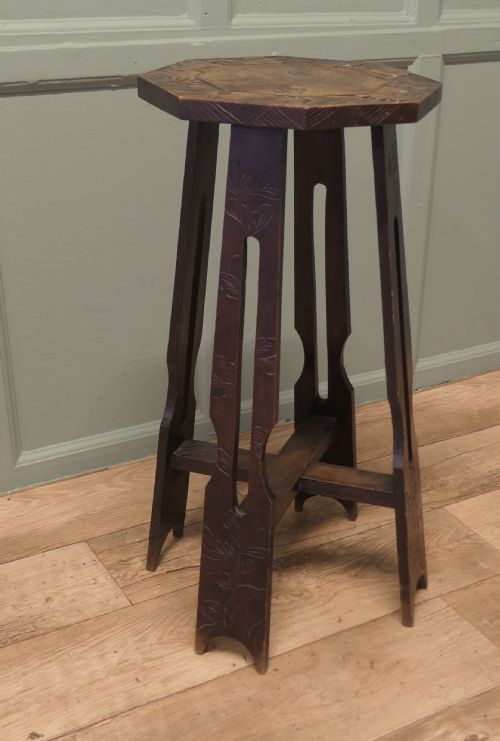
Antique Elm Furniture
Antique elm furniture brings heavy country character indoors through chairs, tables and dressers shaped by decades of honest utility.
Antique Elm Furniture
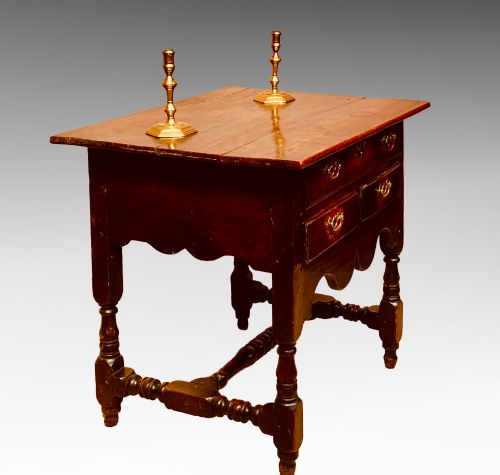
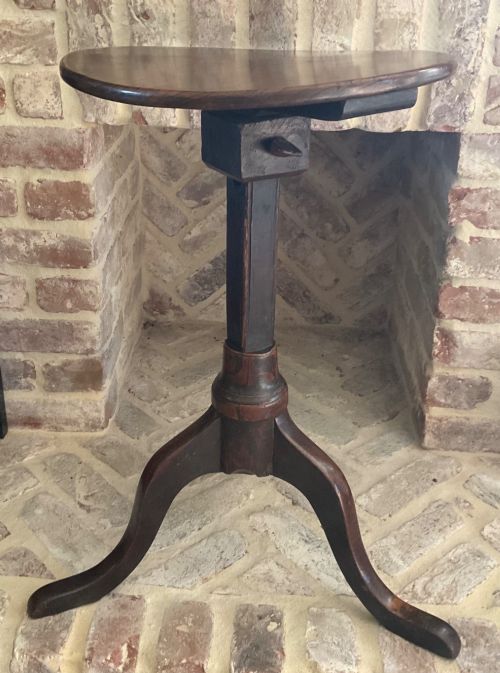
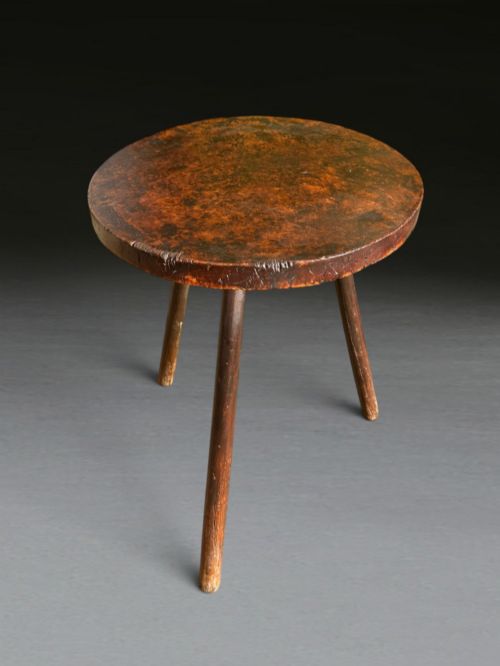
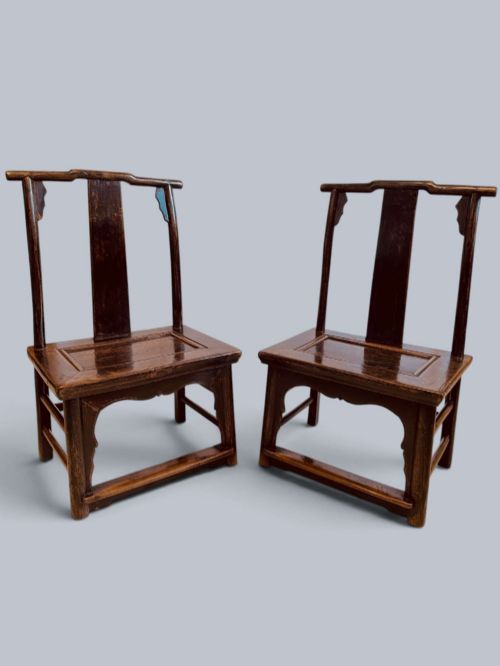
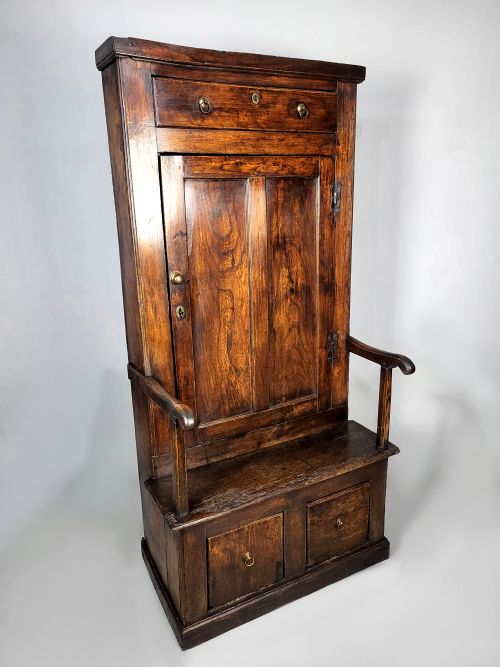
When searching for antique elm furniture, buyers encounter robust vernacular pieces spanning the seventeenth century through to the Victorian era. The selection ranges from Windsor armchairs and farmhouse dining tables to humble joint stools and food cupboards.
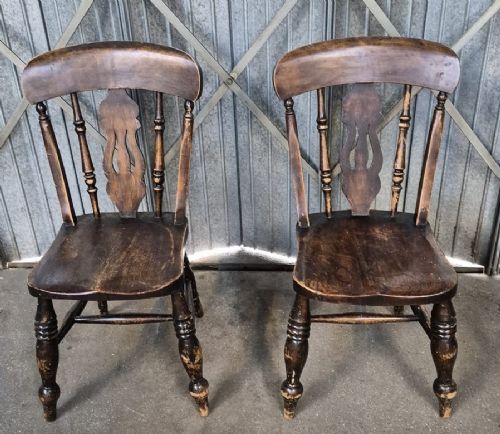
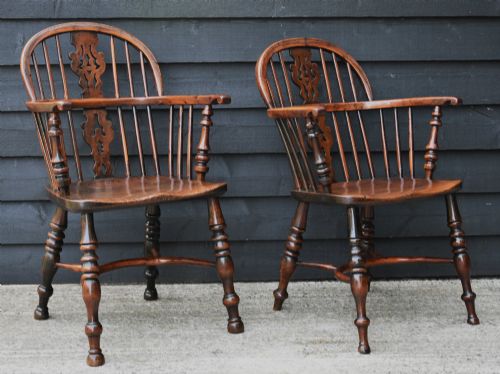
English country workshops produced the majority of these domestic forms, though regional styles from Wales and overseas provincial traditions also appear. Windsor chairs dominate the seating category, often combining elm seats with ash or yew spindles.
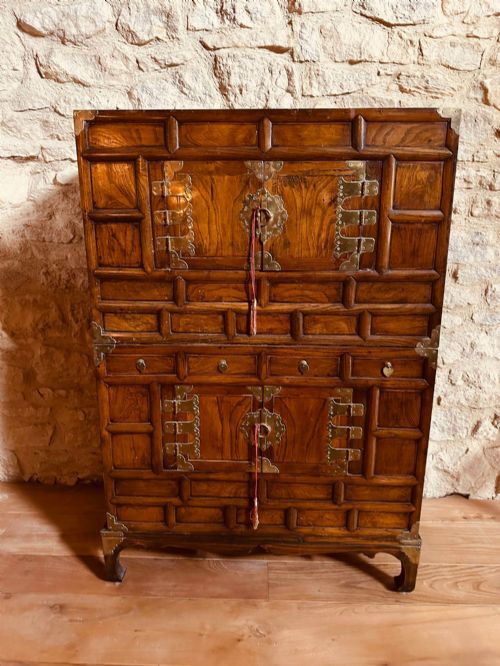
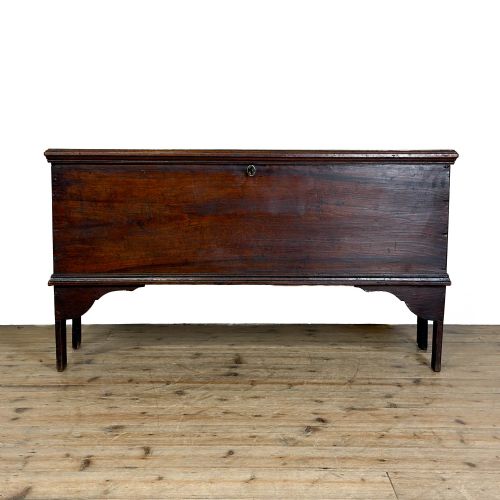
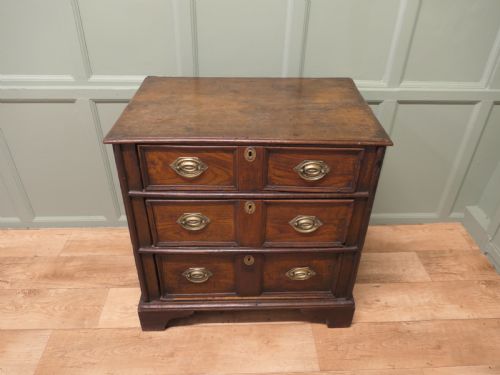
Storage items like chests on chests and lowboys utilise burr or figured boards for decorative effect. These practical objects reflect the daily lives of past households through robust construction.
Materials and construction
Elm timber provides exceptional toughness and resistance to splitting due to its interlocking grain, making it ideal for chair seats and table tops. Cabinetmakers frequently paired this primary timber with ash for steam-bent hoops, or beech and oak for structural stretchers.
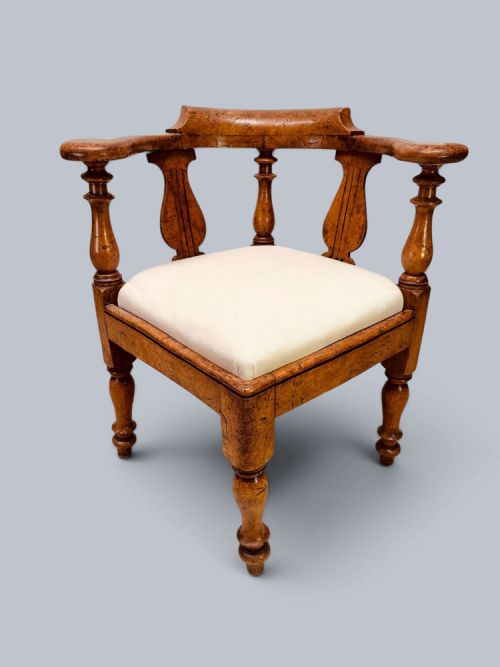
Makers exploited the wild grain patterns of burr elm on drawer fronts and tabletops to create striking visual movement. Traditional joinery methods such as mortise and tenon joints secure these heavy sections without relying on metal fixings.
Antique Elm Furniture Retail Price Guide 2026
Typical asking prices for elm furniture among the pieces listed under this phrase on Sellingantiques today, from the lower quarter to the upper quarter. They describe what is for sale here now, not the wider market.
Materials paired with elm across the inventory include ash, brass, oak, beech, burr elm, yew, and rush.
Evaluating quality and merit
The distinction between ordinary utility items and superior examples lies in the figure of the wood and the integrity of the surface. A rich, warm patina developed through centuries of handling elevates a simple stool or bench.
Proportion and comfort separate master craftsmanship from basic rural output, particularly in Windsor armchairs where spindle tapering and bow shaping dictate the visual balance.
Whytock and Reid
The Antique Elm Furniture Glossary
- Patina
- The deep surface sheen and mellow colour developed over decades of use and polishing. It serves as a visual record of age.
- Windsor
- A chair constructed with a solid wooden seat into which the legs and back spindles are inserted directly. These feature various hoop and comb back designs.
- Vernacular
- Everyday furniture made by regional carpenters for local domestic use rather than following high London fashions. These pieces display practical utility.
- Burr
- A woody outgrowth on a tree trunk that produces wildly swirling grain patterns when sliced into veneer. Cabinetmakers prize this timber for decorative panels.
- Stretcher
- A horizontal bar connecting the legs of a table or chair to provide structural rigidity. They often show distinctive wear from boots.
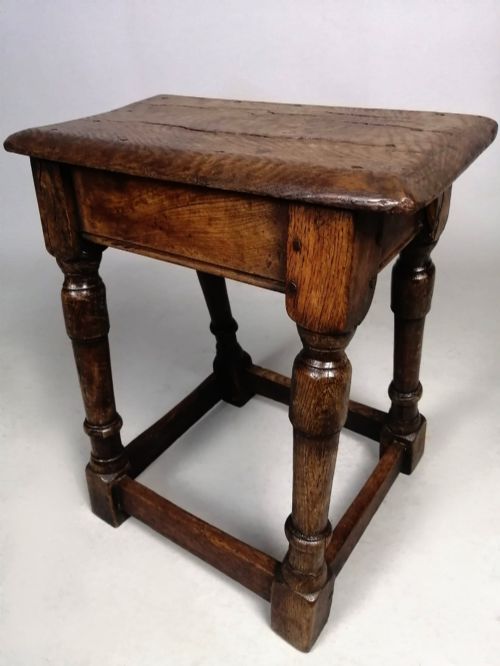
- Joint stool
- A sturdy low wooden seat assembled with mortise and tenon joinery before the widespread adoption of glued chairs.
Antique Elm Furniture: Frequently Asked Questions
How do I care for antique elm furniture?
Keep wooden pieces away from direct heat sources and sudden humidity shifts to prevent timber shrinkage and cracking. Apply a light application of beeswax periodically to nourish the dry grain and maintain the surface sheen.
Avoid commercial silicone polishes that build up sticky residues over time. Gentle dusting with a dry lint-free cloth preserves the historic patina.
Why is elm wood used for chair seats?
Elm possesses a famously interlocking grain structure that resists splitting under heavy downward pressure. This toughness allowed makers to carve deep saddle shapes into chair seats for user comfort.
Its fibrous nature made traditional adze and scorp work effective for shaping thick planks. This resilience explains its widespread selection for Windsor chair bottoms.
How can I tell an 18th-century Windsor chair apart?
Early Windsor chairs typically display multi-piece ash hoops, crinoline stretchers, and thick elm seats shaped by hand. Regional variations in spindle thickness and comb backs help point towards specific counties like Yorkshire or Thames Valley workshops.
Later Victorian versions often feature machine-turned components and standardised parts. Examining the underside reveals tool marks and timber shrinkage characteristic of age.
Did rural workshops make all elm furniture?
While country bodgers and provincial joiners produced most seating and kitchen tables, urban cabinetmakers utilised burr elm veneers for fine furniture. Georgian desk and chest drawers frequently showcase high-status figured elm veneers.
Regional vernacular pieces served utilitarian farmhouse needs, whereas London workshops built formal statement pieces for affluent homes. Both traditions relied on the timber's durability.