


Antique Nightstand Cupboard
An antique nightstand cupboard brings compact bedside storage and period character into a bedroom.
Antique Nightstand Cupboard
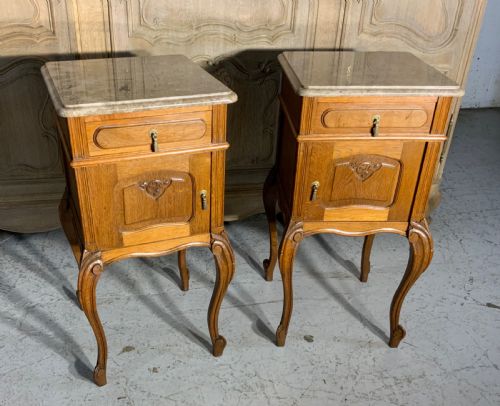
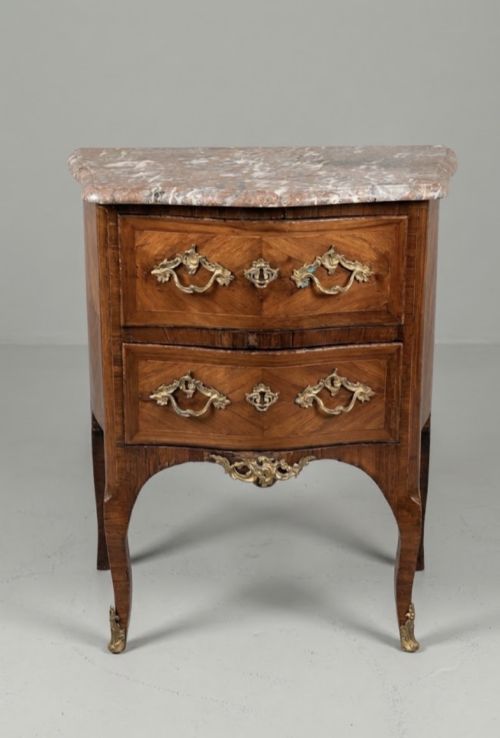
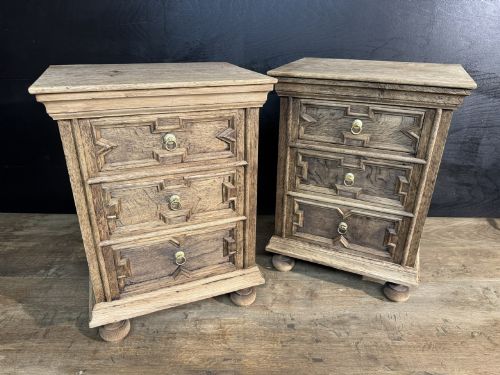
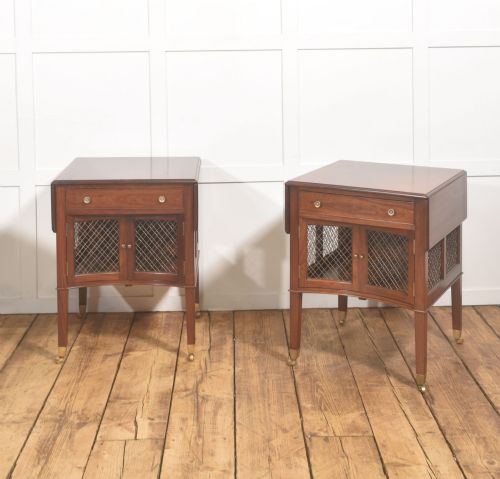
When you search for an antique nightstand cupboard, you encounter bedside cabinets, pot cupboards, and compact bedside chests designed to stand beside a bed. These pieces serve to conceal chamber pots or hold bedside necessities while adding period detail to a room.
The versions you are most likely to meet on this page span the Victorian and Edwardian eras, alongside pieces from the 1920s and 1930s. They appear frequently in pairs or as single items.
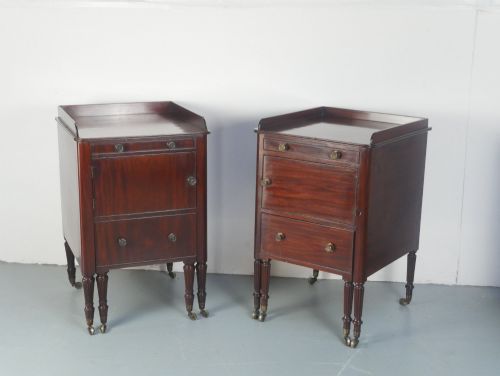
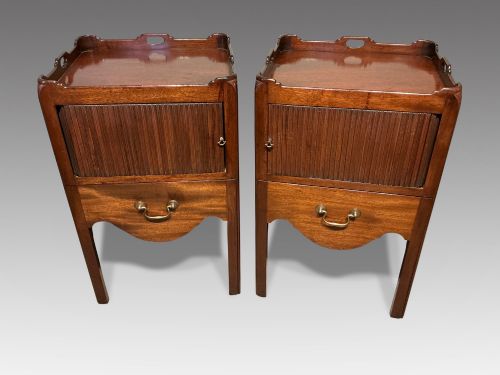
Makers utilised various regional styles, ranging from Sheraton Revival and Georgian style to Art Deco and French provincial designs. The forms remain consistently upright and enclosed, typically featuring a small door or combination of drawers.
Materials and Construction
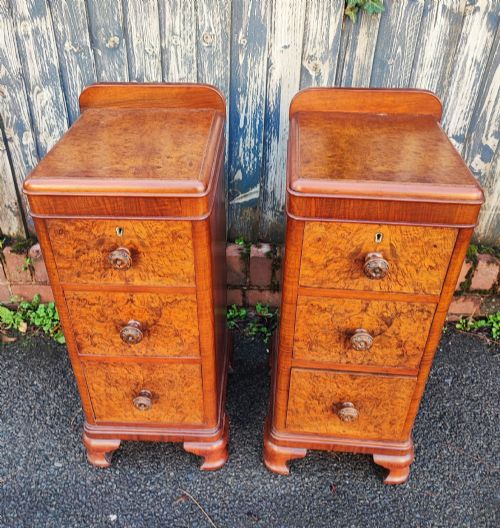
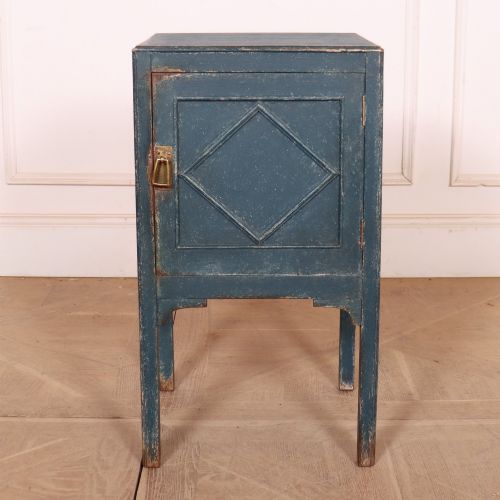
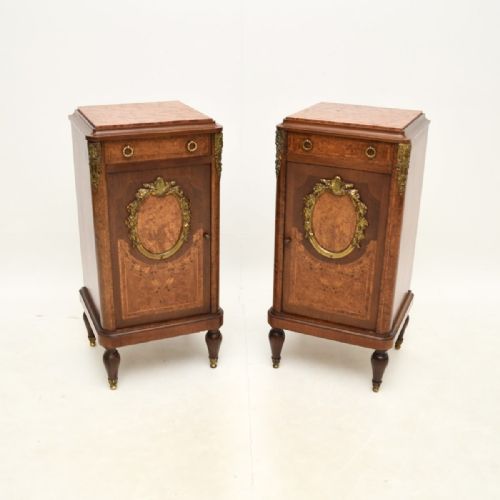
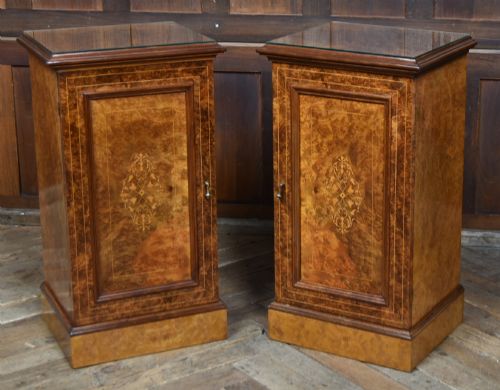
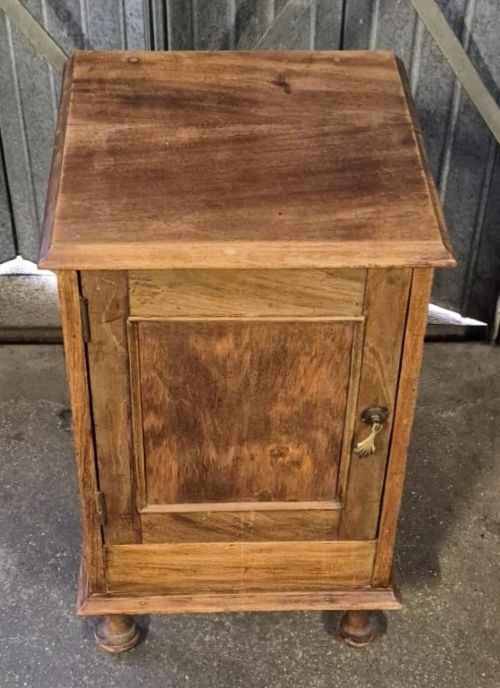
Cabinet makers constructed these pieces primarily in timber, favouring mahogany, walnut, and oak, often enhanced with satinwood or burr walnut veneers. Selected items incorporate decorative finishes such as Chinoiserie painting or cream paint.
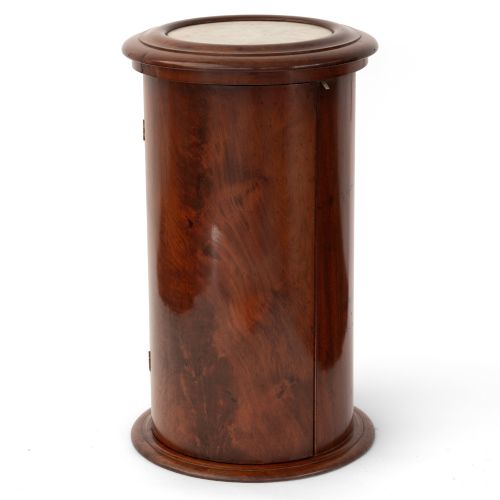
Many examples feature contrasting inset materials, most notably marble tops on walnut or satinwood cabinets, alongside brass hardware for handles and hinges. Carved wooden details and inlaid wood veneer surface work appear across Edwardian and Victorian workshops.
Antique Nightstand Cupboard Retail Price Guide 2026
Typical asking prices for nightstand cupboard among the pieces listed under this phrase on Sellingantiques today, from the lower quarter to the upper quarter. They describe what is for sale here now, not the wider market.
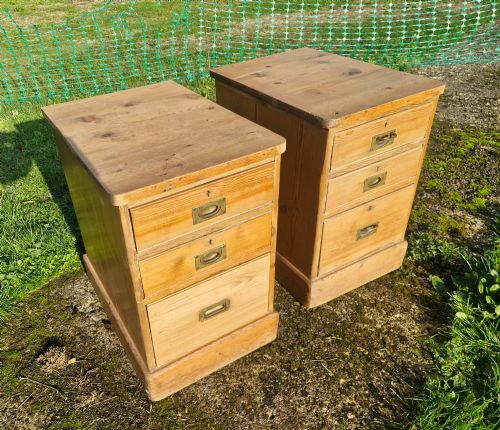
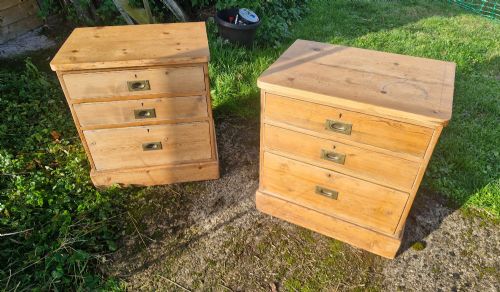
A sturdy pine pot cupboard once hid a Victorian chamber pot; today it proudly holds your smartphone charger.
Assessing Quality in Construction
Quality separates pieces by the selection of timber grain, such as figured flame mahogany or burr walnut, versus plain or secondary woods. Finer examples display meticulous marquetry inlay, tight joinery, and heavy marble slabs fitted precisely to the carcase top.
The execution of carving and the integration of functional doors, drawers, and brass mounts dictate the overall refinement of a piece. Better cabinets maintain structural integrity and smooth operation in their enclosed storage compartments.
Maple And Co
The Antique Nightstand Cupboard Glossary
- Pot cupboard
- A small bedside cabinet originally built to enclose a chamber pot. These practical items often feature a single door above or beside a small shelf space.
- Satinwood
- A durable hardwood with a lustrous, golden-yellow sheen frequently utilised for fine Edwardian cabinet making and decorative veneer work.
- Chinoiserie
- European decorative art imitating Chinese artistic styles, typically applied as painted motifs on wooden cabinet doors and surfaces.
- Serpentine
- A gently undulating curved line shaping the front facade of a cabinet or chest of drawers.
- Flame mahogany
- A distinct timber veneer exhibiting a flamelike pattern caused by cutting through boughs where branches join the trunk.
Antique Nightstand Cupboard: Frequently Asked Questions
What is an antique nightstand cupboard used for?
These compact pieces were traditionally designed to sit beside a bed and enclose a chamber pot or hold personal items out of sight.
Today, they function as bedside tables that provide concealed storage for books, lamps, and evening necessities.
How do I identify a Victorian bedside cabinet?
Victorian pieces frequently feature solid mahogany or walnut construction, often paired with heavy white marble tops designed to resist water from washing pitchers.
They tend to have robust proportions, panelled doors, and straightforward turned wooden feet or plinth bases.
Are these cupboards sold in pairs?
Many bedside cabinets and nightstands survive as matched pairs, particularly those dating from the Edwardian period and the 1920s or 1930s.
Single cupboards also appear frequently for bedrooms that require only one freestanding bedside surface.
How do Art Deco nightstands differ?
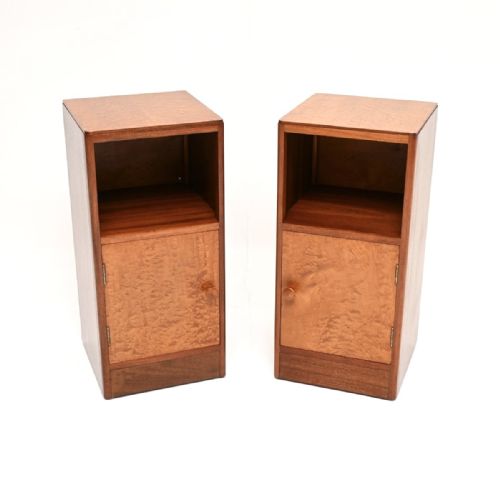
Art Deco pieces from the 1930s favour streamlined silhouettes, contrasting wood veneers like birds-eye maple and walnut, and often incorporate open shelving areas alongside cupboards.
They discard heavy Victorian ornamentation in favour of geometric clarity and polished wooden surfaces.