
Antique Edged Weapon
An antique edged weapon carries the steel and history of centuries past, offering collectors a tangible link to military campaigns and craftsmanship.
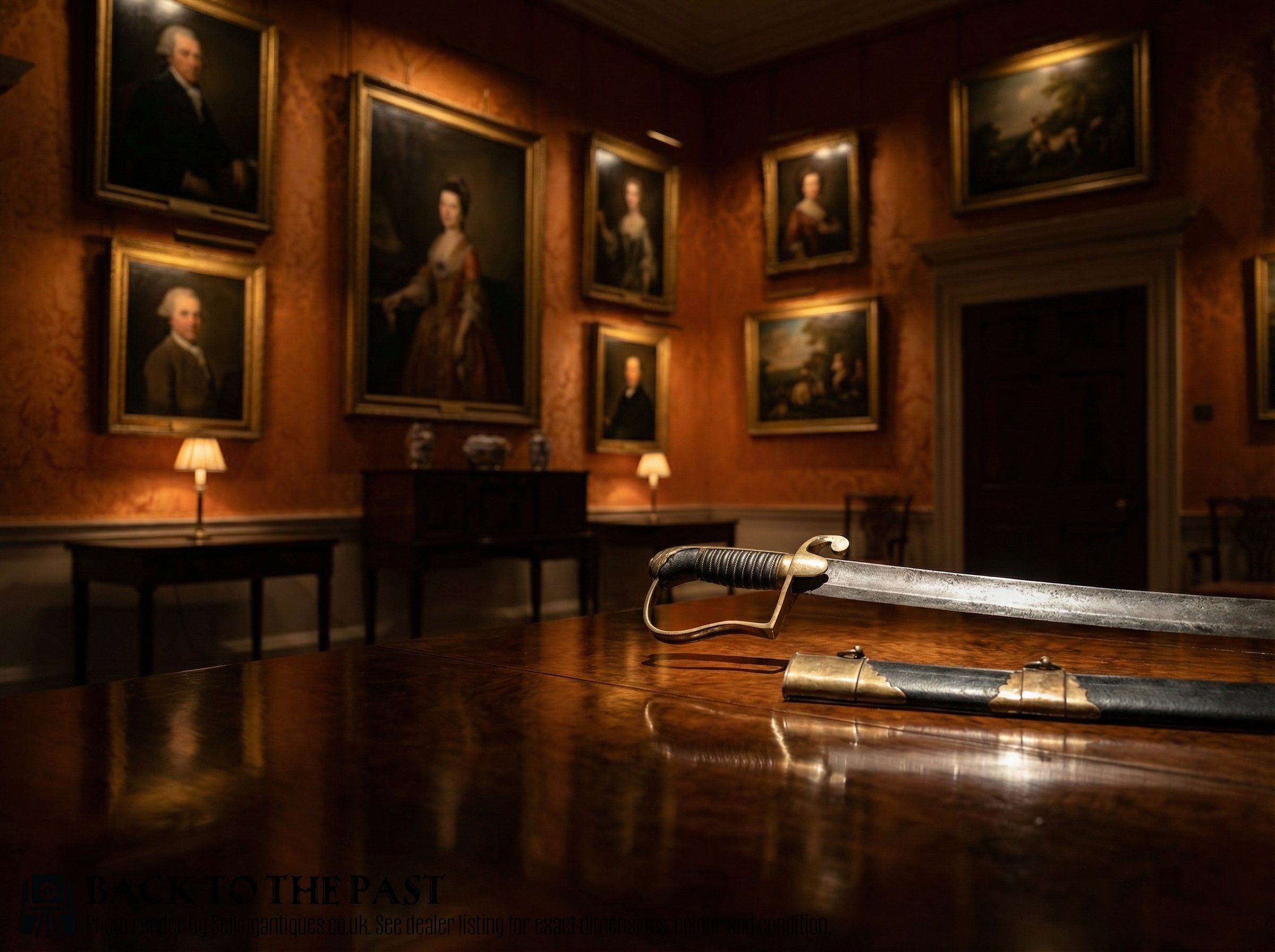
Antique Edged Weapon
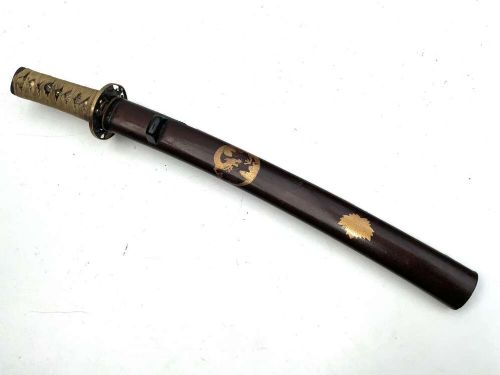
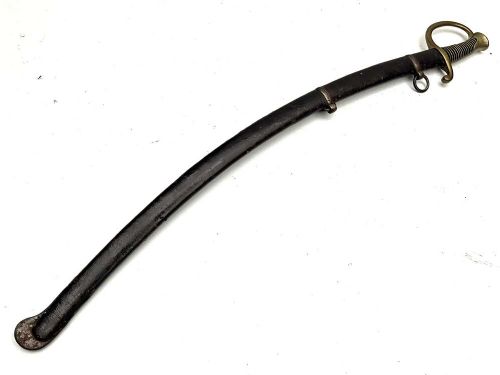
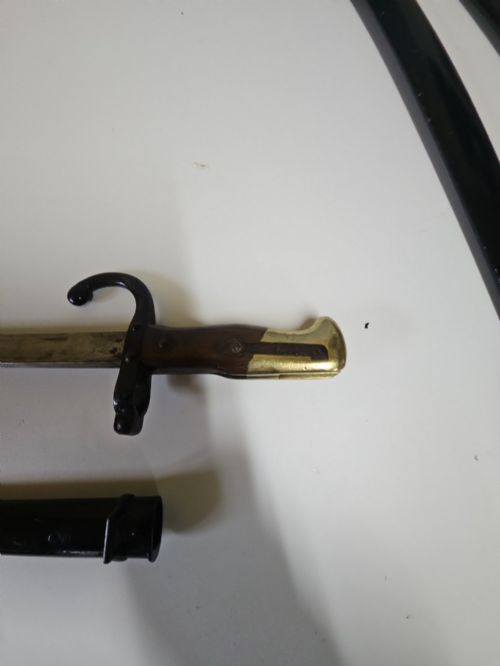
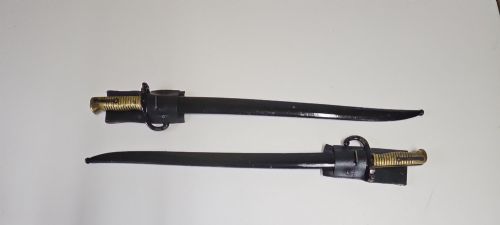
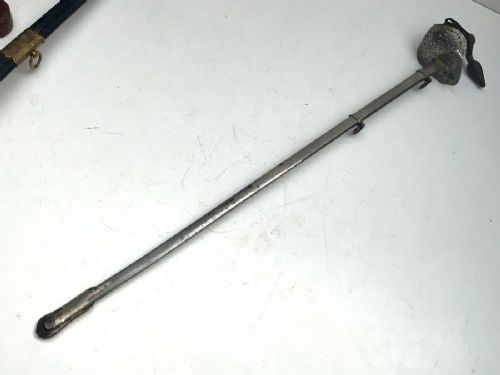
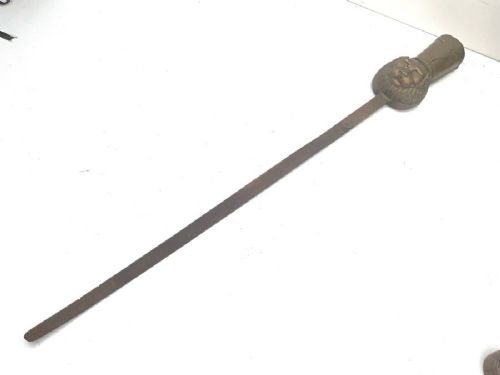
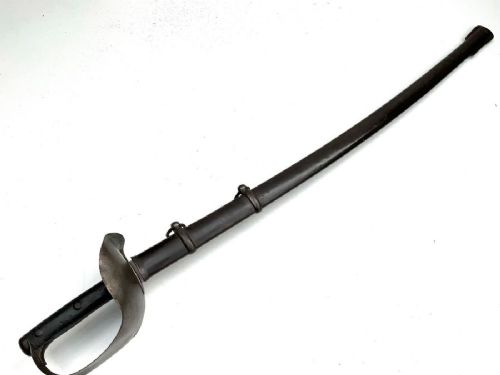
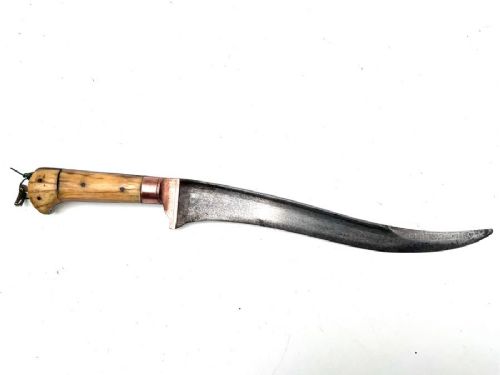
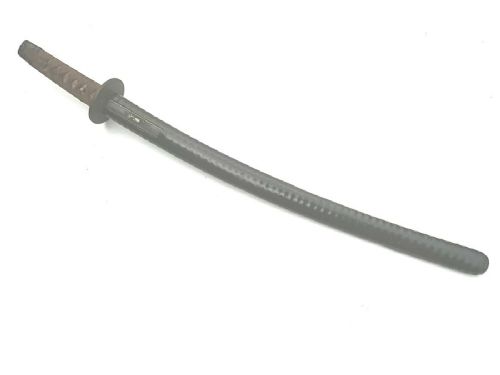
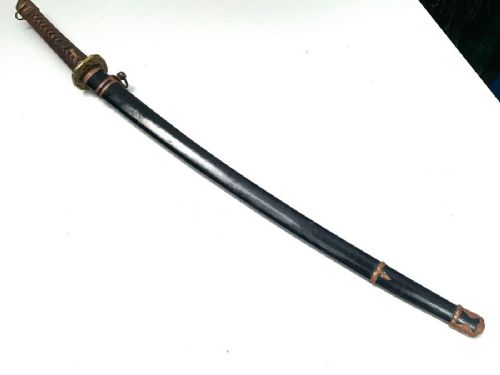
When you examine an antique edged weapon selection, you encounter a global array of military and ceremonial arms spanning multiple centuries. The inventory ranges from Japanese samurai swords and Edo period wakizashi blades to British cavalry sabres and French bayonets.
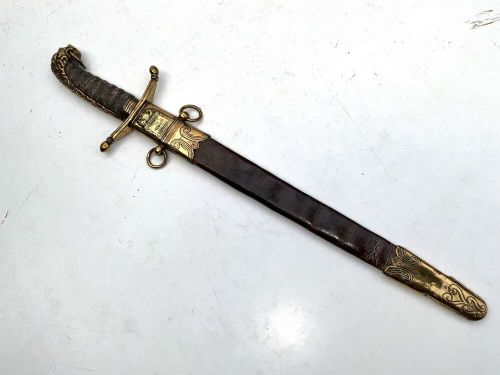
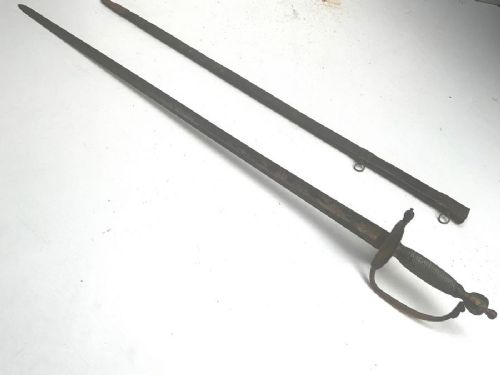
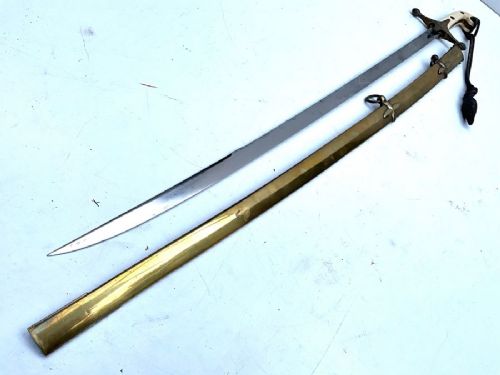
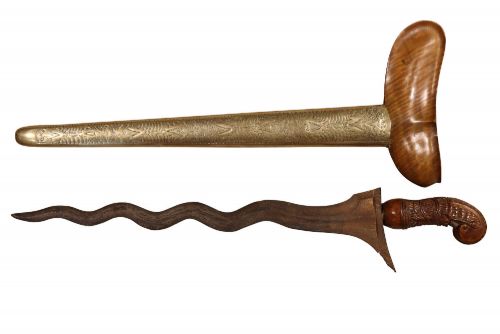
Buyers are most likely to meet nineteenth-century European military patterns alongside Asian and Indo-Persian arms. These pieces encompass naval dirks, infantry swords, daggers, and heavy cavalry sabres issued across various global conflicts.
Materials and construction methods
Makers shaped these arms primarily from forged steel for blades, paired with brass, iron, and wood for hilts and guards. Scabbards often combine leather and wood, sometimes finished with lacquer.
Specialised construction includes ray skin applied to grips and intricate pierced steel work found on regional daggers and push daggers. Each material reflects the tactical requirements and aesthetic standards of its period.
Antique Edged Weapon Retail Price Guide 2026
Typical asking prices for edged weapon among the pieces listed under this phrase on Sellingantiques today, from the lower quarter to the upper quarter. They describe what is for sale here now, not the wider market.
Listings span periods from pre-sixteenth century examples to twentieth-century military arms, incorporating steel, brass, bone, and ray skin.
Factors that define superior quality
Quality rests in the integrity of the forged steel and the preservation of original mounts, scabbards, and grips. Superior examples display crisp blade markings, retain original gilding or blueing, and show balanced proportions.
The skill of the smith or workshop dictates the refinement of the blade geometry and the durability of the assembly. Pieces that retain their matching scabbards and companion knives achieve a higher standard of completeness.
E Thurkle of Soho
The Antique Edged Weapon Glossary
- Wakizashi
- A traditional Japanese short sword carried by samurai warriors. It was frequently paired with a longer katana as part of the traditional sword set.
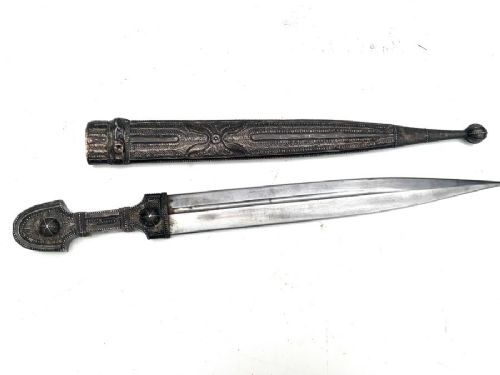
- Kindjal
- A double-edged Caucasian dagger featuring a wide, straight blade and minimal crossguard. It originates from regional fighting traditions of the nineteenth century and earlier.
- Bayonet
- A solid blade designed to attach to the muzzle of a rifle for close combat. Examples include socket and sword patterns utilised by infantry regiments.
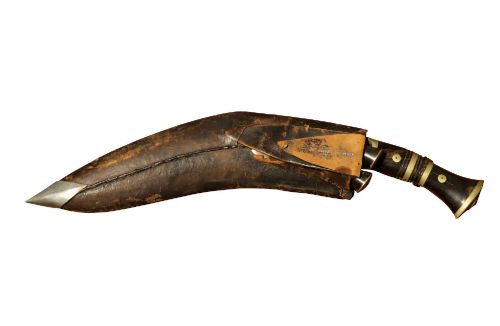
- Kukri
- A distinctive heavy knife with a forward-curving blade native to the Indian subcontinent. It serves as both a tool and a close combat weapon.
Antique Edged Weapon: Frequently Asked Questions
How do I store an antique sword safely?
Keep blades lightly oiled with microcrystalline wax or suitable gun oil to prevent active rust from forming in storage.
Store them in a stable environment away from direct sunlight and damp conditions to protect wooden and leather components.
Can I clean the patina off an old blade?
Removing the natural dark age-related patina on antique steel reduces the historical integrity and character of the piece.
Light cleaning to remove active red rust is acceptable, but polishing the metal bright destroys surface history.
How do I identify a military pattern date?
Military pattern dates usually refer to the year the design was officially adopted by armed forces rather than the exact year of manufacture.
Registration stamps, maker marks, and regimental engravings on the steel often help narrow down the production window.