
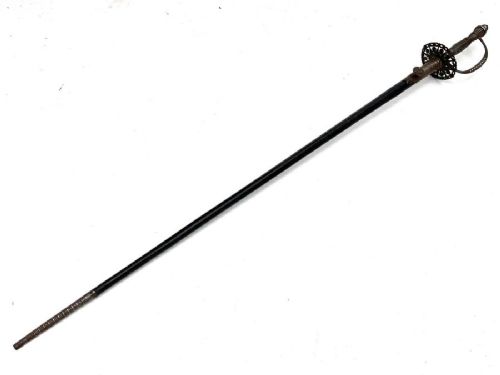
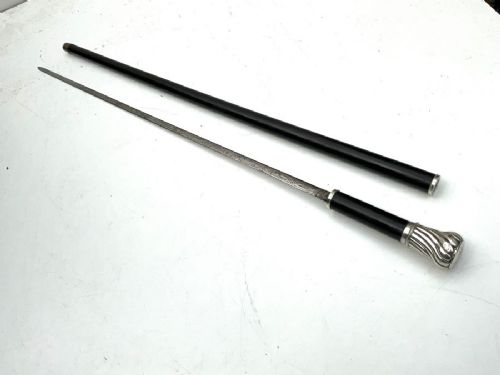


Antique Dress Sword
An antique dress sword carries the weight of ceremony and combat, spanning naval dirks, cavalry sabres and concealed blade walking sticks from the nineteenth and twentieth centuries.
Antique Dress Sword
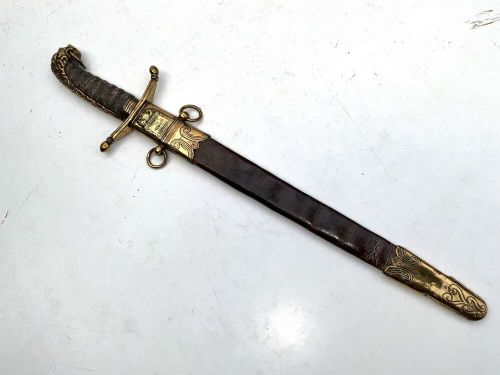
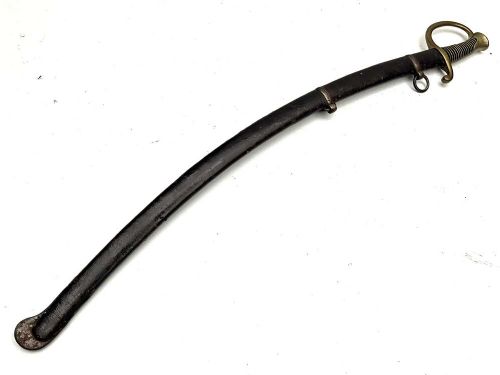
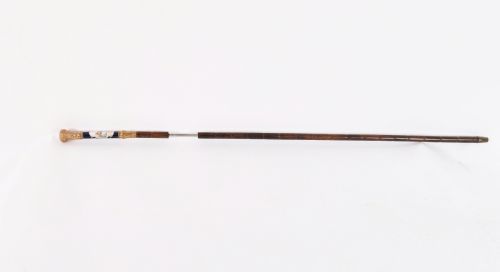
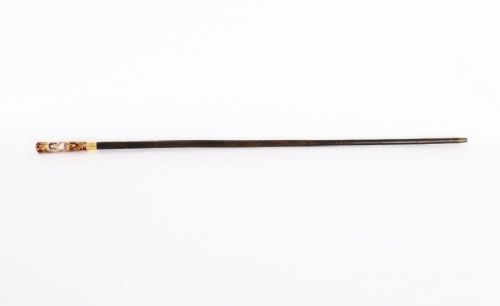
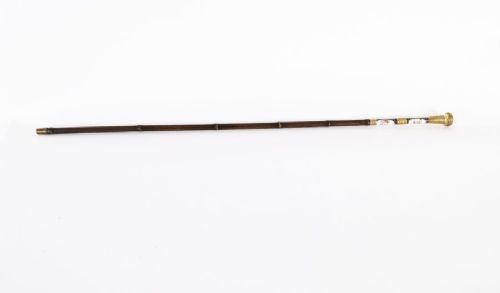
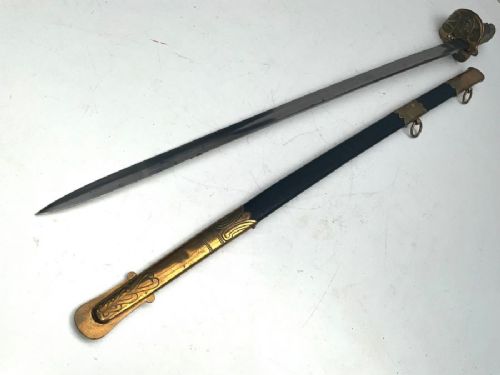
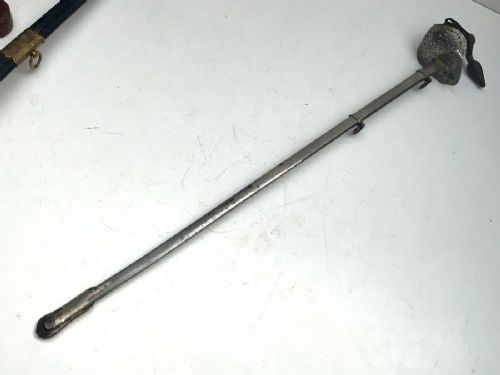
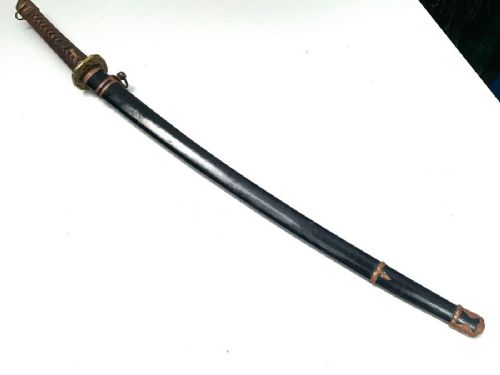
When you search for an antique dress sword, you encounter a varied class of Edged Weapons, Swords and Sabres alongside concealed walking sticks and canes. These pieces range from British and German naval and military officers' swords to French cavalry patterns and ceremonial Masonic items.
Origins span Britain, France, Germany and Japan, pulling together periods from the Georgian era through the Victorian epoch and onward into twentieth century conflict. Each object reflects the formal dress codes, rank distinctions or covert self defence needs of its original owner.
Materials and construction
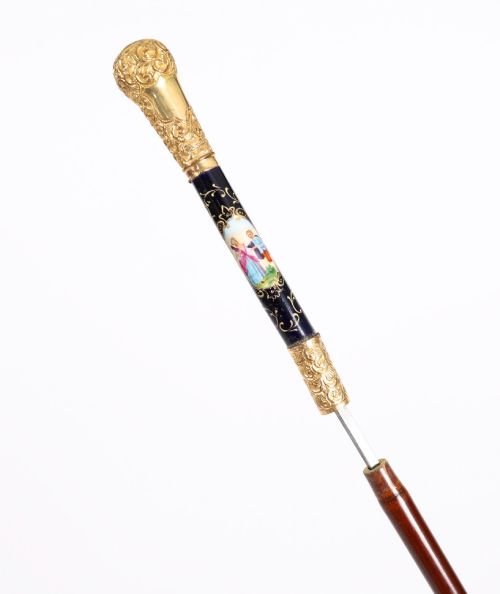
Blades and guards utilise steel and iron, paired with mounts of brass, gilded brass and silver. Handles and hafts incorporate wood, leather and porcelain, particularly Sevres porcelain sections on French examples.
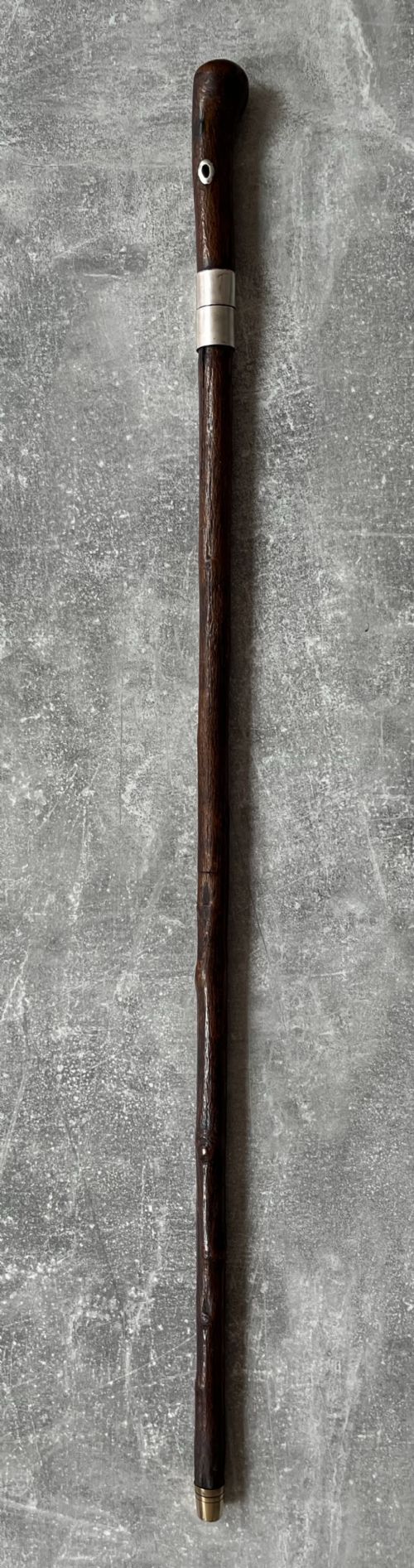
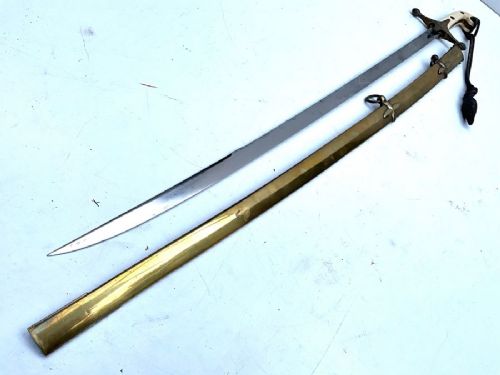
Makers integrated functional edged weapons into everyday walking canes using hazel wood or fitted them with gold plate and agate mounts. Military dress arms combined patterned steel blades with specialised hilts like the Mameluke or basket-guard.
Listings feature items incorporating steel, brass, silver, porcelain and diverse woods across Victorian, French nineteenth century and twentieth century periods.
Quality and execution
The distinction between standard military issue and superior civilian presentation pieces rests in the fineness of the metalwork and the integration of decorative elements. Hand chased silver, detailed gilding and porcelain handle sections elevate a piece beyond basic utilitarian manufacture.
The integrity of the fit between a sword stick blade and its wooden scabbard housing dictates the harmony of the object. Superior examples maintain a seamless exterior line while housing a precisely forged and balanced steel blade.
H Wilkinson
The Antique Dress Sword Glossary
- Mameluke
- A curved military sword style adopted by Western officers, featuring a distinct crossguard and grip modelled on traditional Middle Eastern sabres. This form gained prominence during the nineteenth century.
- Dirk
- A long traditional dagger worn by naval officers and Highlanders. These compact edged weapons often feature ornate hilts and leather scabbards.
- Smallsword
- A light, one handed nineteenth century thrusting sword designed for civilian dress wear. It typically possesses a refined steel blade and a decorated silver or brass hilt.
- Sword stick
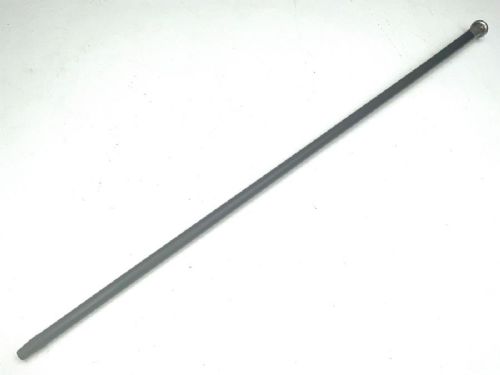
- A concealed blade housed entirely within the shaft of a walking cane. They became popular among nineteenth century gentlemen for personal protection.
Antique Dress Sword: Frequently Asked Questions
What is an antique dress sword?
An antique dress sword is a bladed weapon intended for ceremonial wear, uniform display or civilian self defence rather than frontline combat. These pieces include naval dirks, cavalry sabres and swords concealed inside walking sticks.
They originate from periods spanning the eighteenth, nineteenth and twentieth centuries, reflecting the ranks and social standing of British, French, German and Japanese owners.
Were walking stick swords used for combat?
Walking stick swords served primarily as gentlemanly accessories for self defence during urban transit in the nineteenth and early twentieth centuries. The concealed blade provided discrete protection in periods when open carrying of sidearms was restricted or unfashionable.
Despite their civilian guise, the steel blades inside were forged to functional standards, though many survive today as decorative or collector items.
How should I display a sword stick?
Displaying a sword stick involves securing the piece horizontally on wall brackets or standing it upright in a dedicated cane stand. Keeping the blade housed safely within its wooden shaft protects the steel from environmental moisture and dust.
Ensure the display environment avoids excessive humidity to preserve both the exterior wood or porcelain mounts and the internal metal blade.